How to Buff Aluminum?
- Yongxing
- 06 Mar ,2026
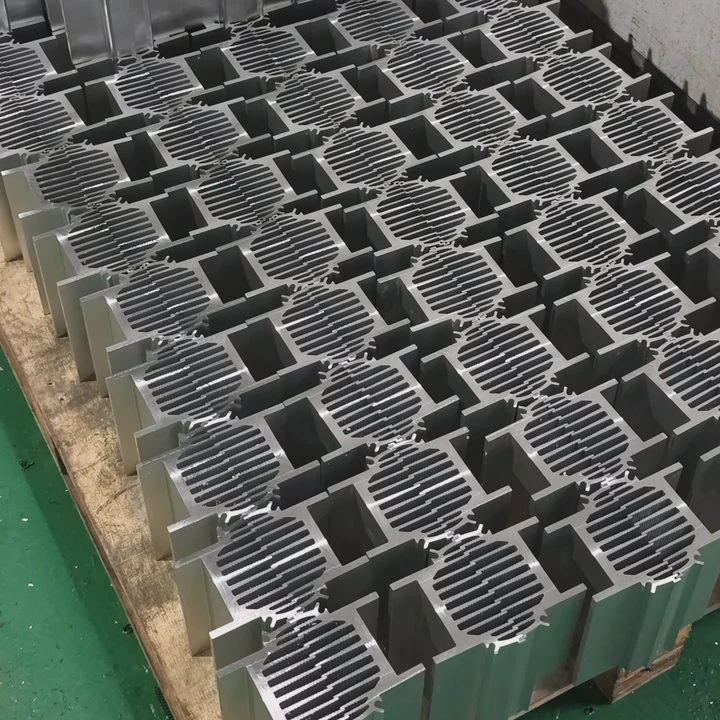
Buffing aluminum can be frustrating when scratches and dull spots ruin its shine. Many struggle to get a professional-looking finish without the right approach.
Buffing aluminum is about removing surface imperfections and polishing it to a smooth, reflective finish. Using the correct tools and methods ensures a bright, long-lasting shine.
Understanding the right techniques can save time and prevent damage to the metal. Let’s explore the equipment, wheels, and processes to achieve a polished aluminum surface.
What equipment is required to buff aluminum?
Getting the right tools is crucial. Using inadequate equipment can leave scratches or uneven surfaces. Proper setup makes the process faster and safer.
To buff aluminum effectively, you need a polishing machine or buffer, various polishing compounds, a set of buffing wheels, safety gear like gloves and goggles, and a clean workspace.
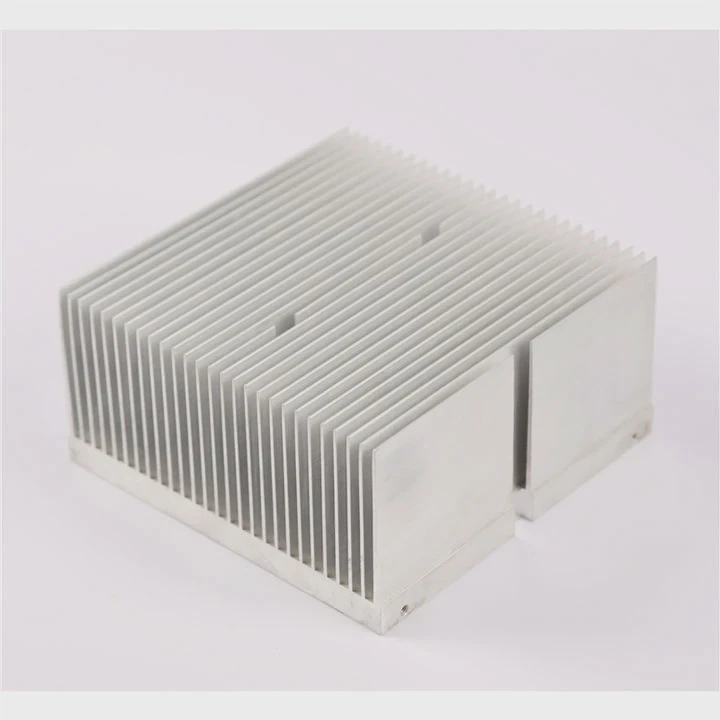
Buffing Machines and Tools
The primary tool is a bench buffer or handheld rotary tool. Bench buffers are better for larger pieces because they offer stability. Handheld tools work well for small or intricate items. Speed control is important; too fast can overheat aluminum.
Buffing Compounds
Compounds help remove oxidation and scratches. There are coarse, medium, and fine compounds. Coarse compounds remove deeper scratches. Medium compounds smooth the surface, and fine compounds create a mirror-like finish.
| Equipment | Purpose |
|---|---|
| Bench buffer | Stable polishing for larger pieces |
| Handheld rotary tool | Polishing small or intricate aluminum items |
| Polishing compounds (coarse, medium, fine) | Gradual scratch removal and shine |
| Buffing wheels | Apply compound and polish |
| Safety gloves & goggles | Protect hands and eyes |
Safety Gear
Buffing can throw metal particles. Gloves protect your hands from friction and heat. Goggles prevent eye injuries. A dust mask helps avoid inhaling aluminum particles.
Using the correct tools and safety measures prevents damage to both the metal and yourself. Proper setup is half the work done before starting.
Which buffing wheels work best for aluminum?
Choosing the right wheel is key. Using the wrong wheel can cause scratching or uneven shine. The material of the wheel affects how it interacts with aluminum.
Soft cotton wheels or muslin wheels work best for aluminum because they apply polish evenly without damaging the surface.
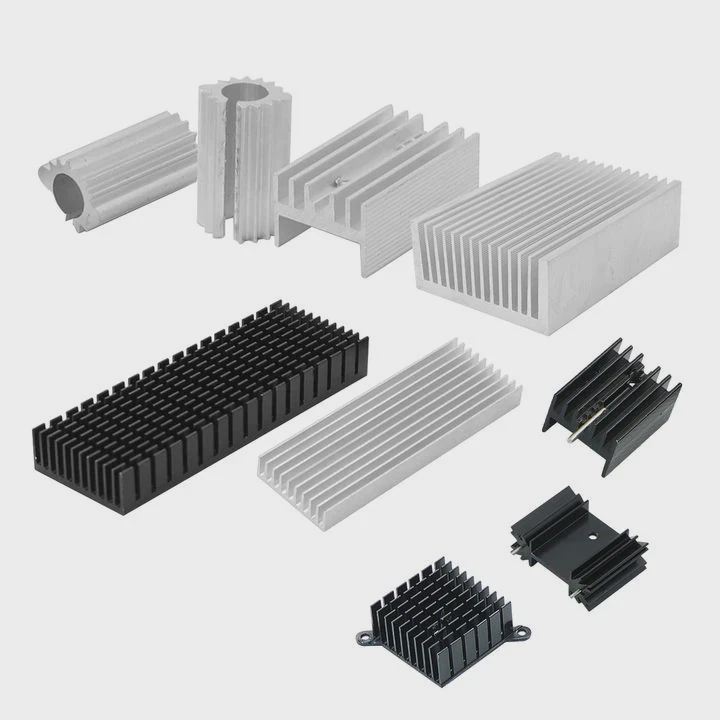
Types of Buffing Wheels
- Cotton Wheels: Soft, versatile, great for finishing. Ideal for fine polishing.
- Muslin Wheels: Dense and durable, excellent for applying polishing compounds evenly.
- Felt Wheels: Softer than muslin, mainly for very fine finishes and delicate surfaces.
- Sisal Wheels: Coarse, better for initial scratch removal and heavy oxidation. Not used for final shine.
| Wheel Type | Use on Aluminum |
|---|---|
| Cotton | Final polishing, mirror finish |
| Muslin | Compound application, medium polish |
| Felt | Fine polish, delicate areas |
| Sisal | Scratch removal, heavy oxidation |
Selecting the Right Wheel
Start with a softer wheel when finishing. Hard or coarse wheels may scratch aluminum. The wheel should match the compound: coarse compound with firmer wheel, fine compound with soft wheel.
Maintenance Tips
Keep wheels clean to avoid contamination. Wash and dry cloth wheels after use. Replace wheels that are worn or frayed. Contaminated wheels can leave black streaks on aluminum.
Why does buffing improve aluminum shine?
Buffing works by smoothing the aluminum surface. Aluminum often oxidizes, forming a dull layer. Polishing removes this layer and creates reflections.
Buffing removes microscopic scratches and oxidation, producing a smooth, reflective surface that enhances shine and prevents future corrosion.
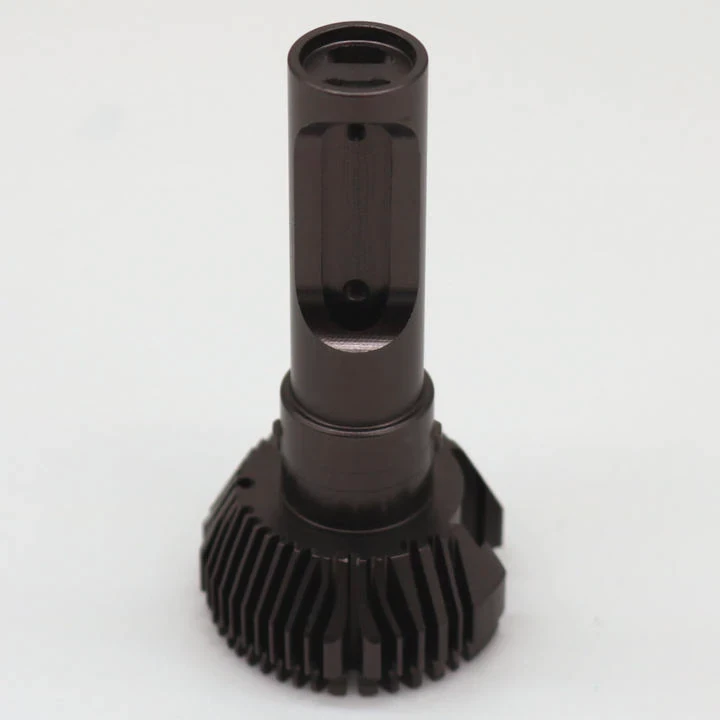
How Buffing Works
Buffing uses friction to remove a thin layer of aluminum. This eliminates tiny scratches and imperfections. Polishing compounds assist by gently cutting and smoothing the surface.
Oxidation Removal
Aluminum oxidizes quickly when exposed to air. Oxidation dulls the finish. Buffing removes the oxidized layer, restoring natural metallic brightness.
The Science of Shine
Smooth surfaces reflect light better. Uneven or scratched aluminum scatters light, appearing dull. By leveling the surface, buffing enhances light reflection, giving aluminum a polished look.
Buffing vs. Polishing
Buffing often refers to using a wheel with compounds for finish. Polishing is more about hand-applied finishing. Both work together: buffing removes defects, polishing enhances shine.
Longevity of Buffed Aluminum
Buffed aluminum resists tarnish longer if sealed with a protective coating like wax or clear coat. Proper buffing reduces future maintenance because the surface is even and smooth.
Practical Tip
Avoid over-buffing. Excess friction can overheat aluminum and cause discoloration. Work in small sections, clean the surface between steps, and apply compounds in layers.
Can aluminum be buffed without power tools?
Many believe power tools are required, but aluminum can be polished manually. Hand buffing works for small parts or when power tools are not available.
Aluminum can be buffed by hand using polishing cloths, compounds, and elbow grease, though the process takes longer and requires careful attention.
Hand Buffing Methods
- Clean the Surface: Remove dust, grease, and dirt. A clean surface prevents scratches.
- Apply Polishing Compound: Rub compound evenly with a soft cloth or microfiber pad.
- Buff by Hand: Use circular motions with consistent pressure. Avoid pressing too hard.
- Check Progress: Wipe with a clean cloth to assess shine. Repeat if needed.
Pros and Cons
| Method | Advantages | Disadvantages |
|---|---|---|
| Hand Buffing | No power tools needed, precise control | Time-consuming, physically tiring |
| Machine Buffing | Faster, more uniform finish | Requires equipment, risk of overheating |
Tips for Manual Buffing
- Use microfiber cloths to avoid scratching.
- Work in a well-lit area to monitor shine.
- Apply small amounts of compound; excess can be messy.
- Rotate cloth sections to prevent contamination.
When to Choose Hand Buffing
Hand buffing is suitable for small items, intricate shapes, or light touch-ups. Large panels or deep oxidation require power tools for efficiency.
Combining Methods
A common approach is to start with hand buffing for delicate areas and finish with a machine buffer for overall shine. This balances control with efficiency.
Final Thought
Patience is key. Even without tools, a polished aluminum surface is achievable. Proper technique and care ensure a lasting shine.
Conclusion
Buffing aluminum restores its natural brightness, removes scratches, and enhances reflections. Using the right tools, wheels, and techniques ensures both efficiency and quality, whether by hand or with machines.