
How to Paint Aluminum?
- Yongxing
- 05 Mar ,2026
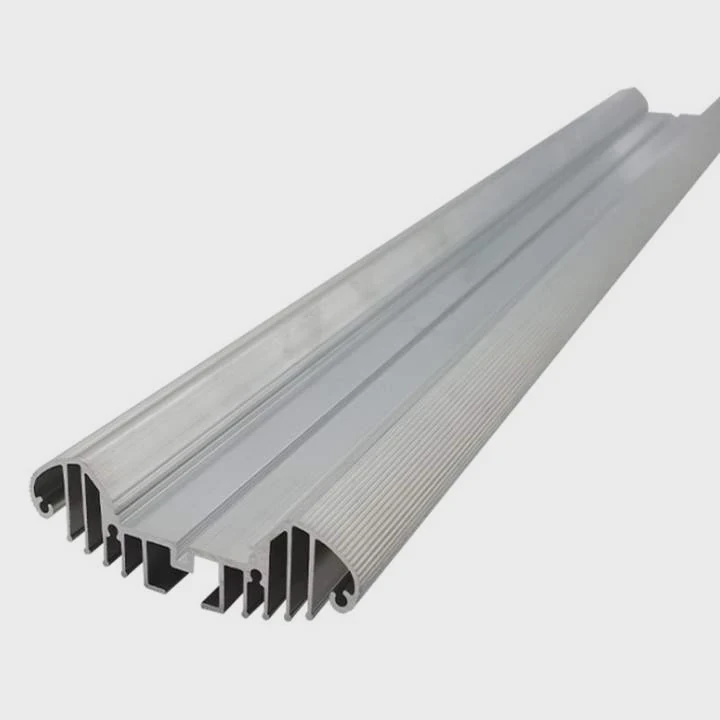
Aluminum surfaces often resist paint. Many people apply paint directly, only to see it peel or flake after a short time. This happens because aluminum behaves differently than many other metals.
Painting aluminum requires proper surface cleaning, sanding, and the use of suitable primers designed for metal surfaces. When prepared correctly, paint can adhere strongly and remain durable for long periods.
Aluminum appears in many products, including equipment housings, structures, panels, and decorative parts. Because the metal forms a natural oxide layer, painting requires special preparation to ensure long-lasting adhesion.
What preparation is needed before painting aluminum?
Many paint failures occur because surface preparation is skipped. Aluminum surfaces may look clean, but they often contain oils, oxidation layers, or microscopic debris.
Proper preparation before painting aluminum includes cleaning, degreasing, light sanding, and removing oxidation so the paint can bond firmly with the metal surface.
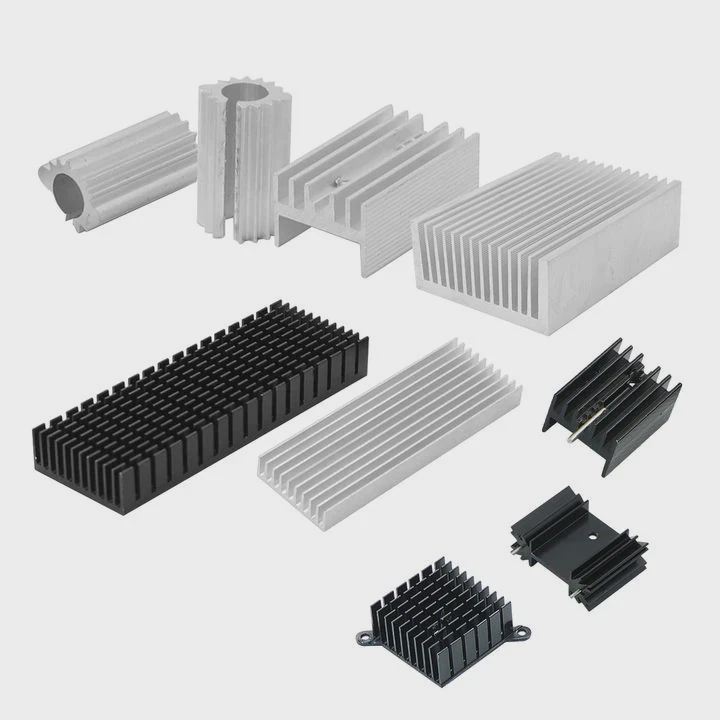
Surface preparation ensures the paint forms a mechanical and chemical bond with the aluminum.
Step 1: Cleaning the Surface
The first step removes dirt, grease, and contaminants.
A common method includes:
- Washing the aluminum with warm water and mild detergent
- Removing grease using a degreaser
- Rinsing thoroughly with clean water
- Drying the surface completely
Even small oil residues can prevent paint adhesion.
Step 2: Removing Oxidation
Aluminum quickly forms a thin oxide layer when exposed to air. Although this layer protects the metal, it also prevents paint from bonding properly.
Light sanding or chemical cleaning can remove this layer.
Step 3: Surface Sanding
Sanding roughens the aluminum slightly. This creates microscopic grooves where paint can anchor.
Common sanding materials include:
- 180- to 220-grit sandpaper
- non-woven abrasive pads
- fine sanding discs
The goal is not to remove large amounts of metal but to create a uniform surface texture.
Surface Preparation Checklist
| Preparation Step | Purpose |
|---|---|
| Cleaning | Remove dirt and grease |
| Degreasing | Eliminate oils and contaminants |
| Sanding | Create surface texture |
| Oxide removal | Improve paint adhesion |
Step 4: Final Cleaning
After sanding, the aluminum surface should be cleaned again. Dust particles left behind can cause paint defects.
A lint-free cloth or compressed air often helps remove sanding residue.
Why Preparation Is Critical
Paint adheres best when the surface is both clean and slightly rough. Smooth aluminum surfaces provide very little grip for paint layers.
If preparation is skipped, paint may look good at first but will eventually peel, bubble, or crack.
Industrial Surface Preparation
In industrial manufacturing, aluminum painting often involves additional treatments.
Examples include:
- chemical etching
- conversion coatings
- anodizing preparation
These processes improve long-term coating durability.
Proper preparation is the foundation of successful aluminum painting. Without it, even high-quality paint may fail quickly.
Which primers work best on aluminum surfaces?
Even with proper preparation, paint alone often struggles to adhere directly to aluminum. Primers act as a bonding layer between the metal and the paint.
The best primers for aluminum surfaces include self-etching primers, epoxy primers, and zinc chromate primers, all designed to improve adhesion and corrosion resistance.
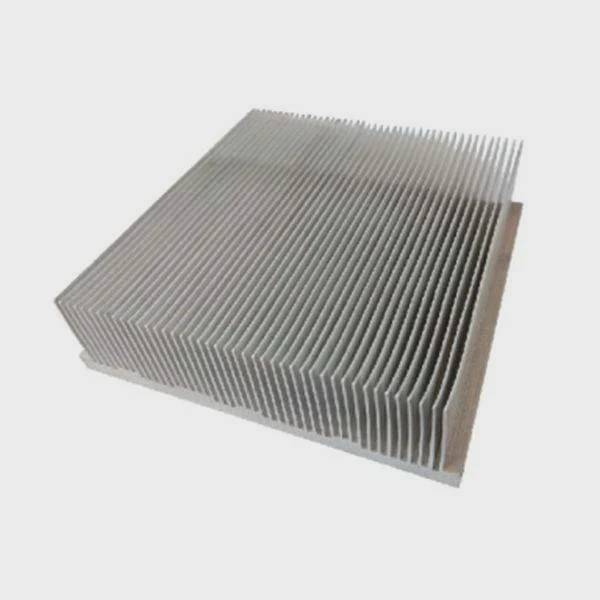
Primers contain special chemicals that bond with metal surfaces and create a stable base for paint layers.
Self-Etching Primer
Self-etching primer is one of the most popular choices for aluminum.
It contains mild acids that lightly etch the metal surface. This reaction improves mechanical bonding between the primer and the aluminum.
Self-etching primers are commonly used for:
- automotive aluminum parts
- aluminum panels
- machinery housings
Epoxy Primer
Epoxy primers provide strong adhesion and corrosion resistance.
They form a durable barrier layer that protects the aluminum from moisture and environmental exposure.
This type of primer often appears in industrial coatings and marine applications.
Zinc Chromate Primer
Zinc chromate primer has a long history in aerospace applications. It protects aluminum surfaces against corrosion and improves paint adhesion.
Although some modern coatings replace it due to environmental concerns, it remains widely recognized for its effectiveness.
Primer Comparison
| Primer Type | Main Advantage | Typical Application |
|---|---|---|
| Self-etching primer | Excellent adhesion | General aluminum painting |
| Epoxy primer | High durability | Industrial coatings |
| Zinc chromate primer | Strong corrosion protection | Aerospace and marine |
Primer Application Steps
Applying primer correctly improves the final paint result.
Typical steps include:
- Shake or mix the primer thoroughly
- Apply thin, even layers
- Allow proper drying time
- Lightly sand if required before painting
Multiple thin coats often perform better than one thick coat.
Importance of Primer in Aluminum Painting
Primers serve several critical functions.
They:
- improve paint adhesion
- prevent corrosion
- create a uniform surface for topcoats
Without primer, paint may fail prematurely.
Industrial Coating Systems
Many industrial aluminum components use multi-layer coating systems.
These systems may include:
- surface conversion coating
- primer layer
- intermediate coating
- top paint layer
This layered approach increases durability and environmental resistance.
Selecting the correct primer significantly improves the success of aluminum painting projects.
Why does paint peel off untreated aluminum?
Many people paint aluminum directly without preparation or primer. At first the paint appears smooth and bright. However, peeling often appears later.
Paint peels off untreated aluminum because the natural oxide layer prevents proper bonding between the paint and the metal surface.
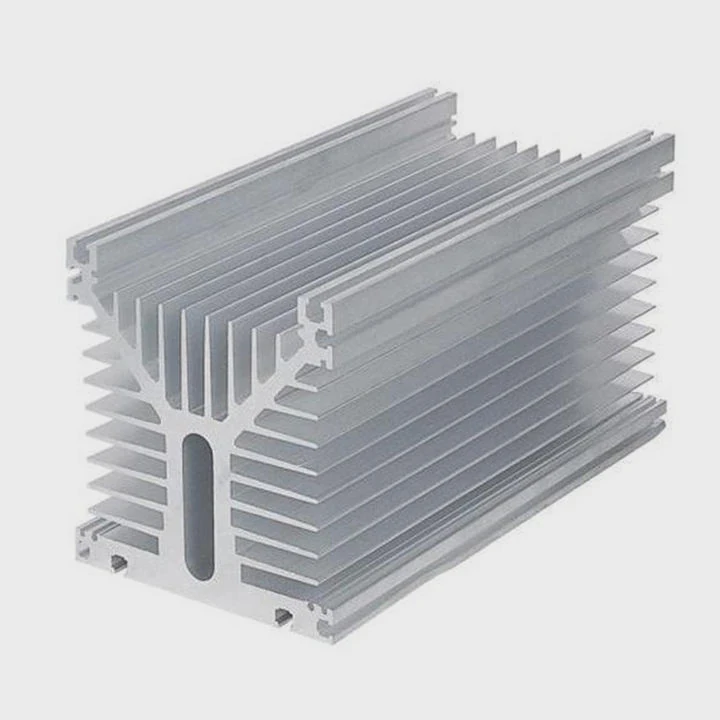
Understanding this problem requires examining the chemistry of aluminum surfaces.
Natural Oxide Layer
Aluminum forms a thin oxide layer almost immediately after exposure to air.
This oxide layer protects the metal from corrosion, but it also creates a barrier that paint cannot easily penetrate.
Because of this barrier, paint sits on top of the surface rather than bonding with it.
Poor Surface Roughness
Another problem is surface smoothness.
Aluminum sheets often have smooth finishes from manufacturing processes such as rolling or extrusion.
Smooth surfaces provide very little mechanical grip for paint.
Environmental Stress
Paint layers on untreated aluminum may experience stress from several sources.
These include:
- temperature changes
- moisture exposure
- vibration
- ultraviolet radiation
Without strong adhesion, these forces gradually separate the paint from the metal.
Common Signs of Paint Failure
| Paint Defect | Cause |
|---|---|
| Peeling | Poor adhesion |
| Blistering | Moisture trapped under paint |
| Cracking | Thermal expansion mismatch |
| Flaking | Weak bonding layer |
Thermal Expansion Effects
Aluminum expands and contracts with temperature changes.
If the paint layer does not bond strongly, this movement can break the coating.
Proper primers and preparation help absorb these stresses.
Industrial Solutions
Manufacturers use several methods to prevent paint failure.
These include:
- surface conversion coatings
- anodizing pretreatment
- specialized primers
These treatments create surfaces that allow paint to attach securely.
Why Skipping Preparation Leads to Failure
Paint adhesion relies on two mechanisms:
- chemical bonding
- mechanical grip
Untreated aluminum provides neither of these effectively.
As a result, the paint layer eventually separates from the surface.
Understanding this behavior helps explain why proper preparation and priming are essential before painting aluminum.
Can spray paint adhere well to aluminum?
Spray paint is widely used because it is convenient and easy to apply. However, many people wonder whether spray paint works well on aluminum surfaces.
Spray paint can adhere well to aluminum if the surface is properly cleaned, sanded, and primed with a metal-compatible primer before application.
Without preparation, spray paint may not last long.
Advantages of Spray Paint
Spray paint offers several practical benefits.
It provides:
- smooth, even coating
- fast application
- access to complex shapes
- minimal brush marks
These advantages make spray paint suitable for many aluminum parts.
Surface Preparation for Spray Painting
The preparation steps are similar to other painting methods.
Important steps include:
- cleaning the aluminum surface
- removing oxidation
- sanding lightly
- applying a suitable primer
Skipping these steps may cause poor adhesion.
Spray Painting Technique
Applying spray paint correctly also affects the final result.
Best practices include:
- holding the spray can about 20–30 cm from the surface
- applying several thin coats
- allowing proper drying time between coats
Thin layers reduce the risk of drips and uneven coverage.
Spray Paint Types for Aluminum
| Spray Paint Type | Characteristics | Best Use |
|---|---|---|
| Acrylic spray paint | Fast drying | Decorative surfaces |
| Enamel spray paint | Durable coating | Outdoor applications |
| Epoxy spray paint | Strong adhesion | Industrial components |
Choosing paint designed for metal surfaces improves performance.
Drying and Curing
After spraying, the paint must cure properly.
Drying time depends on several factors:
- temperature
- humidity
- paint formulation
Full curing may take several hours or even days.
Long-Term Durability
When applied correctly, spray paint can last many years on aluminum surfaces.
However, durability depends on environmental exposure.
Outdoor aluminum parts may require weather-resistant paints or protective clear coatings.
When Spray Paint Is Not Enough
In high-performance environments, professional coating systems may be required.
Examples include:
- powder coating
- anodizing with color
- industrial epoxy coatings
These systems offer stronger protection than simple spray painting.
Nevertheless, spray paint remains a practical option for many aluminum surfaces when the correct preparation and primer are used.
Conclusion
Painting aluminum successfully requires careful preparation, proper primers, and suitable paint products. Cleaning, sanding, and priming help paint adhere securely to the metal surface. When these steps are followed correctly, aluminum surfaces can achieve durable, long-lasting finishes in both household and industrial applications.




