What Is Natural Heat Sink?
- Yongxing
- 11 May ,2026
Rising temperatures now affect cities, oceans, forests, and industries. Many people hear about “heat sinks” but do not fully understand how nature controls heat every day.
A natural heat sink is any natural system that absorbs, stores, and releases heat slowly. Oceans, forests, soil, wetlands, and ice all help balance Earth’s temperature and reduce extreme climate changes.
Nature handles heat in ways that many engineered cooling systems still try to copy. Oceans move heat across the planet. Forests cool the air through evaporation. Soil stores heat during the day and releases it at night. These systems work together all the time. Understanding them helps engineers, manufacturers, and energy industries design better thermal management solutions for modern equipment and infrastructure.
How Do Natural Systems Absorb Heat?
People often think heat simply disappears. In reality, heat always moves somewhere. Natural systems absorb heat through water, air movement, vegetation, soil, and phase change processes.
Natural systems absorb heat by storing thermal energy inside water, land, plants, and air. They slow down temperature changes through evaporation, radiation, airflow, and thermal mass effects.
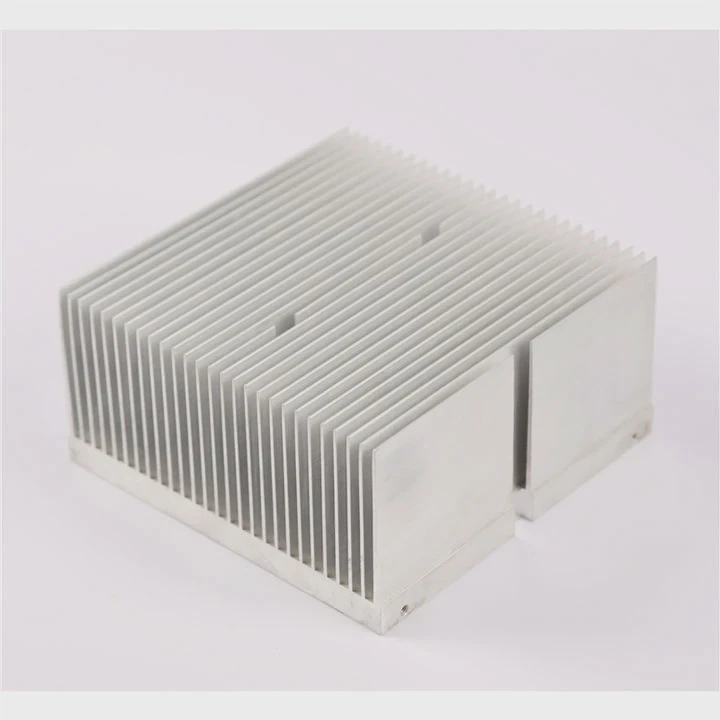
Natural heat absorption happens every second on Earth. The process looks simple from far away, but many physical mechanisms work together.
Oceans as Massive Heat Storage Systems
Oceans are the largest natural heat sinks on Earth. Water can absorb large amounts of thermal energy without rapid temperature change. This happens because water has a high specific heat capacity.
When sunlight reaches the ocean surface, the water absorbs and stores heat. Ocean currents then move this heat around the world. Warm water from tropical regions slowly travels toward colder regions.
This process stabilizes global climate patterns.
| Natural System | Heat Absorption Method | Cooling Effect |
|---|---|---|
| Oceans | Thermal storage | Stabilizes climate |
| Forests | Evaporation and shade | Lowers air temperature |
| Soil | Thermal mass | Reduces temperature swings |
| Wetlands | Water evaporation | Cools nearby regions |
Plants Use Evaporation to Remove Heat
Plants cool the environment through transpiration. During this process, water moves from roots to leaves and then evaporates into the atmosphere.
Evaporation removes heat energy from the plant surface. This works similarly to sweating in the human body.
Large forests create noticeable cooling zones. Temperatures inside dense forests are often several degrees lower than nearby urban areas.
Soil Stores Heat During the Day
Soil acts like a thermal battery. During daylight hours, soil absorbs solar heat. At night, the stored heat slowly releases back into the air.
Different soil types absorb heat differently.
- Dark soil absorbs more heat
- Wet soil stores heat longer
- Sandy soil heats and cools quickly
- Clay soil changes temperature slowly
Ice and Snow Reflect Heat
Not every heat sink absorbs heat directly. Some natural systems reduce heat gain by reflection.
Ice and snow reflect sunlight back into space. This reflection effect is called albedo. Bright surfaces absorb less solar radiation.
When ice melts, Earth loses part of this reflective protection. More heat then stays inside the atmosphere and oceans.
Natural Heat Transfer Is Slow and Stable
Natural systems usually do not cool rapidly like industrial cooling equipment. Instead, they focus on long-term thermal balance.
This stability is important. Sudden temperature changes damage ecosystems, weather systems, and human infrastructure.
Modern thermal engineers often study these natural patterns when designing:
- Passive cooling systems
- Vapor chamber structures
- Heat spreaders
- Liquid cooling loops
- Thermal storage modules
Many advanced thermal technologies now follow principles already used by nature for millions of years.
Why Are Natural Heat Sinks Essential for Earth?
Without natural heat sinks, Earth would experience much more severe temperature extremes. Life would become unstable in many regions.
Natural heat sinks protect Earth by regulating temperature, storing excess heat, balancing climate systems, and supporting ecosystems that sustain life.

Natural heat sinks are not only environmental features. They are part of Earth’s survival system.
They Reduce Global Temperature Extremes
Heat sinks slow down warming and cooling cycles. Oceans absorb excess solar heat during warm periods. Later, they slowly release that heat.
Without this balancing effect:
- Summers would become much hotter
- Winters would become much colder
- Storm systems would become more unstable
- Regional climates would change faster
Many coastal regions stay moderate because nearby oceans absorb and redistribute thermal energy.
They Support Weather Stability
Atmospheric circulation depends heavily on thermal balance. Heat differences create winds, rainfall patterns, and storm movements.
Natural heat sinks reduce sudden temperature gaps between regions.
For example:
- Forests increase humidity
- Wetlands stabilize local temperatures
- Oceans regulate coastal airflow
- Polar ice controls planetary reflection rates
These systems help maintain predictable climate patterns that agriculture and human societies depend on.
They Protect Biodiversity
Animals and plants survive within certain temperature ranges. Natural cooling systems help ecosystems stay within those limits.
Coral reefs, forests, wetlands, and grasslands all depend on balanced thermal conditions.
When natural heat sinks weaken:
- Species migration increases
- Water shortages grow
- Forest fires spread faster
- Ecosystem collapse risks rise
They Influence Human Industry and Cities
Cities create large amounts of artificial heat. Concrete, asphalt, vehicles, and industrial systems trap thermal energy.
Natural heat sinks help reduce these urban heat island effects.
Trees, parks, lakes, and green roofs cool surrounding areas naturally.
| Environmental Challenge | Natural Heat Sink Solution |
|---|---|
| Urban overheating | Trees and vegetation |
| Coastal climate instability | Ocean heat regulation |
| Drought conditions | Wetland moisture cycles |
| Extreme seasonal swings | Soil and water thermal storage |
Nature Inspires Modern Thermal Engineering
Many industrial cooling technologies borrow ideas from nature.
For example:
- Vapor chambers mimic evaporation cycles
- Liquid cooling systems copy water circulation
- Phase change materials imitate thermal storage
- Heat pipe systems resemble natural convection
In thermal manufacturing, passive cooling designs often work better because they reduce energy use and improve long-term reliability.
Natural systems already proved these concepts over geological timescales.
Where Are Natural Heat Sinks Found?
Natural heat sinks exist almost everywhere on Earth. Some are easy to see, while others work quietly in the background.
Natural heat sinks are found in oceans, forests, wetlands, soil, mountains, polar regions, rivers, and even underground geological systems.

Many people imagine heat sinks as single objects. In nature, they often work as connected systems across large regions.
Oceans Hold the Largest Heat Capacity
Oceans absorb over 90% of excess global heat linked to climate warming.
This makes oceans the most important natural heat sink on Earth.
Deep ocean layers store thermal energy for decades or even centuries. Surface currents then move heat between continents.
Important ocean heat sink regions include:
- Pacific Ocean
- Atlantic Ocean
- Southern Ocean
- Arctic waters
These systems strongly influence weather and global temperatures.
Forests Create Regional Cooling Zones
Forests act as both carbon sinks and heat sinks.
Dense forests cool surrounding environments through:
- Shade
- Evaporation
- Moisture retention
- Airflow regulation
Rainforests are especially powerful because they continuously cycle water into the atmosphere.
Large forest regions include:
- Amazon rainforest
- Congo Basin
- Southeast Asian tropical forests
- Boreal forests in Canada and Russia
Wetlands and Marshes Stabilize Local Climate
Wetlands store water and regulate thermal conditions very efficiently.
Water evaporates slowly from marshes and swamps. This process absorbs large amounts of heat energy.
Wetlands also:
- Reduce drought severity
- Cool nearby farmland
- Support groundwater recharge
- Stabilize humidity levels
Many cities now restore wetlands to improve climate resilience.
Polar Ice Regions Reflect Solar Heat
Arctic and Antarctic regions help regulate global energy balance.
Snow and ice reflect sunlight away from Earth’s surface. This reflection reduces overall heat absorption.
As ice coverage decreases, darker surfaces absorb more heat. This accelerates warming.
Underground Geological Systems Also Store Heat
Some natural heat sinks operate below ground.
Rock layers and underground water reservoirs store thermal energy over long periods.
Caves and underground structures often maintain stable temperatures because surrounding geology absorbs heat slowly.
This principle also appears in industrial thermal systems:
- Thermal mass cooling
- Underground energy storage
- Geothermal regulation
- Phase change heat storage
Urban Areas Need More Natural Heat Sinks
Modern cities often remove natural cooling systems during development.
Concrete surfaces absorb and trap heat much faster than vegetation.
Because of this, many urban planners now add:
- Green roofs
- Urban forests
- Artificial lakes
- Water retention systems
These designs restore some of the natural thermal balance lost during construction.
Which Ecosystems Act as Heat Sinks?
Not all ecosystems absorb heat equally. Some ecosystems have much stronger thermal regulation abilities because of water content, vegetation density, and surface structure.
Forests, oceans, wetlands, grasslands, tundra, and mangroves are major ecosystems that act as natural heat sinks through thermal storage and evaporative cooling.
Different ecosystems manage heat in different ways. Each one plays a unique role in climate balance.
Forest Ecosystems
Forests are among the strongest land-based heat sinks.
Tree canopies block direct sunlight from reaching the ground. Roots store water underground. Leaves release moisture into the air.
This combination creates stable temperatures.
Why Forests Cool Efficiently
- High moisture content
- Dense shade coverage
- Continuous evaporation
- Strong carbon absorption
Tropical forests perform especially well because they maintain high humidity throughout the year.
Wetland Ecosystems
Wetlands contain large amounts of shallow water. This allows continuous evaporation and slow thermal release.
Examples include:
- Swamps
- Marshes
- Peatlands
- Mangrove wetlands
Wetlands also absorb floodwater and reduce heat stress in nearby regions.
Grasslands and Agricultural Land
Grasslands absorb less heat than forests, but they still stabilize surface temperatures.
Healthy vegetation prevents rapid soil heating. Root systems also improve water retention.
Agricultural systems can become stronger heat sinks when farmers use:
- Cover crops
- Irrigation
- Organic soil management
- Agroforestry methods
Mangrove Ecosystems
Mangroves are powerful coastal heat sinks.
They combine:
- Water cooling
- Dense vegetation
- Coastal airflow control
- Soil moisture retention
Mangroves also protect coastlines from storm surges and erosion.
Tundra and Polar Ecosystems
Cold ecosystems may look inactive, but they strongly influence global heat balance.
Ice, snow, and frozen soil reflect sunlight and store carbon.
When tundra regions warm:
- Permafrost melts
- Methane releases increase
- Heat absorption rises
- Ecosystem stability weakens
Coral Reef Systems
Coral reefs indirectly support ocean heat regulation by maintaining marine ecosystem balance.
Healthy reef ecosystems support water circulation and biodiversity. Damaged reefs often signal broader ocean warming problems.
| Ecosystem | Main Cooling Mechanism | Thermal Stability Level |
|---|---|---|
| Forests | Evaporation and shade | High |
| Wetlands | Water evaporation | High |
| Oceans | Thermal storage | Very High |
| Grasslands | Soil moisture control | Medium |
| Mangroves | Coastal water cooling | High |
| Tundra | Solar reflection | High |
Natural Ecosystems and Future Cooling Technology
Modern thermal management increasingly follows ecosystem principles.
Many advanced cooling systems now focus on:
- Passive airflow
- Evaporation cooling
- Thermal storage
- Lightweight structures
- Integrated heat spreading
These ideas already exist in forests, oceans, wetlands, and geological systems.
Engineers continue learning from nature because natural systems achieve stable cooling with minimal energy consumption.
Conclusion
Natural heat sinks protect Earth by absorbing, storing, and balancing thermal energy. Oceans, forests, wetlands, and other ecosystems work together to stabilize climate and support life. Understanding these systems also helps industries develop smarter and more efficient thermal management technologies for the future.