Are aluminum pans safe?
- Yongxing
- 25 Mar ,2026
Many home cooks use aluminum pans every day, yet many still worry about hidden health problems. That worry grows fast when advice online sounds simple, scary, and hard to check.
Aluminum pans are generally safe for normal cooking use. The main issue is not poison from the pan itself, but how the pan is made, how damaged it is, what food goes into it, and how often acidic cooking happens.
This topic matters because cookware is personal. It sits in the kitchen, touches daily meals, and shapes how people feel about safety at home. A lot of the fear comes from half-true claims. So it helps to break the issue into simple parts: health risk, anodized cookware, leaching, and safe use in real kitchens.
Do aluminum pans cause health risks?
People often hear that aluminum pans are dangerous, and that idea spreads fast because it sounds serious. A simple metal pan should not feel like a health question, but many buyers now treat it that way.
For most people, aluminum pans do not cause clear health risks when used in normal ways. Risk becomes more worth checking when cookware is damaged, low quality, or used often with highly acidic or salty foods.
The first thing to understand is that aluminum is not rare. It is one of the most common metals around us. Small amounts can come from food, water, packaging, and cookware. So the real question is not whether aluminum exists in daily life. The real question is whether the amount from a pan becomes high enough to matter.
Why the fear became so common
Many people connect aluminum cookware with major diseases because old claims have stayed online for years. Those claims often skip an important point: a loose link is not the same as proof. Public fear grows when a material sounds industrial, metallic, or chemical. A pan then starts to feel risky even when the actual use case is normal home cooking.
In real kitchen use, the body is not getting a huge dose from simply frying eggs or heating vegetables in an aluminum pan. The bigger concern is repeated exposure under harder conditions. For example, long simmering of tomato sauce, vinegar-based dishes, or very salty foods can raise contact between food and raw aluminum.
What changes the level of concern
Several factors shape how much concern makes sense:
| Factor | Lower concern | Higher concern |
|---|---|---|
| Surface condition | Smooth and intact | Scratched, worn, pitted |
| Food type | Dry or neutral foods | Acidic or salty foods |
| Cooking time | Short heating | Long simmering or storage |
| Pan quality | Well-finished cookware | Thin, rough, low-grade pans |
This is why one simple yes-or-no answer does not work well. Not all aluminum pans behave the same way. A well-made pan with a stable surface is very different from a cheap pan with a worn interior. Also, cooking is only one part of exposure. Diet, storage habits, and food type matter too.
A practical view from the kitchen
In my view, the safest way to think about aluminum cookware is not panic, but control. A pan is a tool. If the tool is made well and used with care, it usually stays within a normal risk range. If the tool is damaged and used in harsh ways every day, concern becomes more reasonable.
That is why many cooks do not fully avoid aluminum. They just use it in the right jobs. Aluminum heats fast, stays light, and often costs less than other metals. Those are real benefits. Safety questions should be answered with context, not fear. A balanced view helps more than a dramatic one.
Is anodized aluminum cookware safer?
Many shoppers notice the word “anodized” and assume it is just marketing language. That confusion matters because the finish on a pan changes how the surface behaves during cooking.
Yes, anodized aluminum cookware is usually safer than raw aluminum cookware because the surface has been treated to become harder, more stable, and less reactive with food.
Anodizing is a process that changes the outer layer of the aluminum. It creates a harder surface that resists wear better than untreated aluminum. This matters because a pan’s surface is the first barrier between the metal and the food. A more stable barrier usually means less reaction.
What anodizing really changes
Raw aluminum is softer and more reactive. That does not mean it is automatically unsafe, but it does mean it has fewer defenses when it meets acidic ingredients or rough cleaning habits. Anodized aluminum is different because the surface layer becomes stronger and less likely to release aluminum into food under normal use.
This is one reason many buyers choose hard-anodized cookware for daily use. It offers some of the heat benefits of aluminum but with a better surface condition.
Side-by-side comparison
| Feature | Raw aluminum cookware | Anodized aluminum cookware |
|---|---|---|
| Surface hardness | Softer | Harder |
| Reactivity with acidic food | Higher | Lower |
| Scratch resistance | Lower | Better |
| Leaching chance | More likely | Less likely |
| Daily durability | Moderate | Stronger |
That said, “safer” does not mean “perfect.” Even anodized cookware can wear down over time. A pan that has deep scratches, peeling nonstick coating, or visible damage should not be treated as a forever tool. Surface condition still matters.
Where anodized pans fit best
For many kitchens, anodized aluminum sits in a useful middle ground. It is often lighter than cast iron and more responsive than some heavy steel cookware. It can work well for sautéing, searing, and quick weekday cooking. When people want aluminum performance without as much worry about reaction, anodized pans usually make more sense.
This is also where buying quality matters. A good anodized pan tends to have more even finishing, better thickness, and better handle construction. Those details shape both performance and safety.
A realistic buying mindset
A lot of cookware choices get framed as good versus bad. Real kitchens do not work that way. The better question is which material fits which task with the least trouble. Anodized aluminum helps reduce one of the biggest concerns around aluminum cookware: direct reactivity. That is why it often feels like the more dependable option for people who want both convenience and peace of mind.
Can aluminum leach into food?
This is the question most people really want answered, because it gets to the point fast. If aluminum can move into food, then the next question becomes how much, how often, and under what conditions.
Yes, aluminum can leach into food, especially from raw aluminum cookware used with acidic, salty, or long-cooked dishes. The amount is usually small, but it can increase when the pan is worn or the cooking conditions are harsh.
Leaching is simply the movement of small amounts of metal into food during contact. This can happen more easily when the food chemistry pushes on the metal surface. Tomato sauce, citrus, vinegar, and salty liquids are common examples. A short stir-fry is not the same as a long tomato braise.
The biggest triggers for leaching
Some cooking habits raise the chance more than others:
Acidic ingredients
Tomatoes, lemon juice, tamarind, wine, and vinegar can react more strongly with raw aluminum. The longer these foods stay in the pan, the greater the chance that some aluminum moves into the food.
Salt-heavy cooking
Salt can also make the pan more reactive, especially in liquid dishes. Soup bases, salty sauces, and brines can add stress to the surface.
Long cooking and food storage
Cooking time matters. So does storage. A pan used for quick frying may release very little, while the same pan holding leftover tomato stew in the fridge creates longer contact time. Storage in the same pan is often the bigger mistake.
Surface wear
Scratches, dull patches, and worn interiors can make leaching more likely because the protective character of the surface has become weaker.
Simple pattern to remember
The pattern is easy to remember: the more acid, salt, time, and damage, the more chance of leaching.
That does not mean every cooked meal becomes unsafe. It means leaching works on a scale, not as a switch. Many people imagine one meal in the wrong pan will create a major health problem. That is not how this usually works. The issue is repeated habits over time.
Why context matters more than fear
It helps to compare this with other kitchen risks. Heat damage from overheating nonstick coatings, bacteria from poor food storage, and burns from unstable handles can also matter in cookware decisions. So aluminum leaching should be taken seriously, but not in isolation.
In daily cooking, the smartest response is not total fear. It is choosing the right pan for the right job. A raw aluminum pan may still be fine for dry foods, quick frying, pancakes, or tasks where the food is not acidic and does not sit in the pan for long. For acidic sauces and long simmering, another material often makes more sense.
This is why cookware choice is really about matching the tool to the food. Once that becomes the rule, the leaching issue feels much easier to manage.
How to use aluminum pans safely?
A lot of people do not need to throw away every aluminum pan. They just need better habits. Small changes in cooking and care often lower the concern more than expensive replacements.
To use aluminum pans safely, choose good-quality cookware, avoid long cooking with acidic foods, do not store food in the pan, and replace pans that are scratched, worn, or badly damaged.
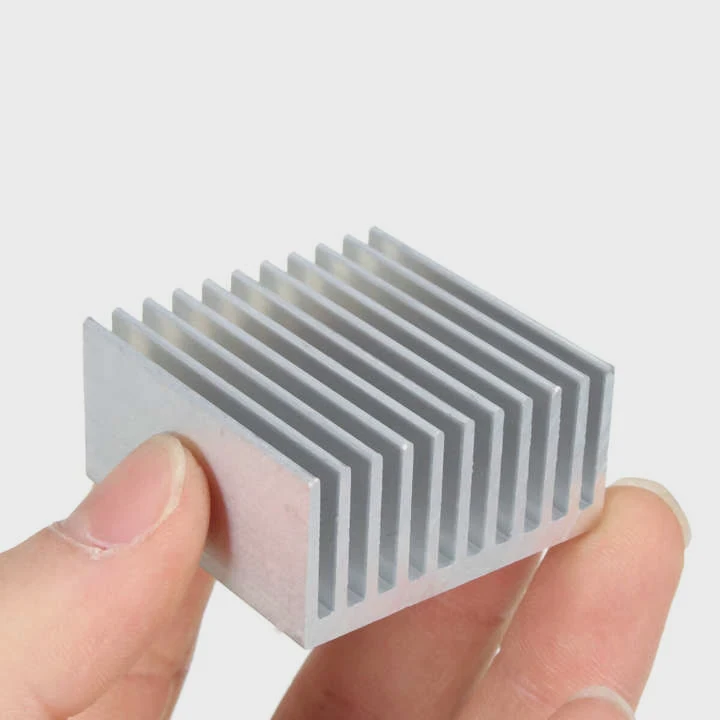
Safe use starts with understanding what the pan does well. Aluminum is light, heats fast, and responds quickly when the flame or burner changes. Those are strong points. So the goal is not to avoid every use. The goal is to avoid the wrong uses.
Choose the right foods
Use aluminum pans more for lower-risk cooking jobs. Frying eggs, sautéing vegetables, grilling sandwiches, or heating flatbreads are simple examples. These foods do not usually sit in the pan for a long time with acid or salt.
Try not to use raw aluminum for dishes like tomato pasta sauce, lemon-based reductions, vinegar braises, or long salty soups. Even if one meal seems fine, repeated use for those foods is not the best habit.
Do not store leftovers in the pan
This is one of the easiest fixes. After cooking, move food into glass, ceramic, or food-safe storage containers. That step cuts down contact time and helps with both safety and food quality.
Watch the surface condition
Look at the pan now and then. If the inside looks rough, scratched, darkened in uneven ways, or pitted, it may be time to retire it from food contact. A pan does not need to be cracked in half to become a poor choice. Surface wear matters earlier than many people think.
Cleaning matters too
Harsh scrubbing can wear the surface faster. Strong metal scrubbers and aggressive cleaners may damage the inside over time, especially on anodized or coated cookware. Gentle cleaning helps the pan last longer and keeps the surface more stable.
Safe-use checklist
| Good habit | Why it helps |
|---|---|
| Use for quick cooking | Reduces contact time |
| Avoid acidic recipes | Lowers reaction with metal |
| Move leftovers out fast | Prevents long contact |
| Clean gently | Protects the surface |
| Replace worn pans | Reduces leaching risk |
Think in terms of kitchen roles
One idea that works well is giving each pan a clear job. An aluminum pan can handle quick, everyday cooking. Stainless steel can take acidic sauces. Cast iron can handle high-heat searing. A ceramic or glass container can handle storage. This kind of setup lowers risk without making cooking hard.
I like this practical approach because it respects how real kitchens work. Most people do not want fear-based rules. They want simple rules that fit daily life. When aluminum pans are used with some care, they can remain useful tools. The key is not blind trust and not panic either. The key is using the material with a little kitchen common sense.
Conclusion
Aluminum pans are usually safe for everyday cooking, but the safest choice depends on surface condition, food type, and cooking habits. Raw aluminum needs more care. Anodized aluminum gives better protection. Good use matters as much as the material itself.