Is Aluminum Conductive?
- Yongxing
- 26 Mar ,2026
Many buyers, engineers, and product teams ask this question when material choice affects safety, cost, and performance. A wrong guess can lead to weak designs, higher losses, or poor heat control.
Yes, aluminum is conductive. It conducts both electricity and heat well, though not as well as copper on a pure material basis. Even so, its low weight, lower cost, and good overall performance make it a very useful engineering material.
That is why aluminum appears in power systems, electronics, heat sinks, enclosures, busbars, and many thermal parts. The real question is not whether aluminum conducts. The real question is how its conductivity compares, and where it gives the best value in real work.
How well does aluminum conduct electricity?
When people ask whether aluminum conducts electricity well, the honest answer is yes, it does. Aluminum is a strong electrical conductor, and that is one reason it has been used for years in power transmission, electrical components, and industrial systems. It does not match copper in pure electrical conductivity, but it still offers a high level of performance for many real uses.
Aluminum conducts electricity at about 61% of the conductivity of copper by volume. That means copper carries more current in the same cross-sectional area, but aluminum still performs very well when size, weight, and cost are part of the decision.
What conductivity really means
Electrical conductivity tells us how easily electrons move through a material. A higher value means lower resistance. Lower resistance means less energy loss as heat. In simple terms, a better conductor moves electrical current more easily.
For many buyers, the first reaction is to focus only on the top number. That makes sense at first. Still, engineering decisions are rarely based on one number alone. A conductor also needs the right weight, price, mechanical strength, corrosion behavior, and supply stability.
In practice, aluminum gives a very balanced answer. Its conductivity is high enough for many systems, and its lower density changes the full value picture.
A quick comparison
| Material | Relative Electrical Conductivity | Density | General Takeaway |
|---|---|---|---|
| Silver | ~105% IACS | High | Best conductor, but too expensive for most industrial use |
| Copper | 100% IACS | 8.96 g/cm³ | Excellent conductivity, common benchmark |
| Aluminum | ~61% IACS | 2.70 g/cm³ | Very good conductivity with much lower weight |
A useful point often gets missed here. Aluminum is much lighter than copper. So even though copper conducts better per unit volume, aluminum can be very competitive per unit weight. That matters in long cable runs, transport systems, aerospace parts, and power infrastructure.
Why this matters in real design
A design team may accept a larger aluminum cross-section to reach the needed current capacity. In many cases, that trade works well because the total part is still lighter and often less expensive. This is one reason aluminum remains important in large-scale electrical work.
I have seen many material discussions start with a simple question like, “Which metal conducts better?” That is a fair starting point, but it is not the ending point. A better question is, “Which metal gives the best performance for this job?” Once that question is on the table, aluminum becomes much more attractive.
Another issue is surface behavior. Aluminum forms a natural oxide layer in air. This layer helps protect against corrosion, but it can affect contact resistance if the joint design is poor. Because of that, connection design matters a lot. Good surface prep, correct connectors, and proper assembly methods help aluminum deliver stable electrical performance.
So, does aluminum conduct electricity well? Yes. It is not the top conductor, but it is far from weak. In many real systems, it gives the right mix of conductivity, weight control, and cost efficiency.
Is aluminum better than copper for conductivity?
This question comes up all the time, and the clean answer is no if the topic is only pure electrical conductivity. Copper is better than aluminum for conductivity. Copper carries more current through the same size conductor and usually gives lower resistance.
Copper is better than aluminum for pure conductivity. But aluminum can be better for a full project when weight, cost, corrosion behavior, and total system design matter more than having the highest conductivity in the smallest possible space.
Pure conductivity vs engineering value
A lot of confusion starts because people use the word “better” too broadly. In one narrow sense, copper wins. In a wider engineering sense, the answer depends on the job.
Copper has higher conductivity, better contact stability in many cases, and a long history in compact electrical parts. That makes it a strong choice for tight spaces, precision electronics, and cases where smaller conductor size is critical.
Aluminum, on the other hand, is much lighter and often more economical. That can reduce system weight, lower transport cost, and make handling easier. In large installations, these gains can be very important.
Side-by-side view
| Factor | Aluminum | Copper |
|---|---|---|
| Electrical conductivity | Lower | Higher |
| Weight | Much lighter | Much heavier |
| Cost | Often lower | Often higher |
| Same current capacity | Needs larger cross-section | Needs smaller cross-section |
| Ease of handling in long runs | Often easier due to low weight | Harder due to weight |
| Compact design advantage | Weaker | Stronger |
Where copper wins
Copper is often the better choice in:
- compact electronics
- high-density busbars
- small motors and transformers
- connectors with limited space
- applications where low contact resistance is critical
In these cases, the higher conductivity and smaller required size can justify the higher material cost.
Where aluminum can be the better choice
Aluminum often becomes the better choice in:
- long-distance power systems
- large cable runs
- weight-sensitive systems
- projects with strict cost targets
- parts where a larger section is acceptable
This is why material choice should not turn into a simple copper-versus-aluminum argument. Both metals are useful. The better choice depends on the design limits.
The hidden trade-offs
One point that deserves more attention is installation quality. Aluminum needs proper connector design and correct assembly practice. It expands more than copper with heat, and its oxide layer needs attention at contact points. If the joint is poorly designed, performance can suffer. If the joint is engineered well, aluminum works very effectively.
This is also where many old opinions come from. Some people still judge aluminum based on outdated cases where poor installation caused problems. Modern designs use better alloys, better joint technology, and better standards. That changes the picture a lot.
So, is aluminum better than copper for conductivity? No, not in the pure lab sense. But if the full project matters, aluminum can absolutely be the better engineering choice. That is why good teams do not ask only which metal is more conductive. They ask which metal serves the system best.
Why is aluminum used in power lines?
This is one of the clearest examples of aluminum’s value. If copper conducts better, many people ask why power lines across long distances often use aluminum instead. The answer becomes obvious once weight and economics enter the picture.
Aluminum is used in power lines because it offers strong electrical performance at a much lower weight and often lower cost than copper. For long spans and large networks, that balance makes aluminum more practical than copper.
Weight changes everything
Overhead power lines need more than conductivity. They must also span long distances between towers. A heavier conductor increases mechanical load on the support structure. That can raise tower cost, foundation needs, and installation difficulty.
Aluminum helps solve that problem because it is far lighter than copper. Even when a larger cross-section is needed, the overall conductor can still be much lighter. This is a major advantage in transmission systems.
Common reason power companies choose aluminum
Power utilities often care about the full line system, not just the metal itself. They look at:
- conductor cost
- tower loading
- installation ease
- sag behavior
- long-span efficiency
- maintenance economics
In that full picture, aluminum performs very well.
Aluminum in reinforced designs
Many overhead conductors are not pure soft aluminum alone. They often use reinforced designs, such as aluminum conductor steel reinforced, where aluminum carries current and a steel core adds mechanical strength. This combination gives a practical balance between electrical function and structural support.
That tells us something important. Real engineering often uses systems, not perfect pure materials. A power line is a design solution, not a classroom chart.
Why aluminum makes business sense
For large power projects, small differences in material strategy create huge cost effects. A network may use massive amounts of conductor. Lower material cost and lower structural demand can create major savings across the project life.
I have always found this part interesting because it shows how engineering and business move together. A material does not win just because it has the best single number. It wins because it helps the whole system work better at scale.
Challenges that must be managed
Aluminum is not perfect in power lines. Engineers must still manage thermal expansion, connection quality, and mechanical behavior over time. Joints and terminations need the right design. Corrosion compatibility with other metals must also be considered.
Still, these are manageable design issues, not reasons to reject the material. The long history of aluminum in power transmission shows that clearly.
So why is aluminum used in power lines? Because the job is not only about carrying current. It is also about spanning distance, controlling weight, reducing cost, and building networks that are practical to install and maintain. Aluminum fits that mission very well.
Does aluminum conduct heat effectively?
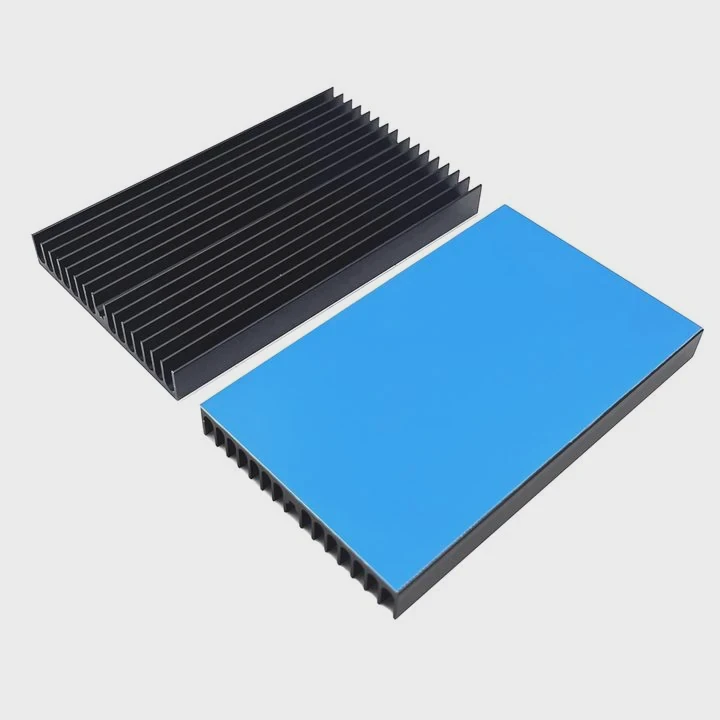
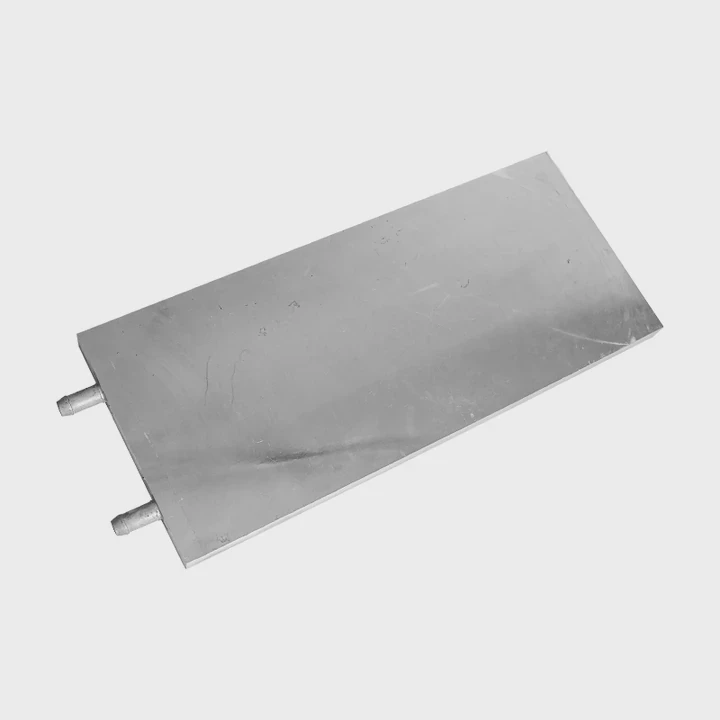
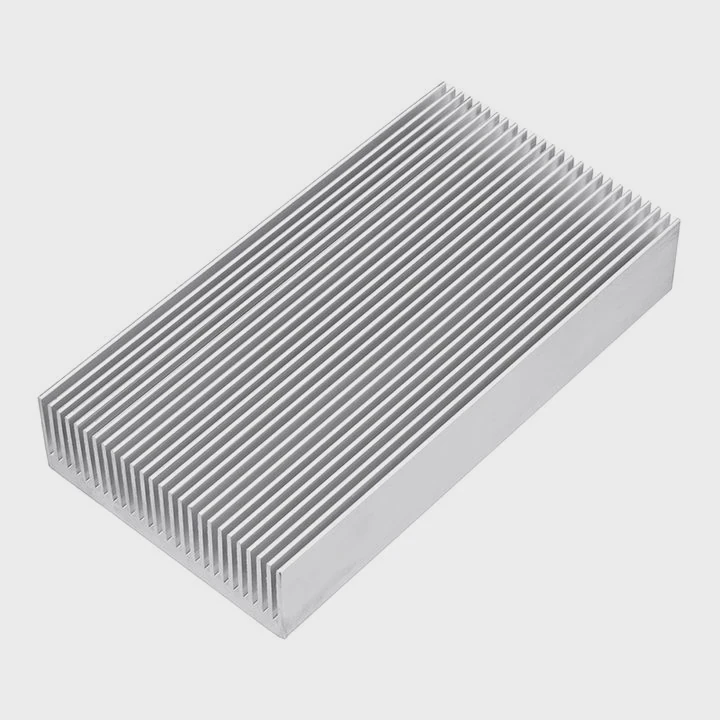
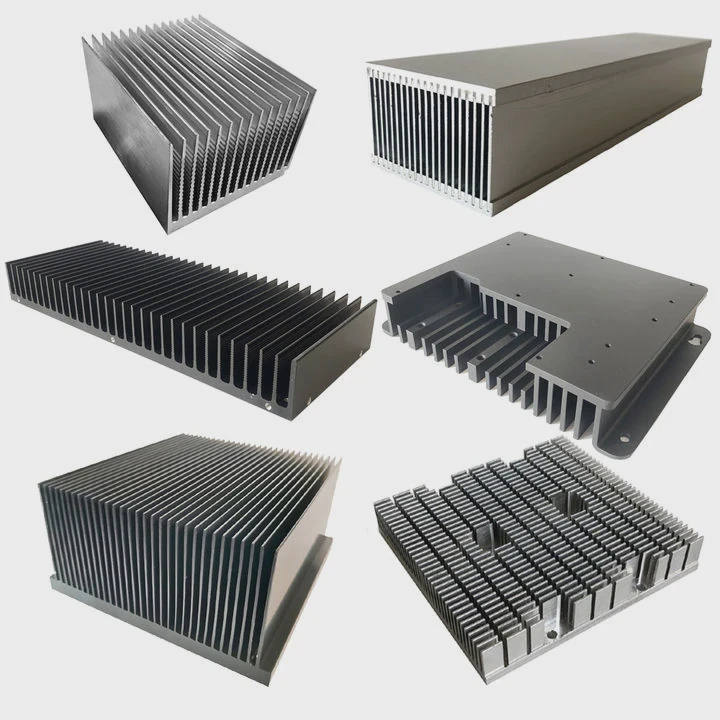
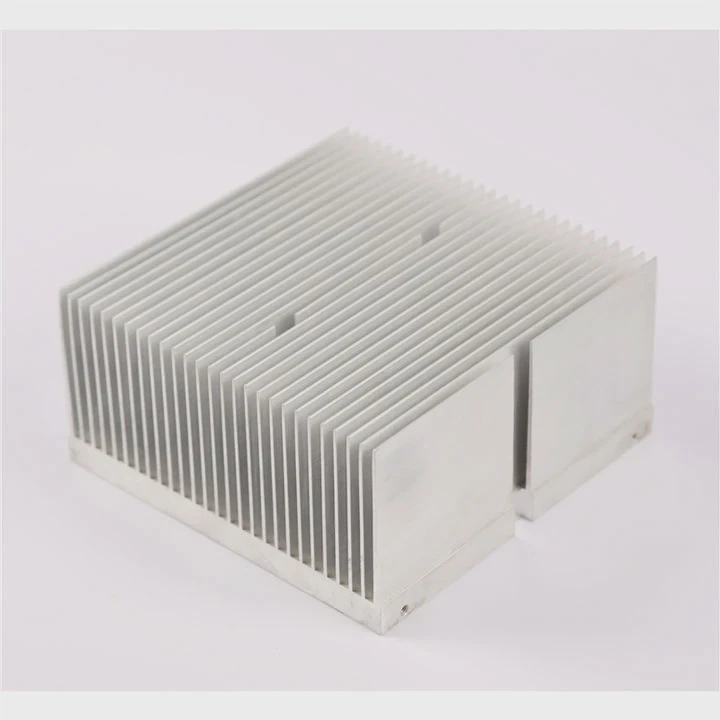
Yes, aluminum conducts heat effectively, and this is one reason it is widely used in heat sinks, housings, cold plates, LED systems, battery packs, and many thermal structures. It is not the highest thermal conductor among common metals, but it is one of the most useful in real products.
Aluminum conducts heat well enough for many demanding thermal applications. It offers a strong mix of heat transfer, low weight, easy forming, corrosion resistance, and cost control, which is why it is common in heat sinks and cooling systems.
Thermal conductivity in simple terms
Thermal conductivity tells us how easily heat moves through a material. In cooling design, that matters because heat must leave the source and spread through the sink or structure. A material with good thermal conductivity helps reduce hot spots and improves temperature control.
Copper conducts heat better than aluminum, just as it conducts electricity better. Still, aluminum remains a top practical choice because it gives very solid thermal performance while staying light and easier to manufacture in many forms.
Why aluminum works so well in heat sinks
A good heat sink needs more than a high thermal conductivity number. It also needs:
- low weight
- good machinability or extrudability
- stable supply
- reasonable cost
- good corrosion resistance
- design flexibility for fins, bases, and custom shapes
Aluminum checks all of these boxes. That is why it appears in so many cooling products.
Thermal comparison snapshot
| Material | Thermal Conductivity (general range) | Weight | Typical Use Direction |
|---|---|---|---|
| Copper | Higher | Heavy | Compact high-performance cooling |
| Aluminum | High | Light | Broad-use heat sinks and thermal structures |
| Stainless steel | Much lower | Medium-high | Structural parts, not ideal for heat transfer |
Heat transfer is more than one material number
This is where many people simplify too much. A cooling part does not succeed only because the raw metal conducts heat well. Its shape, surface area, airflow path, contact flatness, interface material, assembly pressure, and system layout all matter.
A well-designed aluminum heat sink can outperform a poorly designed copper part in real use. That is not because aluminum suddenly became more conductive. It is because system design matters more than one raw number.
Why aluminum stays popular in thermal management
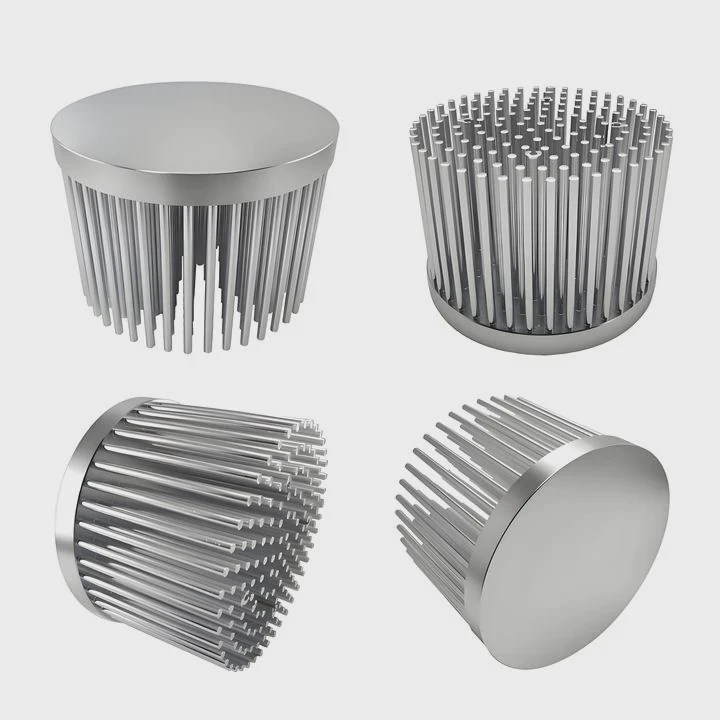
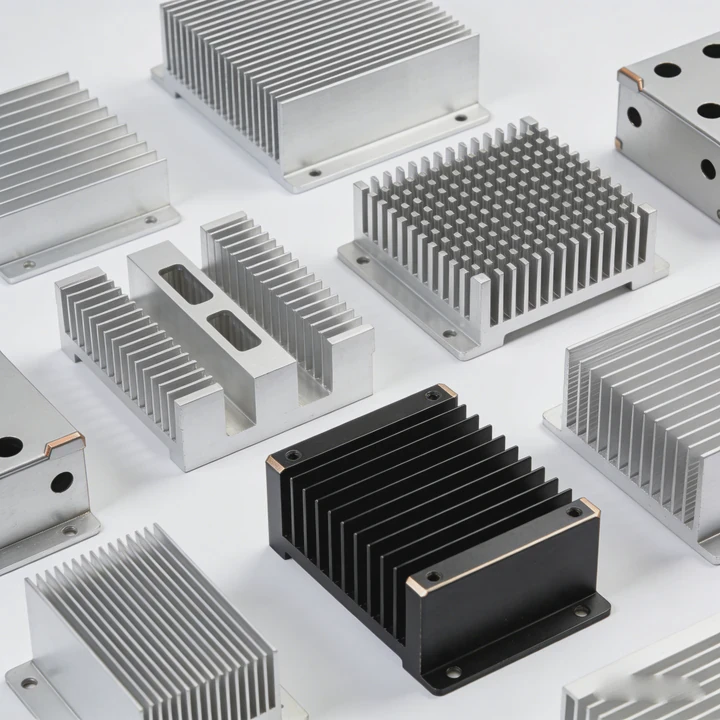
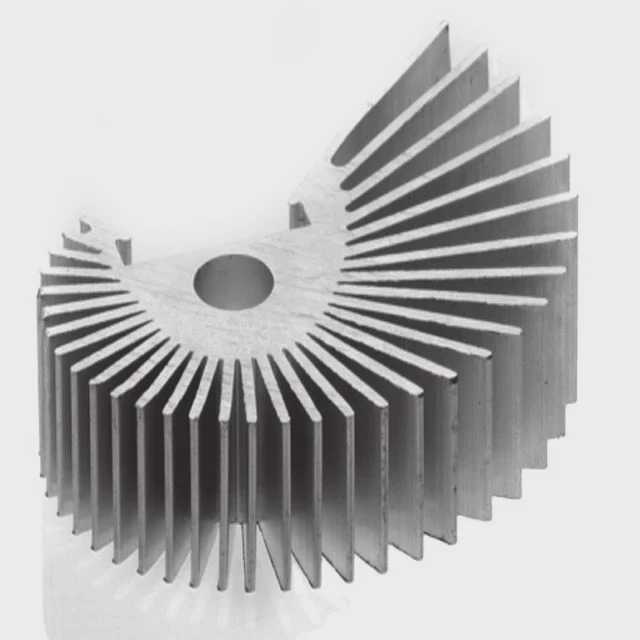
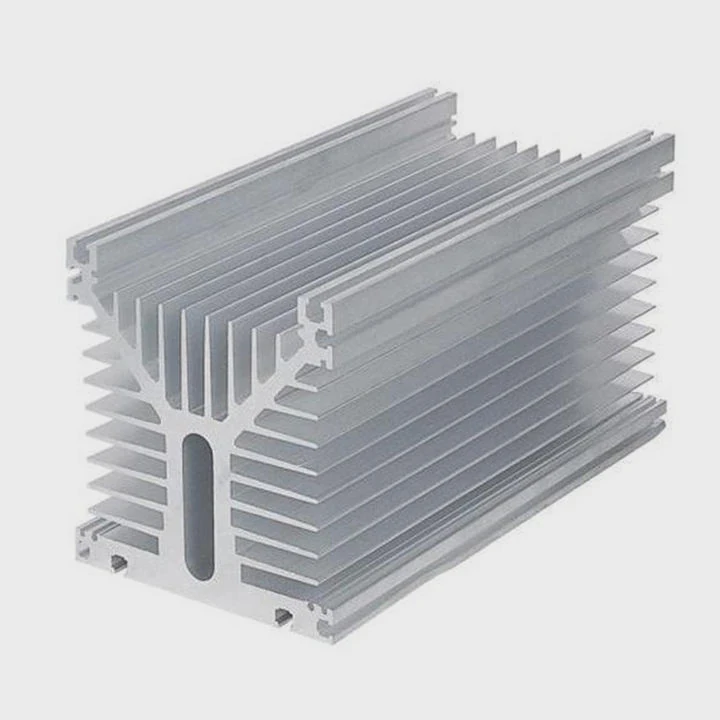
In thermal systems, aluminum offers freedom. It can be extruded into complex fin profiles. It can be machined into custom bases. It can be joined into larger structures. It can support lightweight assemblies in electronics, power modules, transport systems, and industrial equipment.
That flexibility is a big reason many thermal products use aluminum as the base material. In many cases, the best answer is not copper alone or aluminum alone, but a hybrid approach. A designer may use copper near the heat source and aluminum in the wider heat-spreading structure to balance performance and cost.
From a practical view, aluminum conducts heat effectively enough to be one of the most important thermal materials in industry. That is why it continues to appear in standard heat sinks, custom cooling assemblies, and advanced thermal management systems. The material gives a strong mix of performance, manufacturability, and value, and that mix is often what makes a design successful.
Conclusion
Aluminum is a conductive metal in both electrical and thermal terms. It does not beat copper in pure conductivity, but it wins many real-world projects through lower weight, good performance, and better overall value.