Can Aluminum Be Painted?
- Yongxing
- 06 Mar ,2026
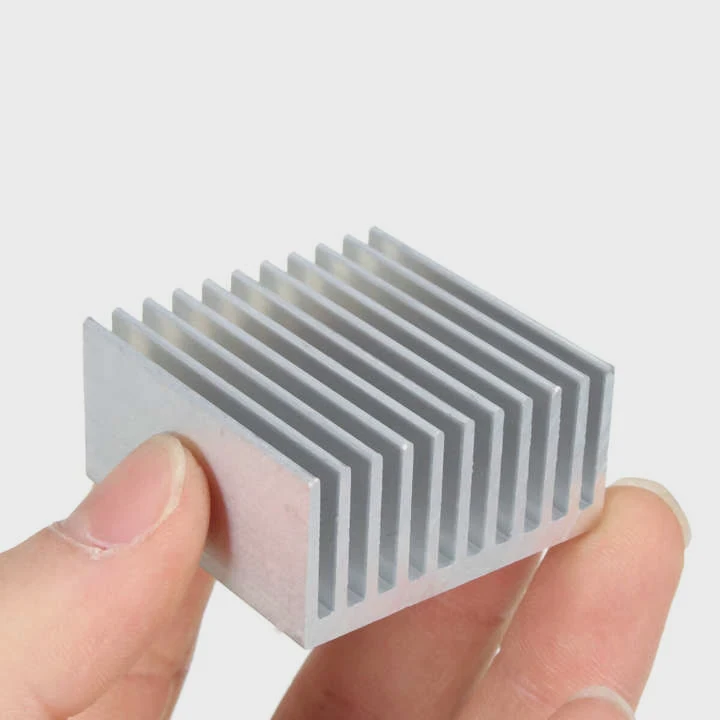
Aluminum is everywhere, from cars to electronics. But painting it is tricky. How can we make paint stick and last?
Yes, aluminum can be painted, but it needs the right preparation, primer, and paint type to ensure durability and adhesion. Proper steps prevent peeling and corrosion.
Painting aluminum is not just about brushing on color. It involves careful cleaning, surface treatment, priming, and selecting the right paint. Skipping steps leads to peeling or short-lived results. Let’s explore each key step in detail.
What surface treatment is required before painting aluminum?
Aluminum surfaces often have oxidation and oils that prevent paint from adhering properly. Cleaning is the first critical step.
Before painting, aluminum must be cleaned, deoxidized, and lightly roughened. This ensures the paint bonds strongly and resists peeling over time.
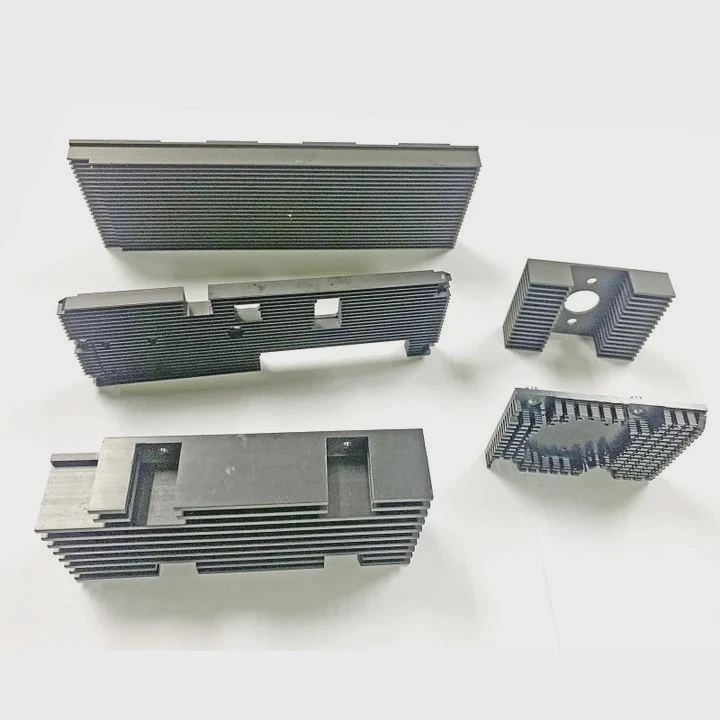
Proper surface preparation involves multiple steps. First, degreasing removes oils and residues from manufacturing or handling. You can use mild solvents or detergent solutions. Next, deoxidation removes the thin aluminum oxide layer, which can interfere with adhesion. A common method uses acidic cleaners that etch the surface slightly. This creates micro-roughness, helping the paint cling.
Mechanical Methods
Sanding or abrasive blasting can also roughen the aluminum. Fine-grit sandpaper or bead blasting creates small grooves. These grooves increase surface area for paint bonding. Sanding must be uniform to avoid uneven paint thickness. For large parts, abrasive blasting is faster and more consistent.
Chemical Methods
Chemical etching or conversion coatings are another option. Chromate or phosphate treatments are common in industrial applications. They not only clean the surface but also improve corrosion resistance. After etching, rinse thoroughly and dry the surface to avoid residues that weaken adhesion.
Table: Surface Treatment Steps
| Step | Purpose | Method Example |
|---|---|---|
| Degreasing | Remove oils and contaminants | Mild solvent, detergent |
| Deoxidation | Remove aluminum oxide, increase roughness | Acidic cleaner, phosphoric acid |
| Mechanical Roughening | Increase paint adhesion | Sandpaper, bead blasting |
| Conversion Coating | Improve corrosion resistance | Chromate or phosphate treatment |
Surface preparation is the foundation of long-lasting paint. Skipping even one step can lead to peeling, bubbling, or rust formation under the paint. Proper prep saves time and prevents future repairs.
Why is primer essential when painting aluminum?
Paint alone often fails on aluminum because of poor adhesion and corrosion risk. Primer is the protective layer that connects paint and metal.
Primer acts as a bridge between aluminum and topcoat, improving adhesion, preventing oxidation, and extending the painted surface’s lifespan.
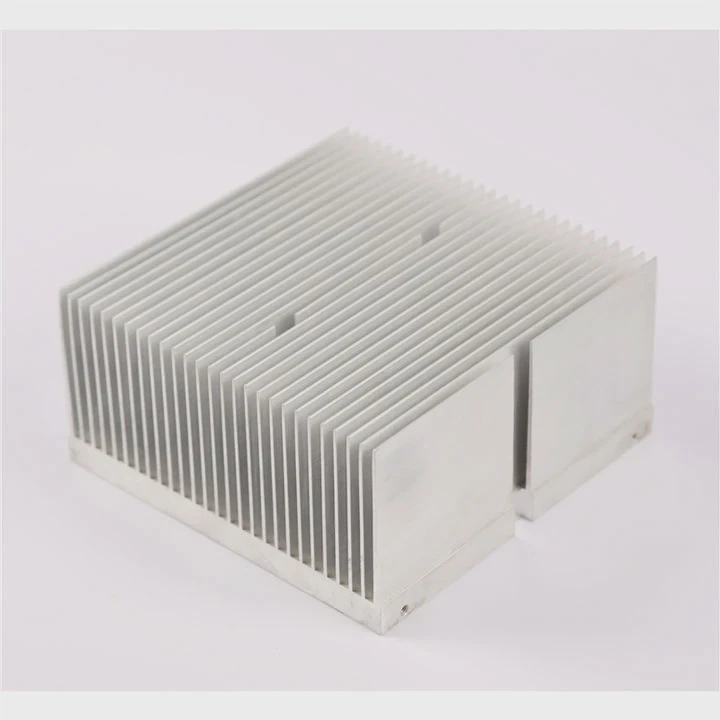
Primers are specially formulated for metals. They contain chemicals that bond with aluminum while providing a good surface for paint to stick. Without primer, paint may slide or flake over time.
Types of Primer for Aluminum
- Epoxy Primers: Excellent corrosion resistance and strong adhesion. Often used for outdoor or industrial parts.
- Zinc-Rich Primers: Provide extra protection against corrosion. Useful for marine or humid environments.
- Self-Etching Primers: Contain mild acids that slightly etch the aluminum. Combine cleaning and priming in one step.
Primer Application Tips
- Apply in thin, even coats to avoid drips.
- Allow proper drying or curing time before applying paint.
- Sand lightly between primer coats if needed for a smoother surface.
Table: Primer Selection Guide
| Primer Type | Best Use Case | Key Feature |
|---|---|---|
| Epoxy Primer | Industrial, outdoor parts | High adhesion, corrosion resistance |
| Zinc-Rich Primer | Marine, humid environments | Extra corrosion protection |
| Self-Etching Primer | Quick preparation, small projects | Etches and primes simultaneously |
Primer ensures paint lasts longer and protects aluminum from corrosion. Skipping primer is a common mistake that leads to early failure.
Which types of paint adhere best to aluminum?
Not all paints stick to aluminum. The surface chemistry and type of paint determine durability.
Oil-based, acrylic, and specially formulated metal paints adhere best. They combine flexibility, corrosion protection, and color retention for long-lasting results.
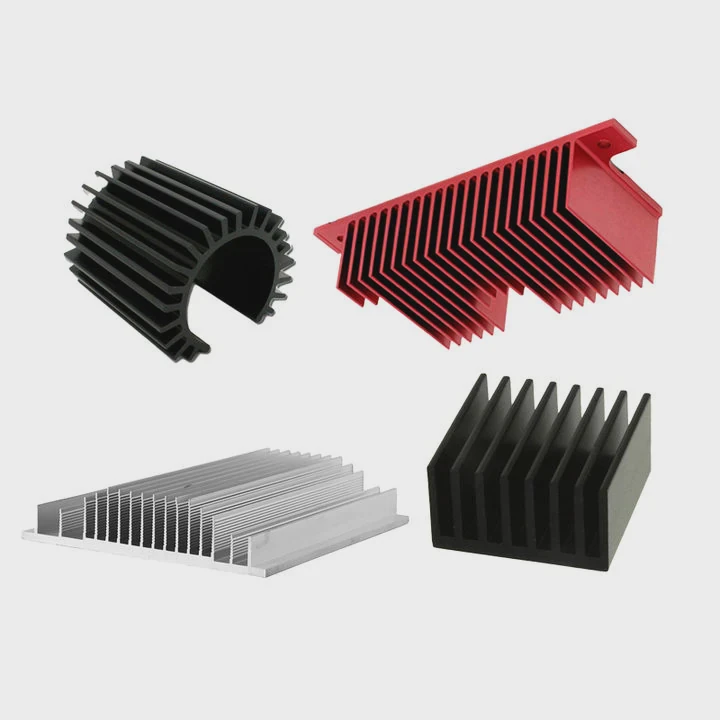
Acrylic paints are popular because they are flexible and resist cracking. They can be applied as brush, spray, or roller coatings. Oil-based paints penetrate slightly into the primer layer, offering strong adhesion. Some modern urethane paints are designed specifically for metal and aluminum.
Factors Affecting Paint Adhesion
- Surface roughness – Slightly rough surfaces hold paint better.
- Primer compatibility – Matching primer and paint chemistry prevents peeling.
- Environmental exposure – UV, humidity, and temperature affect paint longevity.
- Curing process – Proper drying or baking ensures a solid bond.
Practical Tips
- Avoid painting over glossy or untreated aluminum.
- Test a small area to check adhesion before large-scale painting.
- Use thin coats to prevent runs and uneven texture.
Table: Recommended Paints for Aluminum
| Paint Type | Features | Best Use Case |
|---|---|---|
| Acrylic Paint | Flexible, easy to apply | Indoor/outdoor aluminum parts |
| Oil-Based Paint | Strong adhesion, durable | Decorative or industrial use |
| Urethane Paint | High gloss, UV resistant | Automotive and machinery |
Selecting the right paint increases durability and saves maintenance costs. Always consider environmental conditions and surface preparation.
Is powder coating better than painting aluminum?
Powder coating is a dry finishing process that offers a thick, durable layer. It is different from traditional liquid paint.
Powder coating provides stronger adhesion, superior corrosion resistance, and a smoother finish compared to conventional paint on aluminum.
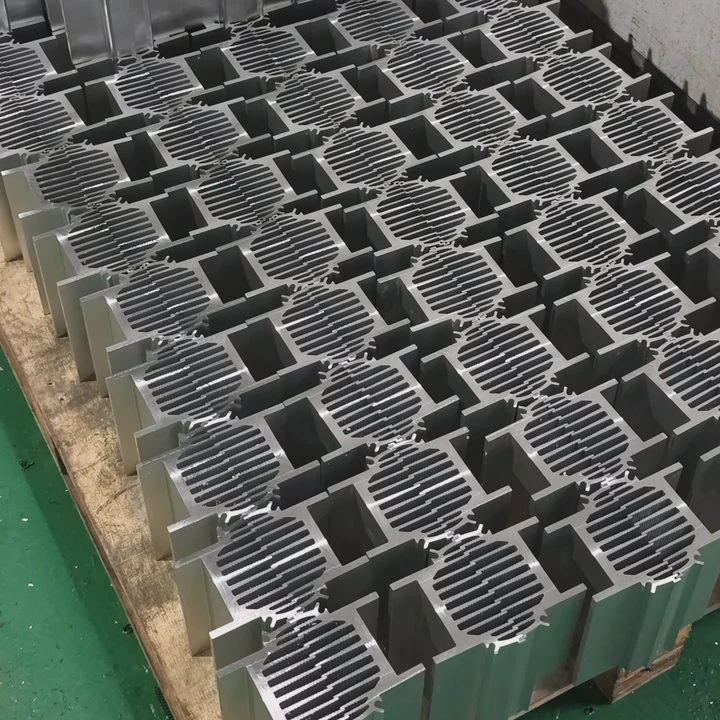
Powder coating involves electrostatically applying powder and then baking it to fuse the coating. This creates a hard, even surface that resists scratching, chipping, and fading. It is often preferred for high-wear applications like outdoor furniture, automotive parts, and industrial equipment.
Advantages of Powder Coating
- Durability – Resists abrasion, chemicals, and weathering.
- Uniform coverage – Covers edges and complex shapes better.
- Environmental safety – Less VOC compared to liquid paint.
- Thickness control – Easy to apply thicker coats without runs.
Limitations
- Requires specialized equipment and curing ovens.
- Hard to touch up minor scratches compared to liquid paint.
- More expensive for small projects.
Powder Coating vs. Traditional Paint
| Feature | Powder Coating | Liquid Paint |
|---|---|---|
| Durability | Very high | Medium |
| Corrosion Protection | Excellent | Good with primer |
| Application | Electrostatic + baking | Brush, spray, roller |
| Cost | Higher upfront | Lower upfront |
| Touch-up | Difficult | Easy |
Powder coating is ideal for industrial, automotive, and outdoor aluminum parts. For small DIY projects, liquid paint may be more convenient. Ultimately, the choice depends on the application, budget, and performance requirements.
Conclusion
Aluminum can be painted successfully if properly cleaned, primed, and coated with compatible paint. Powder coating offers a more durable alternative, especially for industrial or outdoor use. Following these steps ensures long-lasting results and protects aluminum from corrosion.