How Many Cans Are in a Pound of Aluminum?
- Yongxing
- 09 Mar ,2026
Every day, millions of aluminum cans are thrown away. Many people recycle them, but few know how many cans actually make one pound of aluminum. This small question often causes confusion.
About 32 empty aluminum beverage cans equal one pound of aluminum on average. The number can change slightly depending on can size, thickness, and whether the cans are crushed or intact.
Understanding this simple calculation helps recyclers, manufacturers, and engineers better estimate aluminum value, material weight, and recycling efficiency.
What is the average weight of one aluminum can?
Many people assume aluminum cans are heavy. In reality, modern cans are extremely light because manufacturers constantly reduce material usage.
A standard empty aluminum beverage can usually weighs about 14–15 grams, which means roughly 32 cans equal one pound of aluminum.
Aluminum can design has changed a lot over the past decades. Early aluminum cans were much thicker. Today, manufacturers focus on lightweight engineering to reduce cost and material usage.
Why aluminum cans are so light
Several design improvements allow modern cans to stay strong while using less metal:
- Thinner aluminum walls
- Dome-shaped bottoms that increase strength
- Improved alloy composition
- High-precision forming technology
These improvements allow beverage companies to produce billions of cans with minimal aluminum consumption.
Average weight comparison
The table below shows typical weights for common aluminum beverage cans.
| Can Type | Typical Volume | Average Weight | Cans per Pound |
|---|---|---|---|
| Standard soda can | 12 oz (355 ml) | 14–15 g | ~32 |
| Slim energy drink can | 8.4 oz (250 ml) | 13–14 g | ~34 |
| Tall beverage can | 16 oz (473 ml) | 15–16 g | ~30 |
Because one pound equals 453.6 grams, dividing this number by the weight of a single can gives a rough estimate of cans per pound.
Lightweight engineering in aluminum
Modern aluminum packaging uses a principle called material optimization. Engineers remove every unnecessary gram while keeping the can strong enough to hold pressure from carbonated drinks.
This design process includes:
- Finite element simulations
- Metal forming experiments
- Pressure resistance testing
Manufacturers test cans to ensure they survive shipping, stacking, and storage.
Why this matters in recycling
Recycling companies use these weight averages to estimate large volumes of aluminum scrap. For example, if a recycling center collects 3,200 cans, the approximate aluminum weight can be estimated as:
3,200 cans ÷ 32 cans per pound ≈ 100 pounds of aluminum
These quick calculations help recycling facilities determine scrap value and transportation loads.
Even small weight differences can affect large-scale recycling operations. When millions of cans are processed daily, even a one-gram change in can weight can shift total aluminum volume significantly.
Why does can size affect aluminum weight calculations?
Many people assume every aluminum can weighs the same. In reality, can size and design directly influence aluminum weight.
Larger cans usually contain more aluminum, while smaller or slimmer cans often use slightly less material. This difference changes how many cans equal one pound.
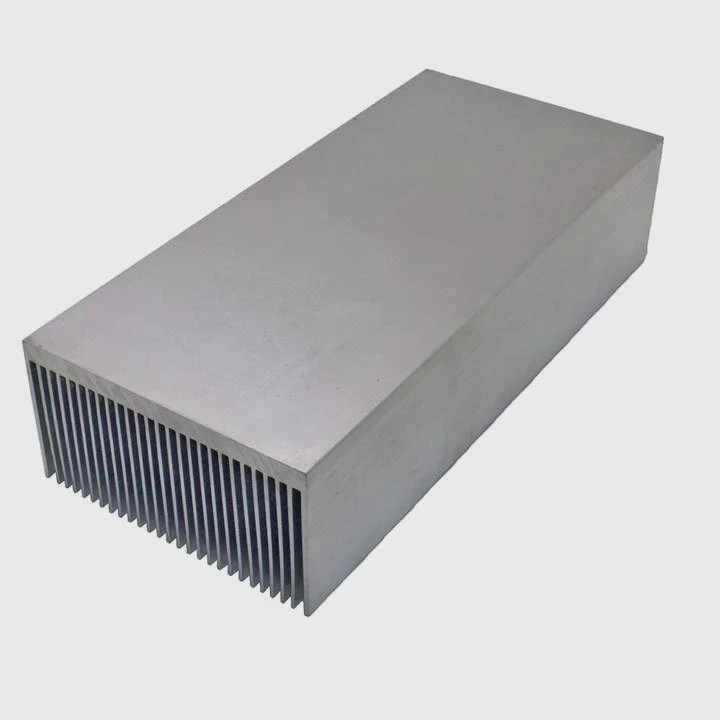
Although beverage cans may look similar, several factors influence their aluminum weight.
Main factors affecting can weight
Manufacturers adjust aluminum usage depending on the product and container design.
Key variables include:
- Can height
- Can diameter
- Wall thickness
- Pressure resistance requirements
- Beverage carbonation level
For example, highly carbonated drinks require stronger cans. These cans may use slightly thicker aluminum.
Size comparison of common cans
Different beverage categories use different can formats.
| Beverage Type | Typical Can Size | Average Aluminum Weight | Estimated Cans per Pound |
|---|---|---|---|
| Soda | 12 oz | 14–15 g | ~32 |
| Energy drink | 8.4 oz slim | 13–14 g | ~34 |
| Craft beer | 16 oz | 15–16 g | ~30 |
| Large beer can | 24 oz | 18–20 g | ~23 |
These differences may look small. However, they create noticeable changes when calculating aluminum weight at scale.
Manufacturing differences between cans
Another reason weight varies is manufacturing technology. Different factories use slightly different forming processes.
Common production methods include:
- Deep drawing and ironing
- Wall thinning processes
- Precision trimming
Each step removes excess metal and improves consistency.
Lightweight trends in packaging
Aluminum can manufacturers have steadily reduced metal usage over time.
Decades ago, a standard aluminum can weighed around 19 grams. Modern engineering reduced this to about 14 grams, which represents nearly a 25% material reduction.
This change saves enormous amounts of aluminum globally. Beverage companies produce hundreds of billions of cans each year, so even small reductions save thousands of tons of metal.
Implications for aluminum recycling
When recyclers estimate aluminum scrap weight, they often use average can weight models rather than counting individual cans.
However, mixed can sizes can shift the final estimate.
For example:
- A batch of mostly energy drink cans may contain more cans per pound.
- A batch of mostly large beer cans may contain fewer cans per pound.
Because of this, recycling facilities often measure total weight directly instead of relying only on can counts.
How do recyclers estimate aluminum can weight?
Recycling facilities process massive volumes of aluminum cans every day. Counting individual cans is not practical, so recyclers rely on weight estimation methods.
Most recyclers estimate aluminum can weight by weighing bulk material and using average can weight models rather than counting individual cans.
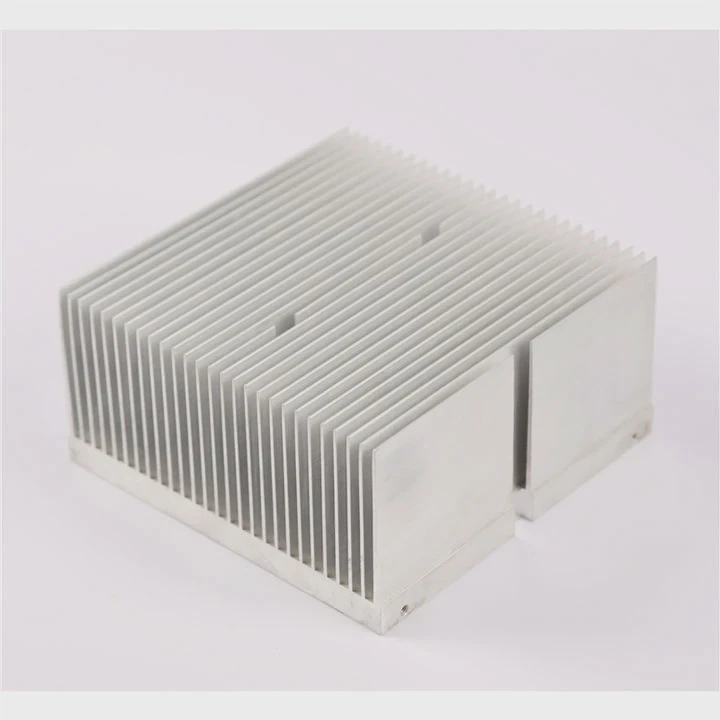
The recycling process focuses on speed, efficiency, and accurate material valuation.
The typical aluminum can recycling process
The process usually follows several basic steps.
- Collection
- Sorting
- Crushing or baling
- Weighing
- Melting and refining
Each step helps prepare the aluminum for reuse in manufacturing.
Bulk weighing methods
Recycling centers usually measure aluminum cans in large batches using industrial scales.
Common measurement units include:
- Pounds
- Kilograms
- Metric tons
Instead of counting cans, recyclers weigh containers filled with cans and subtract the container weight.
Estimating can counts
Sometimes recyclers still estimate the number of cans for reporting or environmental statistics.
They often use the standard assumption:
1 pound of aluminum ≈ 32 beverage cans
Using this ratio, recyclers can estimate large quantities quickly.
For example:
| Aluminum Weight | Estimated Number of Cans |
|---|---|
| 1 pound | ~32 cans |
| 10 pounds | ~320 cans |
| 100 pounds | ~3,200 cans |
| 1,000 pounds | ~32,000 cans |
These estimates help governments and recycling programs track material recovery rates.
High-volume recycling operations
Large recycling facilities process tens of thousands of pounds of aluminum cans daily.
Machines compress cans into dense blocks called bales. These bales are easier to transport and melt.
A typical aluminum bale may weigh:
- 1,000 to 1,500 pounds
- Contain roughly 32,000 to 48,000 cans
Why accurate weight matters
Aluminum scrap has real market value. Recycling companies sell recovered aluminum to smelters and manufacturers.
Precise weight measurement ensures:
- Fair scrap pricing
- Efficient transportation planning
- Accurate recycling statistics
Because aluminum is 100% recyclable, most beverage cans return to new cans within about 60 days.
This fast recycling loop makes aluminum one of the most valuable packaging materials in the recycling industry.
Can crushed cans change pound calculations?
Many people crush aluminum cans before recycling them. This practice saves storage space, but it raises an interesting question about weight calculations.
Crushing cans does not change their aluminum weight, but it can affect counting estimates and storage efficiency.

When a can is crushed, the aluminum material stays the same. Only the shape changes.
Why crushing cans helps recycling
Crushing cans offers several practical advantages.
- Saves storage space
- Makes transportation more efficient
- Allows more cans to fit in recycling bins
- Reduces handling volume
For households and recycling centers, this space reduction is important.
Weight remains unchanged
From a physics standpoint, crushing does not remove aluminum. The metal simply folds into a smaller form.
For example:
| Can Condition | Weight | Volume |
|---|---|---|
| Uncrushed can | Same weight | Large |
| Crushed can | Same weight | Much smaller |
Because weight stays constant, 32 crushed cans still equal roughly one pound.
When crushing may affect estimates
While weight stays the same, crushed cans can affect visual estimates.
If someone fills a bag with crushed cans, the bag may hold far more cans than expected.
This can create confusion when estimating can counts without weighing them.
Recycling facility considerations
Some recycling systems prefer uncrushed cans because automated sorting machines identify materials more easily when containers keep their shape.
However, many facilities accept crushed cans without any problem.
Modern recycling plants use advanced sorting technologies such as:
- Magnetic separation
- Eddy current separators
- Optical sorting systems
These machines can identify aluminum regardless of the can shape.
The real takeaway
Crushing cans mainly affects volume, not mass.
So when calculating aluminum weight, recyclers always rely on scales, not visual counts.
Whether cans are crushed, dented, or perfectly intact, the aluminum inside remains the same. That metal will eventually be melted and reused in new products.
Conclusion
About 32 aluminum beverage cans equal one pound of aluminum, though the number varies slightly depending on can size and thickness. Recycling centers rely on weight measurements rather than counting cans, and crushing cans only changes volume—not the aluminum mass.