Does Aluminum Conduct Electricity?
- Yongxing
- 31 Mar ,2026
Many buyers worry about conductivity, cost, and safety at the same time. That mix often makes material choice harder than it should be.
Yes, aluminum conducts electricity well. It is not as conductive as copper, but it offers a strong balance of conductivity, low weight, lower cost, and good performance in many power and thermal applications.
That is why aluminum stays in the discussion whenever engineers compare metals for cables, busbars, enclosures, and thermal parts. The real question is not only whether aluminum conducts electricity. The real question is when it is the better choice.
How Conductive Is Aluminum Compared to Copper?
Many engineers start with copper because it has a strong reputation. But that habit can hide better options for weight, cost, and scale.
Aluminum has about 61% of copper’s electrical conductivity by volume, but it delivers useful conductivity at much lower weight and often at lower total system cost.
When people compare metals, they often look at conductivity first. That makes sense, but it is only one part of the decision. Copper is the better conductor in a direct one-to-one volume comparison. That fact is clear and important. Still, aluminum performs well enough in many systems, and its lower density changes the whole design picture.
Conductivity by the numbers
A simple comparison helps:
| Material | Relative Electrical Conductivity | Density | Main Benefit |
|---|---|---|---|
| Copper | 100% | High | Best pure conductivity |
| Aluminum | ~61% | Low | Light weight and lower cost |
| Brass | Lower than aluminum | Medium to high | Machining and strength |
| Steel | Much lower | High | Strength, not conductivity |
This means aluminum needs a larger cross-sectional area than copper to carry the same current with similar resistance. But aluminum is much lighter. In many designs, that trade is worth it. A larger aluminum conductor can still weigh less than a smaller copper conductor.
Why buyers still choose aluminum
In real projects, engineers do not buy conductivity alone. They buy a full result. That result includes:
Lower total weight
A light conductor is easier to move, install, and support. This matters in rail systems, renewable energy, battery systems, and large industrial frames.
Better cost control
Copper prices are often higher and more volatile. Aluminum helps reduce material cost, especially in large-volume production or long cable runs.
Good enough conductivity for many systems
Many power and thermal systems do not need the maximum possible conductivity. They need stable and predictable performance inside a target cost.
That is where aluminum becomes attractive. A design team may accept a thicker aluminum part if it gains lower weight, easier scaling, or better supply economics.
A practical design view
In custom thermal and electrical assemblies, the best choice depends on the full structure. A copper part may win in tight spaces where every millimeter matters. Aluminum may win when mass, price, and production volume matter more. This is why good design work does not stop at a material datasheet. It looks at heat, current, size, joining, surface treatment, and life cycle together.
Why Is Aluminum Used in Power Lines?
Power transmission needs long-distance performance at low cost. Heavy materials create more stress, more support needs, and more system burden.
Aluminum is used in power lines because it offers good electrical conductivity with very low weight, which makes long spans easier, cheaper, and more practical than using copper alone.
Power lines are one of the clearest examples of aluminum’s value. At first glance, some people expect copper to dominate because copper conducts better. But overhead transmission is not only about conductivity. It is also about weight, span length, support structure, and installation economics.
Low weight changes everything
A conductor in the air must support itself across long distances. If it is too heavy, the line sags more. Then the system needs stronger towers, shorter spans, or both. All of that raises project cost.
Aluminum helps reduce that burden. Its low density allows utilities to use larger conductors without the same weight penalty that comes with copper. That is a major reason why aluminum became standard in many overhead line designs.
Steel reinforcement adds strength
Pure aluminum is not always enough by itself for mechanical load. That is why many overhead conductors use steel-reinforced aluminum designs. In these structures, aluminum carries most of the electrical current, while the steel core helps with tensile strength.
This split of roles is smart and efficient. One material supports conductivity. The other supports structure.
| Power Line Need | Why Aluminum Helps | Design Result |
|---|---|---|
| Long spans | Low density | Less sag and easier support |
| Cost control | Lower material cost than copper in many cases | Better large-scale economics |
| Current carrying | Good conductivity | Reliable electrical transmission |
| Outdoor use | Forms oxide layer | Useful natural corrosion resistance |
Corrosion behavior also matters
Aluminum forms a thin oxide layer on its surface. That layer helps protect the metal in many outdoor environments. It does not mean aluminum is perfect in every condition. Contact design, environment, and maintenance still matter. But for overhead power use, aluminum offers a practical balance of performance and durability.
The real reason utilities trust it
The choice of aluminum in power lines is not based on one property. It is based on system logic. Utilities look at total installed cost, mechanical load, service life, and energy performance. In that larger view, aluminum often wins.
I have seen many buyers focus first on the conductivity percentage. That is normal. But after a full engineering review, they often shift toward system value. Power lines show that lesson clearly. A material does not need to be number one in one metric to become number one in the market.
Does Aluminum Conductivity Change With Temperature?
A metal can look excellent on paper at room temperature but act differently under real heat. That gap can cause wrong assumptions in design.
Yes, aluminum conductivity changes with temperature. As temperature rises, aluminum’s electrical resistance increases, so its conductivity drops compared with its room-temperature performance.
Temperature affects all conductive metals, and aluminum is no exception. This is a basic but very important rule in electrical design. When aluminum gets hotter, the movement of electrons becomes less efficient because atomic vibration increases. In simple terms, more heat means more resistance.
What that means in practice
If a conductor runs at a higher temperature, it loses some conductivity. This affects current carrying behavior, voltage drop, and heat build-up. In compact systems, this can become a chain reaction. More current creates more heat. More heat raises resistance. More resistance creates more losses.
That is why design teams must not look at conductivity as a fixed number. The real performance depends on the working condition.
Key factors that influence conductivity in use
Ambient temperature
A conductor in cool air behaves differently from one inside a sealed cabinet or near a hot power module.
Current load
Higher current creates self-heating. That changes resistance during operation.
Joint quality
Bad joints add local resistance. Local resistance creates hotspots. Hotspots then affect nearby conductivity.
Surface and structure
Coatings, contact pressure, geometry, and assembly quality all shape final performance.
A simple engineering view
| Operating Condition | Effect on Aluminum | Design Concern |
|---|---|---|
| Higher temperature | Higher resistance | Lower conductivity |
| Higher current | More self-heating | Possible thermal rise |
| Poor connection | Local heat increase | Unstable performance |
| Better cooling | Lower operating temperature | More stable conductivity |
Why this matters for thermal and electrical products
This is one reason why thermal management and electrical design should work together. A conductor is not just an electrical path. It is also a heat path and a heat source. In high-power systems, that link becomes very important. A smart design uses the right cross section, the right joining method, and the right cooling support.
In many custom projects, the best solution is not just “use aluminum” or “use copper.” The better answer is to build the structure around the real thermal load. A larger aluminum path, strong contact design, and stable cooling can create a reliable and cost-effective system. But that result depends on engineering discipline.
I always suggest looking at real operating temperature, not only catalog temperature. The lab number is a starting point. The working number is what protects the project.
Is Aluminum Good Conductor for Electronics?
Electronics need stable current paths, compact size, and dependable long-term behavior. That often makes engineers cautious about aluminum.
Aluminum can be a good conductor for electronics in the right role, especially in housings, heat-related structures, busbars, and power systems, but copper is often preferred for fine circuits and very compact high-precision connections.
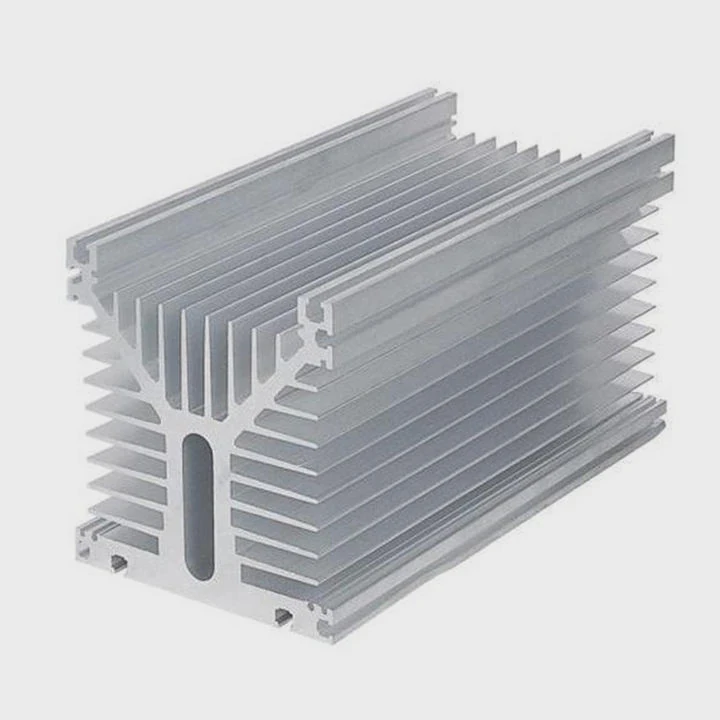
This question needs a careful answer because “electronics” covers a wide range of products. A phone circuit board, an industrial inverter, a battery pack, and a rail control cabinet do not have the same needs. Aluminum can work very well in electronics, but not in every layer of the system.
Where aluminum works well
Aluminum is often a strong choice in these areas:
Power electronics structures
In power conversion equipment, battery systems, and industrial controls, aluminum can be used in busbars, enclosures, mounting plates, and thermal-electric integrated parts.
Heat sink related assemblies
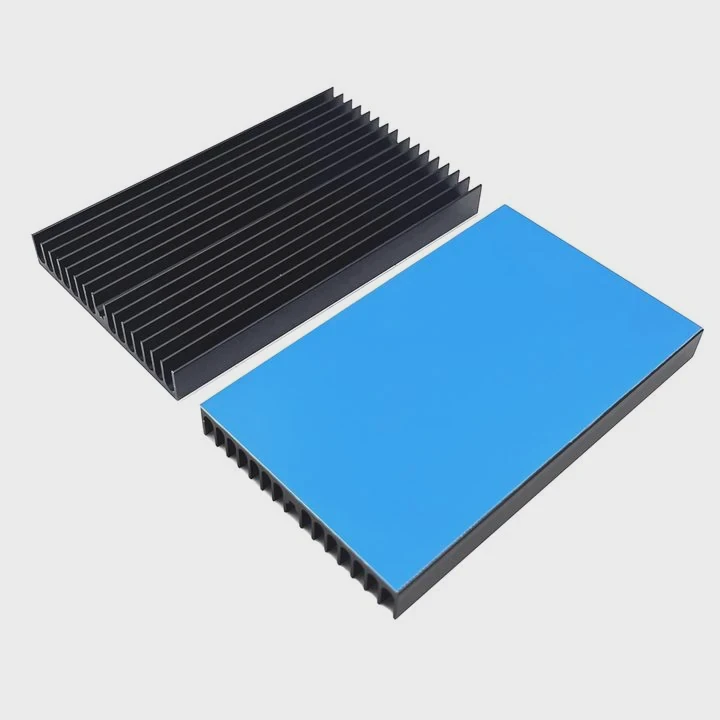
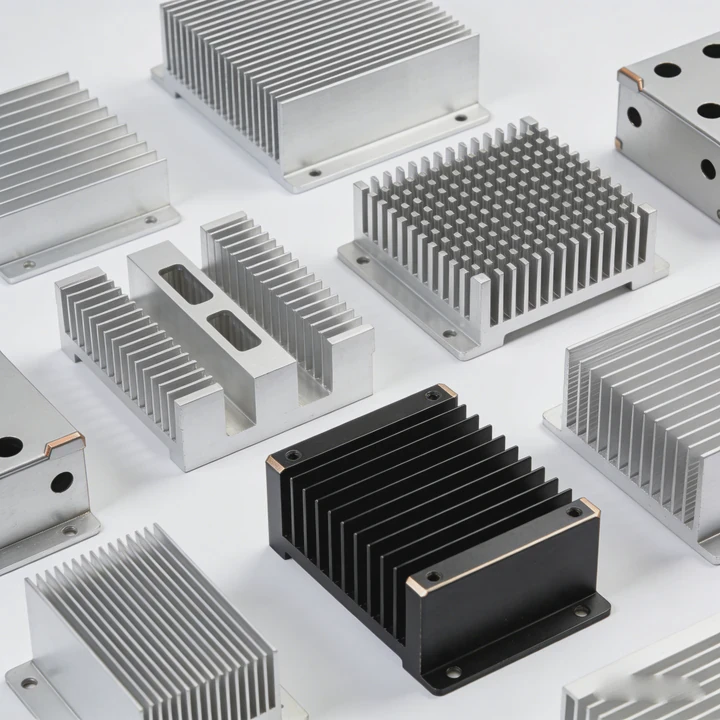
Many electronic systems generate heat and need conductivity plus heat control. Aluminum works very well here because it offers both useful electrical performance and strong thermal advantages in structural form.
Lightweight electronic hardware
For transport, aerospace, and mobile systems, reducing weight matters. Aluminum helps lower mass without losing too much functional performance.
Where copper still leads
Copper remains the better choice in fine traces, compact connectors, and places where maximum conductivity is needed in a very small area. Printed circuit boards and micro-scale conductive paths usually depend on copper because the available space is limited and low resistance is critical.
Practical comparison in electronics
| Application Area | Aluminum Suitability | Copper Suitability |
|---|---|---|
| Heat sinks and housings | Very good | Less common due to weight and cost |
| High-current busbars | Good to very good | Excellent |
| PCB traces | Limited | Excellent |
| Fine connectors | Limited in many cases | Excellent |
| Large power modules | Good | Very good |
The contact issue is important
One thing engineers must manage carefully is the connection interface. Aluminum forms oxide quickly, and that oxide affects contact resistance. This does not remove aluminum from electronics. It simply means the interface must be designed correctly. Proper plating, surface treatment, contact pressure, and joining method all matter.
So is it good for electronics?
Yes, in many cases it is. But it is best to say that aluminum is good for selected electronic functions, not all electronic functions. It is excellent when the product needs a mix of conductivity, heat control, light weight, and cost efficiency. It is less ideal when the design needs very small conductive paths or very low-resistance contact in tight precision areas.
A good engineering team chooses the role of aluminum carefully. That is the difference between a cheap substitution and a smart material strategy. In my experience, the strongest results come when the structure, thermal path, and electrical path are designed as one system from the beginning.
Conclusion
Aluminum does conduct electricity, and it does so well enough for many serious applications. It may not replace copper everywhere, but in power systems, thermal structures, and weight-sensitive designs, aluminum remains one of the most practical and valuable engineering materials.