
Can Magnets Stick to Aluminum?
- Yongxing
- 31 Mar ,2026
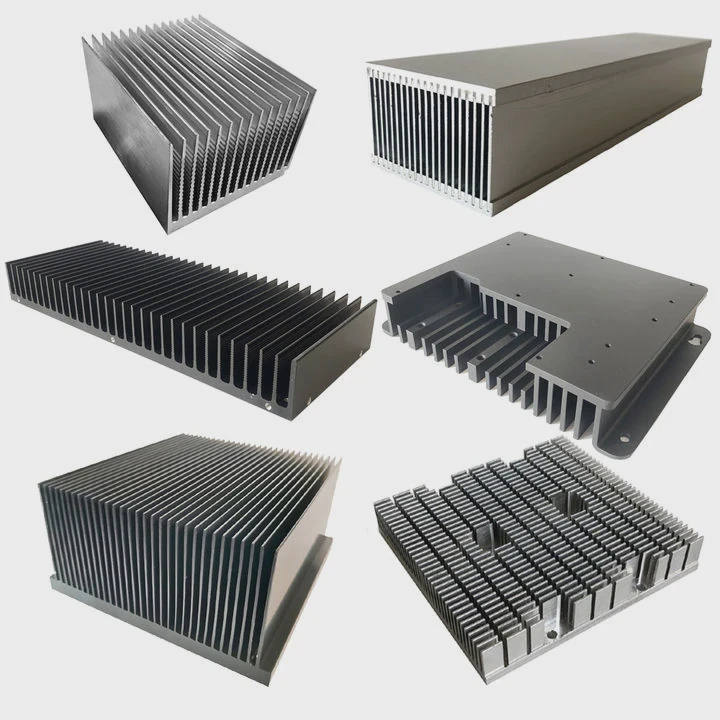
Many people expect all metals to react to magnets. That assumption often leads to confusion during material selection or simple testing.
No, magnets do not stick to aluminum under normal conditions. Aluminum is not a magnetic material, so it does not show the strong attraction seen in iron or steel.
That simple answer is correct, but it is not the full story. Aluminum still interacts with magnetic fields in subtle ways. Understanding those details helps avoid mistakes in engineering and product design.
Why Is Aluminum Not Magnetic Material?
Some metals snap to magnets instantly. Others show no visible reaction. This difference often raises questions about what really defines a magnetic material.
Aluminum is not magnetic because its atomic structure does not support permanent magnetic domains, so it cannot align strongly with a magnetic field like iron does.
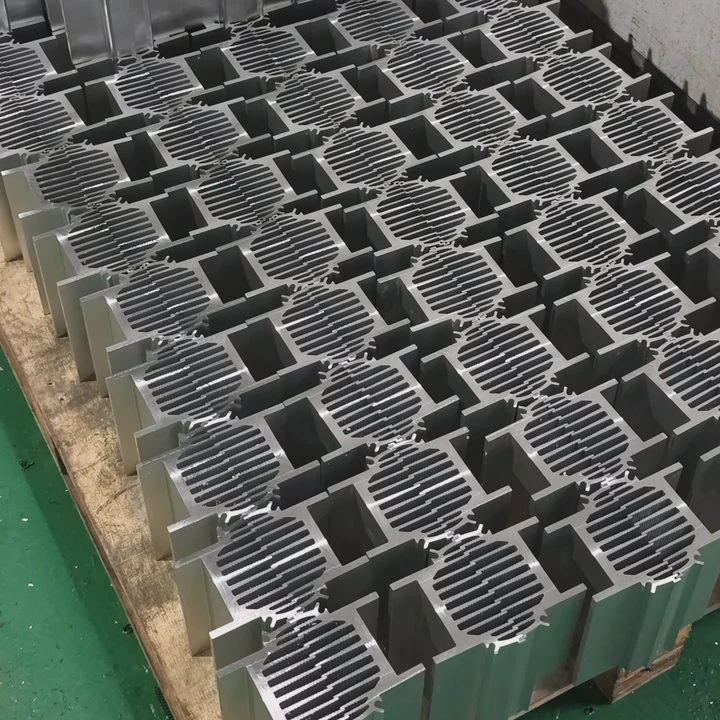
Magnetism in metals comes from how electrons behave inside atoms. In materials like iron, nickel, and cobalt, electrons can align in groups called domains. These domains create strong and stable magnetic effects. Aluminum does not have this property.
How atomic structure shapes magnetism
In aluminum, electrons are arranged in a way that does not allow long-range alignment. That means even when a magnetic field is applied, aluminum cannot hold or build a strong magnetic state.
Types of magnetic behavior
To understand aluminum better, it helps to compare it with other categories:
| Material Type | Example Metals | Magnetic Behavior |
|---|---|---|
| Ferromagnetic | Iron, Nickel | Strong attraction to magnets |
| Paramagnetic | Aluminum | Very weak attraction |
| Diamagnetic | Copper | Slight repulsion |
Aluminum belongs to the paramagnetic group. This means it reacts very weakly to magnetic fields, but the effect is so small that it is usually invisible in daily use.
Why you cannot feel the attraction
The force between a magnet and aluminum is extremely small. It is not enough to overcome gravity or friction in most cases. That is why a magnet will not stick to an aluminum surface.
Engineering perspective
From a design view, this non-magnetic nature is often useful. Many systems need materials that do not interfere with magnetic fields. Aluminum works well in these cases:
Electronic enclosures
Sensitive devices need stable electromagnetic conditions. Aluminum does not distort magnetic fields the way ferromagnetic materials can.
Aerospace and transport systems
Weight matters, and so does predictable behavior in varying electromagnetic environments.
Thermal structures
Aluminum can carry heat well without introducing magnetic interference.
Key takeaway
Aluminum is not magnetic because its internal electron structure does not support strong magnetic alignment. This property is not a weakness. In many applications, it is actually a benefit.
Can Strong Magnets Move Aluminum?
Even if aluminum is not magnetic, people often wonder if very strong magnets can still affect it in some way.
Yes, strong magnets can influence aluminum by inducing electric currents, which can create motion or resistance, but this is not the same as magnetic attraction.
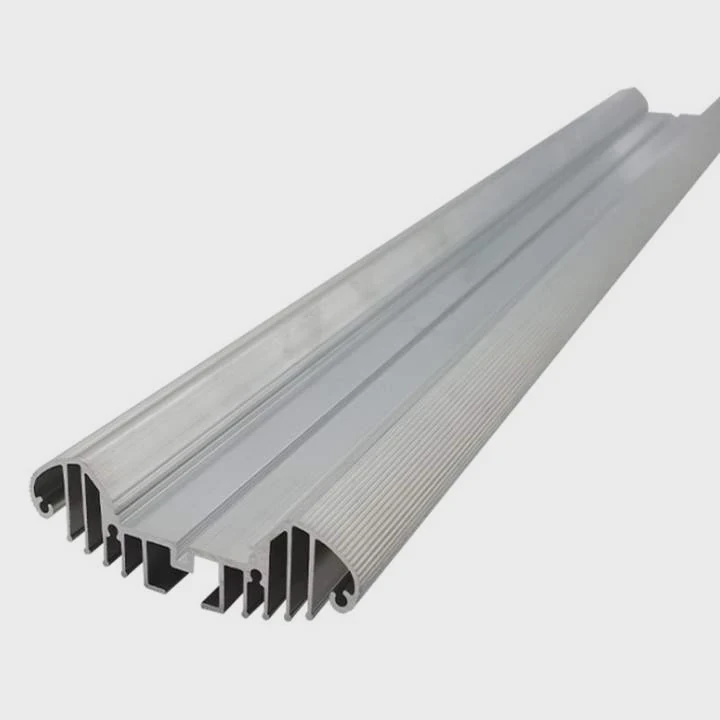
This is where the topic becomes more interesting. Aluminum does not stick to magnets, but it does respond to changing magnetic fields through a phenomenon called eddy currents.
What are eddy currents?
When a magnet moves near aluminum, it creates a changing magnetic field. That field induces small electric currents inside the aluminum. These currents then generate their own magnetic fields, which oppose the original motion.
What you can observe
This interaction leads to several visible effects:
Slowing motion
If a strong magnet falls through an aluminum tube, it drops slowly instead of falling freely. This happens because the induced currents resist the motion.
Repulsion effect
When a magnet moves quickly near aluminum, it may feel a slight push away. This is not true magnetism. It is a dynamic electromagnetic reaction.
No sticking behavior
Even with very strong magnets, aluminum will not suddenly behave like iron. There is no permanent attraction.
Real-world applications
Engineers use this effect in many systems:
| Application | How Aluminum Is Used | Benefit |
|---|---|---|
| Magnetic braking | Moving magnets near aluminum discs | Smooth, contact-free braking |
| Induction heating | Alternating magnetic fields | Controlled heating of metal |
| Metal sorting | Eddy current separators | Separation of aluminum from waste streams |
Why this matters in design
This behavior shows that aluminum is not passive in magnetic environments. It reacts in a dynamic way. In high-speed systems, rotating equipment, or electromagnetic devices, this effect must be considered.
Practical insight
I once worked on a project where a moving magnetic field caused unexpected heating in an aluminum structure. The team first blamed electrical losses elsewhere. Later, testing showed eddy current losses in the aluminum plate. That small detail changed the design.
Key takeaway
Strong magnets do not make aluminum “magnetic,” but they can still influence it through induced currents. This effect is important in both problems and solutions.
Is Aluminum Ever Slightly Magnetic?
Some materials show weak magnetic behavior that is not obvious in daily use. Aluminum falls into this category.
Yes, aluminum is slightly magnetic in a paramagnetic way, but the effect is extremely weak and only noticeable under precise laboratory conditions.
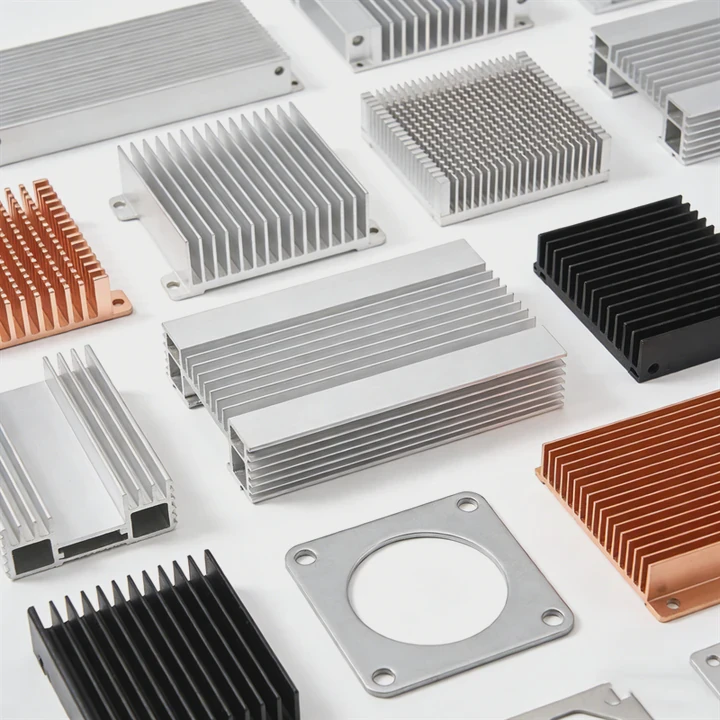
Paramagnetism means a material is weakly attracted to a magnetic field. However, the attraction disappears as soon as the external field is removed. Aluminum behaves like this, but the force is extremely small.
Why the effect is hard to detect
In normal conditions, several factors hide this weak behavior:
Gravity is stronger
The magnetic force on aluminum is far smaller than its weight. So it does not move toward a magnet.
Friction dominates
Even if a small force exists, surface friction prevents visible motion.
Field strength is limited
Common magnets are not strong enough to reveal this weak effect clearly.
Laboratory observation
In controlled experiments with very strong magnetic fields, aluminum can show measurable attraction. Scientists can detect and quantify this behavior using sensitive instruments.
Comparing magnetic strength
| Material | Magnetic Strength | Visible Effect |
|---|---|---|
| Iron | Very strong | Immediate attraction |
| Aluminum | Very weak | No visible movement |
| Copper | Very weak (repulsive) | No visible movement |
Why engineers still care
Even weak magnetic properties can matter in advanced systems:
High-frequency electronics
Small electromagnetic effects can influence signal stability.
Precision instruments
Measurement devices may need materials with predictable magnetic behavior.
Scientific equipment
Controlled environments require accurate material response data.
Practical conclusion
In daily life, aluminum appears completely non-magnetic. That is a fair and useful assumption. But at a deeper level, it does respond slightly to magnetic fields. This detail helps explain some advanced behaviors in engineering systems.
How to Test Aluminum With Magnet?
Simple tests can quickly identify whether a material is magnetic. Many people use magnets to check metal types, but results can be misunderstood.
To test aluminum with a magnet, bring a strong magnet close to the surface. If there is no attraction, the material is likely aluminum or another non-magnetic metal.
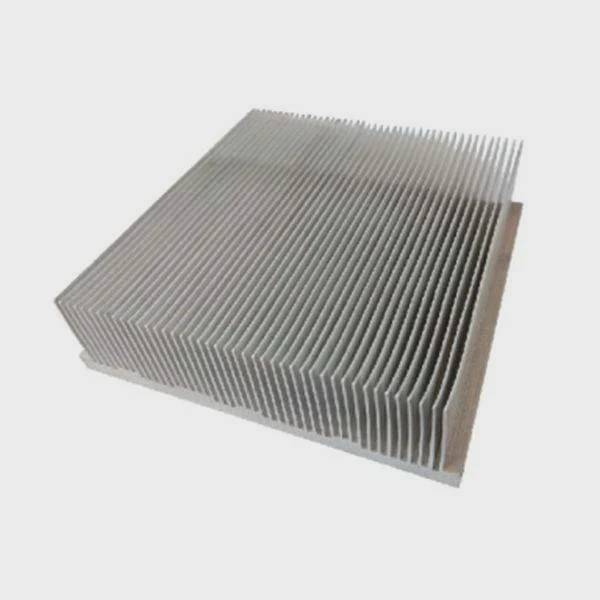
This method is easy and useful, but it should be done correctly to avoid confusion.
Step-by-step test method
Use a strong magnet
A weak magnet may not give a clear result. A neodymium magnet is usually better for testing.
Clean the surface
Dirt, coatings, or attached steel particles can affect the result.
Observe carefully
If the magnet does not stick, the material is likely non-magnetic. If it sticks strongly, it is probably steel or iron.
Check for mixed materials
Some parts are made from multiple layers or inserts. A magnet may stick to one area but not another.
Common mistakes
Confusing coatings
An aluminum part may have a steel screw or insert. The magnet will stick to that, not the aluminum.
Assuming all metals behave the same
Many metals, including aluminum, copper, and brass, do not respond strongly to magnets.
Ignoring thickness and structure
Very thin materials or complex shapes may give unclear results.
Quick identification guide
| Test Result | Likely Material |
|---|---|
| Strong attraction | Steel or iron |
| No attraction | Aluminum, copper, or plastic |
| Weak or strange effect | Mixed material or special alloy |
When magnet testing is not enough
For critical applications, a magnet test is only a first step. More precise methods may be needed:
Material certification
Documents confirm composition and properties.
Conductivity testing
Electrical measurement can help identify metals.
Density check
Weight and volume can give clues about material type.
Final practical advice
A magnet test is fast and useful for sorting and basic checks. It works well in workshops, warehouses, and field inspections. But it should not replace proper material verification in engineering projects.
Conclusion
Magnets do not stick to aluminum because it is not a magnetic material. Still, aluminum interacts with magnetic fields in subtle ways, especially under motion. Understanding these behaviors helps avoid mistakes and supports better material choices in real engineering applications.




