Heat Sink Convection vs Conduction?
- Yongxing
- 07 May ,2026
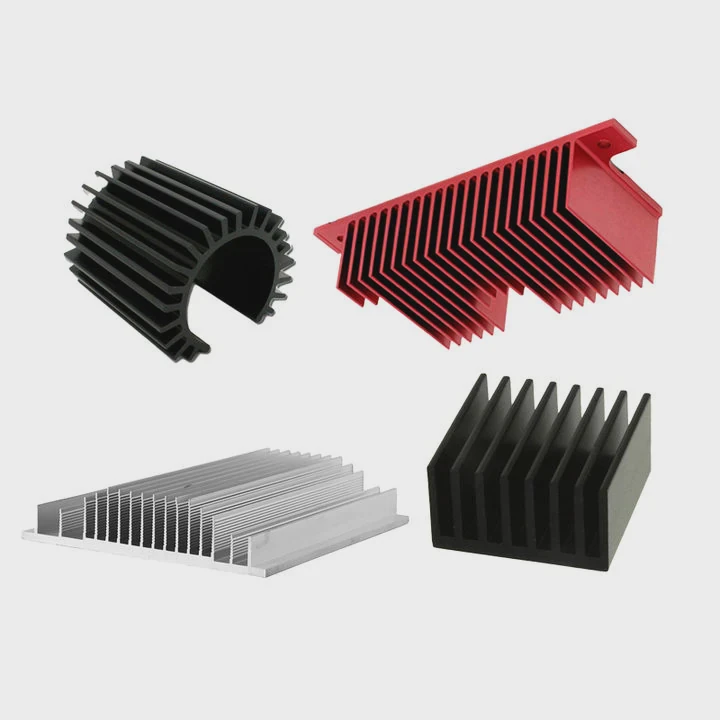
Opening a high-power device, you notice the heat rising quickly. Why do some heat sinks fail to keep devices cool? The answer lies in understanding how heat moves.
Heat sinks use conduction and convection together. Conduction transfers heat through solid materials, while convection moves heat from surfaces to air or liquid. Both are essential to prevent overheating and maintain device performance.
Knowing how heat travels helps design better cooling solutions. Let’s explore conduction and convection in heat sinks, why both are needed, and how they perform in different situations.
How do convection and conduction differ in heat sinks?
Heat sinks face a key challenge: removing heat from a hot component efficiently. Conduction and convection handle this in different ways.
Conduction moves heat directly through the heat sink material. Convection moves heat from the heat sink surface into the surrounding air or liquid. Both processes work together to keep devices cool.
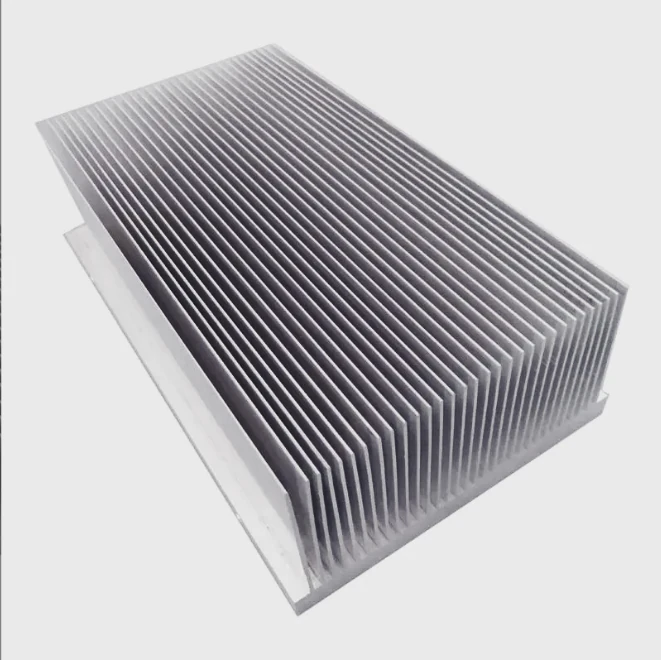
Understanding the difference
Conduction depends on the heat sink’s material. Metals like aluminum and copper are common because they conduct heat well. Heat flows from the component into the fins efficiently. Without good conduction, heat cannot reach surfaces for release.
Convection is the movement of heat from the surface into a fluid. Air or liquid carries heat away from the fins. This can happen naturally with rising air or with fans and pumps. A heat sink with excellent conduction still needs convection to prevent heat buildup.
| Property | Conduction | Convection |
|---|---|---|
| Medium | Solid | Fluid (air or liquid) |
| Mechanism | Atomic vibration | Fluid motion |
| Speed | Depends on material | Depends on flow rate and surface area |
| Example | Heat moving from CPU to fin | Air or liquid removing heat from fin |
Conduction occurs inside the heat sink, convection happens outside. Both are necessary. A heat sink with good conduction but poor convection heats the surrounding air slowly. Strong airflow alone cannot remove heat if conduction is weak.
Why are both needed for effective cooling?
Some think a heat sink only needs one method. In fact, conduction and convection work together.
Both are needed because heat must first move from the component to the heat sink (conduction) and then from the heat sink to the air or liquid (convection). Missing either reduces cooling efficiency.
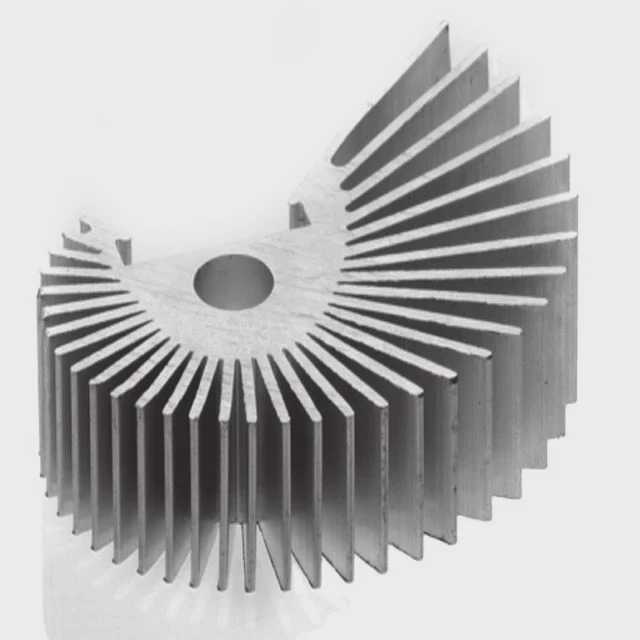
Conduction brings heat to the fins
Without conduction, heat stays trapped near the component. Even strong airflow cannot remove it. Copper and aluminum are chosen for high thermal conductivity. Base thickness, fin number, and interface quality all affect conduction performance.
Convection removes heat from the fins
Once heat reaches the fins, convection carries it away. Fans, pumps, or natural airflow move heat efficiently. Fin design is important. More surface area improves convection. Fin spacing and orientation affect airflow and overall cooling.
| Heat Transfer Step | Importance | Result of Poor Performance |
|---|---|---|
| Conduction | Moves heat to fins | Heat stays near component, causing overheating |
| Convection | Removes heat from fins | Heat accumulates around device, reducing cooling efficiency |
Both steps must be optimized. High-power electronics need excellent conduction paths and effective airflow to maintain safe temperatures.
Where does each process occur in heat sinks?
Heat sinks have specific zones for conduction and convection.
Conduction happens inside solid parts, from the base to the fins. Convection happens at surfaces where air or liquid contacts the heat sink, removing heat to the environment.
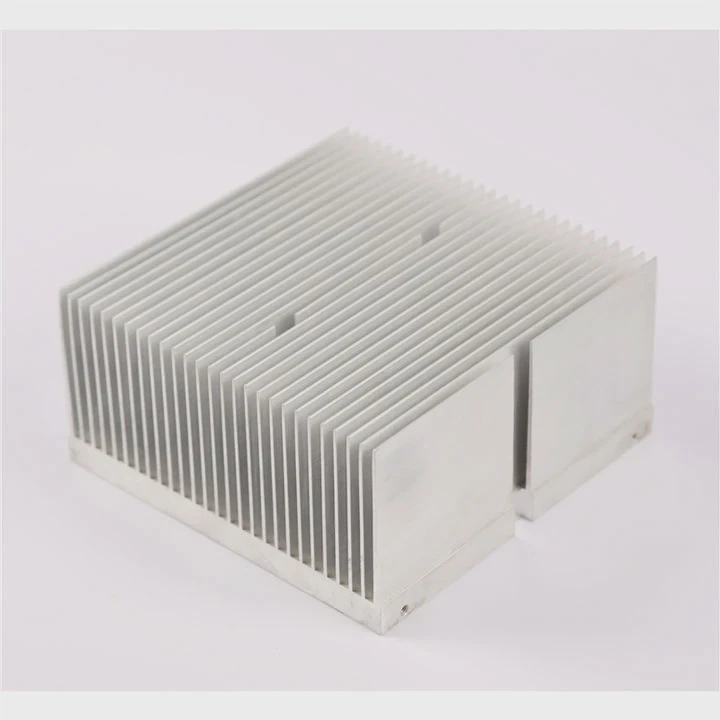
Conduction inside the heat sink
The base plate receives heat from the component. Heat spreads through the fins. Thermal paste improves contact and reduces resistance. Material choice and geometry affect conduction speed.
Convection at the fin surfaces
Air or liquid carries heat away from the fins. Natural convection occurs when hot air rises. Forced convection uses fans or pumps. Surface roughness and fin shape influence convective efficiency.
Heat flow path
- Base plate absorbs heat from the source
- Fin roots conduct heat upward
- Fin tips release heat to air or liquid
- Fluid carries heat away, preventing buildup
Thermal interface importance
Thermal interface materials improve contact between the heat source and heat sink. Poor contact reduces conduction. Even with strong airflow, heat transfer suffers. A thin layer of thermal paste fills gaps and improves efficiency.
Understanding where each process happens helps engineers design better heat sinks. Placement, fin count, and airflow direction all affect overall performance.
Which dominates in different environments?
The dominance of conduction or convection depends on the environment.
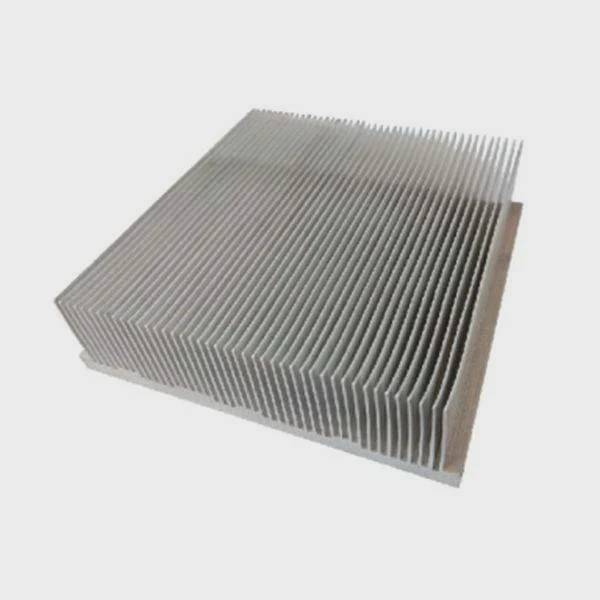
Conduction dominates in low-airflow or compact spaces, moving heat through solid metal. Convection dominates in high-airflow or liquid-cooled setups, removing heat efficiently from surfaces.
Low airflow
Small devices like laptops have limited airflow. Conduction is critical because heat must reach available surfaces. Copper or aluminum is preferred even if heavier.
High airflow
Desktops, servers, or liquid cooling setups rely more on convection. Fans or pumps carry heat away. Conduction is still important, but fin design and airflow are key to maximizing cooling.
Example environments
| Environment | Dominant Process | Design Focus |
|---|---|---|
| Compact electronics | Conduction | Use high-conductivity material, thick base |
| Desktop PC with fans | Convection | Increase fin area, optimize airflow |
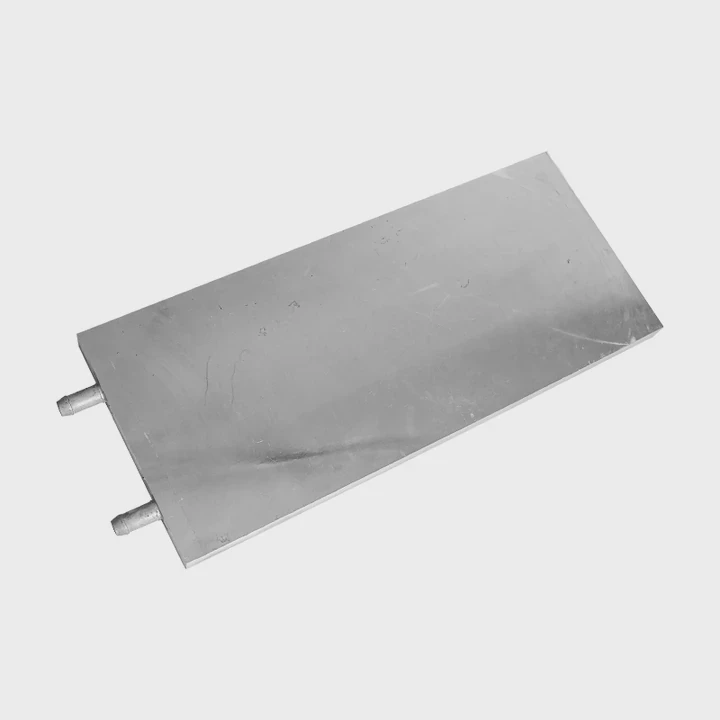
| Liquid-cooled GPU | Convection | Maximize fluid flow, fin contact with coolant |
| Outdoor industrial device | Conduction | Ensure solid heat path, protect from dust |
Balancing both
Even in airflow-heavy setups, poor conduction reduces efficiency. High-conductivity heat sinks need adequate airflow. Engineers must optimize both to achieve effective cooling.
Conclusion
Conduction moves heat inside the heat sink, convection moves it away from surfaces. Both are essential. Their effectiveness depends on material, design, and airflow. Ignoring either can cause overheating and reduce device lifespan.