How is aluminum made?
- Yongxing
- 27 Mar ,2026
Many people use aluminum every day, yet few understand how it is actually made. This gap creates confusion about where the metal comes from and how complex the process really is.
Aluminum is made by refining bauxite into alumina and then extracting pure aluminum through electrolysis in a high-temperature process. This transforms raw ore into a lightweight, strong, and widely used industrial metal.
This process is not simple. It combines mining, chemistry, and electrical engineering. Each step plays a clear role. When seen together, the process becomes easier to understand.
What is the aluminum production process?
Many assume aluminum is made by simply melting rock. That idea sounds easy, but it misses the real steps. The actual process includes both chemical refining and electrical extraction.
The aluminum production process includes two main stages: the Bayer process to produce alumina from bauxite, and the Hall-Héroult process to convert alumina into aluminum using electrolysis.
The process begins with bauxite. This is the main ore of aluminum. It contains aluminum compounds mixed with other materials like iron and silica. These impurities must be removed before aluminum can be produced.
Step-by-step production flow
1. Bauxite mining
Bauxite is usually found near the surface. It is mined using open-pit methods. After extraction, the ore is crushed into smaller pieces.
2. Refining into alumina
The crushed bauxite is processed using the Bayer method. It is mixed with hot sodium hydroxide. This dissolves the aluminum compounds. The remaining waste is removed. Then aluminum hydroxide forms and is heated to create alumina powder.
3. Electrolysis
Alumina is dissolved in molten cryolite. A strong electric current passes through this mixture. This separates aluminum from oxygen. Liquid aluminum collects at the bottom.
4. Casting
The molten aluminum is taken out and cast into ingots, slabs, or billets. These forms are later used for manufacturing products.
Process summary
| Stage | Input | Output |
|---|---|---|
| Mining | Bauxite | Crushed ore |
| Refining | Bauxite + chemicals | Alumina |
| Smelting | Alumina + electricity | Molten aluminum |
| Casting | Liquid aluminum | Solid forms |
Why the process needs high energy
The electrolysis stage uses a large amount of electricity. Breaking the bond between aluminum and oxygen requires strong energy input. That is why aluminum plants are often built near power sources.
Why this process matters
Each step prepares the material for the next. If one step is not stable, the next step will be affected. The full process works as a connected system.
From a practical view, aluminum production is not just melting metal. It is a controlled chain of chemical and electrical operations.
What raw materials are used for aluminum?
It is common to think aluminum comes from a single material. In reality, several inputs are needed. Each one has a clear purpose in the process.
The main raw material is bauxite, but aluminum production also requires sodium hydroxide, water, cryolite, carbon anodes, and large amounts of electricity.
Bauxite is the starting point. It contains aluminum in chemical form. However, it also contains impurities. These must be removed through refining.
Key materials and roles
| Material | Function |
|---|---|
| Bauxite | Source of aluminum |
| Sodium hydroxide | Dissolves aluminum compounds |
| Water | Supports reactions and cooling |
| Cryolite | Reduces melting temperature |
| Carbon anodes | Conduct electricity and react with oxygen |
| Electricity | Drives electrolysis |
Why bauxite is important
Aluminum does not exist as pure metal in nature. It is always bonded with oxygen. Bauxite contains aluminum in a form that can be processed into alumina.
Role of sodium hydroxide
Sodium hydroxide is used in the refining stage. It helps separate aluminum from impurities. Without it, the process would be much less efficient.
Why cryolite is used
Alumina has a very high melting point. This makes direct electrolysis difficult. Cryolite lowers the temperature needed. This improves efficiency and reduces energy use.
Carbon anodes are consumed
Carbon anodes are not permanent. They react with oxygen during electrolysis. This creates carbon dioxide. As a result, the anodes must be replaced regularly.
Electricity as a core input
Electricity is not just support. It is essential. The electrolysis process depends on a steady flow of current. Without electricity, aluminum cannot be produced.
Material balance and control
Managing materials is critical. Each input must be controlled. This ensures stable production and consistent quality.
This combination of materials shows that aluminum production is both chemical and electrical. It is not just mining or melting.
How does electrolysis produce aluminum?
Electrolysis is the key step in aluminum production. Without it, aluminum would remain locked in its oxide form. Many people find this step difficult to understand, but the idea is simple when broken down.
Electrolysis produces aluminum by passing electricity through molten alumina dissolved in cryolite, causing aluminum ions to gain electrons and form liquid aluminum while oxygen reacts with carbon anodes.
At the center of this process is a chemical reaction powered by electricity. Alumina contains aluminum and oxygen. These elements must be separated.
The overall reaction
2Al₂O₃ + 3C → 4Al + 3CO₂
What happens inside the cell
The electrolytic cell is a large container lined with carbon. It holds molten cryolite with dissolved alumina. The temperature is around 950°C.
- The bottom acts as the cathode
- Carbon blocks act as anodes
When current flows:
- Aluminum ions move to the cathode
- They gain electrons and become liquid aluminum
- The liquid collects at the bottom
At the same time:
- Oxygen ions move to the anodes
- They react with carbon to form carbon dioxide gas
Key process conditions
1. High temperature
The materials must stay molten. This allows ions to move freely.
2. Continuous feeding
Alumina must be added regularly. This keeps the reaction stable.
3. Electrical control
The current must be stable. Fluctuations can affect efficiency.
Why electrolysis is necessary
Aluminum has a strong bond with oxygen. Heat alone cannot break this bond efficiently. Electrolysis provides a direct method using electrical energy.
Challenges in electrolysis
| Challenge | Effect |
|---|---|
| High energy use | Increases cost |
| Anode wear | Requires replacement |
| Heat balance | Affects stability |
| Gas emissions | Needs control |
A controlled system
Electrolysis requires careful control. Temperature, composition, and current must all be stable. Small changes can affect the outcome.
From a practical view, this step turns refined material into usable metal. It is the core of aluminum production.
What is the Hall-Héroult process?
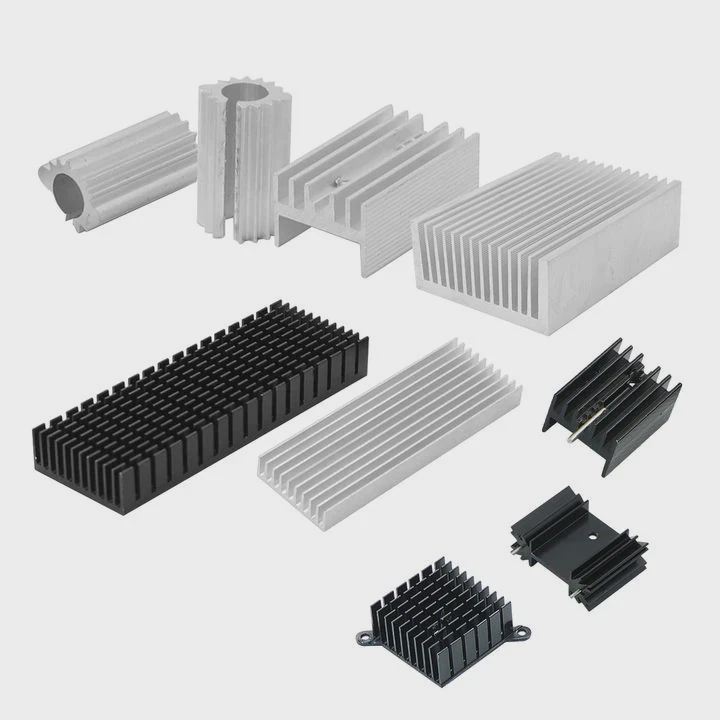
Before modern methods, aluminum was rare and expensive. The development of a new process changed everything. It made aluminum widely available.
The Hall-Héroult process is the industrial method that produces aluminum by electrolyzing alumina dissolved in molten cryolite, enabling large-scale and cost-effective production.
This process was developed in the late 19th century. It remains the main method used today.
Core principle
The process is based on three steps:
- Dissolve alumina in molten cryolite
- Apply a strong electric current
- Separate aluminum from oxygen
Main components
| Component | Function |
|---|---|
| Electrolyte | Allows ion movement |
| Carbon anode | Conducts current and reacts with oxygen |
| Cathode lining | Collects aluminum |
| Power supply | Drives reaction |
| Cell structure | Maintains temperature |
Why this process works
The method allows continuous production. It combines chemistry and electricity in a stable way. This reduces cost and increases output.
Improvements over time
Energy efficiency
Modern cells use better insulation and design.
Automation
Systems monitor temperature and current.
Environmental control
Gas treatment reduces emissions.
Larger production scale
Modern plants produce more aluminum per unit.
Why it is still used today
The basic idea remains effective. It is reliable and scalable. That is why it is still the main method for aluminum production.
Connection to real applications
Most aluminum products start with this process. The quality of the final product depends on how well this step is controlled.
This process is not just history. It is still the foundation of modern aluminum manufacturing.
Conclusion
Aluminum production combines mining, chemistry, and electricity. Each step is important. When understood clearly, the process shows how raw ore becomes a valuable engineering material.