
How to anodize aluminum?
- Yongxing
- 26 Mar ,2026
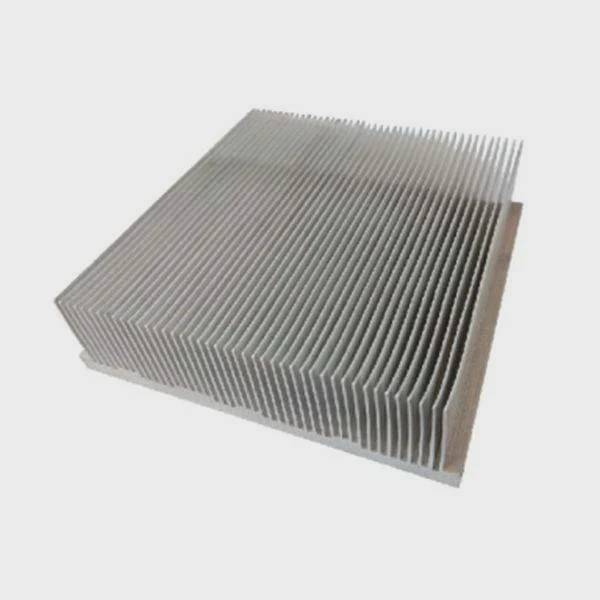
Struggling with aluminum corrosion or dull finishes? Many people face weak durability and poor surface quality when working with aluminum parts.
Anodizing aluminum is an electrochemical process that creates a durable oxide layer on the surface, improving corrosion resistance, wear resistance, and appearance.
This process may sound complex at first. But once broken down step by step, it becomes much easier to understand and even apply in real projects.
What is the anodizing process for aluminum?
Aluminum parts often fail early due to oxidation and wear. Without protection, the surface degrades quickly and loses performance.
The anodizing process is an electrochemical treatment where aluminum acts as the anode in an acid bath, forming a controlled oxide layer on its surface.
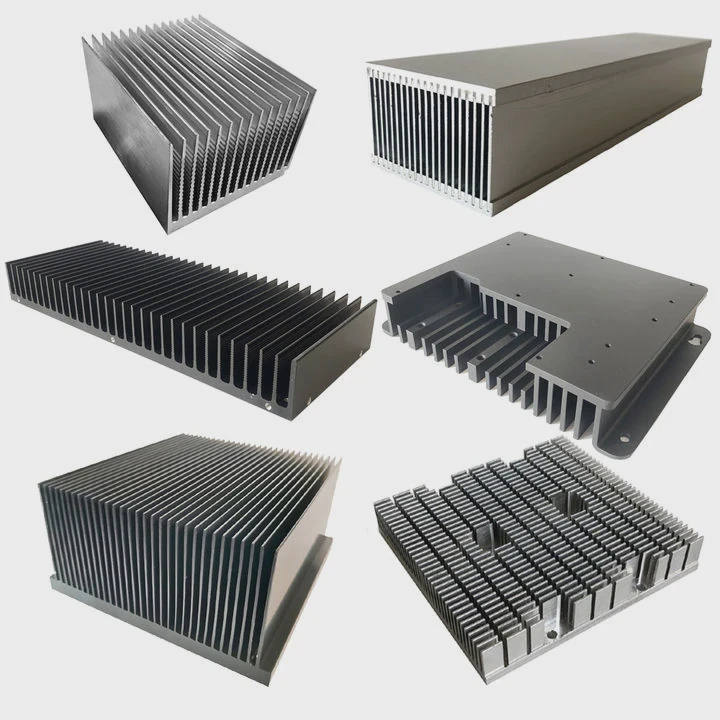
Anodizing is not just a coating. It is a controlled oxidation process. The oxide layer becomes part of the aluminum itself. This is why anodized aluminum is much stronger than painted or plated surfaces.
How the process works step by step
The anodizing process usually follows a clear sequence. Each step affects the final quality.
| Step | Description | Purpose |
|---|---|---|
| Cleaning | Remove oil and dirt | Ensure uniform surface |
| Etching | Use alkaline solution | Create smooth texture |
| Desmutting | Remove residues | Prepare for anodizing |
| Anodizing | Electrolytic oxidation | Form oxide layer |
| Coloring (optional) | Dye absorption | Add color |
| Sealing | Close pores | Improve durability |
Key process parameters
Several factors control the final result:
- Current density
- Voltage
- Temperature
- Acid concentration
- Time
Each parameter must stay stable. Small changes can cause big differences in thickness and quality.
Types of anodizing
There are three main types:
Type I – Chromic acid anodizing
This type creates thin coatings. It is often used in aerospace.
Type II – Sulfuric acid anodizing
This is the most common type. It balances cost and performance.
Type III – Hard anodizing
This produces very thick and hard layers. It is used for heavy-duty parts.
Why process control matters
In industrial production, consistency is critical. A small variation in voltage or temperature can lead to uneven coating or color differences.
In real manufacturing, advanced heat sinks often use anodizing to improve thermal stability and corrosion resistance. A stable oxide layer helps maintain long-term performance under high heat conditions.
Can you anodize aluminum at home?
Many people want to try anodizing at home. But they often worry about safety, cost, and complexity.
Yes, aluminum can be anodized at home using basic equipment like a power supply, acid bath, and proper safety precautions.
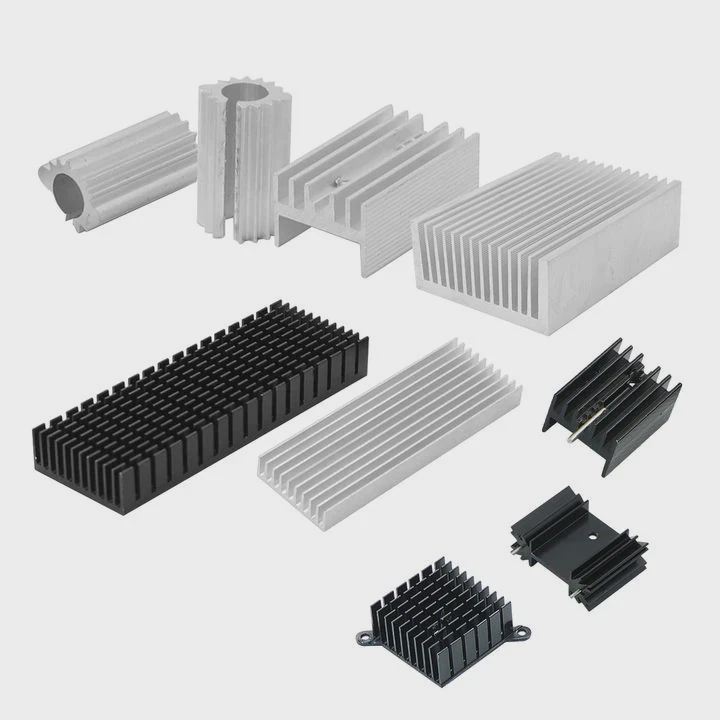
Home anodizing is possible. But it requires careful setup and strict safety control.
Basic equipment needed
To start, a simple setup includes:
- DC power supply
- Plastic container
- Sulfuric acid solution
- Aluminum wire (for hanging parts)
- Cathode material (lead or aluminum)
- Distilled water
Simple home process
The process is similar to industrial anodizing, but simpler.
Step 1: Clean the aluminum
Remove grease and dirt using detergent.
Step 2: Etch the surface
Use a sodium hydroxide solution to create a matte finish.
Step 3: Prepare the anodizing bath
Mix sulfuric acid with distilled water carefully.
Step 4: Apply الكهرباء (current)
Connect aluminum as the anode. Run current for 30–60 minutes.
Step 5: Dye (optional)
Place the part in dye solution.
Step 6: Seal
Use hot water to seal the pores.
Safety risks you must consider
Home anodizing involves chemicals and electricity. Risks include:
- Acid burns
- Toxic fumes
- Electrical hazards
Safety checklist
| Risk | Solution |
|---|---|
| Acid exposure | Wear gloves and goggles |
| Fumes | Work in ventilated area |
| Electrical shock | Use insulated connections |
| Chemical spills | Prepare neutralizing agents |
Practical limitations
Home anodizing has limits:
- Hard to control thickness precisely
- Color consistency is unstable
- Not suitable for large parts
For high-performance applications like power electronics or rail systems, professional anodizing is always preferred.
What chemicals are used in anodizing?
Many beginners feel confused about the chemicals involved. The process seems chemical-heavy and difficult to control.
The main chemicals used in anodizing are sulfuric acid for the electrolyte, sodium hydroxide for cleaning, and dyes for coloring.
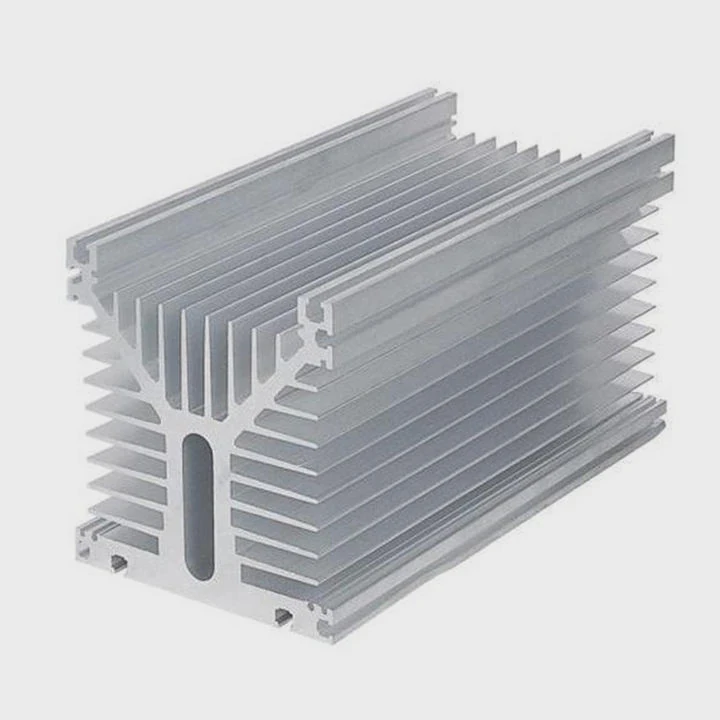
Understanding the chemicals helps improve both safety and results.
Core chemicals in anodizing
Sulfuric acid (H₂SO₄)
This is the most important chemical. It acts as the electrolyte.
- Creates oxide layer
- Controls pore structure
- Affects coating thickness
Sodium hydroxide (NaOH)
Used in the pre-treatment stage.
- Removes natural oxide layer
- Cleans surface
- Creates uniform texture
Nitric acid (HNO₃)
Used in desmutting.
- Removes impurities
- Improves surface quality
Coloring chemicals
After anodizing, the surface has microscopic pores. These pores can absorb dyes.
Common dye types:
- Organic dyes
- Electrolytic coloring salts
- Metal salts
Sealing chemicals
Sealing closes the pores and locks in color.
Common sealing methods:
- Hot water sealing
- Nickel acetate sealing
Chemical comparison table
| Chemical | Function | Stage |
|---|---|---|
| Sulfuric acid | Electrolyte | Anodizing |
| Sodium hydroxide | Cleaning/etching | Pre-treatment |
| Nitric acid | Desmutting | Pre-treatment |
| Dye solutions | Coloring | Post-treatment |
| Nickel acetate | Sealing | Final stage |
Chemical control challenges
Each chemical must be carefully managed.
- Concentration must stay stable
- Temperature must be controlled
- Contamination must be avoided
In industrial settings, automated systems monitor these parameters. This ensures consistent quality across large production batches.
Why is anodizing aluminum important?
Many aluminum products fail due to corrosion, wear, or poor surface quality. This leads to high maintenance costs and short product life.
Anodizing aluminum is important because it improves corrosion resistance, increases durability, enhances appearance, and provides electrical insulation.
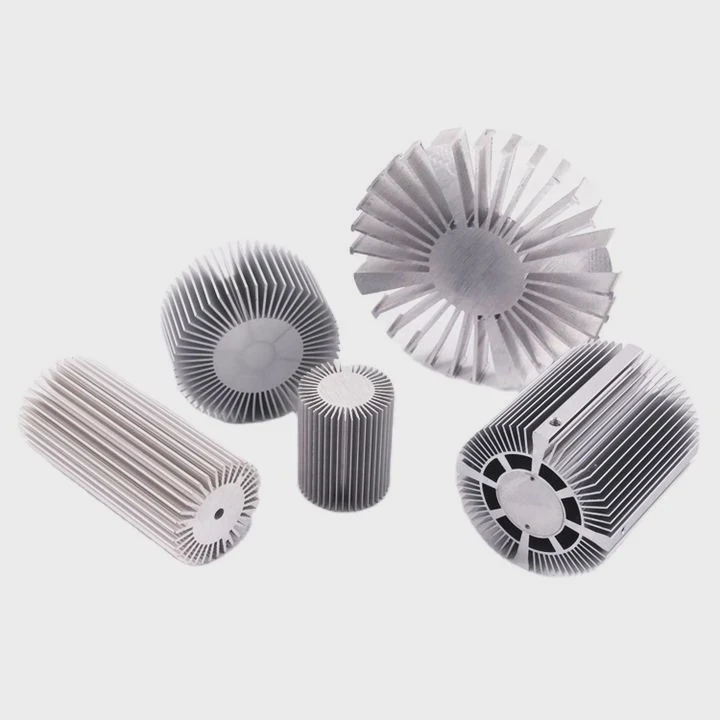
Anodizing is not just a surface treatment. It directly impacts product performance and lifespan.
Key benefits of anodizing
Corrosion resistance
The oxide layer protects aluminum from moisture and chemicals.
Wear resistance
Hard anodized layers can withstand heavy friction.
Thermal stability
Anodized surfaces perform well under high temperatures.
Electrical insulation
The oxide layer is non-conductive.
Performance comparison
| Property | Raw Aluminum | Anodized Aluminum |
|---|---|---|
| Corrosion resistance | Low | High |
| Wear resistance | Low | High |
| Surface hardness | Soft | Hard |
| Appearance | Dull | Decorative |
Importance in industrial applications
In many industries, anodizing is critical:
Electronics and heat sinks
Anodized surfaces improve heat dissipation and prevent oxidation.
Aerospace
Lightweight and corrosion-resistant materials are essential.
Automotive and rail
Durability and long service life are required.
Renewable energy
Stable performance under outdoor conditions is important.
Long-term value
Anodizing reduces:
- Maintenance costs
- Replacement frequency
- Performance degradation
From experience in manufacturing, consistent anodizing quality often determines whether a product meets long-term reliability standards.
Conclusion
Anodizing transforms aluminum into a stronger, more durable material. It improves performance, extends lifespan, and enhances appearance, making it essential for both simple parts and high-end industrial applications.




