What is aluminum used for?
- Yongxing
- 27 Mar ,2026
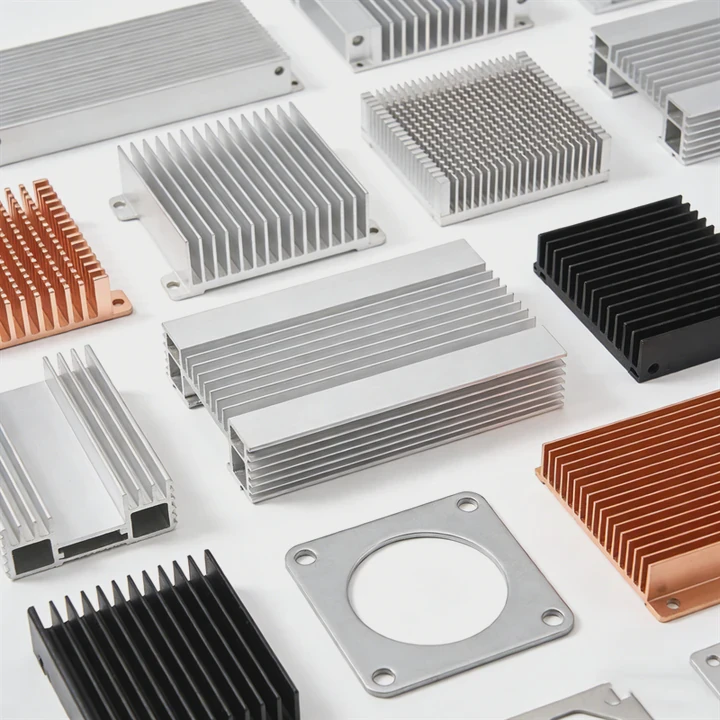
Many people see aluminum every day, but they rarely think about its value. This common metal hides in plain sight, yet it supports modern life in ways most people overlook.
Aluminum is used across many industries because it is light, strong, corrosion-resistant, and easy to shape. It plays a key role in construction, transportation, electronics, and daily consumer products.
Aluminum is not just another metal. It solves real problems in design, weight reduction, and energy efficiency. Let’s break down where it matters most and why industries depend on it.
What industries rely on aluminum most?
Many industries face the same problem. They need materials that are strong but not heavy. They also need cost control and long service life.
The main industries that rely on aluminum include construction, transportation, electronics, energy, packaging, and aerospace because aluminum offers strength, low weight, and excellent heat and corrosion resistance.
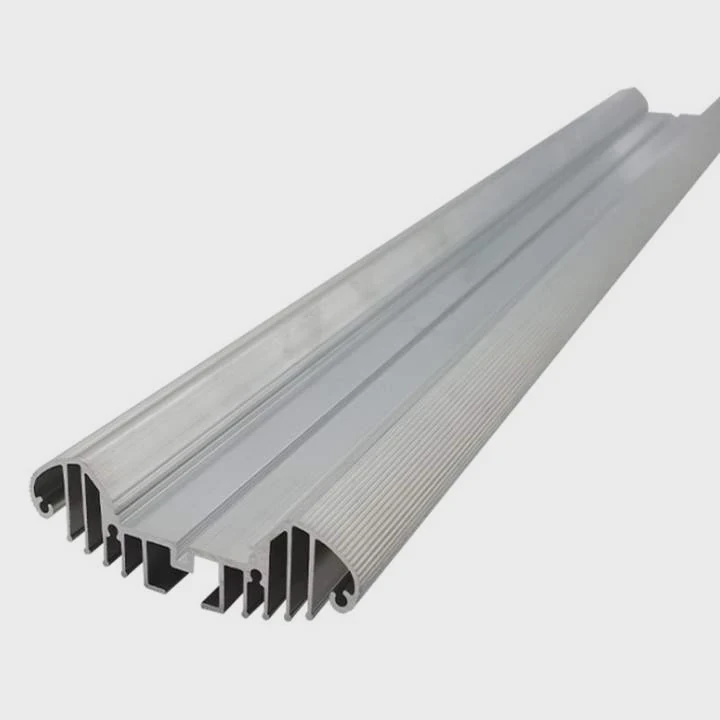
Aluminum is one of the most widely used industrial metals. Its flexibility makes it useful across very different sectors.
Key Industries Using Aluminum
| Industry | Main Use of Aluminum | Why Aluminum Matters |
|---|---|---|
| Construction | Structures, windows, facades | Lightweight and corrosion-resistant |
| Transportation | Cars, trains, aircraft | Reduces weight and improves efficiency |
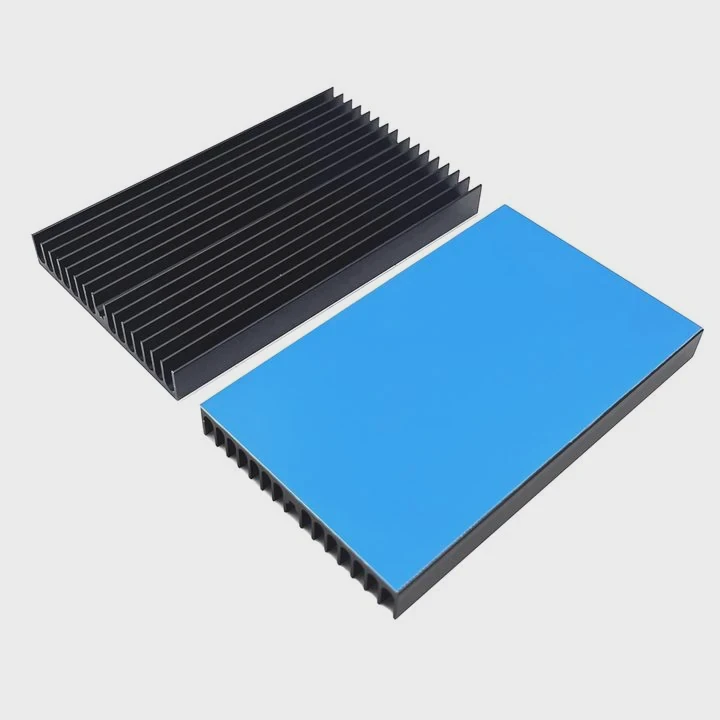
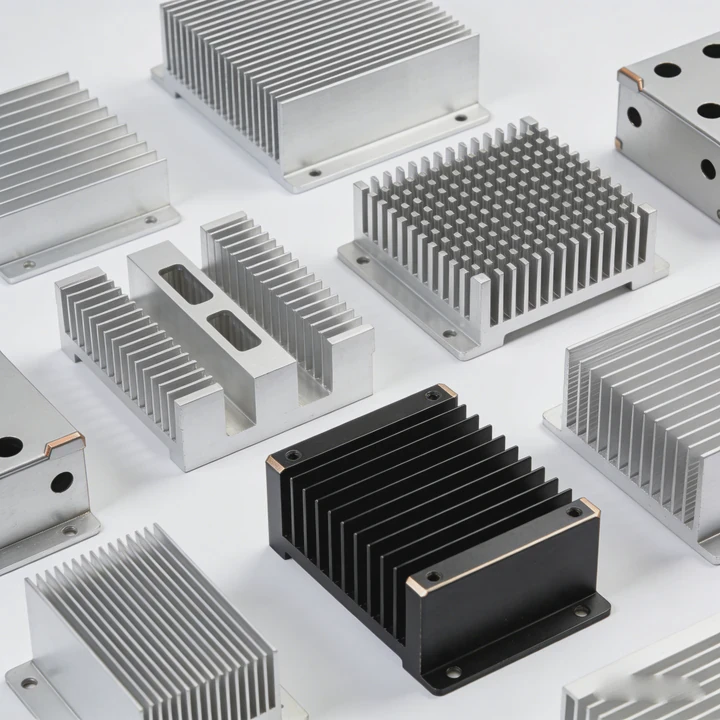
| Electronics | Heat sinks, enclosures | Excellent thermal conductivity |
| Energy | Solar frames, power lines | Durable and conductive |
| Packaging | Cans, foil | Recyclable and lightweight |
| Aerospace | Aircraft structures | High strength-to-weight ratio |
Why Aluminum Works Across Industries
1. Lightweight but Strong
Aluminum weighs about one-third of steel. This feature helps reduce energy use in transport and makes installation easier in construction.
2. Excellent Heat Dissipation
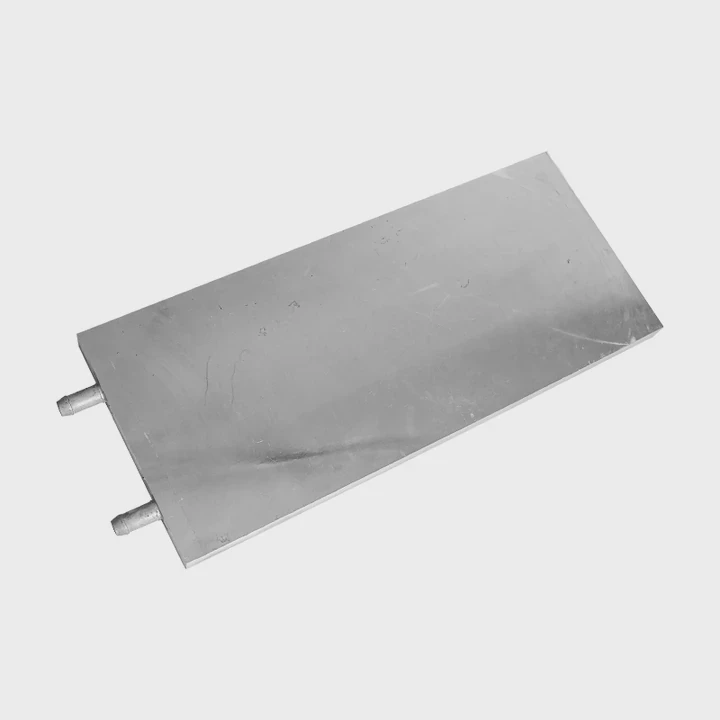
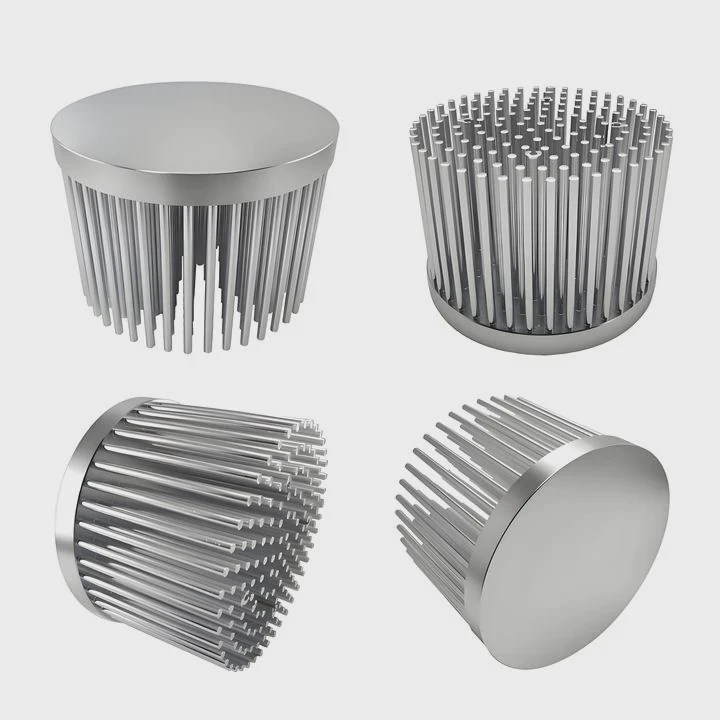
In electronics, heat is a serious problem. Aluminum solves this with high thermal conductivity. It is widely used in heat sinks and cooling systems.
3. Corrosion Resistance
Aluminum naturally forms an oxide layer. This layer protects it from rust. This makes it ideal for outdoor and harsh environments.
4. Easy to Process
Manufacturers can extrude, cast, machine, or weld aluminum. This flexibility supports both simple and complex designs.
A Real Industry Insight
In many projects, choosing aluminum is not just about cost. It is about performance over time. For example, in high-power electronic systems, poor heat control can destroy components. Aluminum heat sinks help avoid this risk and extend product life.
Why is aluminum used in construction?
Construction projects often face strict limits. Materials must last long, resist weather, and stay cost-effective.
Aluminum is used in construction because it is durable, corrosion-resistant, lightweight, and easy to form into complex shapes, making it ideal for modern buildings and infrastructure.
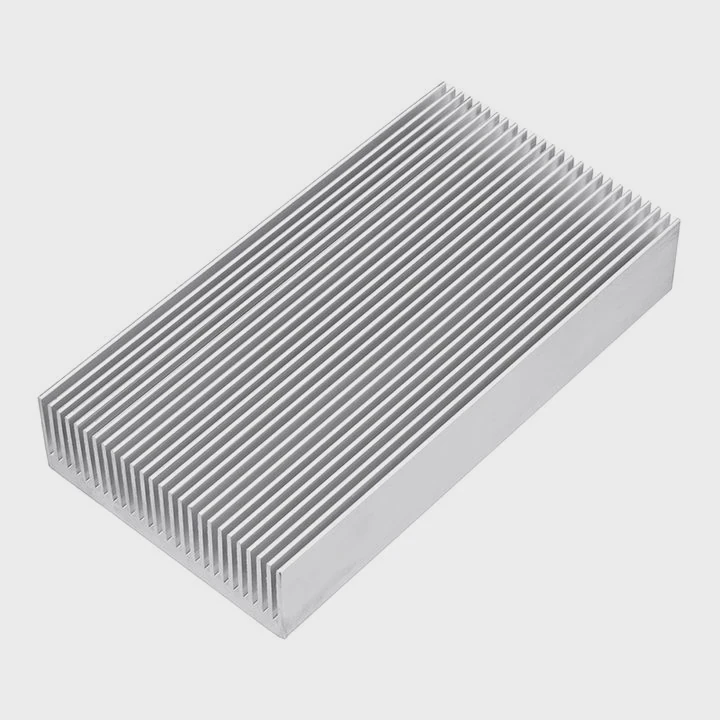
Aluminum has become a key material in modern architecture. It supports both function and design.
Common Construction Applications
| Application | Aluminum Use Case |
|---|---|
| Windows & Doors | Frames and structural support |
| Curtain Walls | Facade systems |
| Roofing | Panels and sheets |
| Structural Parts | Lightweight frameworks |
| HVAC Systems | Heat exchangers and ducts |
Why Builders Prefer Aluminum
1. Long Lifespan
Aluminum does not rust like steel. It performs well in humid, coastal, or polluted environments. This reduces maintenance costs.
2. Design Flexibility
Architects want freedom. Aluminum can be shaped into thin, complex profiles. This allows modern building designs with clean lines.
3. Lightweight Advantage
Transporting heavy materials increases cost. Aluminum reduces load on structures and foundations. This is critical in high-rise buildings.
4. Sustainability
Aluminum is 100% recyclable. Recycled aluminum uses only about 5% of the energy needed for primary production. This supports green building goals.
Structural vs Thermal Role
Aluminum is not only structural. It also plays a key role in thermal management.
- Heat dissipation in HVAC systems
- Thermal bridging control in building envelopes
- Integration with cooling modules
Practical Observation
In many large construction projects, switching to aluminum components reduces installation time. Workers can handle lighter parts more easily. This improves efficiency on site and lowers labor costs.
How is aluminum used in transportation?
Transportation industries constantly fight weight. Lower weight means lower fuel use and better performance.
Aluminum is used in transportation to reduce weight, improve fuel efficiency, and enhance performance in vehicles such as cars, trains, aircraft, and ships.
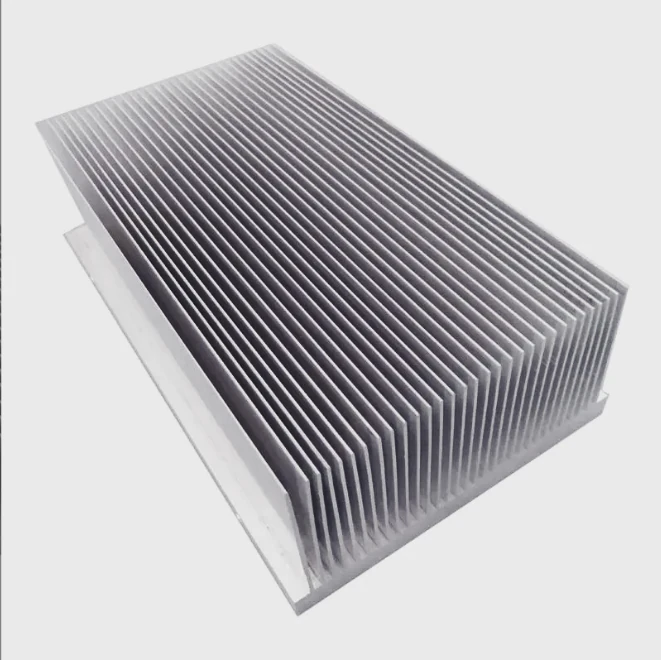
Aluminum plays a major role in modern mobility systems.
Transportation Applications
| Sector | Aluminum Application |
|---|---|
| Automotive | Engine parts, body panels |
| Rail | Train bodies, interior parts |
| Aerospace | Aircraft frames and wings |
| Marine | Boat hulls and structures |
Why Weight Matters
1. Fuel Efficiency
Every kilogram saved reduces fuel consumption. In electric vehicles, lighter weight increases battery range.
2. Performance
Lighter vehicles accelerate faster and handle better. This is important in both consumer and industrial transport.
3. Emission Reduction
Governments push for lower emissions. Aluminum helps meet these targets by reducing energy demand.
Aluminum vs Steel in Transport
| Property | Aluminum | Steel |
|---|---|---|
| Weight | Low | High |
| Corrosion | Excellent | Needs coating |
| Cost | Higher upfront | Lower upfront |
| Lifecycle Cost | Lower | Higher |
Heat Management in Transport
Modern vehicles use more electronics. Batteries, inverters, and motors generate heat.
Aluminum helps in:
- Battery cooling plates
- Heat sinks in power electronics
- Integrated thermal modules
Real-World Insight
In electric vehicle projects, thermal control is often the hidden challenge. Poor heat management reduces battery life. Aluminum cooling solutions improve safety and performance.
What are everyday uses of aluminum?
People interact with aluminum every day, often without noticing. It is everywhere in daily life.
Everyday uses of aluminum include packaging, kitchen tools, electronics, furniture, and household items due to its light weight, safety, and durability.
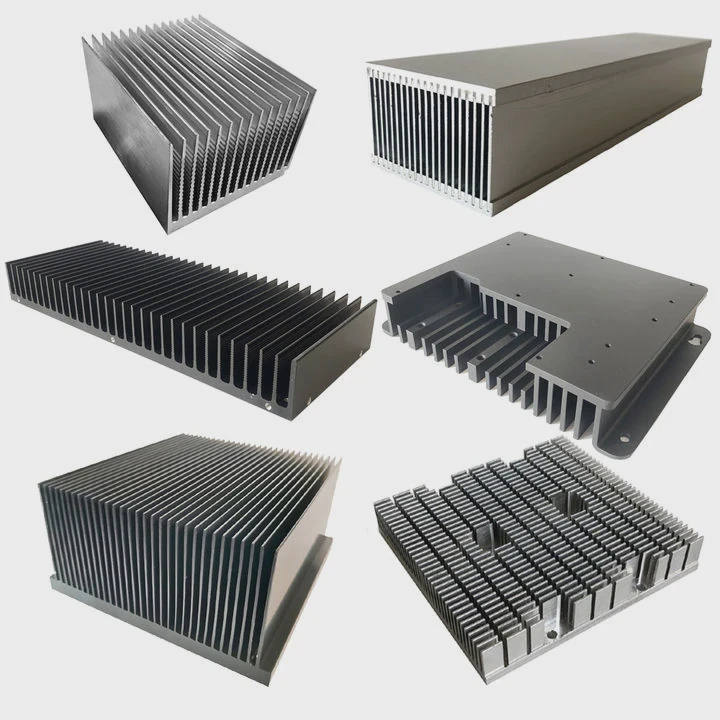
Aluminum is part of daily routines in simple and practical ways.
Common Daily Uses
| Product Type | Aluminum Application |
|---|---|
| Packaging | Cans, foil |
| Kitchenware | Pots, pans, utensils |
| Electronics | Laptop bodies, phone cases |
| Furniture | Lightweight frames |
| Lighting | LED heat sinks |
Why Aluminum is Ideal for Daily Use
1. Safe for Food Contact
Aluminum foil and cans are widely used in food packaging. They protect against light, air, and moisture.
2. Lightweight Convenience
Consumers prefer products that are easy to carry. Aluminum makes devices thinner and lighter.
3. Heat Conductivity
Cooking tools use aluminum because it heats quickly and evenly. This improves cooking efficiency.
4. Modern Aesthetics
Aluminum offers a clean, metallic look. It is popular in consumer electronics and home design.
Hidden Use: Thermal Management
Many people do not notice this. Aluminum is inside devices, not just outside.
- Laptop cooling systems
- LED light heat dissipation
- Power supply cooling
A Simple Observation
When a device feels cool and stable, aluminum is often working behind the scenes. It quietly manages heat and protects components.
Conclusion
Aluminum supports modern life in many ways. It balances strength, weight, and cost. From buildings to electronics, it remains one of the most practical and versatile materials in the world.
- Pre How to anodize aluminum?
- Next: What Is Aluminum?