What Is Aluminum?
- Yongxing
- 27 Mar ,2026
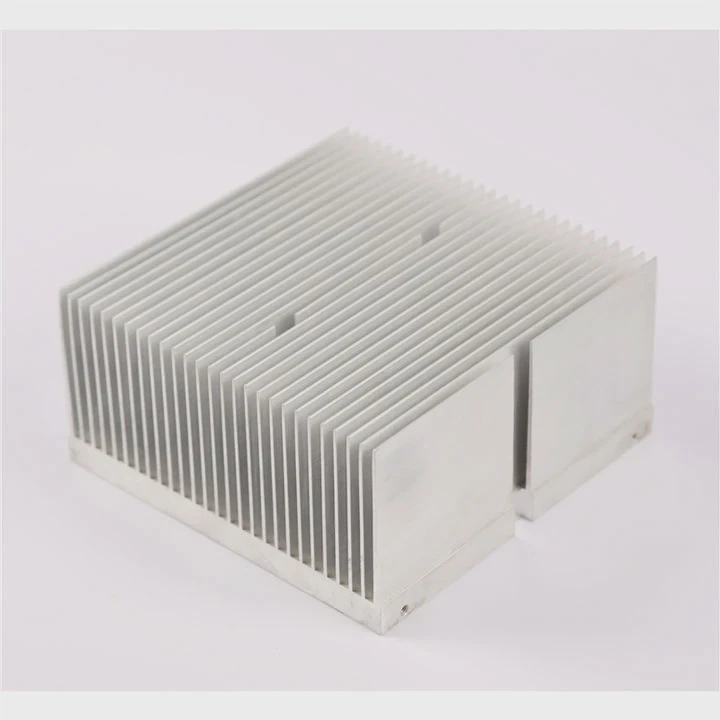
Aluminum is everywhere, but many buyers and readers still mix it up with steel, silver, or even plastic-like materials.
Aluminum is a light, strong, and useful metal. It comes from ore in the earth, but people must refine it before they can use it in products, parts, and structures.
That simple answer helps, but it does not explain why aluminum matters so much in daily life and in industry. To understand its value, it helps to look at its properties, where it comes from, why so many sectors choose it, and whether it should be called natural or processed.
What Are the Basic Properties of Aluminum?
Aluminum may look simple at first, but that first impression often causes confusion. Some people think a light metal must be weak. Others think a shiny metal must be expensive or hard to shape.
The basic properties of aluminum include low weight, good corrosion resistance, solid strength-to-weight ratio, good thermal and electrical conductivity, and easy formability.
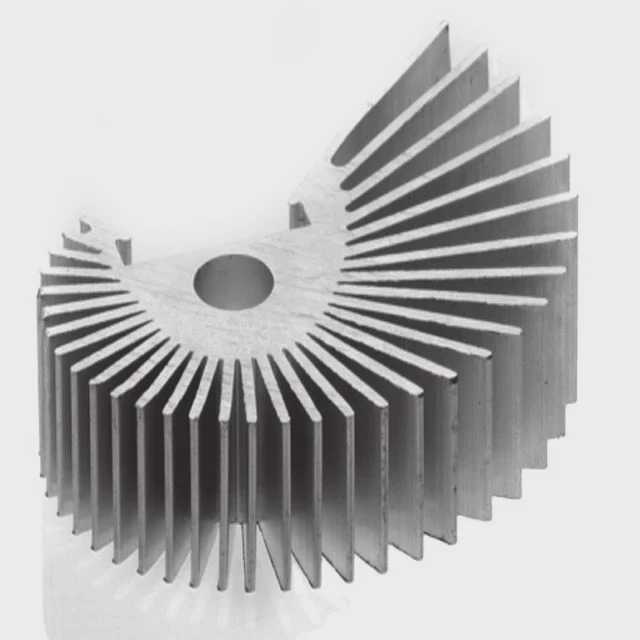
Aluminum stands out because it gives a useful mix of performance and practicality. It is a metal, but it is much lighter than steel. That matters in real work. When a designer needs to cut total system weight, aluminum often becomes the first material under review. A lighter part can reduce shipping cost, lower fuel use, and make assembly easier.
Low density and light weight
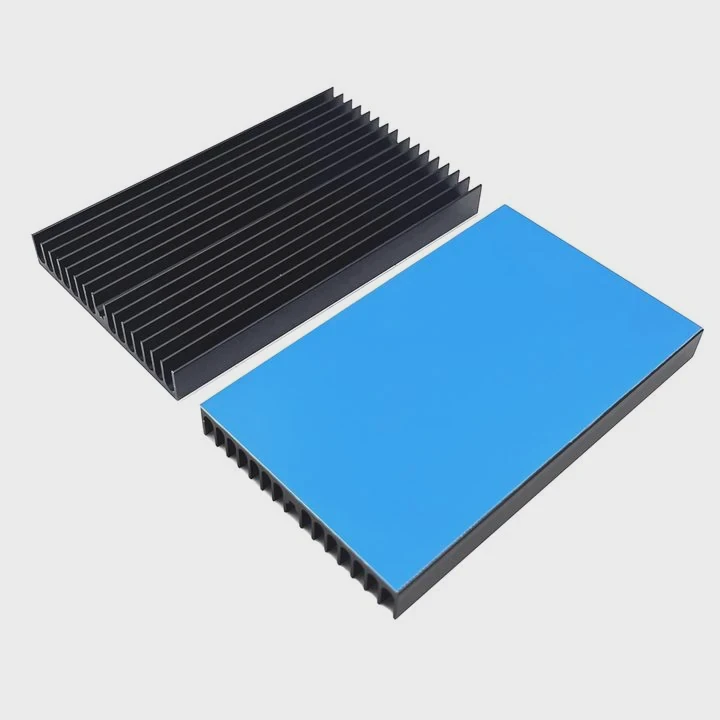
One of the first facts worth knowing is that aluminum has low density. In simple terms, it does not weigh much for its size. This is why aluminum is common in transport, electronics housings, heat sinks, window frames, and many consumer products.
A light material does not always solve every design problem, but it creates room for better engineering choices. A structure can be easier to move. A device can feel less heavy in the hand. A cooling part can add surface area without adding too much mass.
Corrosion resistance
Aluminum also resists corrosion well. This happens because it forms a thin oxide layer on its surface when it meets air. That layer protects the metal below it. This does not mean aluminum can never corrode, but it does explain why it performs well in many indoor and outdoor uses.
This natural surface protection is one reason why aluminum does well in construction and industrial settings. It often lasts a long time with less maintenance than some other metals.
Thermal and electrical performance
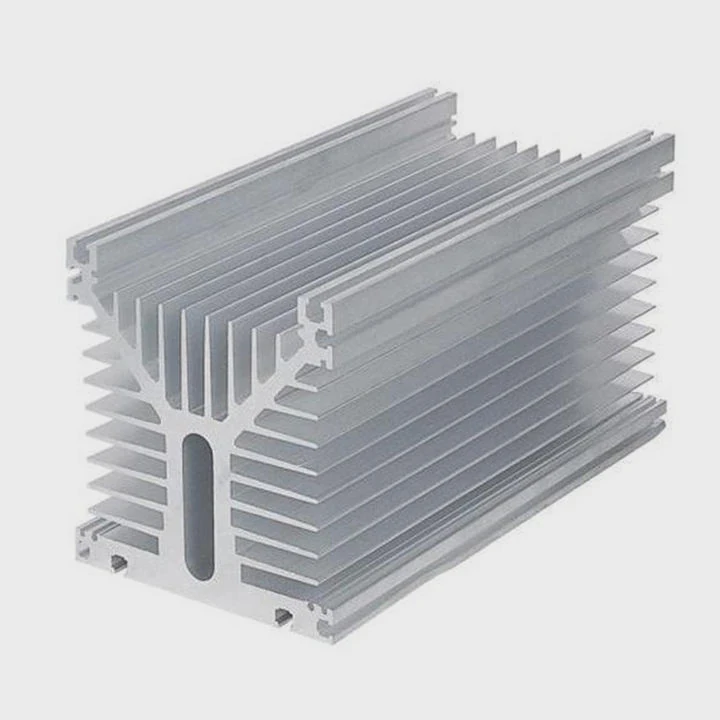
Another key point is conductivity. Aluminum transfers heat well, and it also carries electricity. It does not beat copper in every case, but it gives a strong balance of performance, weight, and cost. That is why aluminum is often used in cooling systems, power applications, and heat transfer parts.
Easy to shape and process
Aluminum is also easy to form, extrude, machine, stamp, cast, and weld in many applications. This helps manufacturers build simple parts and complex custom parts with more flexibility.
| Property | What it means in simple words | Why it matters |
|---|---|---|
| Light weight | Aluminum weighs less than many metals | Easier transport and lower system weight |
| Corrosion resistance | Surface oxide helps protect it | Longer service life |
| Good heat transfer | Moves heat away from hot areas | Useful for cooling parts |
| Good conductivity | Carries electrical current well | Useful in power systems |
| Formability | Easy to shape into many forms | Good for custom design |
When I explain aluminum to buyers or new readers, I usually describe it as a practical metal, not a magic one. It is not perfect. It can be softer than steel. Some grades are better for forming, while others are better for strength. Some applications need coatings, surface treatment, or special joining methods. Still, the basic set of properties is what makes aluminum so useful across many industries. It is light, workable, durable, and efficient. That mix is hard to ignore.
Where Is Aluminum Found in Nature?
Many people use aluminum products every day, but they do not always know where the metal begins. That gap creates a common misunderstanding. Some readers think aluminum comes out of the ground as shiny metal ready for use.
Aluminum is found in nature mainly inside minerals and ores, especially bauxite. It is one of the most common elements in the earth’s crust, but it is not usually found as pure metal in nature.
Aluminum is abundant in the earth’s crust. In fact, it is one of the most common elements there. Yet that does not mean we can collect pure aluminum directly from rocks in the same way that gold nuggets may be found in nature. Aluminum is highly reactive. Because of that, it usually bonds with oxygen and other elements.
Bauxite is the main source
The best-known aluminum ore is bauxite. Bauxite is not pure aluminum. It is a rock made up of aluminum-bearing minerals, along with iron oxides, silica, and other materials. Large bauxite deposits are found in several parts of the world, especially in tropical and subtropical regions where long-term weathering helped form these ores.
After mining, the bauxite must go through refining and smelting before it becomes usable aluminum metal. This is a major point. Nature provides the raw source, but industry must do the work to turn that source into a finished metal.
Aluminum in common minerals
Aluminum is also present in many common minerals like feldspar, mica, and clay. These materials are part of the earth around us. So while pure aluminum metal is rare in nature, aluminum as an element is very common.
This difference matters. When someone asks where aluminum is found, the best answer is not “in metal form.” The better answer is “in compounds inside ores and minerals.”
Natural presence vs usable form
That distinction can be easy to miss. In daily talk, people often connect “found in nature” with “ready to use.” But many useful materials do not work that way. Oil must be refined. Iron ore must be processed. Silicon for electronics must be purified. Aluminum follows the same pattern.
| Natural source | Form in nature | Can it be used directly as metal? |
|---|---|---|
| Bauxite | Aluminum-bearing ore | No |
| Clay minerals | Chemical compounds | No |
| Feldspar and mica | Aluminum-containing minerals | No |
| Pure aluminum metal | Extremely rare | Very limited occurrence |
In practical terms, the earth contains a lot of aluminum, but not in the clean, finished form used for parts or products. That is why the supply chain matters so much. Mining finds the source. Refining separates alumina from ore. Smelting turns alumina into aluminum metal. After that, fabricators shape it into sheets, bars, extrusions, castings, and finished components.
This journey from ore to usable metal is one reason aluminum has both natural and industrial value. It starts in the ground, but it becomes useful only after serious human effort. That truth helps explain why aluminum is common in modern life while still requiring advanced production methods.
Why Is Aluminum Widely Used?
A material can have good properties and still fail in the market. That happens all the time. Some materials are too costly. Some are too hard to process. Some work well in one test but poorly in real production.
Aluminum is widely used because it gives a strong mix of light weight, useful strength, corrosion resistance, heat transfer, design flexibility, recyclability, and cost efficiency in many industries.
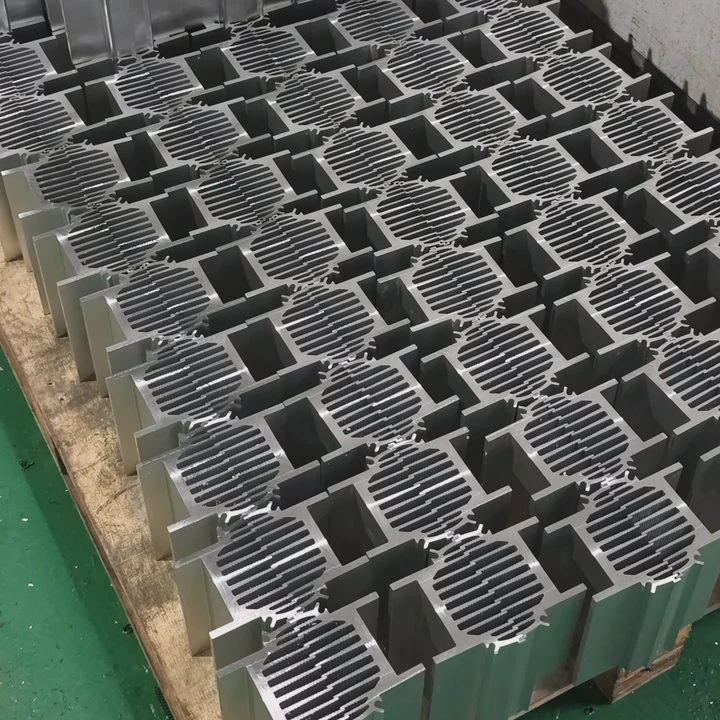
Aluminum succeeds because it solves many problems at once. It is not just one good metal for one special field. It fits many sectors, from transport and buildings to electronics, power systems, packaging, and thermal management.
It supports weight reduction
One of the biggest reasons is weight savings. In transport systems, lower weight can improve fuel economy, range, handling, and loading efficiency. In electronics and mechanical assemblies, lower weight can reduce stress on structures and make installation easier.
This is one reason aluminum appears in cars, trains, aircraft parts, battery systems, device housings, and industrial frames. A lighter design often improves the whole system, not just the single part.
It works well in thermal applications
Aluminum is also very valuable in heat control. Many industries need to move heat away from sensitive components. Power electronics, communication equipment, energy systems, medical devices, and industrial controls all face this issue.
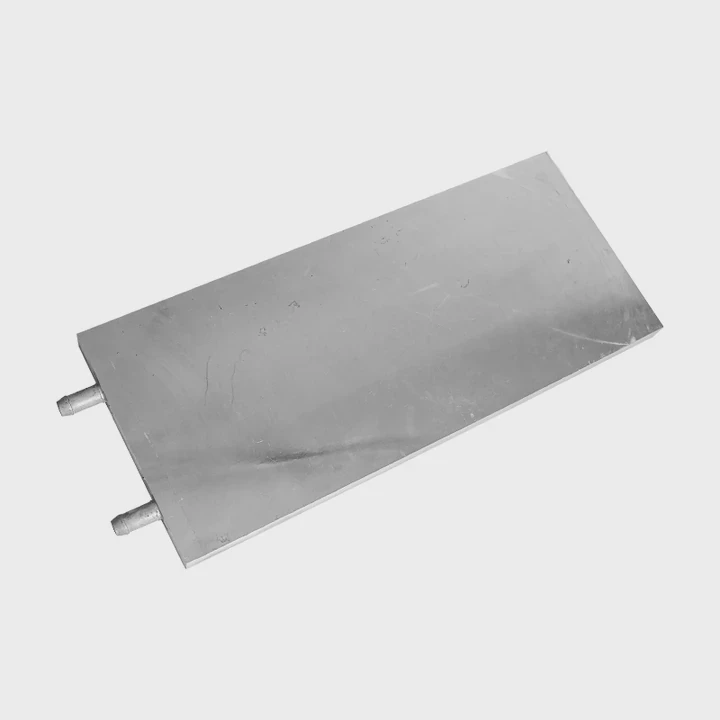
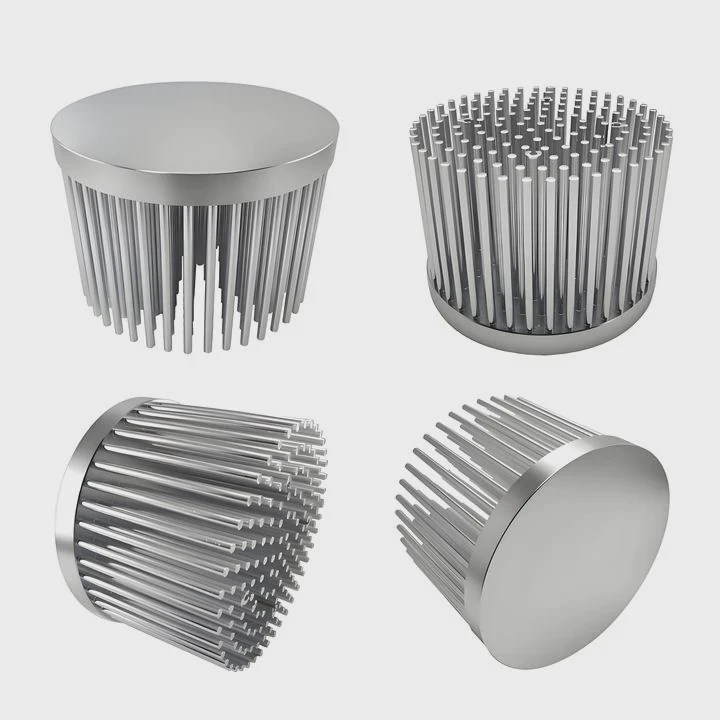
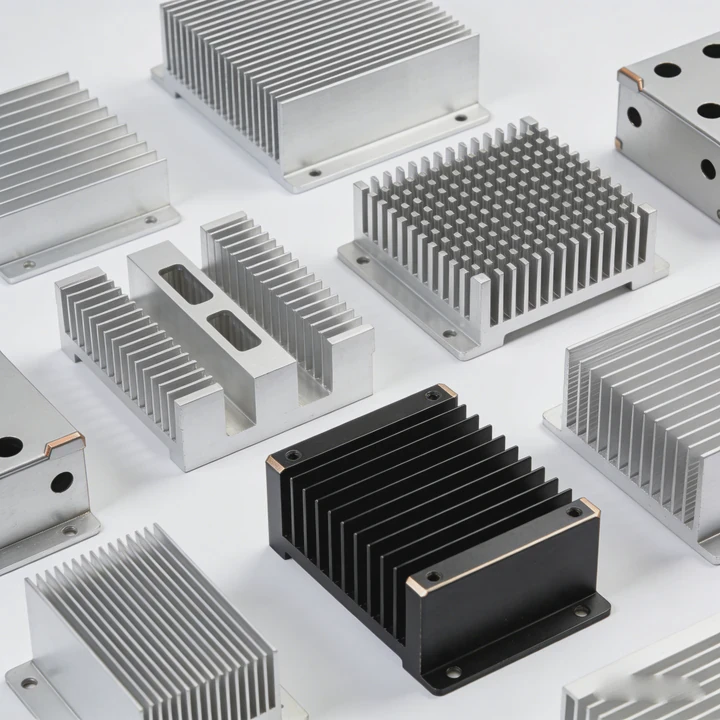
Because aluminum conducts heat well and can be shaped into fins, plates, channels, and complex cooling structures, it becomes a natural fit for heat sinks and thermal assemblies.
It is flexible for manufacturing
Another reason for its wide use is manufacturing flexibility. Aluminum can be extruded into long profiles, machined into precise parts, cast into shapes, rolled into sheet, and joined into assemblies. That range supports both standard products and custom development.
This makes aluminum attractive to companies that need design freedom. It can support simple mass production and also more advanced custom projects.
It helps with long-term value
Aluminum also offers long-term value because it resists corrosion and can be recycled well. In many sectors, service life matters as much as first cost. A part that lasts longer and needs less maintenance can become the better business choice over time.
Common uses across sectors
Here is a simple view of why aluminum shows up in so many products:
Main reasons industries choose aluminum
| Industry | Why aluminum fits |
|---|---|
| Electronics | Good heat transfer and light housings |
| Transportation | Lower weight and better efficiency |
| Construction | Corrosion resistance and easy fabrication |
| Power systems | Useful electrical conductivity |
| Packaging | Light, formable, and recyclable |
The wide use of aluminum is not an accident. It comes from balance. Steel may win on strength in some cases. Copper may win on conductivity. Plastics may win on cost in some designs. But aluminum often performs well across several needs at once. It does enough jobs well enough to become the smart middle ground.
From a business view, that balance is powerful. Designers can build for weight, performance, and manufacturability at the same time. Buyers can source a material with global acceptance and wide processing options. End users can get products that last, stay lighter, and often work better in harsh conditions. That is why aluminum is not just common. It is deeply built into modern industry.
Is Aluminum a Natural or Processed Material?
This question sounds simple, but many people still get stuck on it. They hear that aluminum comes from the earth, so they call it natural. Then they see refining, smelting, and fabrication, so they call it processed.
Aluminum is both natural and processed in different stages: the element exists naturally in the earth, but usable aluminum metal is a processed material made through industrial refining and smelting.
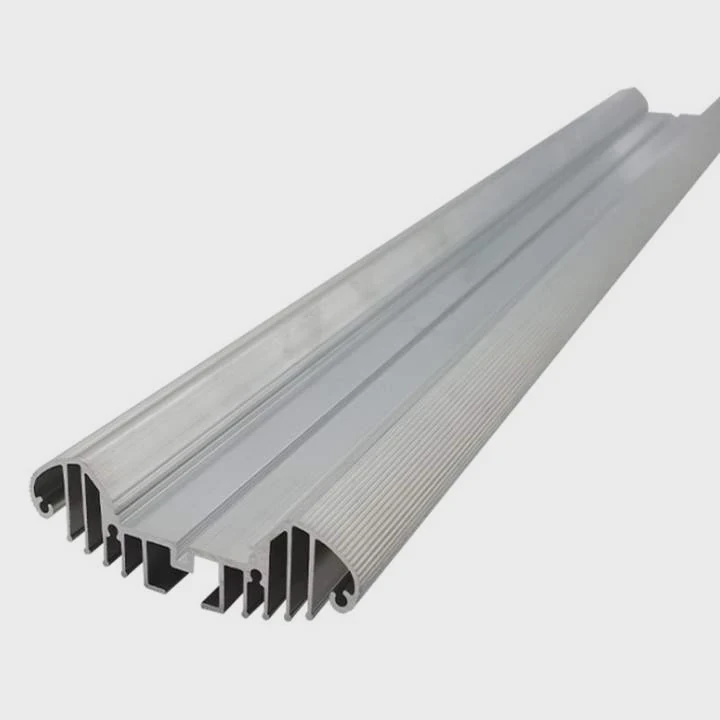
The confusion comes from mixing the element with the product. Aluminum as an element is natural. It exists in nature inside ores and minerals. But the aluminum used in sheets, profiles, housings, heat sinks, and structural parts is processed. It does not appear in finished industrial form by itself.
The natural part
At the raw level, aluminum belongs to the natural world. It is part of the earth’s crust. Bauxite, clay, and other minerals contain aluminum compounds. So it is fair to say aluminum has a natural origin.
That matters when discussing material science, geology, and resource supply. The source is not synthetic in the way some plastics are. The starting point is a mined natural resource.
The processed part
At the same time, finished aluminum is clearly a processed material. Making it requires several industrial steps. First, miners extract bauxite. Next, refineries turn bauxite into alumina. Then smelters use large amounts of energy to separate aluminum metal from alumina. After that, manufacturers cast, roll, extrude, machine, join, and finish the metal into useful forms.
This means the aluminum in a window frame, heat sink, car body part, or device enclosure is not natural in the raw sense. It is engineered material.
Why the distinction matters
This difference matters in technical writing, sourcing, sustainability talk, and customer communication. A person asking whether aluminum is natural may really be asking one of several different things:
What the question may really mean
1. Does aluminum come from the earth?
Yes. Its source is natural.
2. Is aluminum ready to use straight from nature?
No. It must be processed.
3. Is aluminum man-made?
The element is not man-made, but usable metal products are industrially made.
4. Is recycled aluminum still aluminum?
Yes. Recycling changes the production route, but the material remains aluminum.
A clear way to explain it is this: wood can come from a tree, but a finished table is processed. Cotton can grow in a field, but a finished shirt is processed. In the same way, aluminum begins in nature, but industrial aluminum is a processed material.
This balanced answer is usually the most honest one. Calling aluminum only natural leaves out the real manufacturing effort. Calling it only processed hides its natural source. Good material education should include both truths. That is how readers, buyers, and engineers get a more accurate view of what aluminum really is and how it moves from geology to industry.
Conclusion
Aluminum is a natural element with a processed industrial life. Its light weight, corrosion resistance, heat transfer, and flexibility explain why it matters so much in modern products, structures, and thermal systems.