How to Clean Aluminum?
- Yongxing
- 05 Mar ,2026
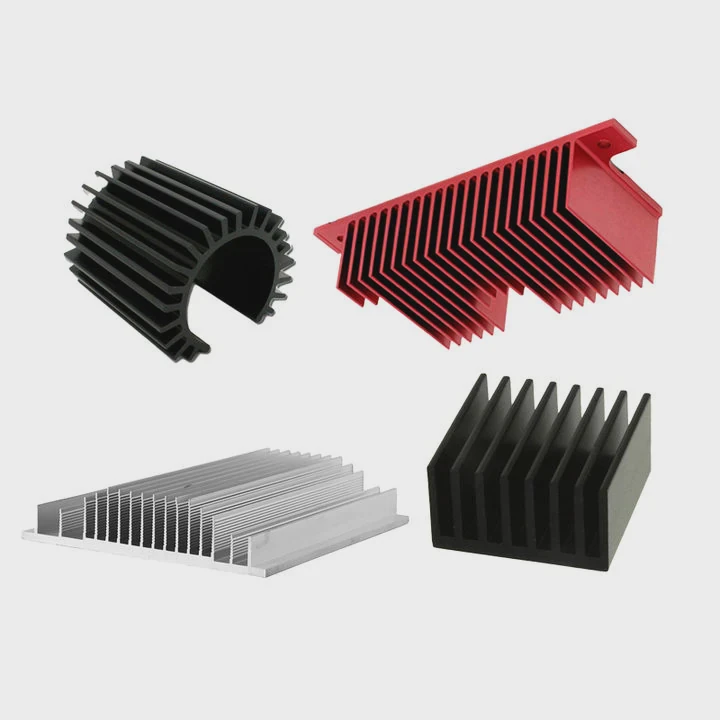
Aluminum surfaces often lose their shine after long exposure to air, moisture, or dirt. Stains, oxidation, and grease can quickly make aluminum look old and poorly maintained.
Cleaning aluminum requires gentle cleaners, proper techniques, and careful protection of the surface. Using mild detergents, soft tools, and suitable household solutions can remove stains and restore aluminum without damaging the metal.
Aluminum is widely used in electronics, vehicles, industrial equipment, and household items. Because the metal is lightweight and corrosion resistant, many industries rely on it. However, its surface still requires regular cleaning to maintain appearance and performance.
What cleaners are safe for aluminum surfaces?
Many people assume that strong cleaners work best on metal surfaces. However, harsh chemicals can damage aluminum. Using the wrong cleaner may leave stains, discoloration, or even surface corrosion.
Safe cleaners for aluminum include mild dish soap, pH-neutral detergents, aluminum-specific cleaners, and soft cleaning solutions that remove dirt without damaging the protective oxide layer.
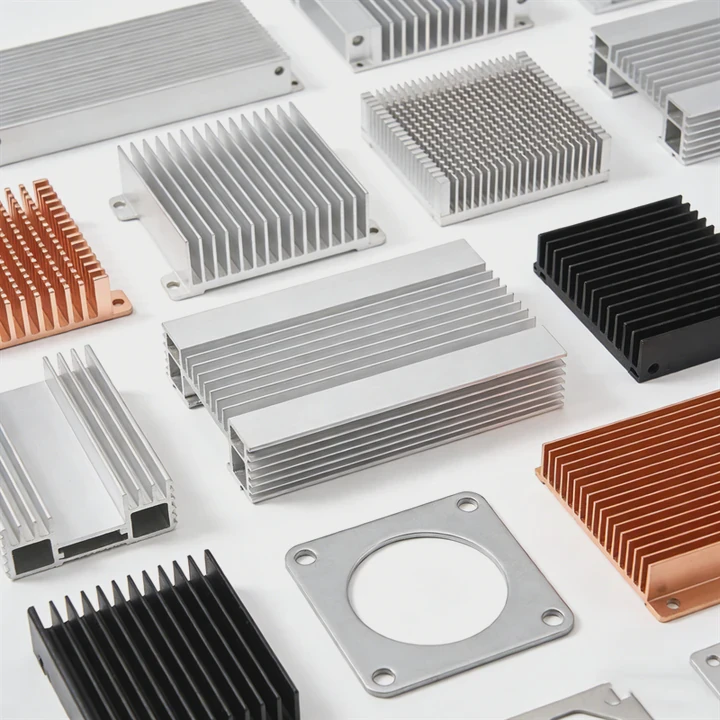
Aluminum naturally forms a thin oxide layer when exposed to air. This layer protects the metal from deeper corrosion. Safe cleaners must preserve this layer while removing dirt and oxidation.
Mild Soap and Water
Simple soap and warm water remain the safest cleaning solution for aluminum surfaces. This method removes dust, grease, and light stains.
The process is simple:
- Mix warm water with mild dish soap
- Use a soft cloth or sponge
- Gently wipe the aluminum surface
- Rinse with clean water
- Dry with a soft towel
This method works well for most aluminum parts.
pH-Neutral Cleaning Products
pH-neutral cleaners are widely used in industrial cleaning. These products remove oil and dirt without reacting with aluminum.
Neutral cleaners are especially useful for:
- Aluminum equipment panels
- Heat exchanger housings
- Electronic enclosures
- Decorative aluminum parts
Aluminum-Specific Cleaners
Some cleaning products are designed specifically for aluminum surfaces. These cleaners contain controlled chemical formulas that dissolve oxidation and stains without damaging the metal.
Manufacturers often use these cleaners during equipment maintenance.
Comparison of Safe Aluminum Cleaners
| Cleaner Type | Safety Level | Typical Application |
|---|---|---|
| Mild dish soap | Very safe | Household cleaning |
| pH-neutral detergent | Safe | Industrial equipment |
| Aluminum cleaner | Safe if used correctly | Surface restoration |
| Warm water rinse | Very safe | Regular maintenance |
Cleaning Tools Matter
The cleaning tool is as important as the cleaning solution.
Soft cloths, microfiber towels, and non-abrasive sponges are recommended. Hard brushes and steel wool should be avoided because they scratch aluminum easily.
Why Gentle Cleaning Works Better
Aluminum is softer than many metals such as steel. Aggressive scrubbing can remove the oxide layer and expose fresh metal.
Once exposed, the metal may oxidize unevenly and create dull patches.
Gentle cleaning methods maintain the surface condition. This approach helps aluminum parts keep their appearance and durability over time.
Which household methods remove stains from aluminum?
Many aluminum surfaces develop stains from cooking oils, water minerals, oxidation, or environmental exposure. When commercial cleaners are not available, several household methods can remove these stains effectively.
Common household methods for removing aluminum stains include baking soda paste, lemon juice cleaning, vinegar rinsing, and boiling water treatments. These methods use mild chemical reactions to break down oxidation and dirt.
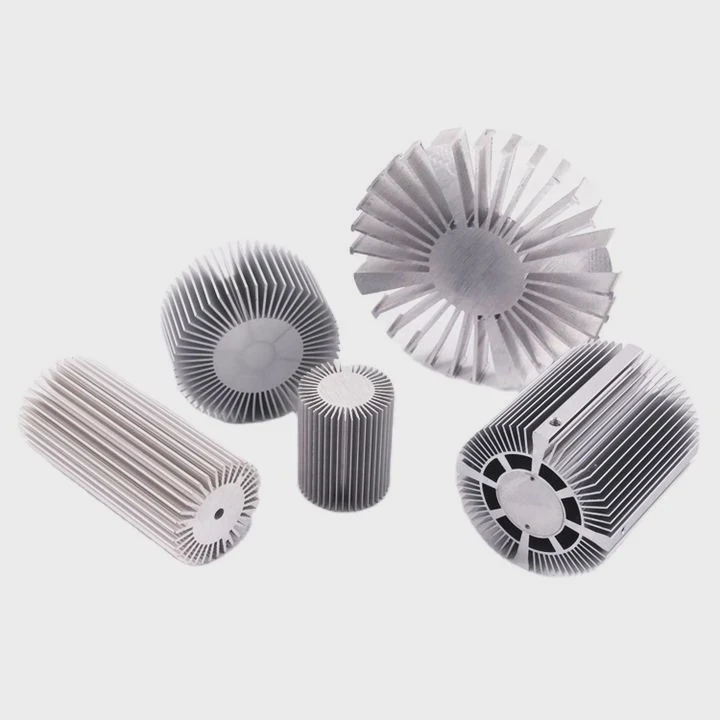
Household solutions are popular because they are simple and inexpensive. Many kitchens already contain these materials.
Baking Soda Cleaning
Baking soda is a mild abrasive. It helps remove surface stains without scratching aluminum heavily.
To use baking soda:
- Mix baking soda with water to form a paste
- Apply the paste to the stained surface
- Rub gently with a soft cloth
- Rinse with warm water
- Dry completely
This method works well for cookware and decorative aluminum parts.
Lemon Juice Cleaning
Lemon juice contains citric acid. This natural acid dissolves oxidation and mineral deposits.
The process often involves:
- Applying lemon juice to the stained area
- Allowing it to sit for several minutes
- Wiping with a soft cloth
- Rinsing with water
The result is often a brighter aluminum surface.
Boiling Water Treatment
For aluminum cookware, boiling water with mild acid can remove stubborn stains.
A simple process includes:
- Filling the aluminum pot with water
- Adding lemon slices or vinegar
- Heating the mixture until it boils
- Letting the solution sit briefly
- Washing and rinsing afterward
This method loosens stains that stick to cookware surfaces.
Household Cleaning Method Comparison
| Method | Cleaning Strength | Best Use |
|---|---|---|
| Baking soda paste | Mild abrasive | Removing stains |
| Lemon juice | Mild acid | Oxidation cleaning |
| Vinegar solution | Acid cleaning | Mineral deposits |
| Boiling treatment | Moderate cleaning | Cookware restoration |
Important Cleaning Tips
When using household methods, gentle handling remains important.
Avoid excessive scrubbing because aluminum scratches easily. After cleaning, the surface should always be rinsed thoroughly.
Why These Methods Work
Many stains on aluminum are caused by oxidation or mineral deposits. Mild acids dissolve these materials. Mild abrasives remove them physically.
The combination of chemical and mechanical cleaning restores the aluminum surface without aggressive chemicals.
These household techniques are simple but effective. They are suitable for kitchen items, decorative aluminum pieces, and light household maintenance.
Why should acidic cleaners be avoided on aluminum?
Acidic cleaners are commonly used to remove rust, mineral deposits, and stains. However, these cleaners can damage aluminum if used improperly.
Strong acidic cleaners should be avoided because they react with aluminum, break down the protective oxide layer, and cause corrosion, discoloration, or surface pitting.
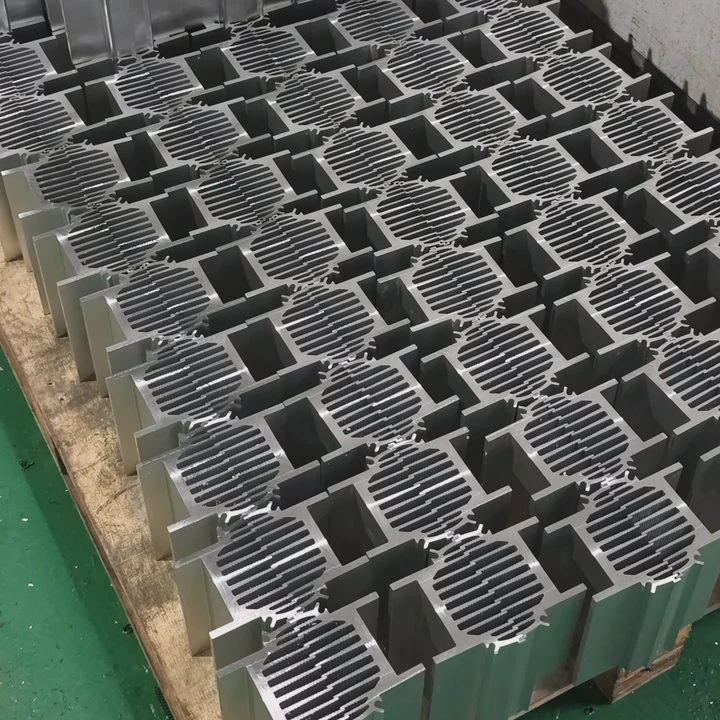
Aluminum reacts differently than metals like stainless steel. Strong acids attack the surface quickly.
Chemical Reaction with Aluminum
When strong acids contact aluminum, a chemical reaction occurs. The acid dissolves the oxide layer and begins to attack the metal underneath.
This process may create:
- Surface pits
- Dark stains
- Rough texture
- Structural weakening
Even short exposure can leave permanent marks.
Common Acidic Cleaners That Cause Problems
Some cleaning products contain strong acids that should not be used on aluminum.
Examples include:
- Hydrochloric acid cleaners
- Sulfuric acid cleaners
- Heavy-duty rust removers
- Industrial descaling chemicals
These products are designed for harder metals.
Signs of Acid Damage
When aluminum reacts with acid, several visible signs appear.
| Damage Type | Description |
|---|---|
| Dark discoloration | Surface turns gray or black |
| Pitting | Small holes form on surface |
| Rough texture | Surface loses smooth finish |
| Dull appearance | Shine disappears |
These effects reduce both appearance and structural quality.
Safe Alternatives to Strong Acids
Instead of strong acids, safer options include:
- pH-neutral detergents
- mild organic acids such as citric acid
- aluminum-safe cleaning solutions
These alternatives remove dirt while protecting the metal.
Industrial Considerations
In industrial equipment, aluminum surfaces often require strict maintenance procedures. Improper cleaners may damage precision surfaces or heat transfer structures.
For example, aluminum heat exchangers rely on smooth surfaces for efficient thermal performance. Acid damage may reduce heat transfer efficiency.
Maintenance teams usually follow controlled cleaning procedures. These procedures specify safe chemicals and cleaning durations.
Understanding how aluminum reacts with chemicals helps prevent accidental damage. Using gentle cleaners protects both appearance and functionality.
Can vinegar be used to clean aluminum safely?
Vinegar is one of the most common household cleaners. Many people use it to remove stains, mineral deposits, and grease. However, questions often arise about whether vinegar is safe for aluminum.
Vinegar can be used to clean aluminum safely if it is diluted and applied for a short period. Its mild acetic acid helps dissolve oxidation and mineral stains without causing significant surface damage.
Vinegar contains acetic acid, which is weaker than many industrial acids. Because of this, it can clean aluminum when used carefully.
Why Vinegar Works
Many aluminum stains come from mineral deposits or oxidation layers.
Acetic acid reacts with these materials and dissolves them. As a result, stains become easier to remove.
Proper Vinegar Cleaning Method
A safe cleaning process often follows these steps:
- Mix equal parts vinegar and water
- Apply the solution to the aluminum surface
- Let it sit for several minutes
- Wipe gently with a soft cloth
- Rinse thoroughly with clean water
- Dry the surface completely
Dilution is important because concentrated vinegar may cause mild discoloration if left too long.
Situations Where Vinegar Works Well
Vinegar cleaning works best for:
- Water spots
- Light oxidation
- Mineral deposits
- Kitchen aluminum items
It is widely used for cleaning aluminum cookware and utensils.
Situations Where Vinegar Should Be Limited
Vinegar should not be used for long soaking periods. Prolonged exposure can weaken the surface.
It should also be avoided for:
- anodized aluminum surfaces
- highly polished aluminum finishes
- sensitive industrial components
Vinegar Safety Comparison
| Cleaning Method | Safety Level | Recommended Use |
|---|---|---|
| Diluted vinegar | Generally safe | Light stain removal |
| Undiluted vinegar | Moderate risk | Short contact only |
| Long vinegar soaking | Risky | Not recommended |
| Vinegar with heat | Use carefully | Cookware cleaning |
Best Practices for Aluminum Cleaning
After vinegar cleaning, rinsing the surface is very important. Residual acid may slowly react with aluminum if left behind.
Drying the surface also prevents water spots from forming.
Many maintenance routines combine vinegar cleaning with mild soap washing afterward. This approach neutralizes remaining acid and restores the surface condition.
Vinegar is a useful cleaning tool when used correctly. With proper dilution and controlled exposure time, it can remove stains while keeping aluminum surfaces safe.
Conclusion
Cleaning aluminum requires gentle techniques and suitable cleaners. Mild detergents, household solutions, and careful handling help remove stains without damaging the metal. By avoiding harsh chemicals and using safe cleaning methods, aluminum surfaces can remain clean, bright, and durable for many years.