How to Polish Aluminum?
- Yongxing
- 05 Mar ,2026
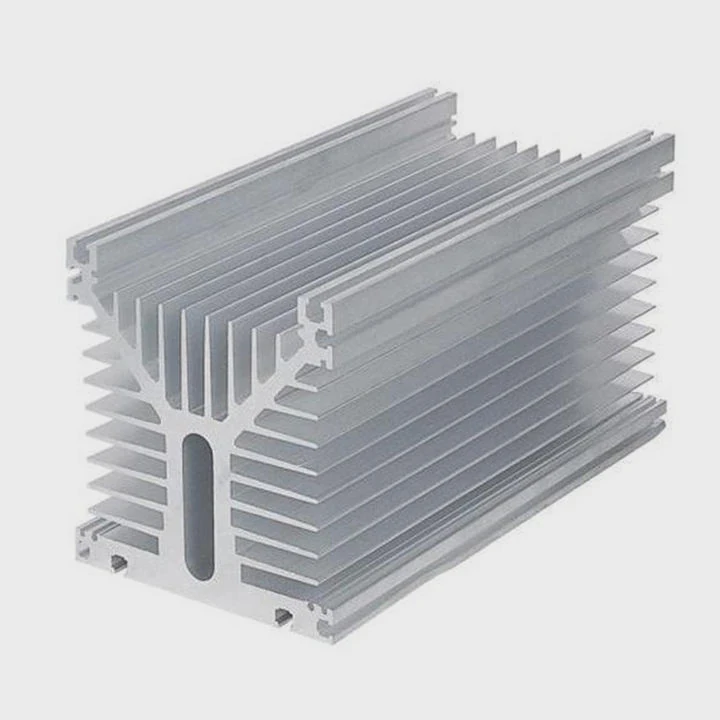
Many aluminum parts look dull, scratched, or oxidized after machining or long use. This problem reduces appearance and sometimes affects product value. Many people struggle to achieve a smooth, mirror-like finish.
Polishing aluminum requires proper surface preparation, the right polishing tools, and suitable compounds. By gradually refining the surface with abrasives and polishing compounds, aluminum can achieve a smooth, reflective finish while maintaining its structural integrity.
Many industries rely on polished aluminum surfaces. Electronics, aerospace, rail transport, and energy equipment all require stable surface finishes. Understanding the polishing process helps engineers and manufacturers achieve consistent quality.
What tools are best for polishing aluminum surfaces?
Polishing aluminum often fails because the wrong tools are used. Rough abrasives can damage the surface, while weak tools may not remove oxidation. Choosing proper tools is the first step toward a high-quality aluminum finish.
The best tools for polishing aluminum include sanding discs, polishing wheels, buffing machines, and soft cloth wheels. These tools gradually smooth the surface and help polishing compounds create a reflective finish.
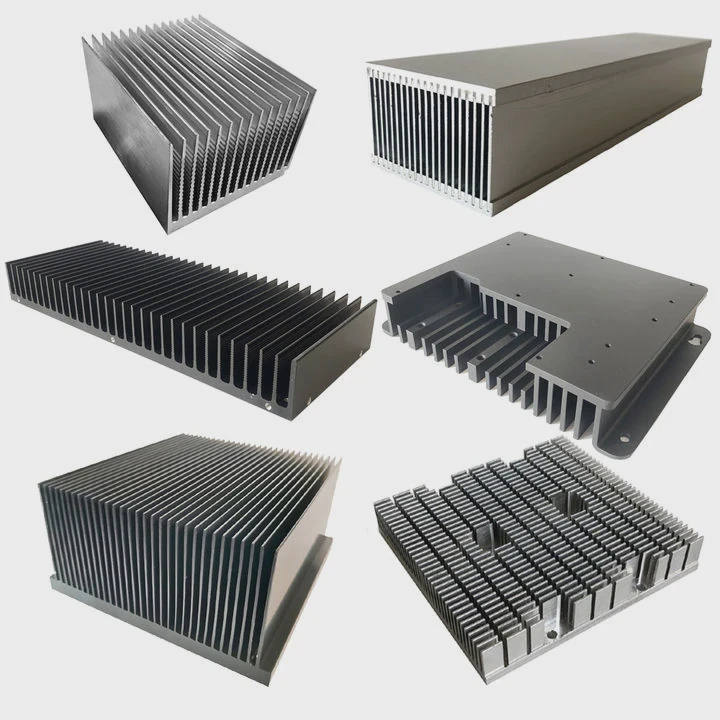
Polishing aluminum is a step-by-step process. Each stage uses a different tool. The goal is to slowly remove scratches and create a uniform surface.
Basic Aluminum Polishing Tool Chain
The polishing process usually begins with abrasive tools. After that, polishing wheels refine the surface. Finally, soft buffing wheels create shine.
| Stage | Tool Type | Purpose |
|---|---|---|
| Surface leveling | Sandpaper / sanding disc | Remove machining marks |
| Pre-polishing | Felt wheel / fiber wheel | Smooth surface scratches |
| Fine polishing | Cotton buffing wheel | Create reflective finish |
| Mirror finishing | Soft cloth wheel | Produce mirror shine |
Common Polishing Equipment
1. Angle Grinder with Flap Disc
This tool is common in metal workshops. It removes rough scratches quickly. However, the operator must control pressure. Too much pressure can damage aluminum.
2. Bench Polishing Machine
This machine is widely used in industrial polishing. It spins polishing wheels at stable speeds. Many manufacturers prefer it because it gives consistent results.
3. Rotary Tool
Small rotary tools are useful for detailed work. They polish small parts or tight corners. However, they are slower than industrial equipment.
Selecting the Right Polishing Wheel
Different wheels produce different results.
| Wheel Type | Best Use | Surface Result |
|---|---|---|
| Sisal wheel | Heavy cutting | Removes rough marks |
| Felt wheel | Medium polishing | Smooth surface |
| Cotton wheel | Fine polishing | Bright shine |
| Flannel wheel | Final finishing | Mirror effect |
Why Tool Selection Matters
Aluminum is softer than steel. Hard polishing wheels can cut too deep. Soft wheels distribute pressure more evenly. This helps protect the surface.
Many manufacturers combine automated polishing systems with manual inspection. This approach helps maintain consistent quality.
A well-planned polishing setup saves time. It also reduces the risk of uneven finishes. Proper tools ensure the aluminum surface becomes smooth and reflective rather than scratched or cloudy.
Which polishing compounds work well on aluminum?
Many people polish aluminum but fail to achieve a bright finish. The surface still looks cloudy or uneven. In many cases, the polishing compound is the real problem.
Aluminum polishing works best with compounds designed for soft metals, such as tripoli, white rouge, or green chromium compounds. These materials remove fine scratches and create a smooth reflective surface.
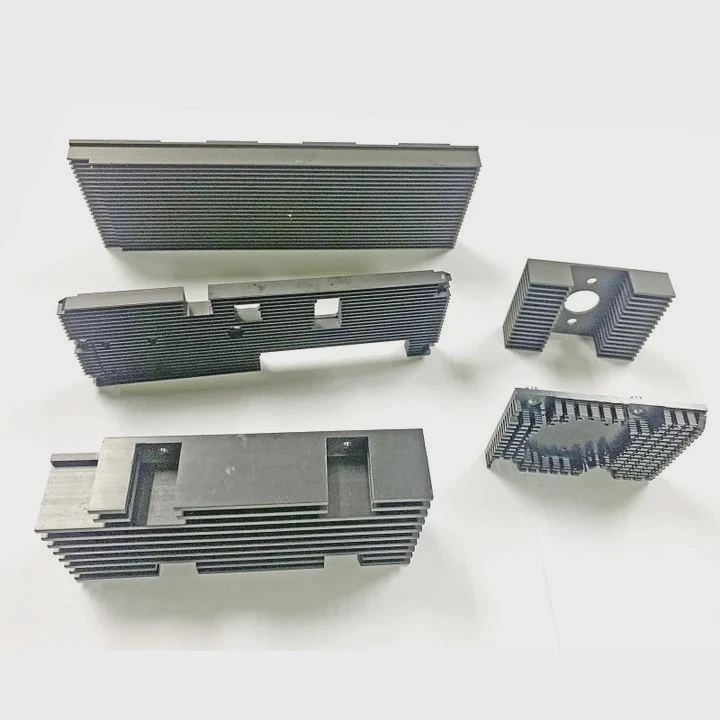
Polishing compounds contain fine abrasive particles. These particles cut microscopic layers of metal. Each compound has a different cutting strength.
Types of Aluminum Polishing Compounds
Brown Tripoli Compound
Tripoli is often the first polishing compound used. It removes sanding marks and prepares the surface for finer polishing.
It works well with sisal or felt polishing wheels.
White Rouge Compound
White rouge is a finishing compound. It produces a bright and smooth aluminum surface. It is often used with cotton buffing wheels.
Green Chromium Compound
This compound provides very fine polishing. Many technicians use it to achieve mirror surfaces.
Comparison of Common Compounds
| Compound | Cutting Strength | Typical Stage |
|---|---|---|
| Brown Tripoli | Medium | Pre-polishing |
| White Rouge | Fine | Surface brightening |
| Green Compound | Very fine | Mirror finishing |
Why Aluminum Needs Specialized Compounds
Aluminum reacts quickly with oxygen. This creates a thin oxide layer. Regular steel polishing compounds may not remove this layer efficiently.
Soft metal compounds cut gently. They remove oxidation without creating deep scratches.
Compound Application Tips
Polishing compounds must be applied carefully.
- Apply a small amount to the spinning wheel
- Avoid excessive compound buildup
- Clean the wheel before changing compounds
- Use separate wheels for different compounds
Many technicians overlook the importance of compound sequence. However, the polishing process depends on gradual refinement.
Each step removes smaller scratches than the previous one. This controlled approach helps produce a clean reflective aluminum surface.
Why does aluminum turn dull after polishing?
Many polished aluminum parts look perfect at first. However, after several days or weeks, the surface becomes dull again. This problem confuses many users.
Aluminum turns dull after polishing because it quickly forms an oxide layer when exposed to air. This natural reaction protects the metal but reduces its shine.
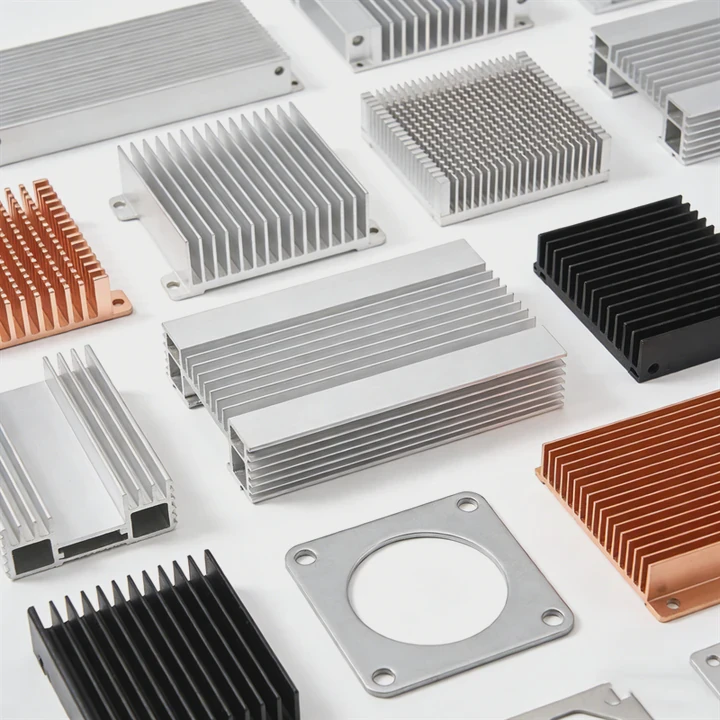
Aluminum oxidation is a natural chemical process. When aluminum contacts oxygen, a thin oxide film forms on the surface.
Understanding Aluminum Oxidation
This oxide layer forms very quickly. In many cases, it appears within hours.
However, the layer is extremely thin. It protects the aluminum from deeper corrosion. That is why aluminum structures are durable in many environments.
Effects of Oxidation on Surface Finish
The oxide layer scatters light instead of reflecting it. As a result, the surface looks dull rather than shiny.
Polished aluminum surfaces are especially sensitive to oxidation.
Factors That Accelerate Dulling
Several environmental factors speed up this process.
| Factor | Impact on Aluminum Surface |
|---|---|
| Moisture | Speeds up oxidation |
| Salt air | Causes faster corrosion |
| Industrial pollution | Damages surface finish |
| Fingerprints | Leave chemical residue |
Protective Methods After Polishing
To maintain shine, the polished surface needs protection.
Clear Coating
Many manufacturers apply transparent coatings. These coatings seal the aluminum surface and prevent oxidation.
Wax Protection
Wax is often used for decorative aluminum parts. It forms a thin protective layer.
Anodizing
Anodizing creates a controlled oxide layer. This layer is stronger and more uniform than natural oxidation.
Industrial Surface Protection
In industrial products, surface protection is critical. Many aluminum components operate in harsh environments. High humidity, vibration, and temperature changes affect surface quality.
Engineers often combine polishing with protective coatings. This method improves both appearance and durability.
Understanding oxidation helps explain why polished aluminum does not remain shiny forever. Proper protection methods are necessary to maintain long-term surface quality.
Can household items polish aluminum effectively?
Many people search for simple ways to polish aluminum at home. Professional polishing compounds may not always be available. In these situations, household items can provide temporary solutions.
Some household items such as baking soda, vinegar, toothpaste, and lemon juice can polish aluminum lightly. These materials contain mild abrasives or acids that help remove oxidation and surface stains.
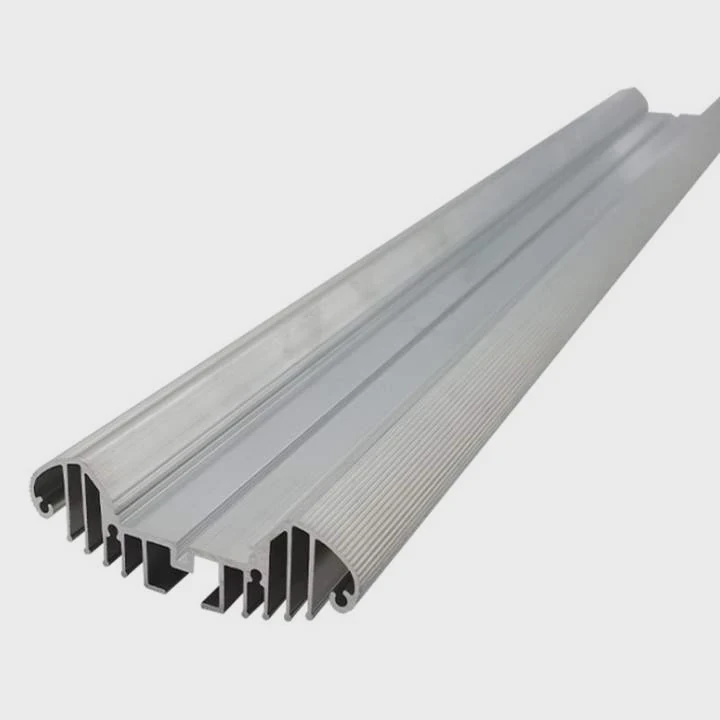
These household solutions work best for light cleaning. They are not suitable for deep scratches or industrial polishing.
Baking Soda Paste
Baking soda acts as a mild abrasive. When mixed with water, it forms a polishing paste.
The paste gently removes oxidation from aluminum surfaces.
Steps often include:
- Mix baking soda with water
- Apply paste to aluminum surface
- Rub with soft cloth
- Rinse and dry
Vinegar Cleaning
Vinegar contains acetic acid. This acid dissolves oxidation and mineral deposits.
Warm vinegar works even better for stubborn stains.
Toothpaste Polishing
Toothpaste contains very fine abrasive particles. These particles can polish small aluminum objects.
However, the polishing strength is limited.
Lemon and Salt Method
Lemon juice contains citric acid. Salt adds mild abrasive action. Together they help remove oxidation stains.
Effectiveness Comparison
| Household Item | Cleaning Strength | Best Use |
|---|---|---|
| Baking soda | Mild abrasive | Surface cleaning |
| Vinegar | Acid cleaning | Oxidation removal |
| Toothpaste | Very mild polish | Small items |
| Lemon + salt | Acid + abrasive | Removing stains |
Limitations of Household Polishing
Household items cannot replace professional polishing systems.
Industrial aluminum parts require controlled polishing steps. Surface roughness must meet engineering standards.
Household solutions mainly restore appearance rather than achieve precision finishes.
However, these simple methods remain useful for light cleaning. They can restore shine on kitchen utensils, decorative items, or aluminum trim.
For high-performance applications, professional polishing tools and compounds are always the better choice.
Conclusion
Polishing aluminum requires proper tools, suitable compounds, and careful surface preparation. While aluminum oxidizes quickly, protective treatments can preserve its shine. From industrial polishing systems to simple household methods, understanding the process helps achieve smoother and more durable aluminum surfaces.