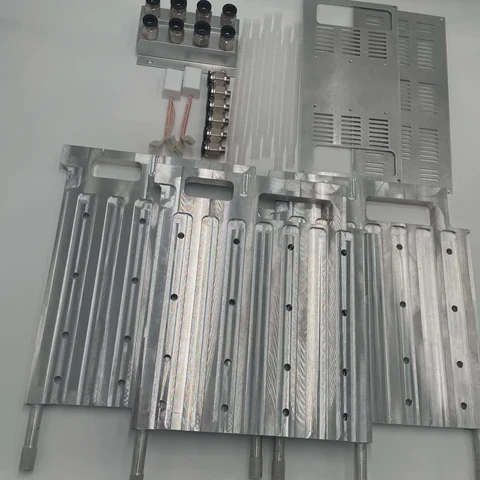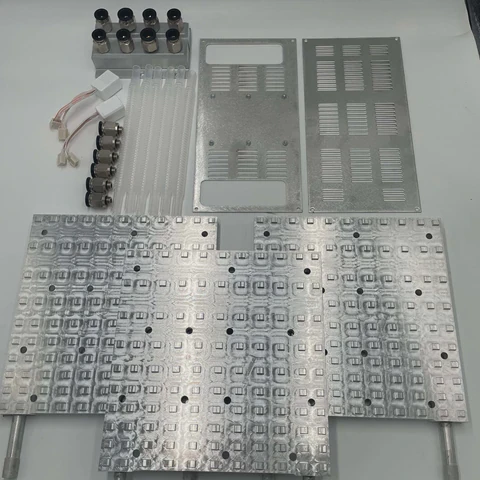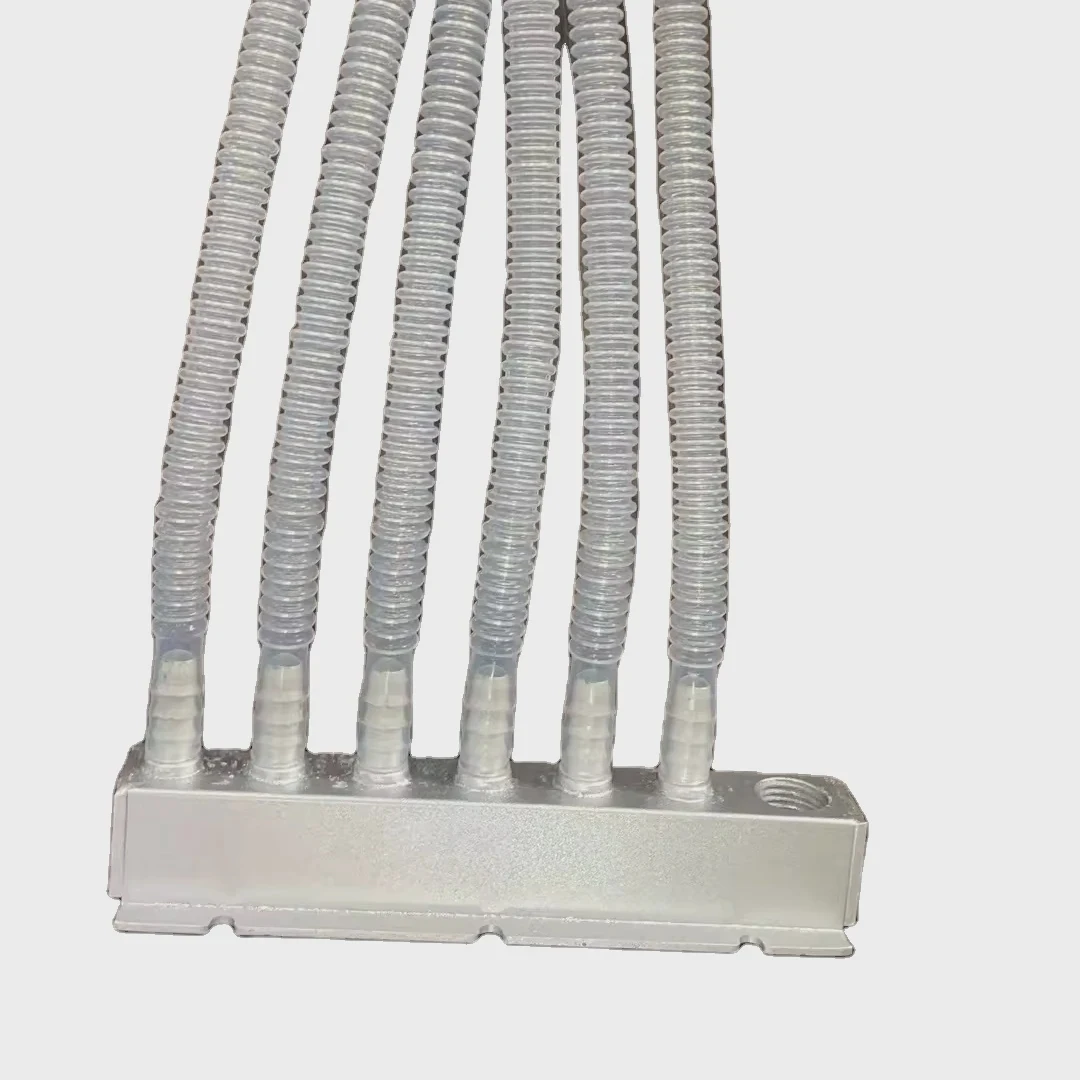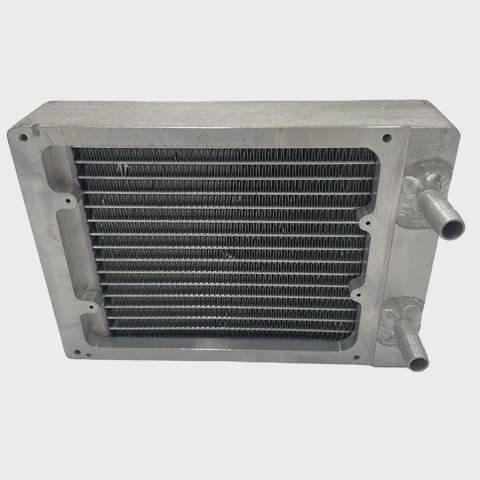
Products Details
| application | Refrigeration Parts |
| type | Refrigeration Compressor |
| machinery test report | Provided |
| video outgoing-inspection | Provided |
| weight (kg) | 5 |
| Material | Aluminum |
| Certification | RoHS |
| Fan Life | 100000 Hrs |
| Noise | Other |
| Fan Size | other |
| Fan Speed Control | other |
| Application | Universal model |
| LED Color | NO |
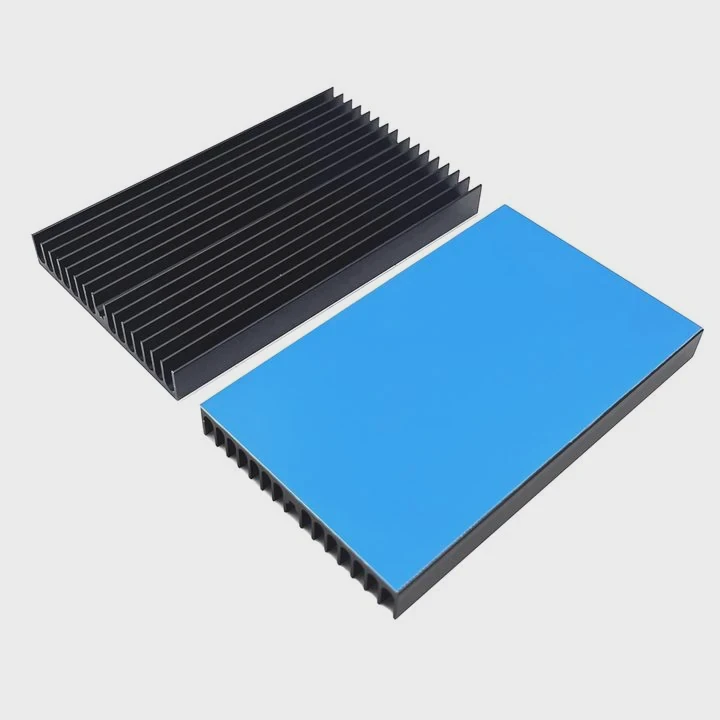
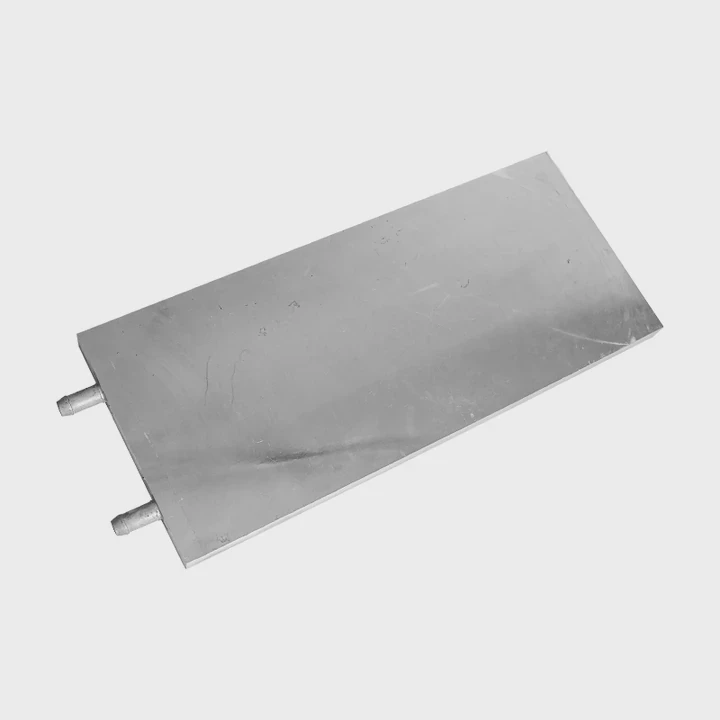
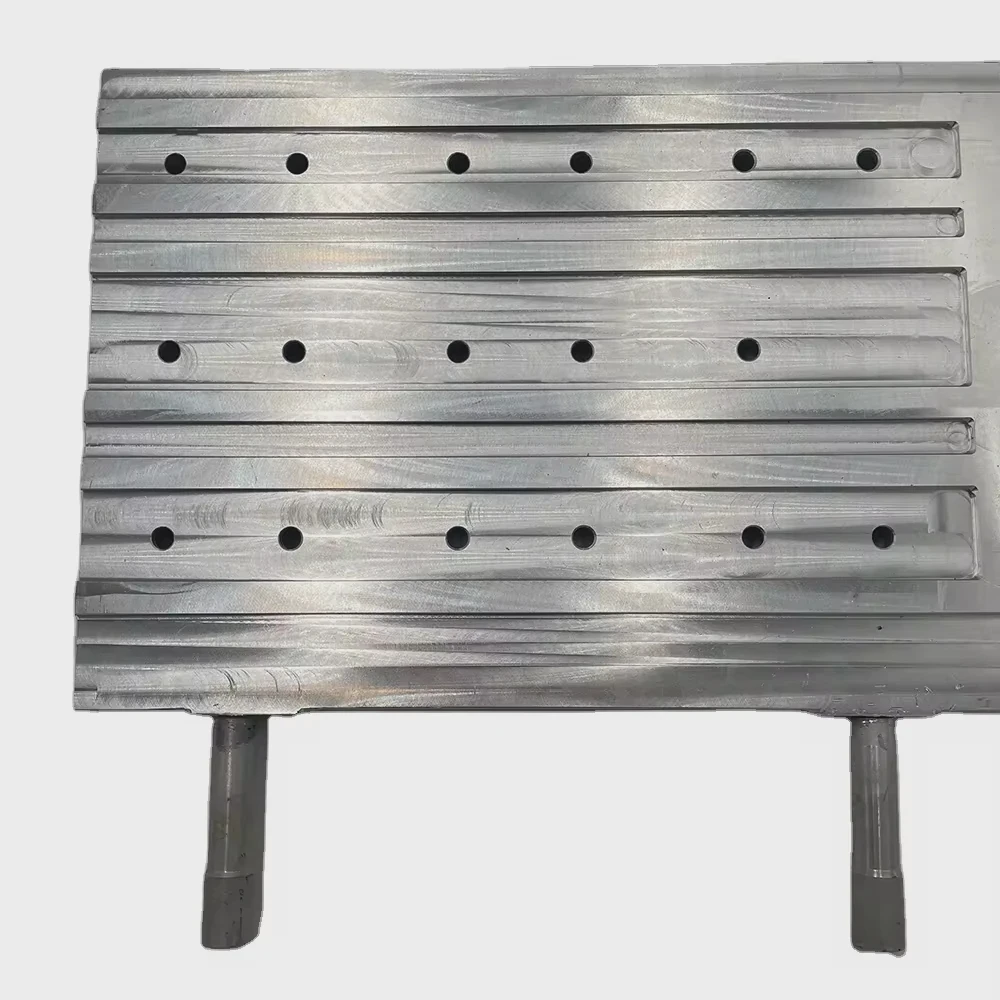
| Specification | 118*178*14.5mm |
| Cooling method | Dry cooler/water tower |
 +
+
FAQ
1. What is a server water cooling plate system?
A server water cooling plate system is a liquid cooling solution that transfers heat away from server components to improve thermal management and stability.
2. How does a server water cooling plate improve cooling performance?
A server water cooling plate improves cooling performance by using direct liquid cooling to remove heat more efficiently than air cooling.
3. Is the server water cooling plate system suitable for AI servers?
Yes, the server water cooling plate system is suitable for AI servers, GPU servers, and other high-density computing systems.
4. Does a server water cooling plate help reduce energy consumption?
Yes, a server water cooling plate can help reduce energy consumption by lowering cooling demand and improving data center efficiency.
5. What components can benefit from water cooling plates?
Water cooling plates are commonly used for CPUs, GPUs, power modules, and other high-heat server components.
6. Can a server water cooling plate system reduce overheating?
Yes, a server water cooling plate system helps reduce overheating by maintaining stable temperatures and improving heat dissipation.
7. Is liquid cooling better than air cooling for high-density servers?
For high-density servers, liquid cooling is often more effective than air cooling because a server water cooling plate provides stronger heat transfer.
8. What are the main benefits of a server water cooling plate system?
The main benefits of a server water cooling plate system include better thermal control, improved reliability, lower power use, and longer hardware life.