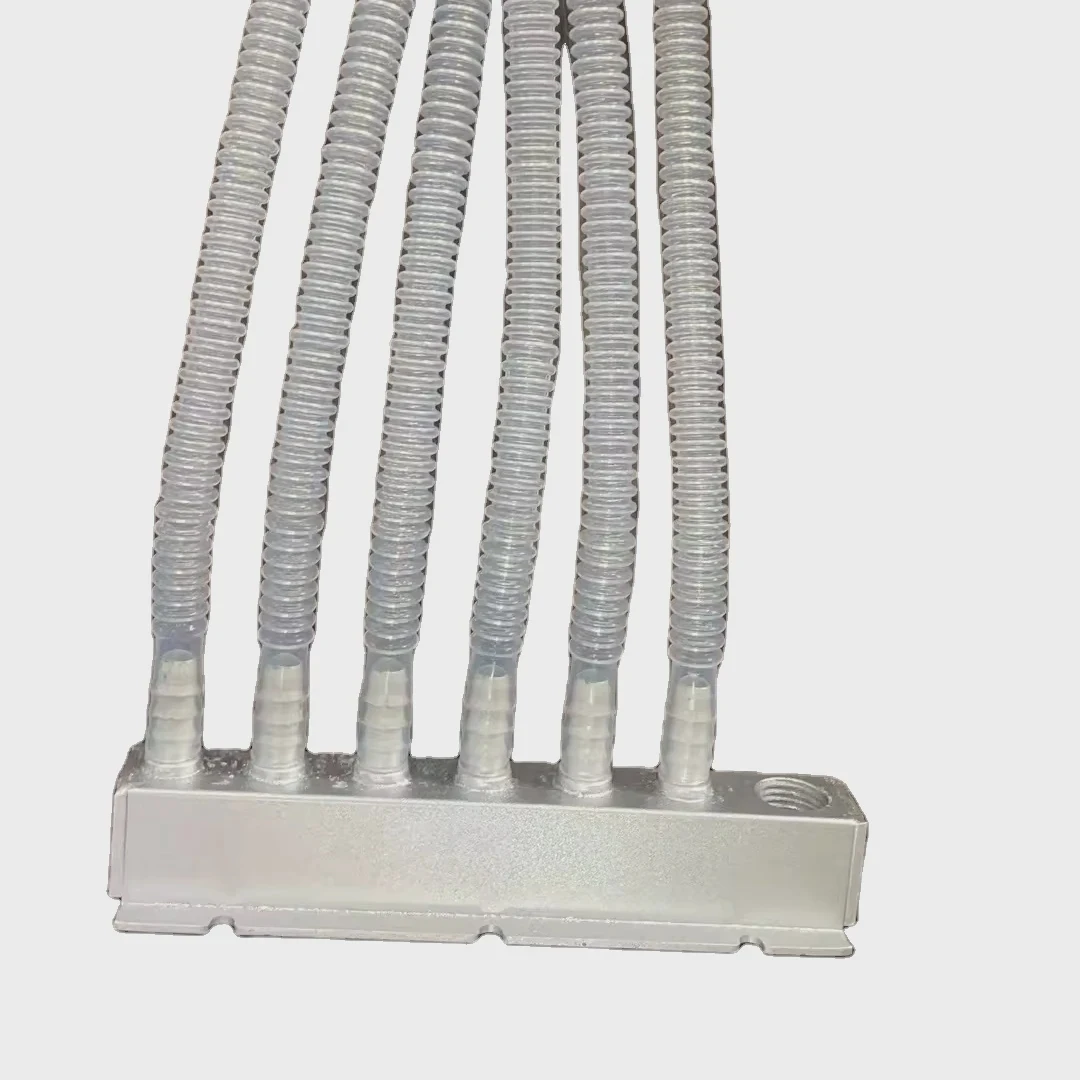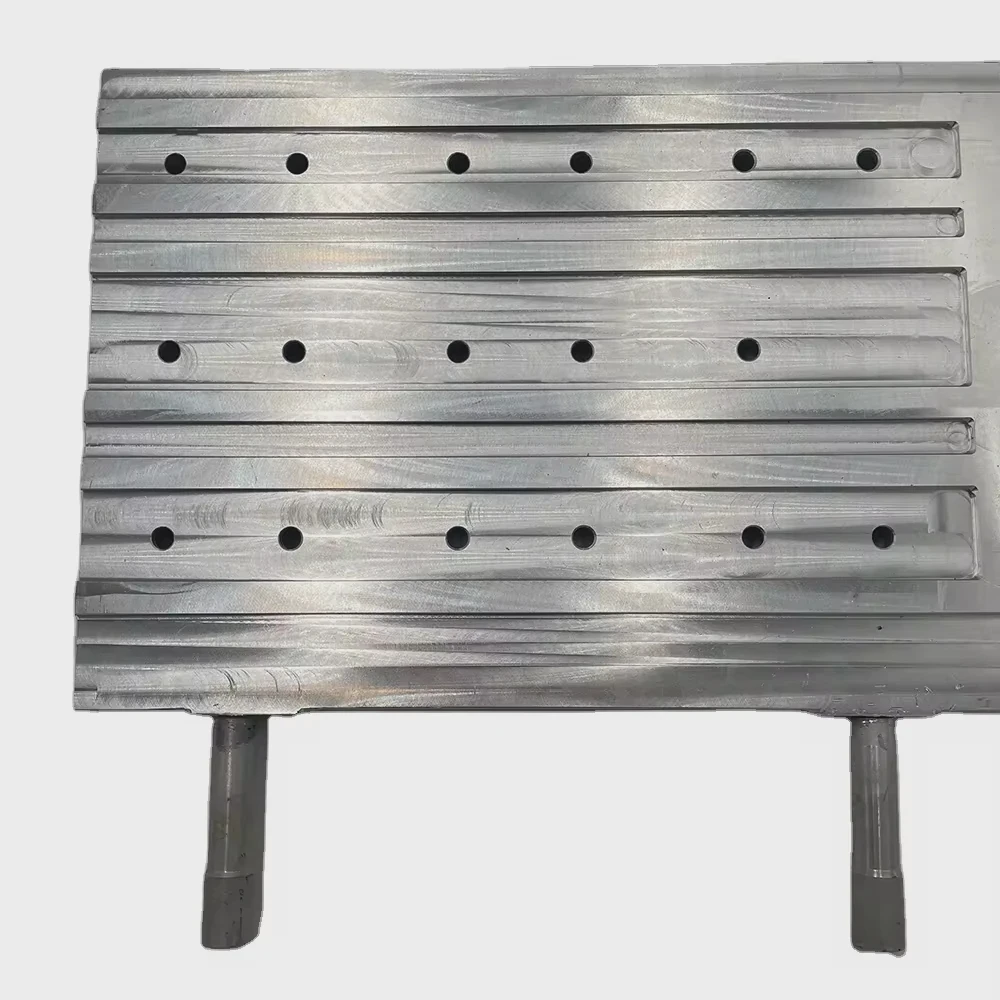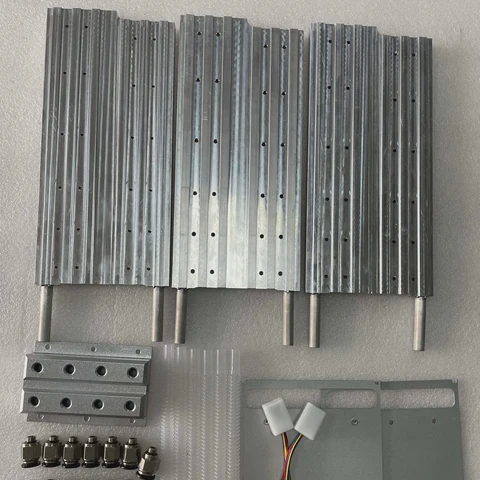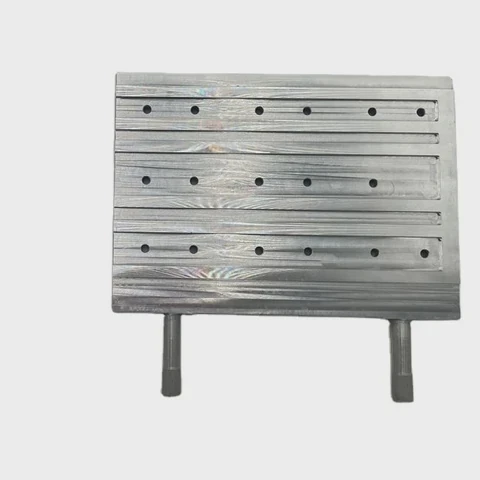
Products Details
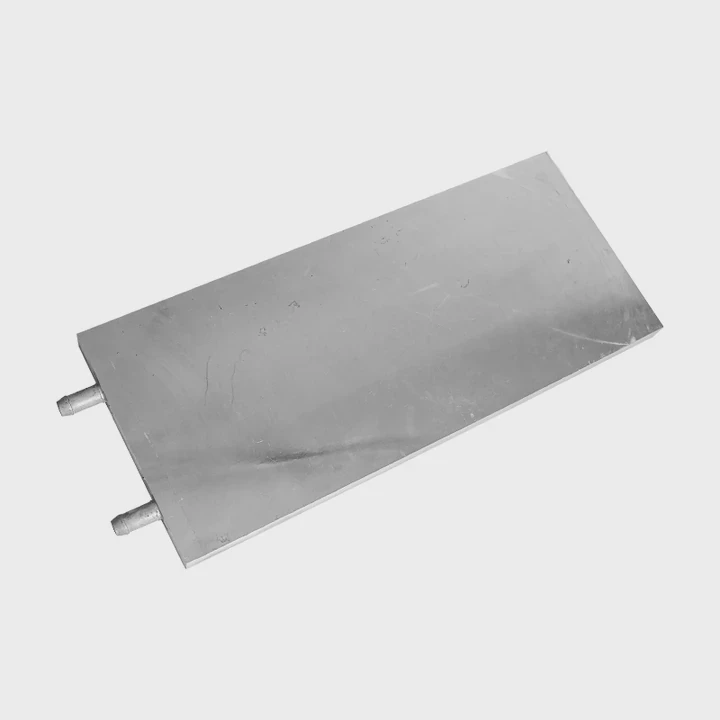
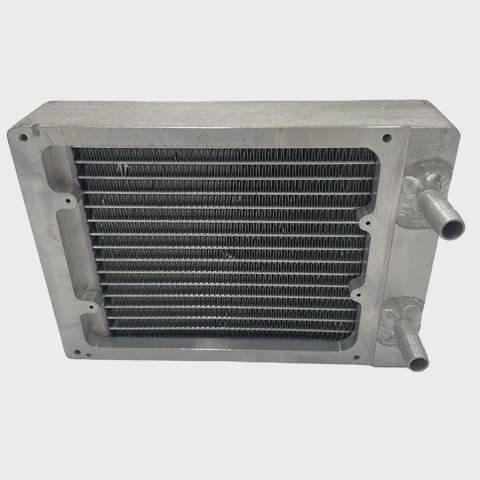
| type | WATER COOLING |
| application | Computer Case |
| fan size | / |
| air volume | / |
| fan speed control | / |
| heatsink material | Copper & Aluminum |
| noise | / |
| fan life | 40000 hrs |
| bearing | One Ball Bearing |
| power | / |
| power interface | / |
| led color | / |
| Color | Black |
 +
+
FAQ
1. What is a water cooled heat exchanger radiator?
A water cooled heat exchanger radiator is a cooling device that transfers heat from equipment or fluid into water for efficient thermal management.
2. How does a water cooled heat exchanger radiator work?
It works by circulating hot fluid through heat exchange surfaces where water absorbs and removes heat, improving cooling efficiency.
3. What industries use water cooled heat exchanger radiators?
Water cooled heat exchanger radiators are used in HVAC, manufacturing, power generation, processing equipment, and industrial machinery.
4. Why choose a water cooled heat exchanger radiator?
A water cooled heat exchanger radiator offers high heat transfer efficiency, stable cooling performance, and reliable protection for critical systems.
5. Is a water cooled heat exchanger radiator suitable for continuous operation?
Yes, a water cooled heat exchanger radiator is designed for continuous-duty cooling in demanding industrial environments.
6. Can this water cooled heat exchanger radiator be customized?
Yes, many water cooled heat exchanger radiator models can be customized for flow rate, size, materials, and cooling capacity.
7. Does a water cooled heat exchanger radiator help reduce maintenance costs?
Yes, efficient cooling and durable construction help lower maintenance needs and extend equipment life.
8. What are the main benefits of a water cooled heat exchanger radiator?
The main benefits include efficient heat dissipation, compact design, stable performance, and improved equipment reliability.
9. How do I select the right water cooled heat exchanger radiator?
Choose a water cooled heat exchanger radiator based on thermal load, water flow rate, operating temperature, space constraints, and system requirements.