Aluminum Heat sink OEM ODM trends for energy efficient designs?
- Yongxing
- 04 Feb ,2026
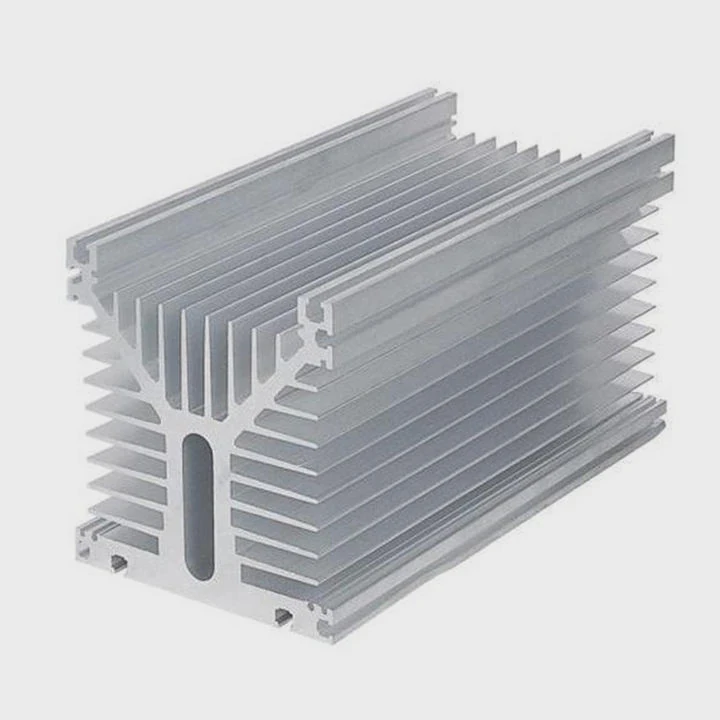
The demand for sustainable and high-efficiency thermal solutions is rising fast. OEM and ODM designers are shifting to new materials and smarter processes. But what’s driving this change?
Lightweight, AI-integrated, and recyclable thermal solutions are now essential for energy-efficient OEM/ODM designs. These trends reshape how industries manage heat without compromising size, cost, or reliability.
Read on to explore how the industry is evolving and what these trends mean for future designs.
Why is lightweight design key in modern OEMs?
More power, less space, stricter regulations. That’s the pressure most equipment makers face today. Heat sinks that used to work five years ago may now be too heavy, too bulky, or too slow to cool.
Lightweight aluminum heat sinks help OEMs reduce energy loss, boost portability, and meet stricter environmental and efficiency regulations.
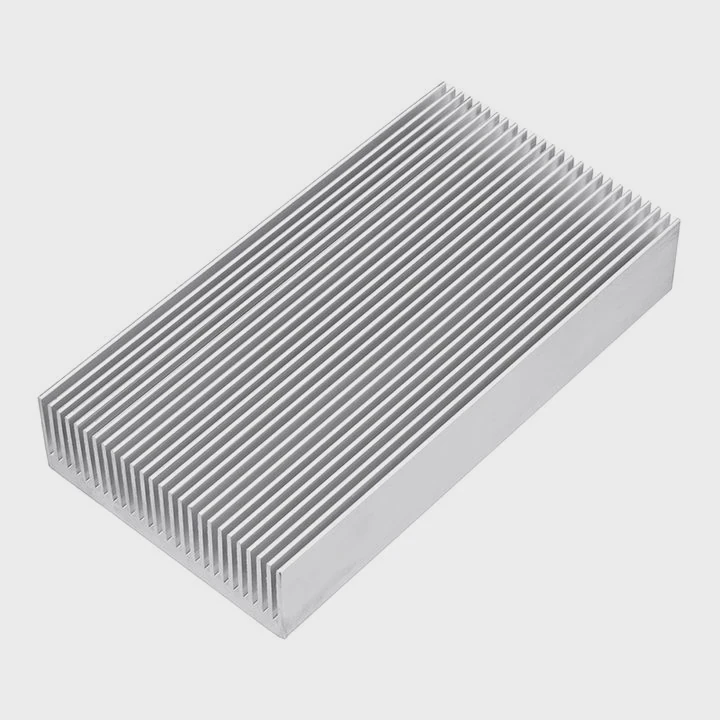
Modern OEMs demand smaller form factors, especially in sectors like electric vehicles, aerospace, and handheld medical devices. Weight directly impacts energy use. Lighter heat sinks mean less overall system mass, leading to better efficiency and longer lifespan of electronic components.
Lighter ≠ Weaker: The Strength of Aluminum Alloys
Advanced aluminum alloys are no longer seen as fragile. With high thermal conductivity (some reaching over 200 W/m·K) and optimized structural strength, these alloys are perfect for applications needing high performance without the weight of copper or steel.
| Material | Thermal Conductivity (W/m·K) | Density (g/cm³) | Comments |
|---|---|---|---|
| Pure Copper | ~385 | 8.96 | Excellent heat, very heavy |
| Aluminum 6061 | ~167 | 2.70 | Balanced strength and weight |
| Graphite-Aluminum | ~300 | ~2.50 | High-end, costly |
Design Benefits in Real Use Cases
Consider an aerospace ODM. Every gram counts. Lightweight aluminum extrusions or friction stir welded panels allow not only better fuel efficiency but also help in rapid deployment in modular systems. In EVs, lighter thermal plates mean extended range. In servers, it means denser racks with lower cooling costs.
The result? More efficient systems with smaller thermal footprints. This is why OEMs now treat heat sink weight as a design priority, not just a bonus.
How are ODMs adopting AI-powered thermal analysis?
Simulation tools have come a long way. Today, machine learning and AI help predict, test, and refine heat sink designs—before any metal is cut. This saves time, money, and cuts waste.
ODMs are integrating AI-driven CFD simulations to optimize heat sink geometries faster and more accurately, enabling smarter thermal decisions from day one.
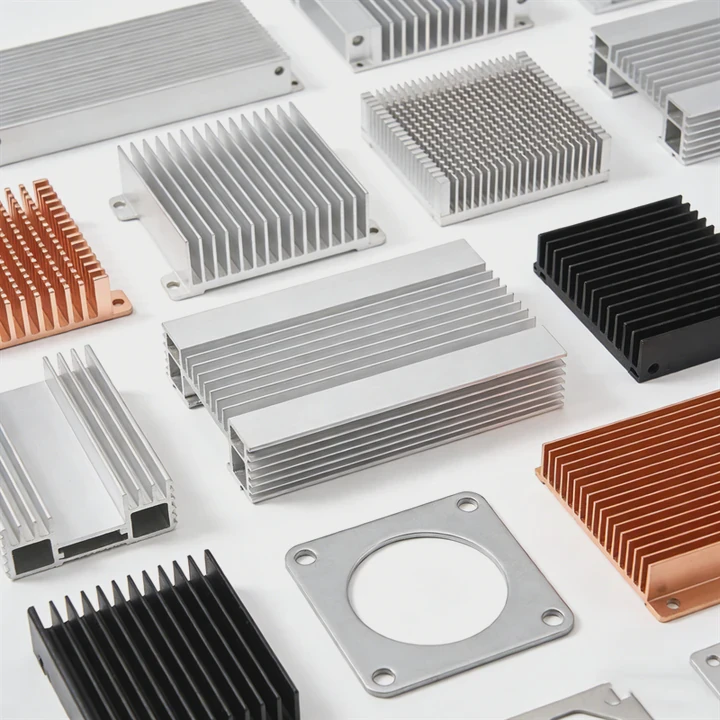
AI doesn’t just speed things up. It also allows for innovation. Instead of relying on old models, designers can now create shapes and fins that previously weren’t considered.
Generative Design + AI = Optimized Heat Sink Forms
New AI tools generate thousands of design variations based on thermal and space constraints. Then they use deep learning to test which ones work best. These “impossible” designs can now be 3D-printed or CNC-milled from high-grade aluminum.
| Simulation Type | Use Case | Benefit |
|---|---|---|
| AI-driven CFD | Predict airflow & temp hotspots | Improves accuracy by ~30% |
| Generative Design | Auto-create fin layouts | Unique, efficient structures |
| Real-time digital twin | Live comparison to physical tests | Faster iteration cycles |
Cost-Efficiency: Simulate Before You Fabricate
A major ODM in telecom used AI-based simulations to cut prototyping time by 60%. By simulating thermal flows and material responses early, they avoided expensive reworks later. With real-time adjustments, they also ensured that final aluminum extrusions would pass thermal validation in a single build.
As computing costs drop and cloud tools expand, AI-powered analysis is no longer just for the biggest players—it’s becoming the ODM norm.
What role do passive cooling innovations play?
Active cooling systems need fans, pumps, or motors. They fail. They make noise. They draw power. That’s why passive systems are making a comeback—stronger, smarter, and more integrated than before.
Passive cooling systems, including heat pipes, vapor chambers, and aluminum phase-change plates, offer silent, energy-free heat dissipation for energy-sensitive designs.
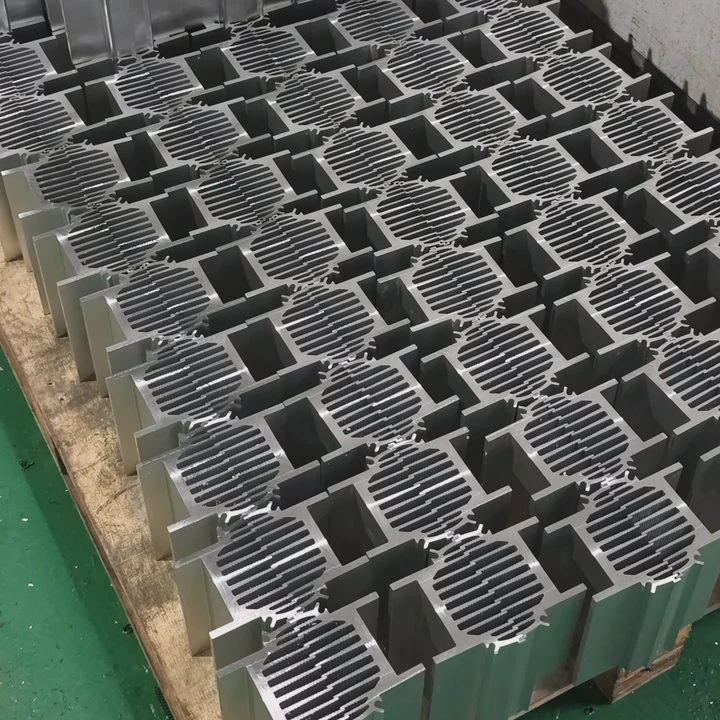
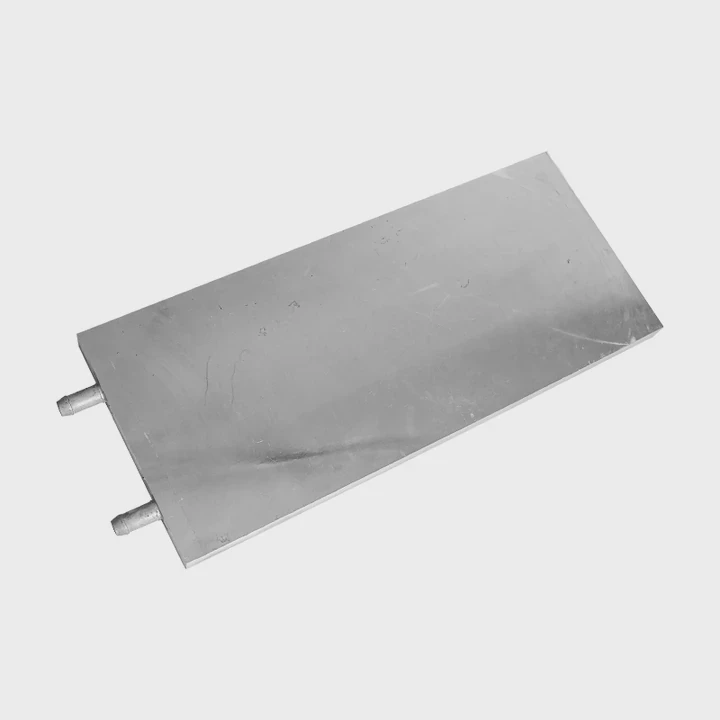
Modern passive cooling is not just about bulky radiators. It now includes embedded aluminum vapor chambers, flat heat pipes, and microchannel cold plates. All these spread heat fast without mechanical parts.
Where Passive Cooling Wins
- Medical devices: Silence is golden. Passive systems offer quiet, zero-vibration cooling.
- Outdoor telecom equipment: No moving parts = longer life and better IP ratings.
- LED and lighting systems: No fans mean longer product reliability and less maintenance.
Comparing Cooling Methods
| Cooling Type | Moving Parts | Power Required | Maintenance | Efficiency (Typical) |
|---|---|---|---|---|
| Fan-based | Yes | Yes | Medium | Medium to High |
| Liquid cooling | Pump | Yes | High | High |
| Passive aluminum | No | No | Low | Medium to High |
Modular Passive Systems Are Growing
ODM customers now demand modular systems: plug-and-play heat sinks with built-in heat pipes or vapor chambers. This allows them to adapt the same design across different power profiles by simply swapping the thermal block. Aluminum remains the base material of choice here, due to its ease of integration and low thermal resistance when combined with modern brazing or welding techniques.
Are customers demanding greener, recyclable options?
Sustainability is no longer a checkbox—it’s a core buying decision. Customers are watching how suppliers choose their materials, manage waste, and design for reuse.
Yes. Customers now prefer recyclable, eco-friendly thermal systems made from low-carbon aluminum and modular designs that reduce waste and energy.
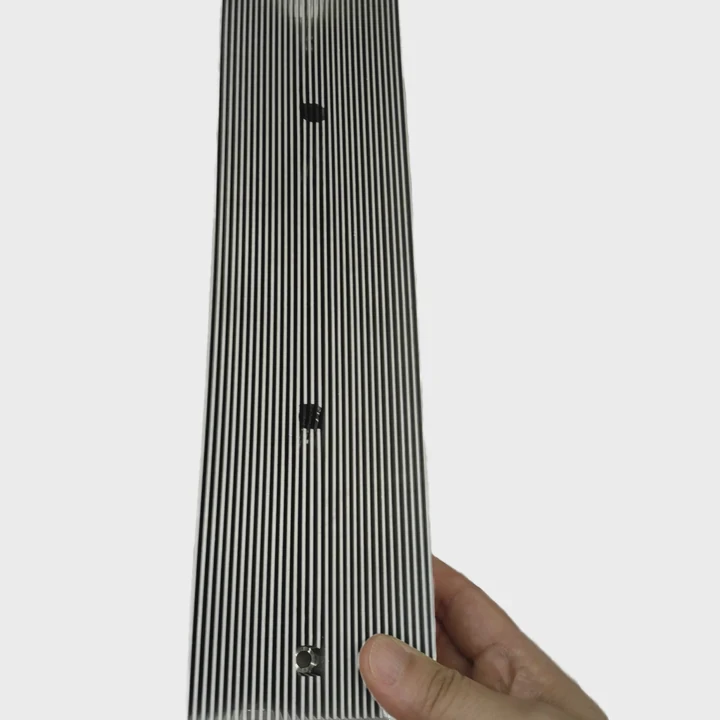
OEM buyers, especially in Europe and North America, now ask for Environmental Product Declarations (EPDs), lifecycle assessments, and green certifications. Some even specify the use of post-consumer recycled aluminum, which can save over 90% energy versus virgin material.
What Customers Ask ODMs Today
| Question From Buyers | Why It Matters |
|---|---|
| “Is this aluminum recycled?” | Reduces CO₂ emissions |
| “Can this be disassembled and reused?” | Supports circular economy |
| “Are there PFAS or heavy metals?” | Meets global compliance standards |
| “Do you comply with ISO14001 or RoHS?” | Ensures responsible sourcing |
Making Heat Sinks Circular
Forward-thinking manufacturers now design heat sinks that can be reused in second-life applications. For example, when a telecom base station retires, its aluminum cooling block can be remanufactured into EV battery plates. This design-for-reuse trend is especially popular among large data centers and utility-scale battery makers.
Customers also care about the process—not just the product. Vacuum brazing, friction stir welding, and additive manufacturing all offer ways to reduce waste and emissions. And OEMs are paying attention.
Conclusion
Lightweight builds, AI-guided design, passive cooling, and green sourcing are reshaping the aluminum heat sink industry. OEMs and ODMs that embrace these trends are not just staying ahead—they’re building better, faster, and more sustainable solutions for the future.