How to Cut Aluminum?
- Yongxing
- 30 Mar ,2026
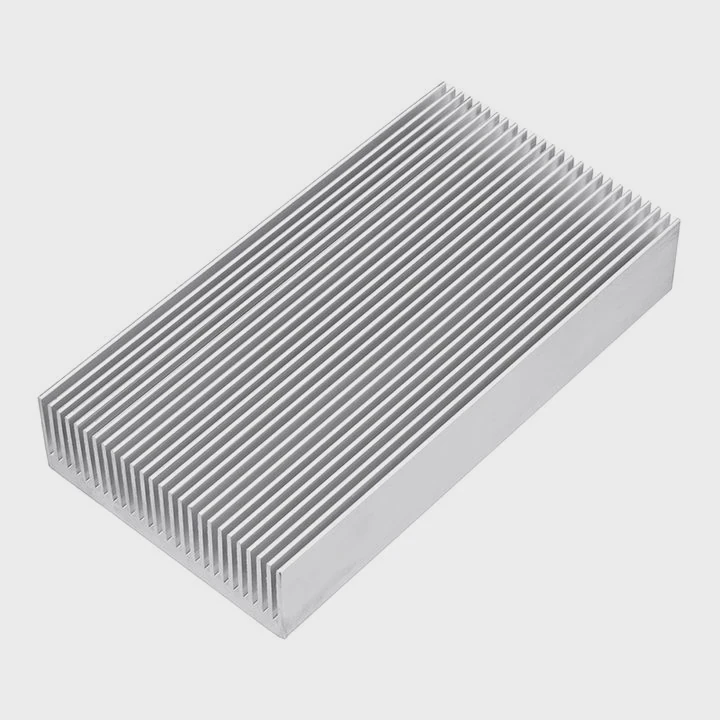
Cutting aluminum looks easy, but poor methods often lead to rough edges, tool damage, or wasted material.
The best way to cut aluminum depends on thickness and precision needs. Common methods include saws, CNC machining, laser cutting, and waterjet, all with proper speed, lubrication, and tooling.
Many people assume aluminum behaves like soft steel or plastic. That assumption often leads to burrs, overheating, or even material deformation. Aluminum is soft, but it is also sticky and highly conductive. That mix creates unique challenges. Once the cutting basics are clear, results improve fast.
What Tools Are Best for Cutting Aluminum?
Choosing the wrong tool is one of the fastest ways to ruin both the material and the workflow.
The best tools for cutting aluminum include carbide-tipped saw blades, CNC milling tools, laser cutters, and waterjet machines, depending on thickness, tolerance, and production scale.
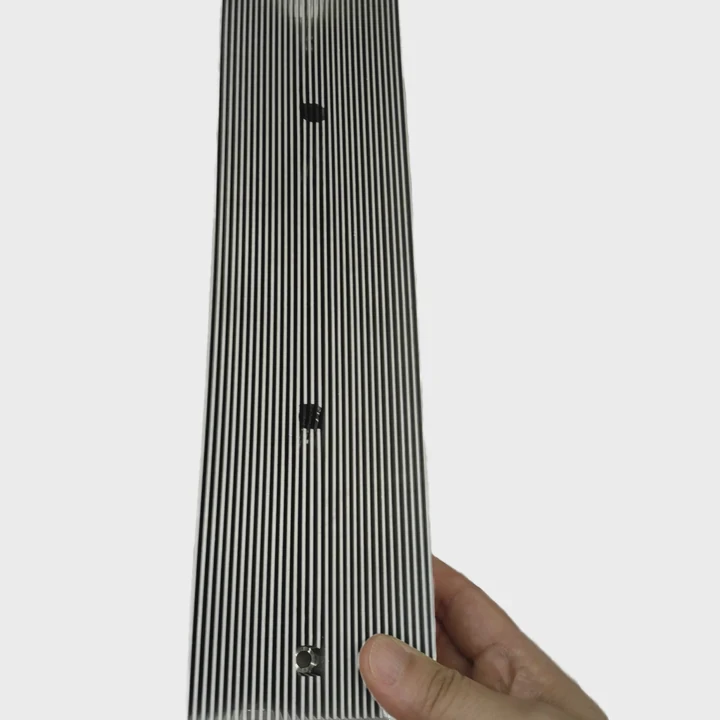
Tool selection always depends on three simple factors: thickness, precision, and production volume. A thin aluminum sheet does not need the same tool as a thick heat sink base plate. In real production, I never start with the tool. I start with the requirement.
Common cutting tools and their use
Each tool has its own strengths. Some are better for speed. Some are better for surface finish. Some are better for complex shapes.
Typical tool comparison
| Tool Type | Best For | Advantages | Limitations |
|---|---|---|---|
| Circular saw (carbide blade) | Profiles, bars | Fast, cost-effective | Limited precision |
| Band saw | Thick sections | Good control, less waste | Slower than circular saw |
| CNC milling | Precision parts | High accuracy, repeatability | Higher cost |
| Laser cutting | Thin sheets | Clean edges, fast | Heat-affected zone |
| Waterjet cutting | Thick or sensitive parts | No heat, high quality | Slower, higher cost |
| Shearing | Thin sheets | Very fast, low cost | Limited shapes |
Why carbide tools matter
Aluminum is soft, but it can stick to cutting edges. This is called built-up edge. It reduces tool life and ruins surface quality. Carbide tools resist wear better than standard steel tools. They also keep sharper edges for longer time. That is why carbide-tipped blades are often the first choice in aluminum cutting.
Speed and feed matter more than tool type
Many beginners focus only on the tool, but cutting parameters matter just as much. Aluminum needs higher cutting speeds compared to steel. At the same time, feed rate must stay stable. Too slow creates rubbing instead of cutting. Too fast creates chatter or rough edges.
Matching tool to application
I often divide applications into three simple groups:
- Rough cutting: focus on speed, not perfect finish
- Semi-finish cutting: balance between speed and quality
- Precision cutting: focus on tolerance and surface
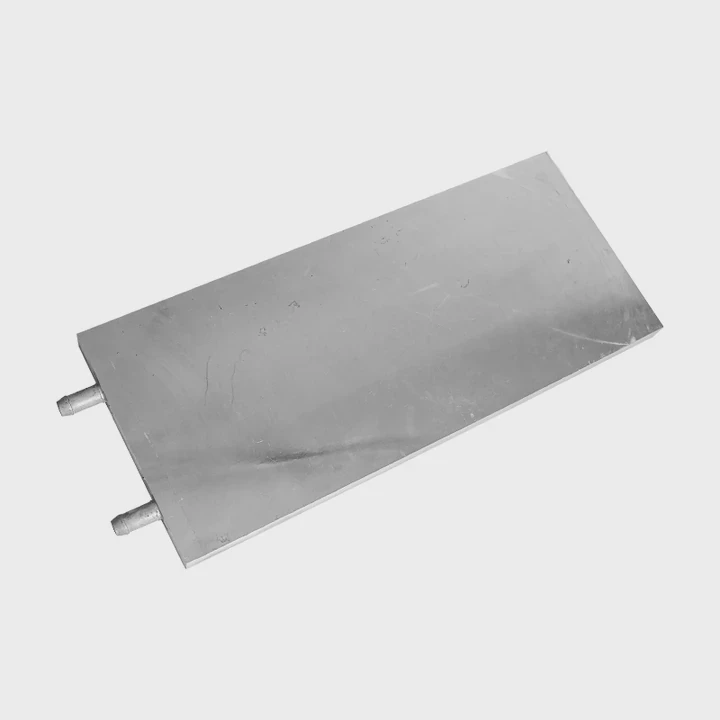
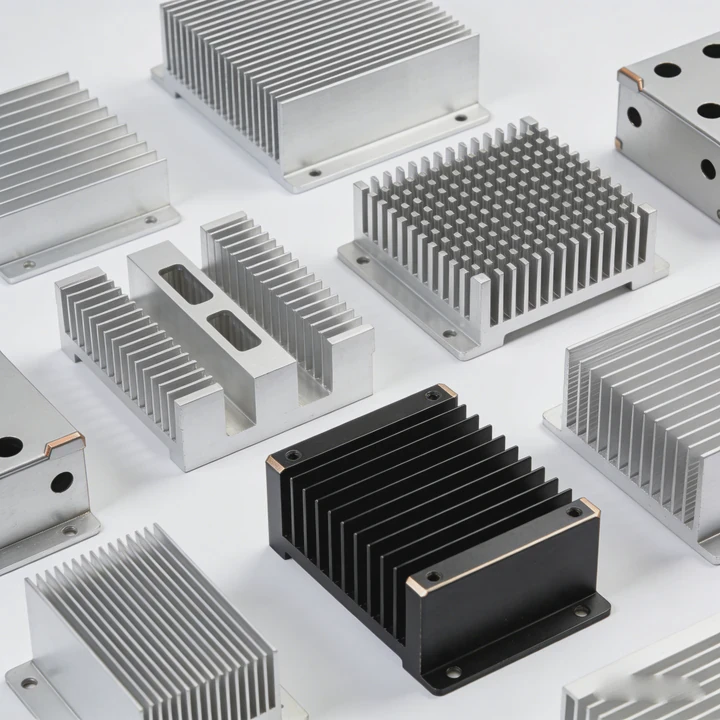
For example, when cutting aluminum extrusion profiles for heat sinks, a circular saw with a proper blade is often enough. But when machining a cold plate with tight flatness requirements, CNC milling or even grinding becomes necessary.
Real-world selection logic
When I help a client choose a method, I usually ask:
- What thickness is the aluminum?
- What tolerance is required?
- Is the edge cosmetic or functional?
- What is the production volume?
Once these answers are clear, the tool choice becomes simple. The mistake is trying to use one tool for all scenarios. Aluminum does not forgive that shortcut.
Can You Cut Aluminum with a Saw?
Many people hesitate to use a saw because they think aluminum is too soft or too tricky.
Yes, aluminum can be cut with a saw. In fact, saw cutting is one of the most common and efficient methods when using the right blade and proper cutting speed.
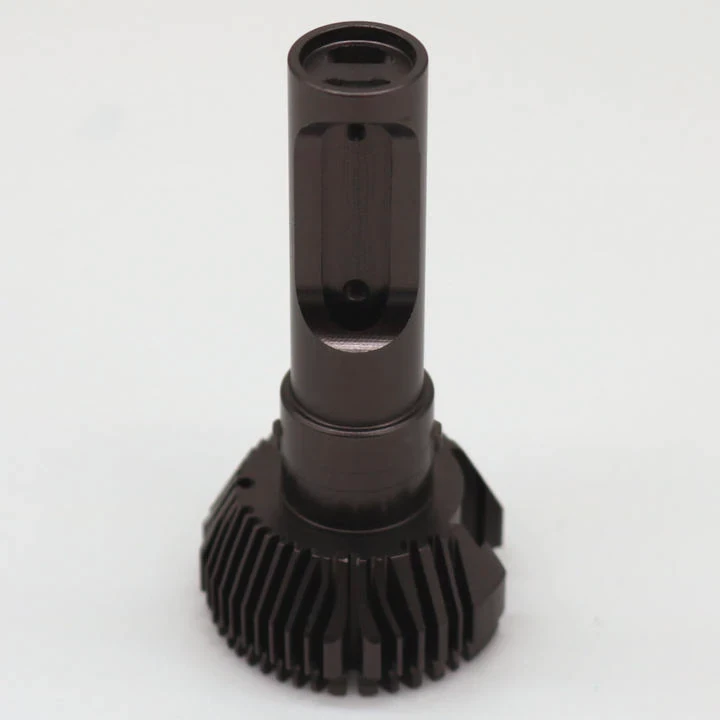
Saw cutting is widely used in workshops and factories. It is simple, cost-effective, and reliable. The key is not the saw itself. The key is how the saw is set up.
Types of saws used for aluminum
Different saws serve different needs. Each one has its own working style.
Common saw options
| Saw Type | Application | Key Feature |
|---|---|---|
| Circular saw | Extrusions, bars | Fast and straight cuts |
| Band saw | Thick blocks | Smooth and controlled cutting |
| Miter saw | Angled cuts | Good for framing and profiles |
| Table saw (with proper blade) | Sheets, plates | Stable cutting platform |
Blade selection is critical
The blade matters more than the machine. Aluminum cutting blades usually have:
- Carbide tips
- High tooth count
- Specific tooth geometry for non-ferrous metals
A high tooth count gives smoother cuts. It also reduces burr formation. A wrong blade will cause tearing, vibration, and poor surface.
Lubrication improves results
Dry cutting is possible, but it is not always ideal. A light lubricant or cutting wax helps reduce friction. It also prevents aluminum from sticking to the blade. This improves both cut quality and tool life.
Common mistakes when using a saw
Many cutting problems come from simple mistakes:
- Using wood-cutting blades for aluminum
- Feeding too fast or too slow
- Not securing the material properly
- Ignoring chip buildup
These issues lead to rough edges or even safety risks.
When saw cutting is enough
Saw cutting works well when:
- Tight tolerance is not required
- The cut is straight
- Surface finish is not critical
For example, cutting aluminum profiles before further machining is a perfect use case.
When to avoid saw cutting
Saw cutting is not ideal for:
- Complex shapes
- Internal cutouts
- Ultra-thin precision parts
In those cases, laser or CNC methods are better.
In practice, saw cutting is often the first step, not the final step. It prepares the material for more precise operations later.
How to Cut Aluminum Without Melting Edges?
One of the most frustrating problems is seeing clean material turn into rough, melted edges.
To prevent melting edges when cutting aluminum, use sharp tools, high cutting speed, proper feed rate, and apply lubrication or cooling to reduce heat buildup.
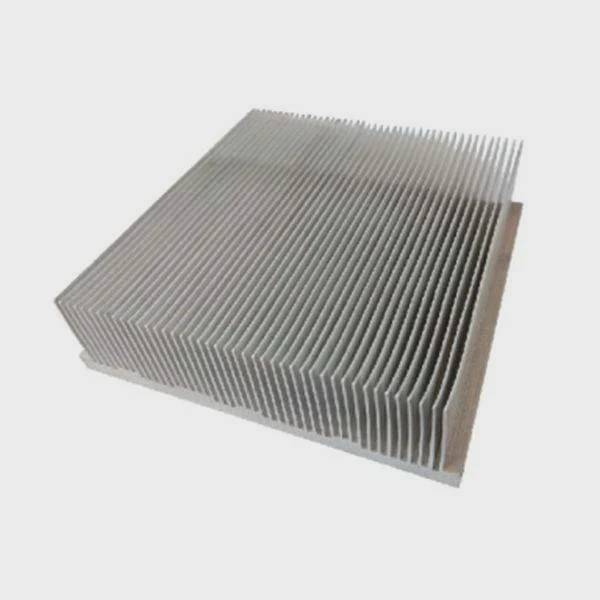
Aluminum does not “melt” easily during cutting in the same way plastic does, but it can soften and smear. This creates a melted-edge look. The root cause is almost always heat and friction.
Why edges appear melted
This problem comes from three main factors:
- Excessive heat
- Tool dullness
- Poor chip removal
Aluminum transfers heat quickly, but if heat builds up at the cutting edge, it starts sticking to the tool. That creates a rough, welded-like edge.
Key techniques to prevent this
1. Use sharp tools
A sharp tool cuts cleanly. A dull tool rubs and generates heat. Regular tool inspection is simple but often ignored.
2. Increase cutting speed properly
Higher speed reduces contact time. That helps prevent heat buildup. But speed must match feed rate.
3. Maintain correct feed rate
Too slow = rubbing
Too fast = tearing
The balance is critical.
4. Use lubrication or coolant
Coolant reduces friction and heat. Even a light oil mist can make a big difference.
5. Ensure proper chip evacuation
Chips must leave the cutting zone quickly. If chips stay, they create extra friction and heat.
Heat control methods comparison
| Method | Effectiveness | Notes |
|---|---|---|
| Air cooling | Medium | Simple, low cost |
| Oil lubrication | High | Good for saws and CNC |
| Flood coolant | Very high | Best for precision machining |
| Waterjet cutting | Excellent | No heat at all |
| Laser cutting | Low for heat control | Needs parameter tuning |
Special note on laser cutting
Laser cutting can create heat-affected zones. For thin sheets, this is usually manageable. For thicker parts, edge quality may suffer if parameters are not optimized.
Special note on waterjet
Waterjet cutting avoids heat completely. It is ideal for preventing edge distortion. However, it is slower and more expensive.
Practical experience insight
In many projects, edge problems are not due to the machine. They are due to setup. A simple change in blade type or adding lubrication often solves the issue. I have seen cases where a client replaced a full cutting system, but the real fix was just changing cutting parameters.
Controlling heat is not complicated. It just requires attention to detail.
What Safety Gear for Cutting Aluminum?
Cutting aluminum may look safe, but it involves sharp edges, flying chips, and high-speed tools.
Essential safety gear for cutting aluminum includes safety glasses, gloves, hearing protection, proper clothing, and sometimes respiratory protection depending on the process.
Safety is often underestimated in aluminum work because the material is not as hard as steel. That assumption is risky. Aluminum chips can be sharp. Machines can run fast. Accidents happen when basic protection is ignored.
Basic safety equipment
Every cutting setup should include the following:
Core safety gear
| Safety Item | Purpose |
|---|---|
| Safety glasses | Protect eyes from chips |
| Cut-resistant gloves | Protect hands from sharp edges |
| Hearing protection | Reduce noise exposure |
| Protective clothing | Prevent injury from debris |
| Safety shoes | Protect feet from dropped parts |
Why eye protection is critical
Aluminum chips are light, but they travel fast. A small chip can cause serious eye injury. Glasses are not optional. They are essential.
Hand safety and glove use
Gloves protect against sharp edges, but they must be used carefully. Loose gloves can get caught in rotating tools. In CNC environments, glove use may be restricted during operation.
Noise and long-term exposure
Cutting machines generate noise. Over time, this affects hearing. Ear protection is a simple step that many people ignore until it is too late.
Respiratory considerations
In most cutting operations, aluminum does not create dangerous fumes. However, fine dust or mist from coolant can be present. In enclosed environments, basic masks or ventilation systems help reduce exposure.
Machine safety basics
Safety gear is only one part of the system. Machine setup also matters:
- Proper guarding
- Secure clamping of material
- Emergency stop access
- Clean working area
Common safety mistakes
Many issues come from habits:
- Removing guards for convenience
- Not wearing eye protection for “quick cuts”
- Handling sharp parts without gloves
- Ignoring chip cleanup
These shortcuts often lead to injuries.
Safety in production vs workshop
In large-scale manufacturing, safety rules are strict and standardized. In small workshops, safety depends more on personal discipline. That makes awareness even more important.
From experience, safety is not about complex systems. It is about consistent behavior. The right habits prevent most problems before they start.
Conclusion
Cutting aluminum is simple when the right tools, methods, and safety practices are used. Clean cuts depend on proper setup, heat control, and discipline. Once these basics are clear, both quality and efficiency improve quickly.