What Color Is Aluminum?
- Yongxing
- 31 Mar ,2026
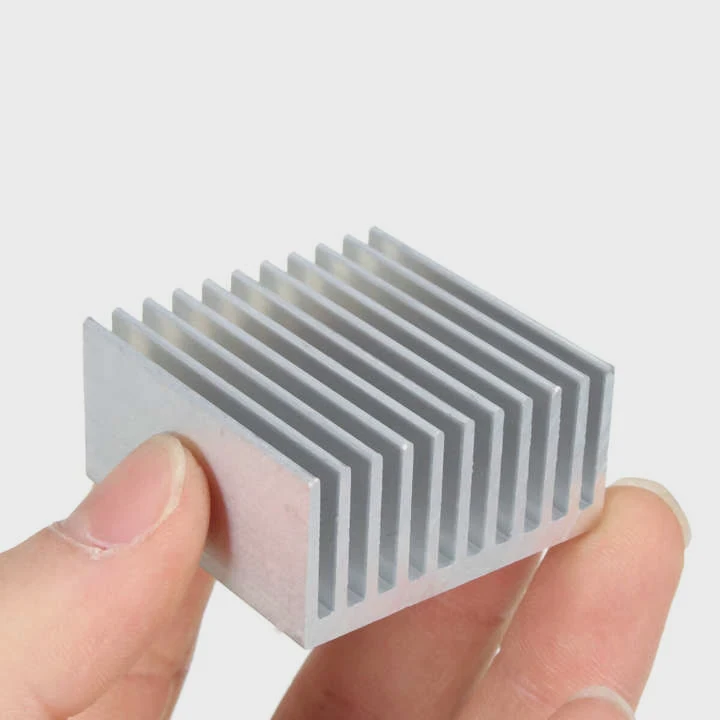
Aluminum looks simple at first. Yet many buyers, engineers, and product teams still ask what its real color is and why it does not always look the same.
Aluminum is usually seen as silver or silver-gray, but its true appearance depends on surface texture, light, oxidation, and finishing. Raw aluminum, treated aluminum, and coated aluminum can all look different in real use.
That is why this topic matters in both design and manufacturing. Color is not only about appearance. It also affects product feel, brand image, inspection, and even how people judge quality at first glance.
Why Does Aluminum Look Silver?
Aluminum often looks silver because people see reflected light, not just the metal itself. A small change in surface texture can make the same part look bright, dull, soft, or gray.
Aluminum looks silver because its surface reflects a wide range of visible light in a balanced way. Since it does not strongly absorb one color more than another, the eye reads it as silver-gray.
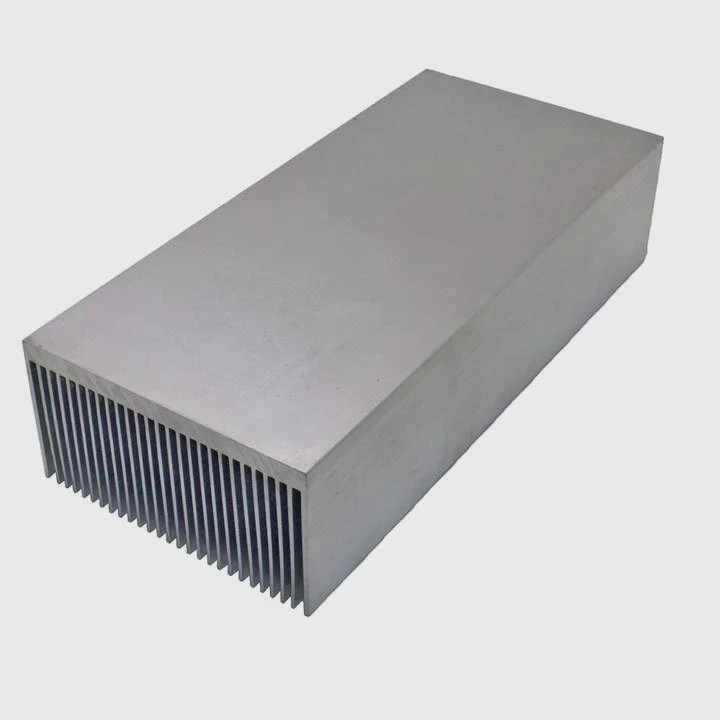
When people ask about aluminum color, they often expect a simple answer. In daily use, the answer is usually “silver.” Still, that silver look comes from a mix of physical reasons. The metal reflects light well. It does not push the eye toward red, blue, or yellow. So the result is a neutral metallic look.
Light Reflection Shapes the First Impression
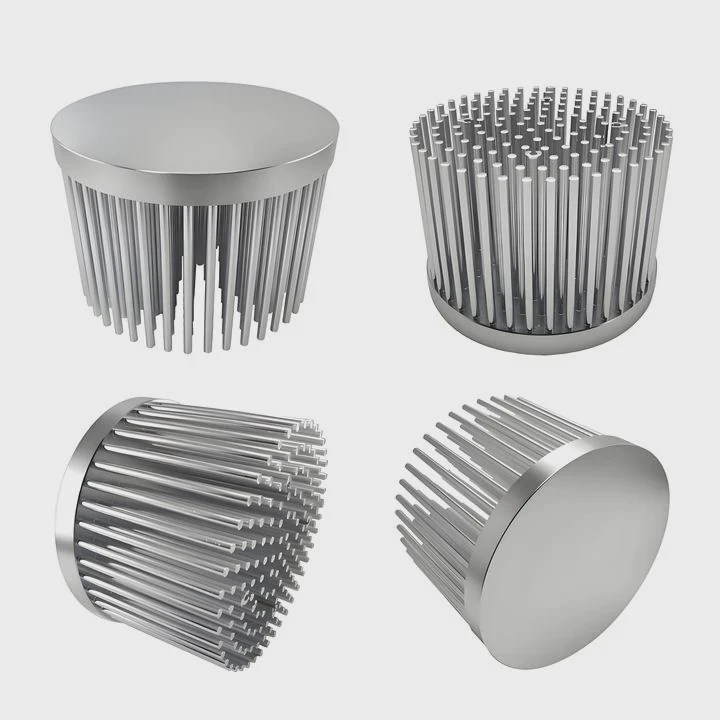
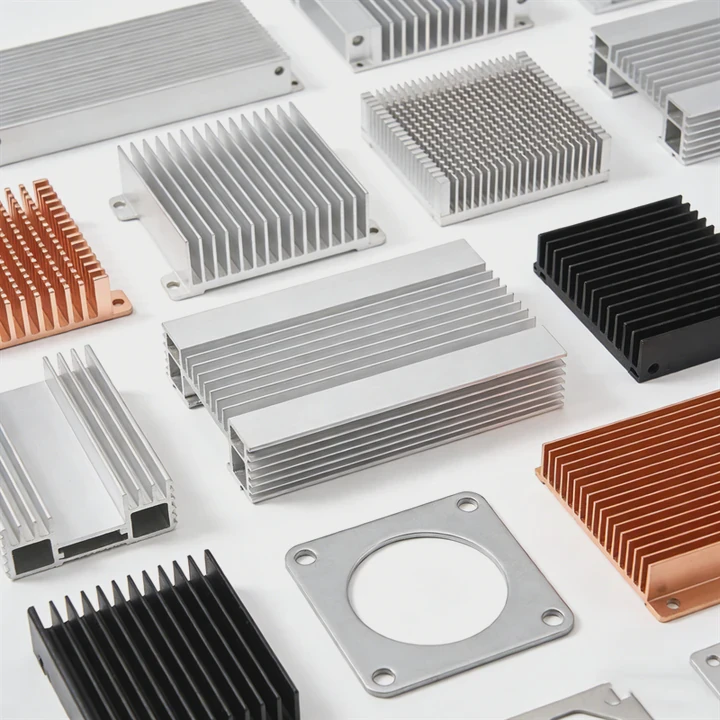
A polished aluminum sheet and an extruded aluminum heat sink may come from the same base metal, but they can look very different. The reason is surface condition. A smoother surface gives stronger and more direct reflection. A rougher surface scatters light in many directions. That makes the part look softer and less shiny.
Here is a simple comparison:
| Surface condition | Typical visual result | Common impression |
|---|---|---|
| Mirror polished | Bright silver | Premium, clean, decorative |
| Brushed | Satin silver | Technical, modern, controlled |
| Mill finish | Soft silver-gray | Industrial, raw, practical |
| Sandblasted | Matte gray-silver | Soft, uniform, understated |
This is why aluminum does not have just one fixed look in factories, product catalogs, or finished devices. The base metal is the same, but the eye sees the final surface.
Texture Matters More Than Many Buyers Expect
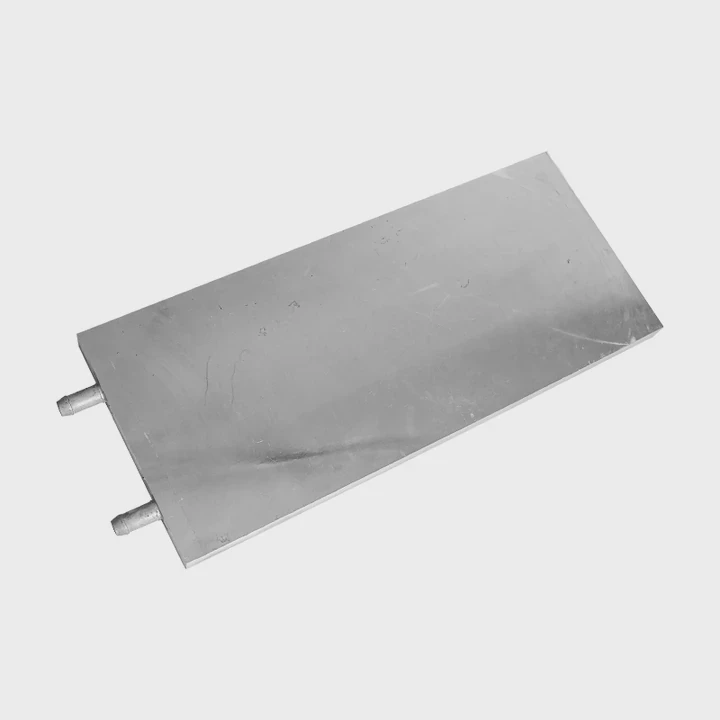
In manufacturing, texture can change color perception without changing material chemistry. Fine tool marks, extrusion lines, machining traces, and blasting patterns all change how light moves across the surface. A part can look darker at one angle and brighter at another. This effect is common in large aluminum housings, cold plates, and structural frames.
Many engineers focus on thermal performance first. That makes sense. But visual consistency also matters. A customer may compare two aluminum parts and think the darker one is a different material grade, even when both are the same alloy. In many cases, the difference comes from process steps, not from the base metal itself.
Aluminum Is Silver, but Not Flat or Dead
The word “silver” can sound too simple. Aluminum usually has a living metallic look. It can appear warm under indoor lighting and cooler under daylight. It can look bright in one room and quiet in another. This is why design teams often request samples before approving mass production. Small visual shifts can affect the full product image.
That is also why surface control matters in industrial supply. When appearance and function must work together, the supplier has to control roughness, handling marks, cleaning, and finish method. The silver look of aluminum is real, but it is never just one single shade in every case.
Can Aluminum Change Color Naturally?
Many people think aluminum always stays the same color. In real environments, that is not true. Time, air, moisture, heat, and contaminants can slowly change how the surface looks.
Yes, aluminum can change color naturally. Exposure to air creates a thin oxide layer, and weather, heat, dirt, or chemical contact can make the surface look duller, darker, whiter, or uneven over time.
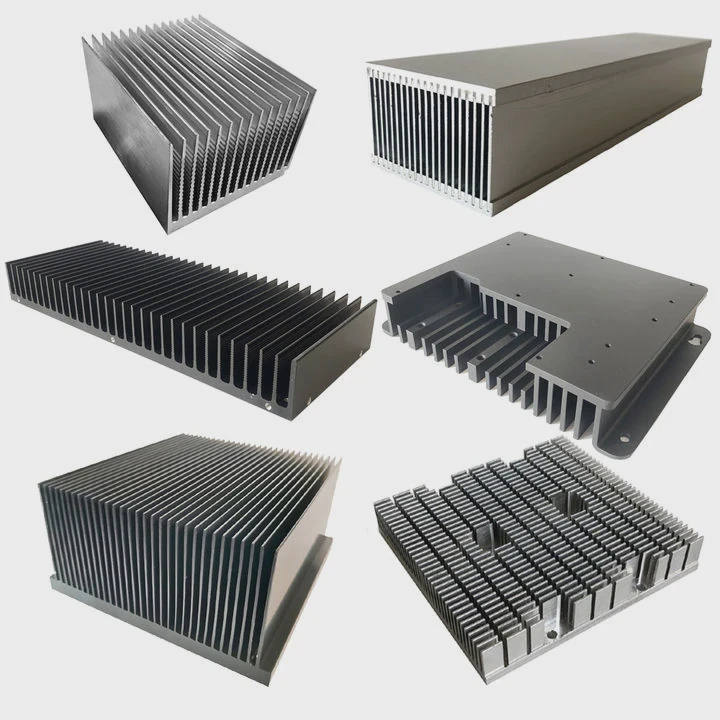
Aluminum is known for good corrosion resistance, but that does not mean its appearance never changes. In fact, one of the main reasons aluminum performs well is that it reacts quickly with oxygen and forms a thin oxide layer. That layer protects the metal under it. At the same time, it can also change how the surface looks.
Natural Change Does Not Always Mean Damage
This point is important. A color change on aluminum does not always mean failure. In many cases, it only means the surface has aged. Raw aluminum stored in a dry indoor space may keep a stable silver look for a long time. But aluminum used outdoors, near salt air, in industrial plants, or in high-humidity sites may shift in color faster.
Some common natural changes include:
- loss of shine
- darker gray tone
- chalky white areas
- slight yellow or brown staining from contamination
- uneven patches from water marks or handling
These changes can be cosmetic, functional, or both. The result depends on the environment and the product requirement.
Environment Drives the Speed of Change
Not all aluminum ages at the same speed. The service setting matters a lot. A part in a clean medical device enclosure does not face the same stress as a rail transit module, outdoor power unit, or coastal telecom system.
| Environment | Natural color change risk | Typical appearance over time |
|---|---|---|
| Dry indoor use | Low | Small loss of shine |
| Humid indoor use | Medium | Mild dulling or patching |
| Outdoor urban use | Medium to high | Darker gray, surface marks |
| Coastal or salty air | High | Staining, dullness, uneven oxidation |
| High-heat equipment zone | Medium to high | Color shift, heat tint, dry dull look |
Small Surface Changes Can Cause Big Visual Differences
A natural color shift is often uneven. That is what makes it noticeable. One side may face more heat. One corner may trap moisture. One surface may be touched more during assembly. That creates a mixed appearance, even when the material itself is sound.
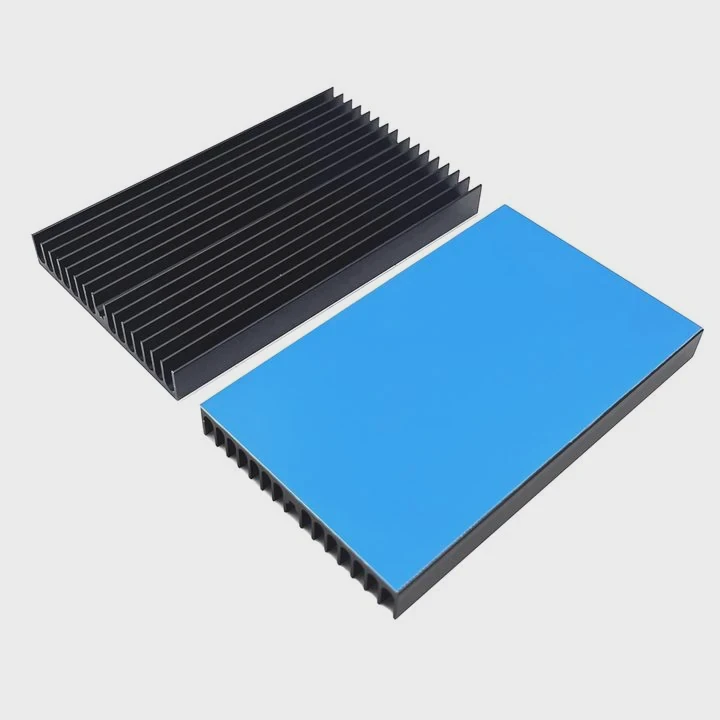
This issue matters in custom thermal parts. A heat sink, vapor chamber assembly, or liquid cold plate may work very well thermally, yet the end user may still judge quality by surface uniformity. That is why visual aging should be considered early, not only after shipment.
In practical work, many teams solve this by choosing a controlled finish instead of leaving the part fully raw. A stable finish helps reduce variation between new parts and aged parts. It also makes cleaning, inspection, and long-term appearance easier to manage. So yes, aluminum can change color naturally, and in serious applications, that natural change should be planned for, not ignored.
What Finishes Alter Aluminum Color?
Raw aluminum does not have to stay silver. Surface finishing can change both color and texture, and sometimes the new look is part of the product value itself.
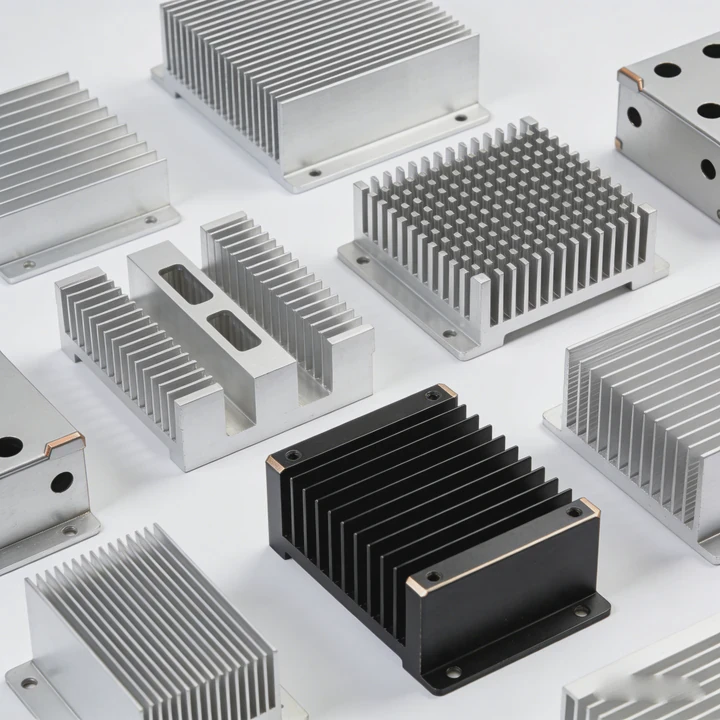
Many finishes can alter aluminum color, including anodizing, powder coating, painting, plating, brushing, bead blasting, and chemical treatments. These methods can make aluminum look black, gold, bronze, white, blue, or many other shades.
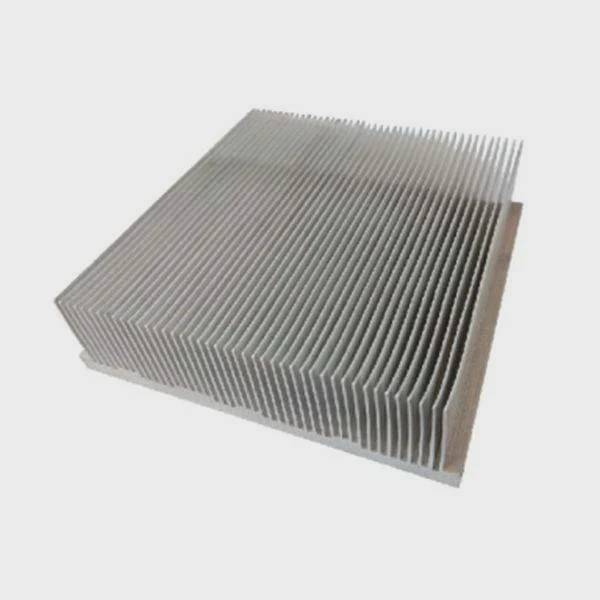
This is where aluminum becomes much more flexible than many people expect. It can support a technical look, a decorative look, or a strong brand color. The same base metal can appear soft matte black in one product and bright champagne gold in another.
Common Finishes and Their Visual Effects
Some finishes change color by adding a coating. Others change color by changing the oxide layer or surface structure. Each method has its own feel, cost level, and durability range.
| Finish type | Typical colors | Surface feel | Common use |
|---|---|---|---|
| Clear anodizing | Silver, light gray | Clean, hard, satin | Electronics, industrial parts |
| Color anodizing | Black, blue, red, gold, bronze | Metallic, durable | Consumer and industrial products |
| Powder coating | Almost any solid color | Thicker, smooth or textured | Outdoor units, housings, frames |
| Painting | Wide color range | Smooth or gloss | Decorative or branded parts |
| Brushing | Silver, directional grain | Fine line texture | Panels, covers, visible housings |
| Bead blasting | Soft gray, matte base | Uniform, non-glossy | Technical parts, premium matte look |
| Chemical conversion | Light iridescent or dull tone | Thin protective film | Pre-treatment, hidden functional parts |
Anodizing Is One of the Most Important Options
Anodizing is often the first method people think about when discussing aluminum color. It thickens the oxide layer in a controlled way. That layer can stay clear or take dye. The result can be black, bronze, gold, blue, red, and more. It also keeps a metallic feel, which many coatings do not.
For many industrial buyers, anodizing is attractive because it gives both protection and appearance. Still, it is not magic. The final shade depends on alloy, surface preparation, bath control, and part geometry. Large parts and mixed-thickness parts can show slight variation. So color approval should be based on production reality, not only on a perfect small sample.
Coatings Add More Freedom, but They Change the Look More Deeply
Powder coating and painting can create strong solid colors. They can hide base metal variation better than transparent or semi-transparent finishes. This helps when appearance uniformity is more important than a metallic look. It is useful for outdoor cabinets, equipment housings, and branded assemblies.
Still, a thick coating changes more than color. It changes touch, edge detail, and visual depth. A black anodized heat sink and a black powder-coated heat sink do not look the same. The first still feels like metal. The second feels more like a coated product. Neither is always better. The right choice depends on the use case.
Finish Choice Should Match Function
In thermal products, appearance and performance often meet in the same part. Some buyers want black surfaces for design reasons. Some want black anodized surfaces for emissivity or visual standardization. Some want clear anodizing because it keeps the metal identity visible. The key is not to choose color first and ask questions later. The key is to match surface finish, environment, tolerance needs, and visual goals from the start.
That approach reduces rework. It also helps teams avoid a common mistake: expecting all “black aluminum” or all “silver aluminum” parts to look identical across different processes. Finish method defines the color result just as much as the material itself.
Does Oxidation Affect Aluminum Color?
Oxidation sounds negative to many people. With aluminum, the story is more complex. Oxidation protects the material, but it also changes what the eye sees.
Yes, oxidation affects aluminum color. The oxide layer can reduce shine, create a dull gray look, and in some cases lead to white, patchy, or uneven surface appearance depending on environment and exposure.
Aluminum oxidizes almost as soon as it meets air. That quick reaction is one reason it performs well in many industries. The oxide layer is thin, stable, and protective. Unlike rust on steel, it does not usually flake away in normal conditions. But even protective oxidation can change appearance, and this matters in both raw parts and finished products.
Oxidation Changes the Way Light Leaves the Surface
Freshly processed aluminum may look brighter because the bare surface reflects light more directly. Once oxide forms and grows, even at a small scale, the reflection can soften. The part may appear less shiny and more gray. In mild cases, the difference is subtle. In harsher conditions, it becomes very visible.
This happens because the oxide layer changes the surface interface. The eye no longer receives light in exactly the same way. On rough or contaminated surfaces, the effect is stronger. That is why one untreated aluminum part can stay attractive for a long time indoors, while another part in a damp warehouse begins to look flat or patchy.
Oxidation Can Be Uniform or Uneven
Uniform oxidation is often acceptable. In some cases, people may not even notice it unless they compare old and new parts side by side. Uneven oxidation is the bigger issue. It creates local contrast. One section may look darker. Another may show white residue or stains. This often happens because exposure is not equal across the full part.
Common causes of uneven oxidation include:
Moisture Traps
Water left in corners, joints, or packaging can create local marks. These areas often dry more slowly and age differently.
Fingerprints and Handling
Skin oils and salts can alter how the surface reacts. After storage, touched areas may become more visible.
Mixed Heat Zones
A part near a heat source may age faster. This is common in thermal modules and power equipment.
Surface Residue
Cleaning agents, process residue, or dust can affect oxidation behavior and cause patchy appearance.
Controlled Oxidation Can Also Be Useful
This is the other side of the story. Not all oxidation is unwanted. Anodizing is basically controlled oxidation. It builds a thicker oxide layer on purpose. That layer can improve wear resistance, corrosion behavior, and appearance control. So the question is not whether oxidation exists. It always does. The real question is whether it is natural and uncontrolled, or engineered and stable.
For buyers and product teams, this difference matters a lot. Uncontrolled oxidation may create random visual change. Controlled oxidation can support repeatable color and better long-term consistency. In visible aluminum products, that difference often decides whether the final result feels premium or unfinished.
When appearance matters, oxidation should be treated as a design factor, not just a chemical fact. The best results come from planning surface condition, storage, finishing, and end-use environment together. That is how aluminum keeps both its performance and its visual value.
Conclusion
Aluminum is usually silver, but its visible color is shaped by light, texture, oxidation, and finishing. Once these factors are understood, it becomes much easier to choose the right look, protect consistency, and match appearance with real product needs.