How to TIG weld aluminum?
- Yongxing
- 01 Apr ,2026
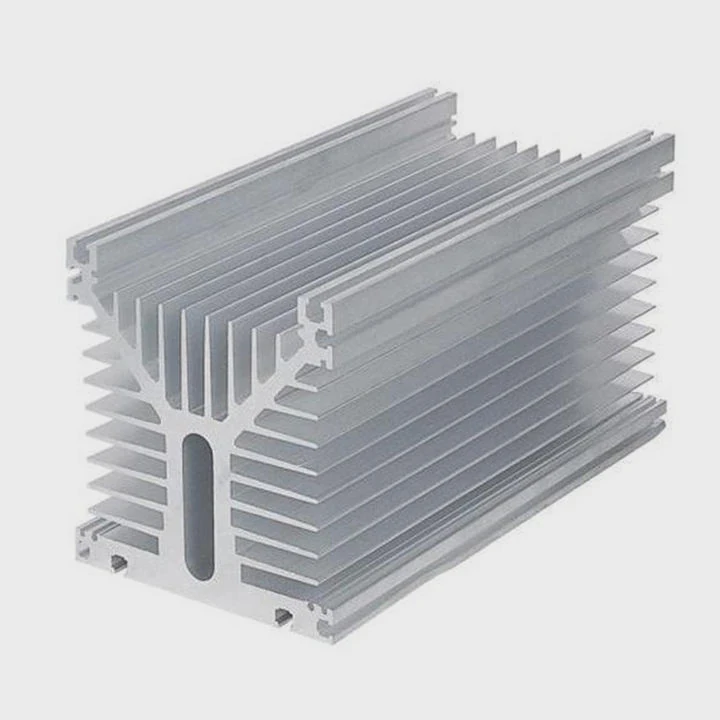
Aluminum welding often fails due to poor settings, contamination, or heat control. Many beginners struggle with cracks, weak joints, and unstable arcs.
TIG welding aluminum requires clean material, AC current, correct balance settings, and proper filler rods. With the right setup and technique, you can achieve strong, clean, and reliable welds.
Aluminum behaves very differently from steel. It transfers heat fast and oxidizes quickly. So, every step must be controlled. Let’s break this down step by step.
What settings are best for TIG aluminum welding?
Many welders get frustrated when their aluminum weld looks messy or weak. The wrong settings often cause burn-through or poor penetration.
The best TIG settings for aluminum include AC current, high frequency start, proper balance control, and amperage matched to material thickness. These settings help clean oxide and stabilize the arc.
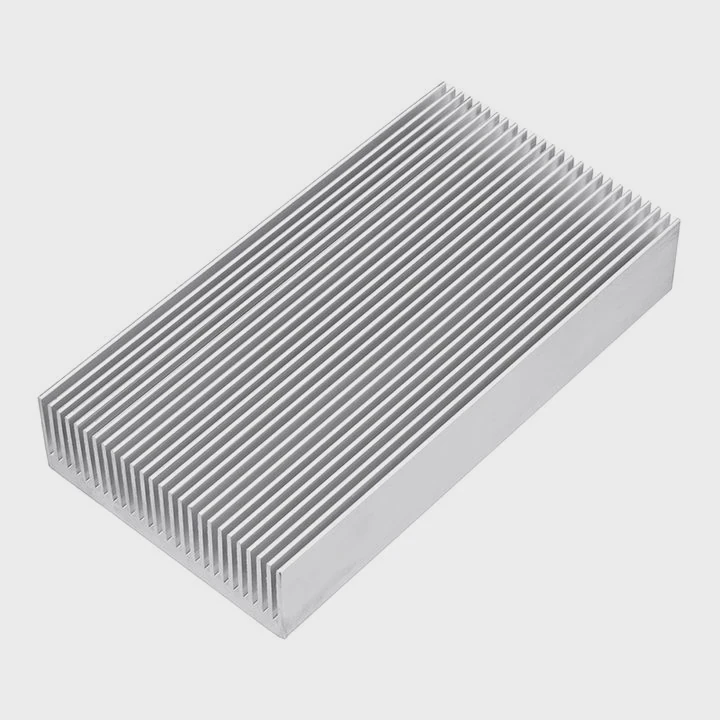
Aluminum welding is all about control. Each parameter plays a role. When one setting is off, the entire weld suffers.
Key TIG Settings Explained
1. Current Type: AC (Alternating Current)
AC is critical. It allows both cleaning and penetration. The electrode-positive cycle removes oxide. The electrode-negative cycle melts the base metal.
2. Amperage Selection
A simple rule helps:
- 1 amp per 0.001 inch of thickness
| Thickness (mm) | Recommended Amps |
|---|---|
| 1 mm | 40–70 A |
| 2 mm | 70–120 A |
| 3 mm | 120–180 A |
This is a starting point. Fine tuning is always needed.
3. AC Balance
AC balance controls cleaning vs penetration.
- More cleaning → better oxide removal, wider weld
- More penetration → deeper weld, less cleaning
A common setting:
- 65–75% EN (electrode negative)
4. Frequency Control
Higher frequency tightens the arc.
- 80–120 Hz → general welding
- 120–200 Hz → thin material, better control
5. Shielding Gas
Pure argon is standard.
- Flow rate: 15–20 CFH
- Use larger cups for better coverage
Common Mistakes with Settings
- Too much amperage → burn-through
- Too little cleaning → dirty weld
- Low gas flow → porosity
- Wrong balance → unstable arc
Practical Insight
In real production work, settings are rarely static. Each aluminum alloy behaves differently. Heat sinks, for example, require stable heat input because aluminum conducts heat very fast. A slight change in frequency or balance can affect the entire weld quality.
Do you need AC current for TIG aluminum?
Some welders try DC welding on aluminum and fail quickly. The weld becomes dirty and unstable.
Yes, AC current is essential for TIG welding aluminum because it removes oxide layers while allowing proper penetration. Without AC, weld quality drops significantly.
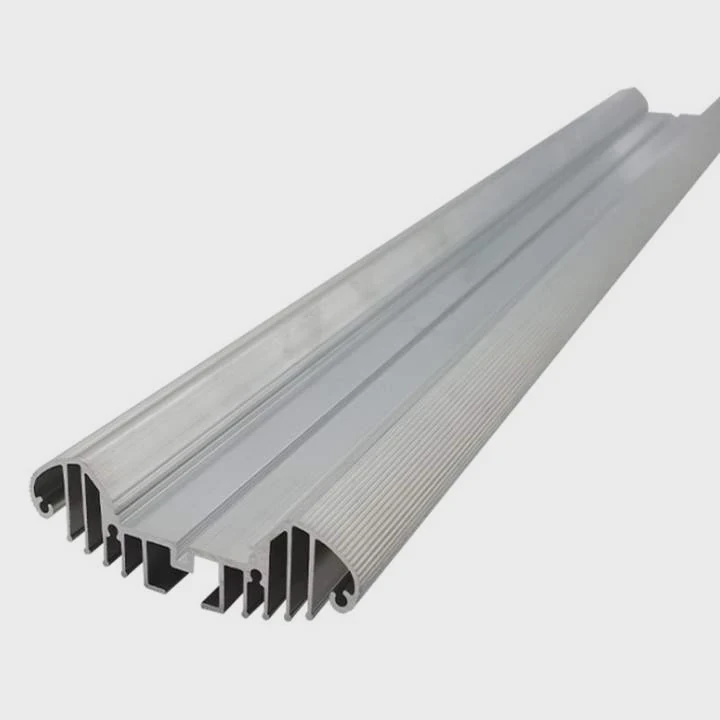
Aluminum naturally forms an oxide layer. This layer melts at a much higher temperature than aluminum itself.
Why AC is Necessary
Oxide Problem
- Aluminum melts at ~660°C
- Aluminum oxide melts at ~2050°C
This difference creates a barrier.
AC Solves This
| Cycle Type | Function |
|---|---|
| Electrode Positive (EP) | Cleans oxide layer |
| Electrode Negative (EN) | Penetrates base metal |
Without EP cleaning, the arc cannot break through oxide.
Can You Use DC at All?
Yes, but only in rare cases:
- DCEN (Direct Current Electrode Negative)
- Requires helium shielding
- Used for very thick aluminum
But this method:
- Is harder to control
- Produces less stable welds
- Is not beginner-friendly
AC Waveforms Matter
Modern TIG machines offer wave shaping:
- Sine wave → soft arc
- Square wave → stable, common
- Advanced waveforms → better control
Square wave AC is widely used in industry. It gives consistent cleaning and penetration.
Practical Insight
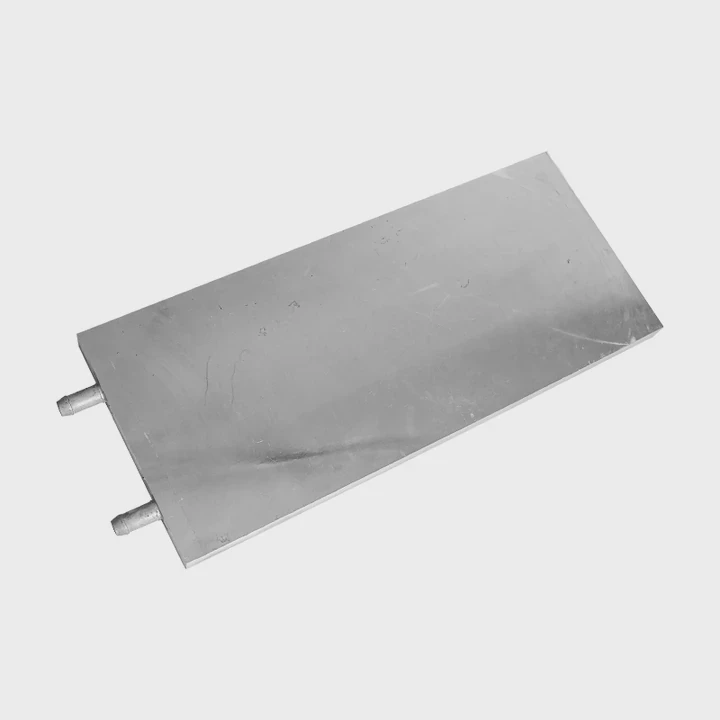
When working with complex aluminum structures like heat exchangers or cooling plates, AC stability becomes critical. Any fluctuation in cleaning action can lead to weak bonding between layers, especially in precision components.
What filler rods for aluminum TIG welding?
Choosing the wrong filler rod leads to cracks or weak joints. Many weld failures come from poor filler selection.
Common aluminum TIG filler rods include ER4043 and ER5356. The right choice depends on strength, corrosion resistance, and application requirements.
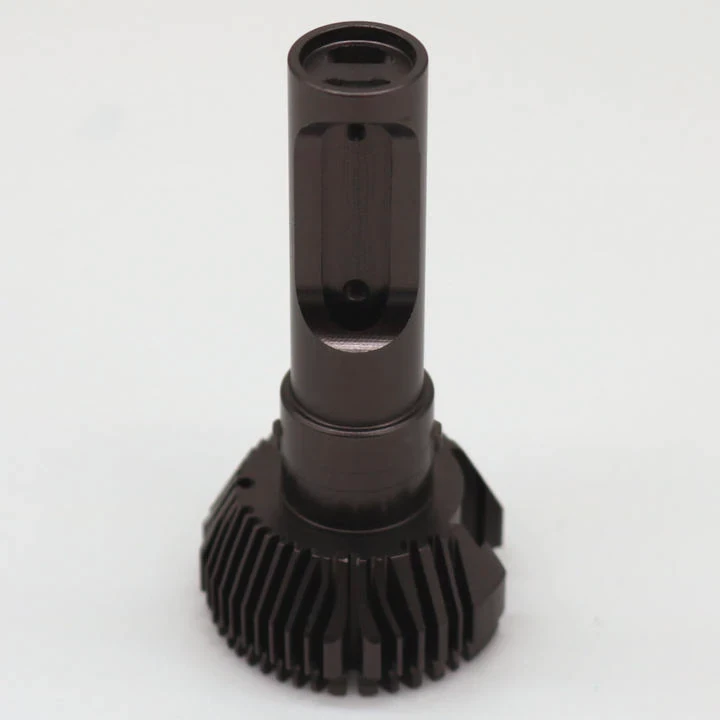
Filler rod selection is not random. It depends on alloy compatibility and final performance needs.
Common Aluminum Filler Rods
ER4043
- Contains silicon
- Easy to weld
- Smooth flow
Best for:
- General purpose welding
- Cast aluminum
- Crack resistance
ER5356
- Contains magnesium
- Higher strength
- Better corrosion resistance
Best for:
- Structural parts
- Marine applications
- Load-bearing components
Comparison Table
| Feature | ER4043 | ER5356 |
|---|---|---|
| Weldability | Excellent | Good |
| Strength | Medium | High |
| Crack Resistance | High | Medium |
| Color Match | Poor | Better |
How to Choose
Ask three questions:
- What is the base alloy?
- Does the part need high strength?
- Will it face corrosion?
Common Mistakes
- Mixing incompatible alloys
- Using high-strength rod on crack-prone joints
- Ignoring thermal expansion differences
Practical Insight
In thermal management products, filler rods affect heat transfer. A poor choice can reduce thermal conductivity. That is why filler selection is often tested alongside thermal simulation and real welding trials.
How to prevent cracks in aluminum welds?
Cracks are one of the most common problems in aluminum welding. They often appear after cooling.
To prevent cracks in aluminum welds, you must control heat input, choose the right filler rod, clean the material properly, and avoid rapid cooling.
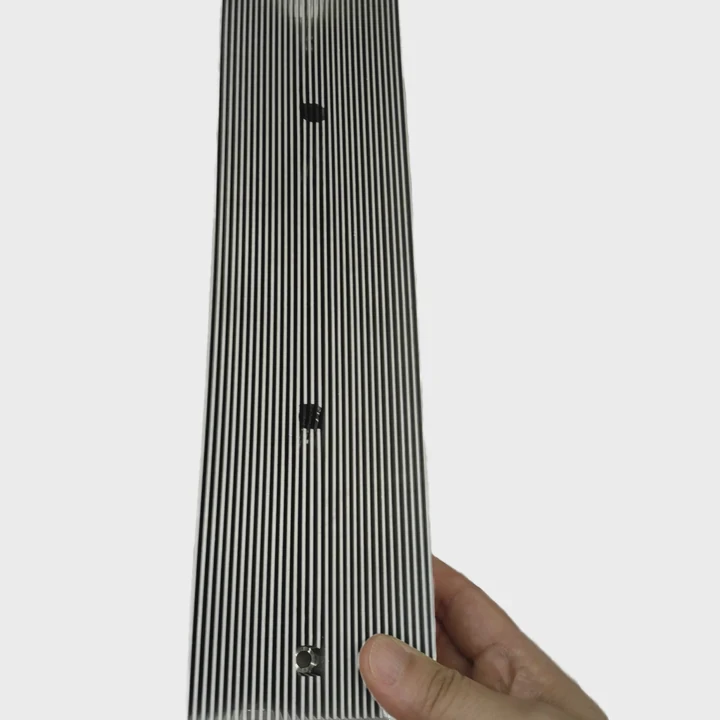
Cracking is usually caused by thermal stress and poor material compatibility.
Main Causes of Cracks
1. Contamination
Oil, oxide, or dirt weakens the weld.
2. Incorrect Filler Rod
Mismatch leads to brittle joints.
3. Excessive Heat
Overheating increases shrinkage stress.
4. Fast Cooling
Rapid cooling creates internal stress.
How to Prevent Cracks
Proper Cleaning
- Use acetone for oil removal
- Use stainless brush for oxide
Control Heat Input
- Use pulse welding if needed
- Avoid overheating thin sections
Preheating (if necessary)
- 100–150°C for thick materials
Correct Joint Design
- Avoid sharp corners
- Use proper fit-up
Welding Technique Tips
- Keep a short arc length
- Maintain steady travel speed
- Add filler consistently
Real-World Example
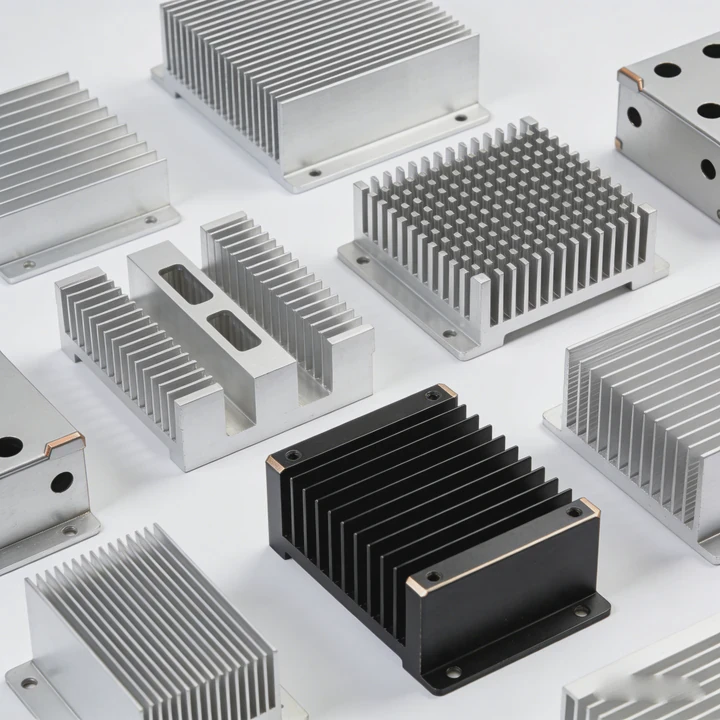
In large aluminum heat sink structures, cracks often appear near thick-to-thin transitions. These areas cool unevenly. A controlled welding sequence helps reduce stress.
Additional Prevention Strategy
| Problem Area | Solution |
|---|---|
| Thick sections | Preheat |
| Thin sections | Lower amperage |
| Dissimilar alloys | Compatible filler rod |
| Long weld seams | Segment welding |
Practical Insight
Crack prevention is not just about welding. It starts from design. Engineers must consider thermal expansion, joint layout, and material compatibility before welding even begins.
Conclusion
TIG welding aluminum needs precise control of settings, correct materials, and proper technique. When each factor is managed well, the result is strong, clean, and reliable welds.