Is aluminum a conductor?
- Yongxing
- 01 Apr ,2026
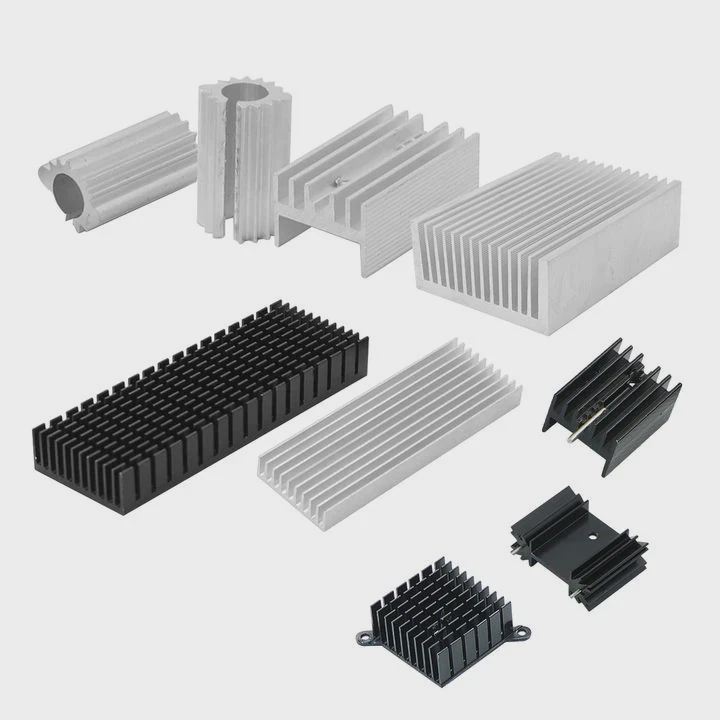
Many people see aluminum everywhere but still feel unsure about its real performance. It looks light and simple, yet it plays a key role in serious applications.
Yes, aluminum is a good conductor of both electricity and heat. It is widely used in electrical systems, power transmission, and thermal management because it offers a strong balance of conductivity, weight, and cost.
Understanding aluminum as a conductor requires more than a simple yes or no. Its performance depends on context. Compared to other metals like copper, aluminum behaves differently. It may not always be the top performer in raw conductivity, but it often wins in real-world applications. That is why it is used across industries, from power grids to heat sinks. Once the balance between performance, weight, and cost becomes clear, its role makes much more sense.
How well does aluminum conduct electricity?
Some people assume aluminum is a poor conductor because it is not used in small electronics as often as copper. That assumption is not accurate.
Aluminum conducts electricity very well, with about 61% of the conductivity of copper. Despite this, its lower density makes it highly efficient in applications where weight and cost matter.
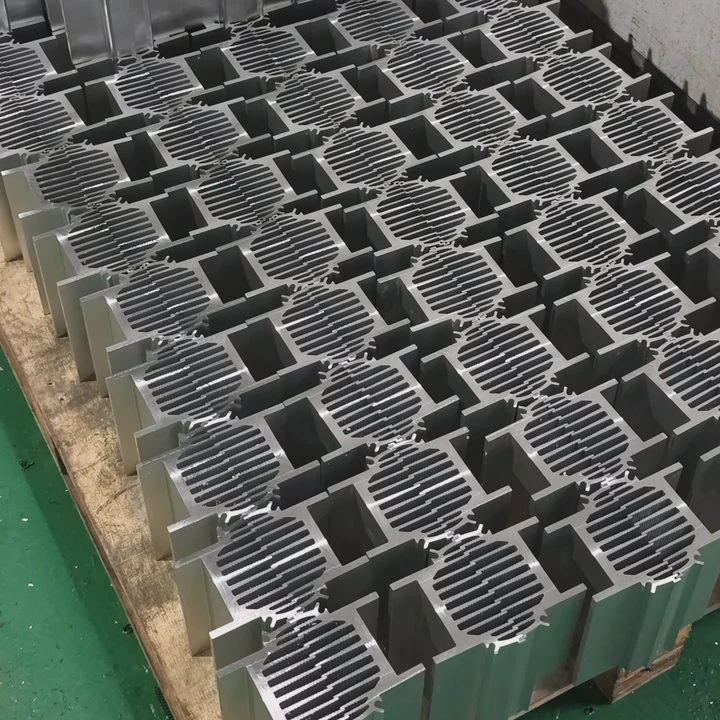
Electrical conductivity measures how easily a material allows electric current to pass. Aluminum performs strongly in this area, even though it does not match copper at the same size.
Conductivity comparison basics
Here is a simple comparison:
| Material | Electrical conductivity (relative) |
|---|---|
| Copper | 100% |
| Aluminum | ~61% |
| Steel | ~10–15% |
This shows that aluminum is far better than many common metals, even if it is below copper.
Why aluminum still performs well
Even with lower conductivity, aluminum has advantages:
Lower density
Aluminum is about one-third the weight of copper.
Cost efficiency
It is generally cheaper than copper.
Larger cross-section use
Engineers can use thicker aluminum conductors to match performance.
This combination makes aluminum very practical.
Real-world example: power transmission
High-voltage power lines often use aluminum instead of copper. The reason is simple:
- Lower weight reduces structural load
- Lower cost reduces project expense
- Adequate conductivity meets requirements
Steel cores are sometimes added for strength, creating aluminum conductor steel-reinforced (ACSR) cables.
Resistance and energy loss
Electrical resistance is the opposite of conductivity. Aluminum has higher resistance than copper at the same size. But when size is increased, resistance drops.
So engineers balance:
- Material cost
- Weight
- Cross-sectional area
Why size matters
A thicker aluminum wire can carry similar current as a thinner copper wire. This design approach is widely used in large-scale systems.
Key takeaway
Aluminum is not the best conductor per unit size, but it becomes highly effective when weight and cost are considered. That is why it is widely used in large electrical systems.
Is aluminum better than copper conductor?
This is one of the most common questions, and the answer depends on what “better” means in each case.
Aluminum is not better than copper in pure conductivity, but it can be better in applications where weight, cost, and scalability are more important than maximum conductivity.
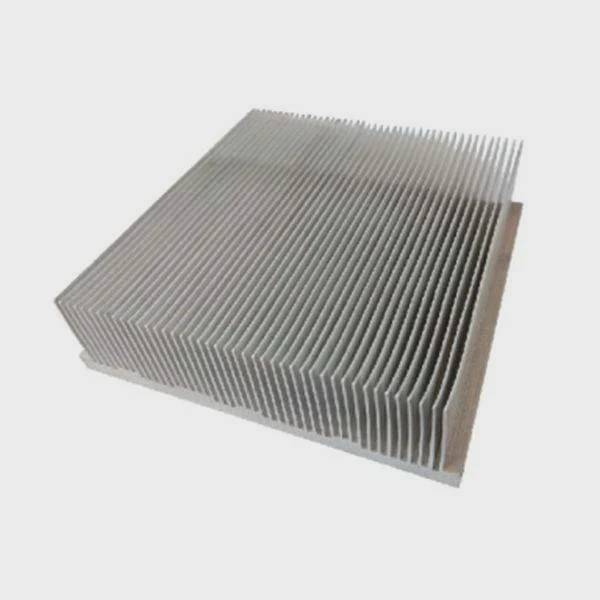
Copper has higher conductivity, but aluminum offers different advantages. So the comparison is not simple. It depends on the application.
Direct comparison
| Property | Aluminum | Copper |
|---|---|---|
| Conductivity | Lower | Higher |
| Weight | Much lighter | Heavier |
| Cost | Lower | Higher |
| Corrosion resistance | Good | Very good |
| Flexibility | Lower | Higher |
Each property affects performance in different ways.
When copper is better
Copper is preferred when:
- Space is limited
- Maximum conductivity is required
- Connections must be compact
- High reliability in small systems is critical
This is why copper is common in electronics and building wiring.
When aluminum is better
Aluminum works better when:
- Weight reduction is important
- Long-distance transmission is needed
- Cost must be controlled
- Large conductors are acceptable
This is why aluminum dominates power transmission.
Mechanical considerations
Aluminum is softer than copper. It expands more with temperature changes. This requires careful design:
- Proper connectors
- Correct installation methods
- Regular inspection in some systems
These factors matter in building wiring.
Historical issues and improvements
Older aluminum wiring systems had problems due to poor installation practices. Modern systems use improved alloys and connectors, which reduce risks.
Economic perspective
In large projects, material cost matters a lot. Aluminum can reduce total cost significantly. Even if more material is needed, the overall system may still be cheaper.
Engineering trade-off
Choosing between aluminum and copper is a balance:
- Performance
- Cost
- Weight
- Installation conditions
There is no single “best” option for all cases.
Why is aluminum used in wiring?
At first glance, it seems strange to use a material with lower conductivity than copper. But the real answer lies in practical design.
Aluminum is used in wiring because it provides a cost-effective, lightweight solution with sufficient conductivity for many applications, especially in power distribution and large-scale electrical systems.
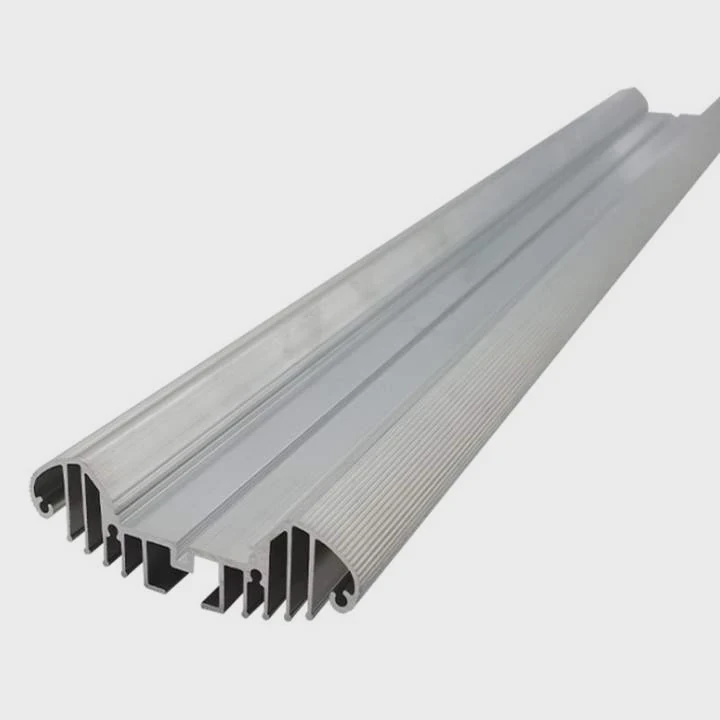
Aluminum wiring is common in specific areas, especially where scale matters. It is not always used in small household circuits, but it plays a major role in infrastructure.
Key reasons for using aluminum
Weight advantage
Lighter wires reduce structural requirements.
Cost savings
Lower material cost reduces project budget.
Adequate performance
Conductivity is sufficient for many uses.
Availability
Aluminum is abundant and widely produced.
Typical applications
| Application | Why aluminum is used |
|---|---|
| Power transmission lines | Long distance and weight savings |
| Utility distribution | Cost-effective for large networks |
| Busbars | Large cross-section is acceptable |
| Industrial systems | Balance of cost and performance |
Power grid example
Power companies choose aluminum because:
- Lines span long distances
- Towers must support cable weight
- Cost per kilometer matters
Using copper would increase both weight and cost significantly.
Installation considerations
Aluminum wiring requires attention:
- Proper connectors to prevent loosening
- Anti-oxidation compounds
- Correct torque during installation
These steps ensure safe performance.
Aluminum vs copper in buildings
In residential wiring, copper is still more common. But aluminum may be used in:
- Service entrance cables
- Large feeders
- Commercial systems
Safety improvements
Modern aluminum wiring systems are safer due to:
- Better alloys
- Improved connector design
- Updated installation standards
Long-term reliability
When installed correctly, aluminum wiring performs well over time. Problems usually come from poor installation, not the material itself.
Does aluminum conduct heat efficiently?
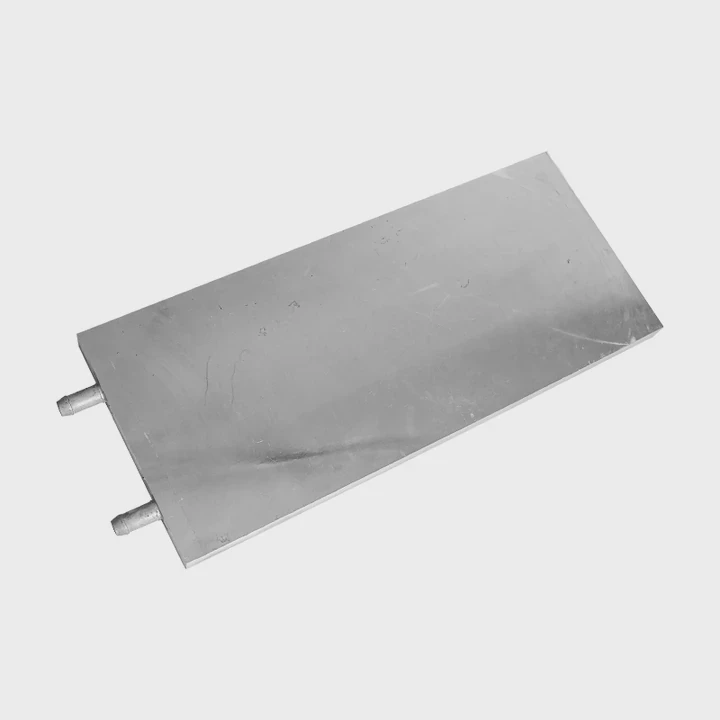
Aluminum is not only an electrical conductor. It is also widely used in thermal management.
Yes, aluminum conducts heat efficiently. It has high thermal conductivity, making it ideal for heat sinks, cooling systems, and thermal management components.
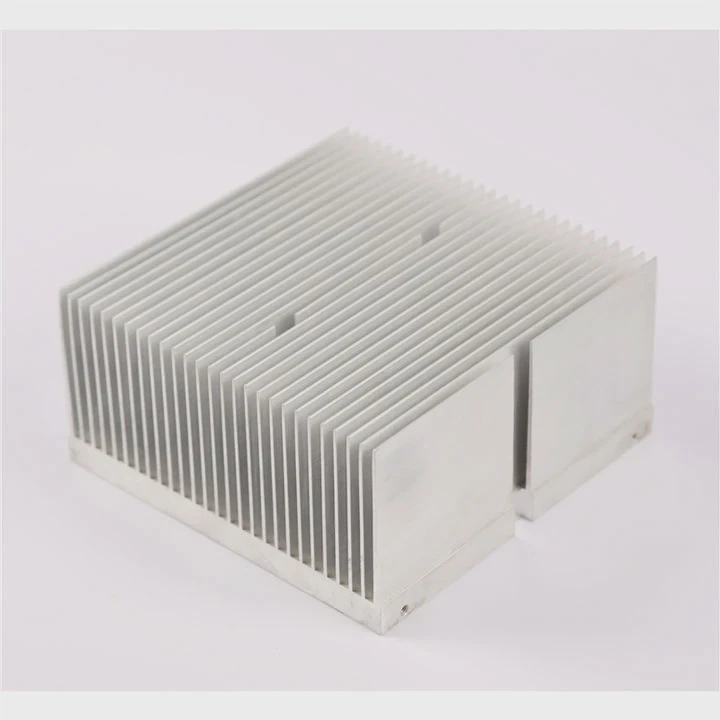
Heat conduction is critical in many industries. Electronics, automotive systems, and industrial equipment all need effective cooling. Aluminum plays a major role here.
Thermal conductivity comparison
| Material | Thermal conductivity (W/m·K) |
|---|---|
| Copper | ~400 |
| Aluminum | ~200–235 |
| Steel | ~50 |
Aluminum conducts heat very well, even if it is below copper.
Why aluminum is widely used for heat transfer
Lightweight
Reduces system weight
Good conductivity
Transfers heat efficiently
Easy to manufacture
Can be extruded into complex shapes
Cost-effective
Cheaper than copper
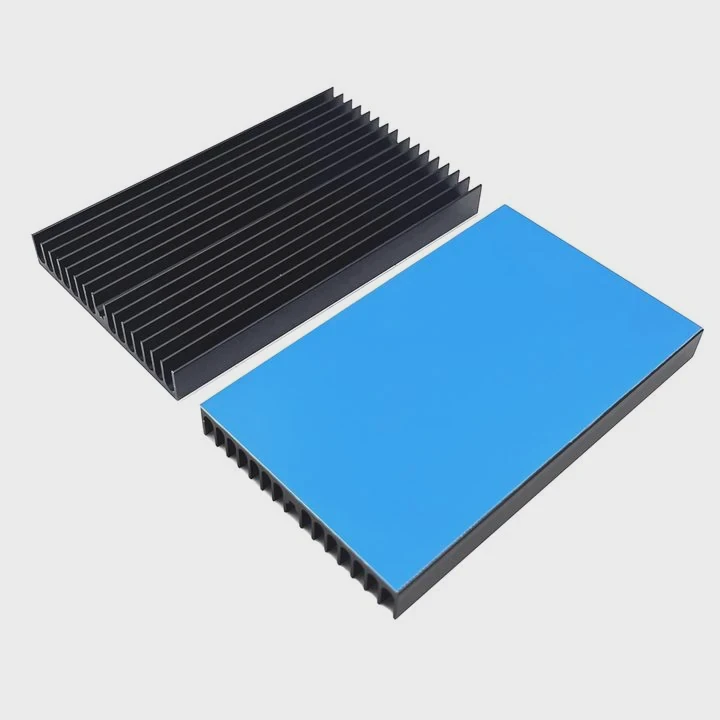
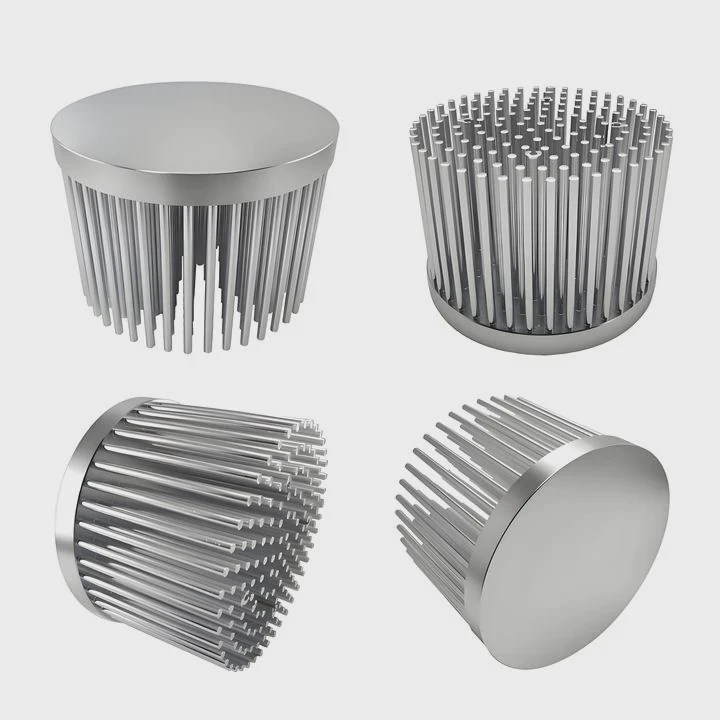
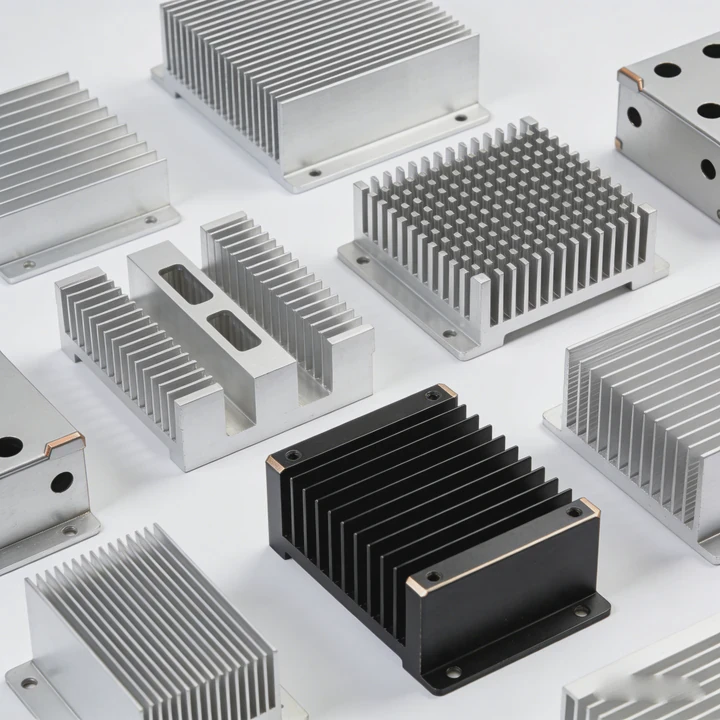
Heat sink applications
Aluminum is commonly used in:
- Electronics cooling
- LED lighting systems
- Power modules
- Automotive components
Heat sinks rely on surface area and airflow. Aluminum can be shaped into fins easily, which improves cooling performance.
Balance of performance and cost
Copper performs better in pure thermal conductivity. But it is heavier and more expensive. Aluminum offers a strong balance, which makes it the preferred choice in most cases.
Surface treatment effects
Coatings and surface finishes can affect heat transfer:
- Anodizing improves corrosion resistance
- Surface roughness affects heat dissipation
- Color can influence radiation
These factors are part of thermal design.
Real-world performance
In many systems, aluminum provides enough thermal performance without the extra cost of copper. This makes it the standard choice in mass production.
When copper is still used
Copper is used when:
- Maximum heat transfer is required
- Space is very limited
- High-performance systems demand it
Final insight on thermal use
Aluminum is not the top performer in heat conduction, but it delivers excellent real-world results. Its balance of properties makes it one of the most important materials in thermal management.
Conclusion
Aluminum is a strong conductor of both electricity and heat. While it does not surpass copper in pure performance, its balance of cost, weight, and efficiency makes it essential in modern engineering and large-scale applications.