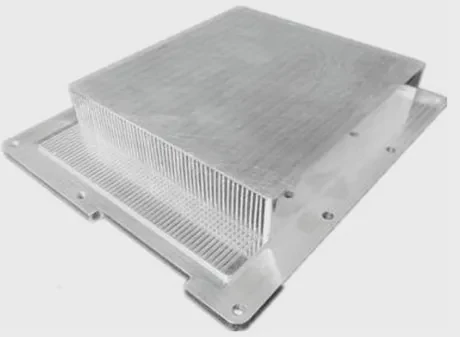
Products Details
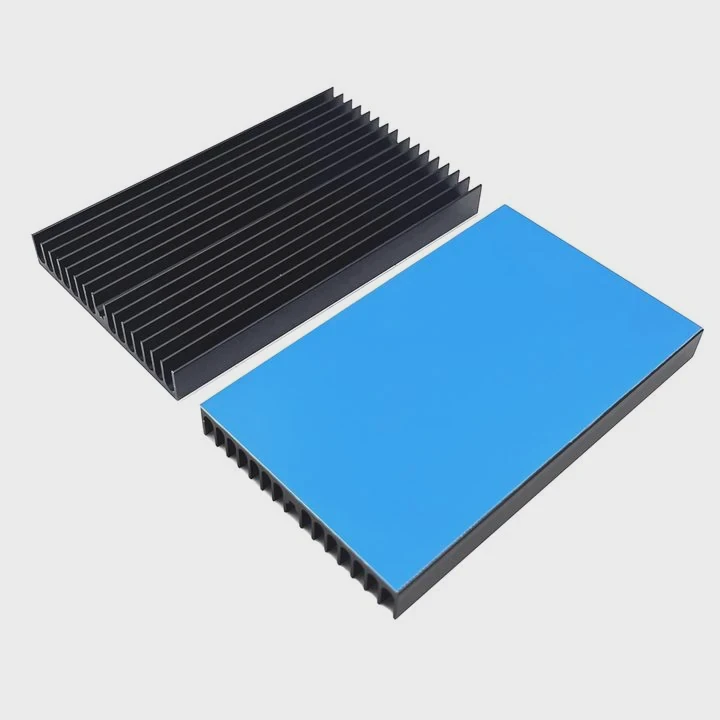
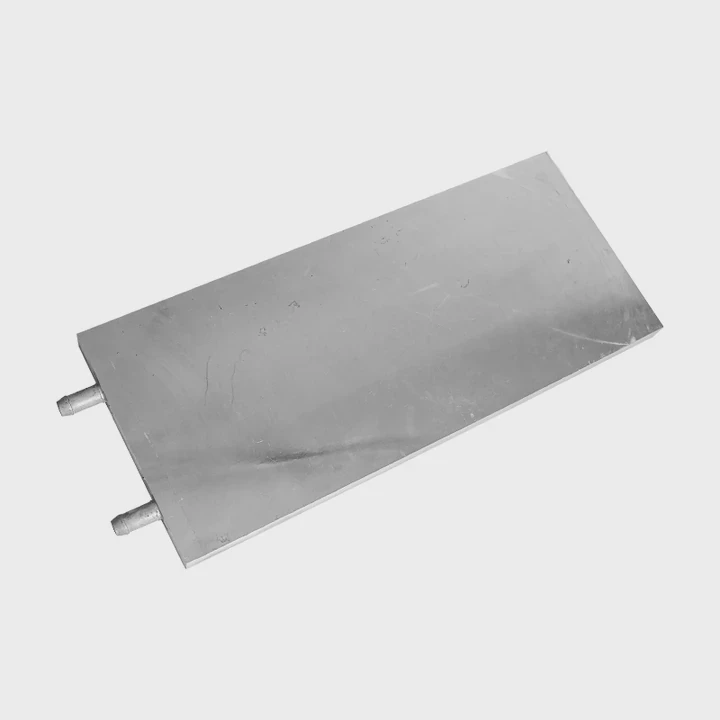
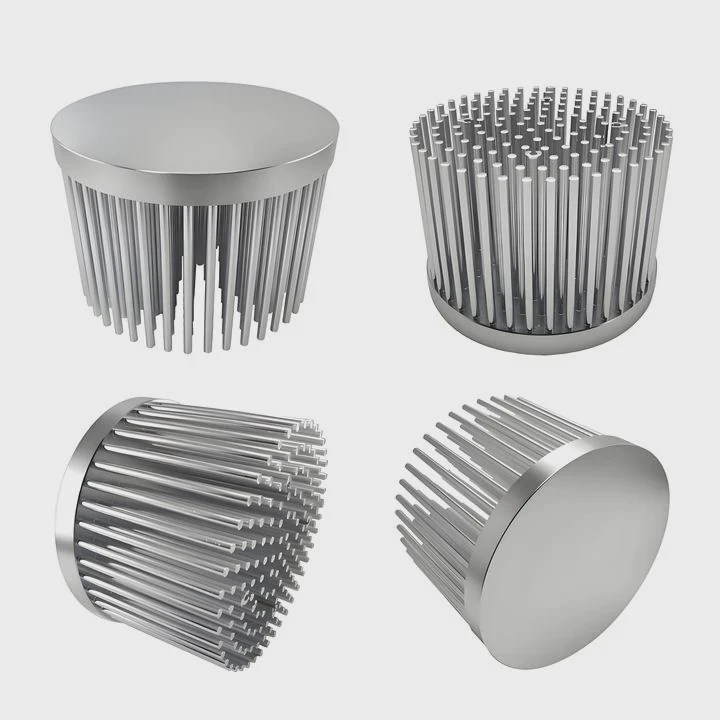
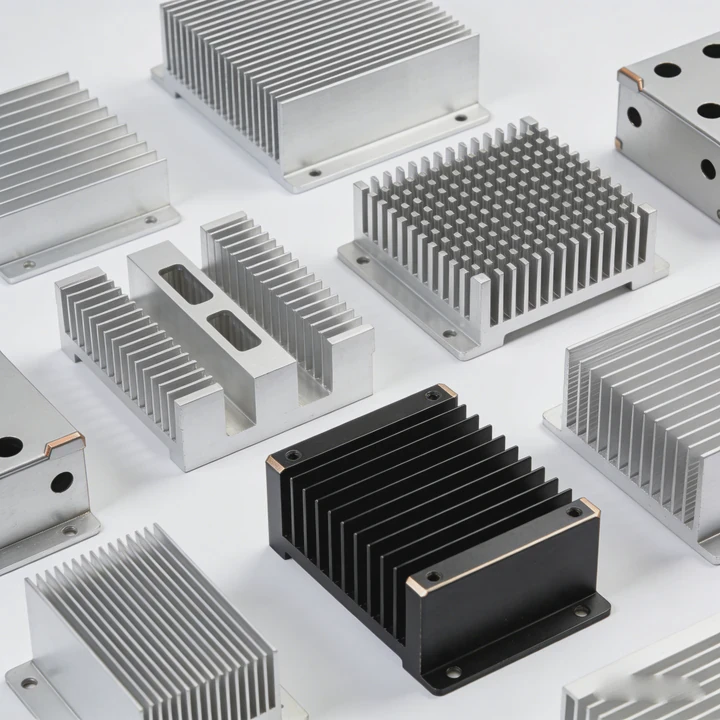
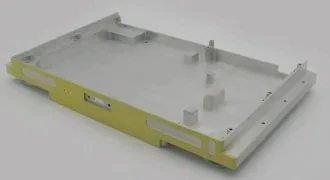
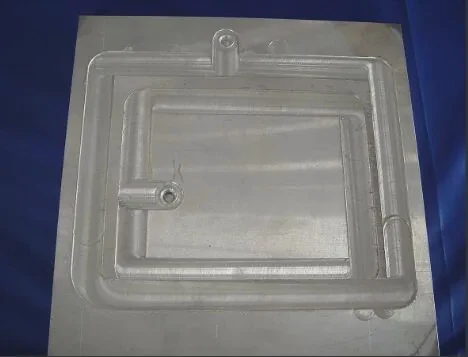
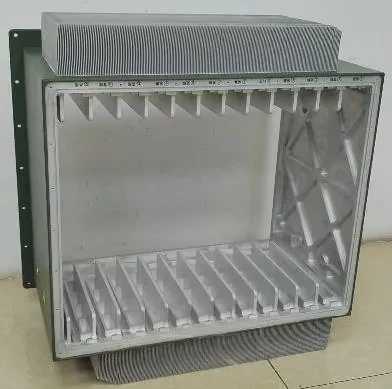
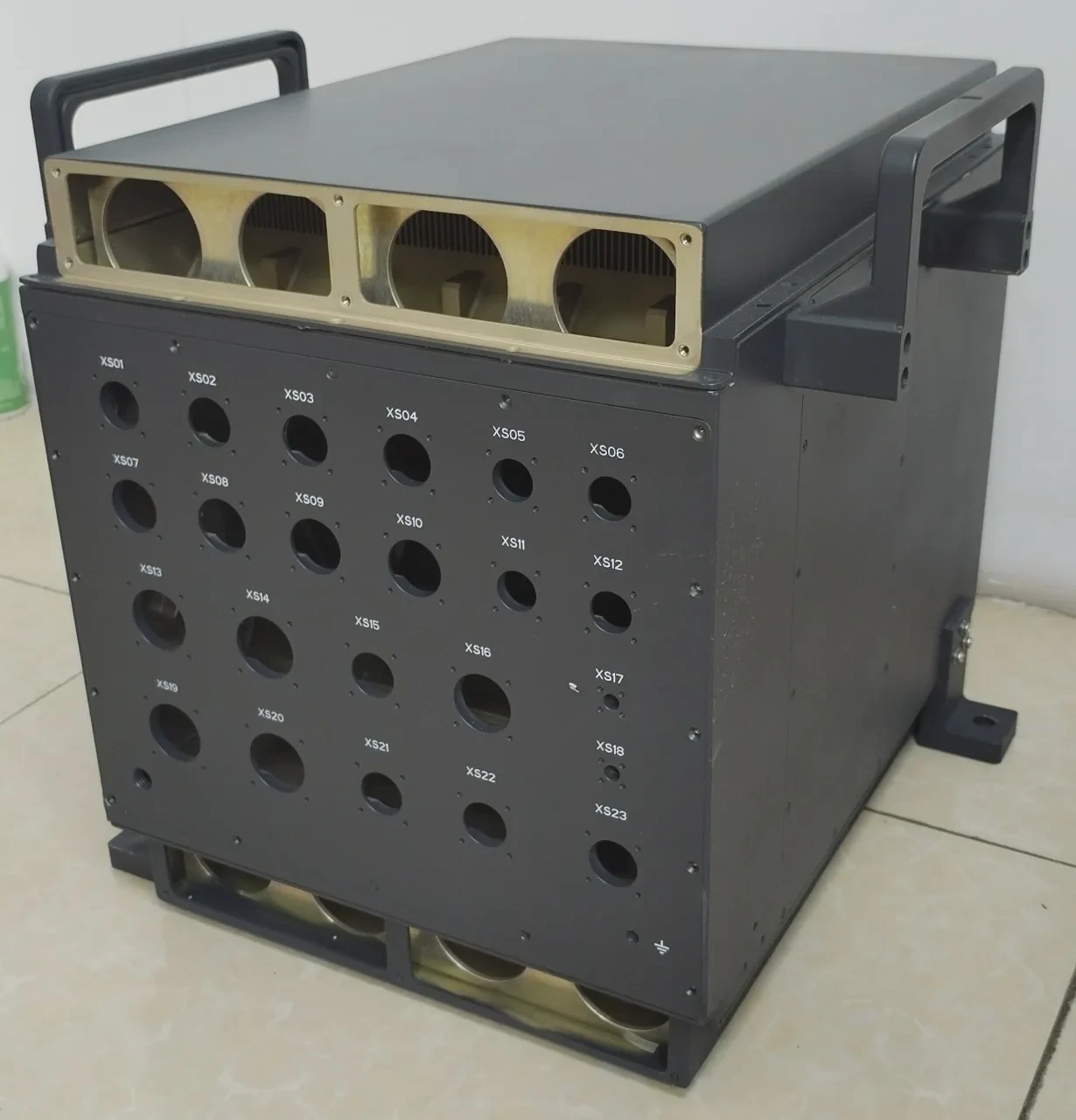
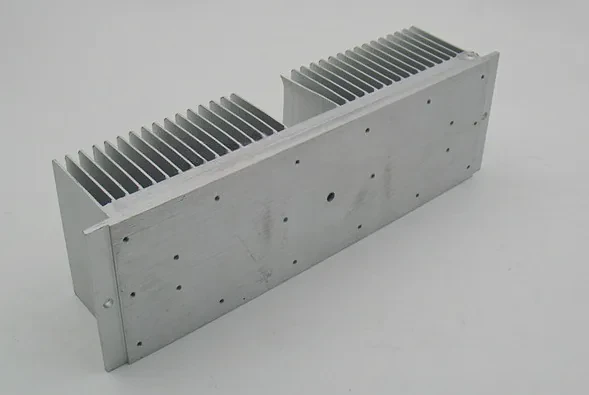
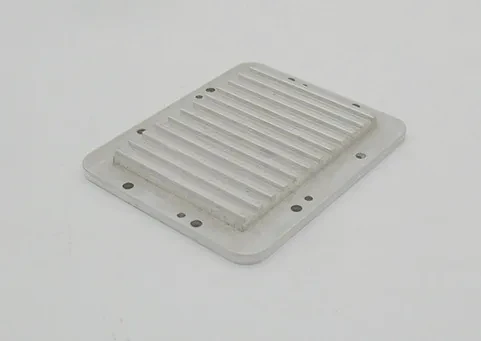
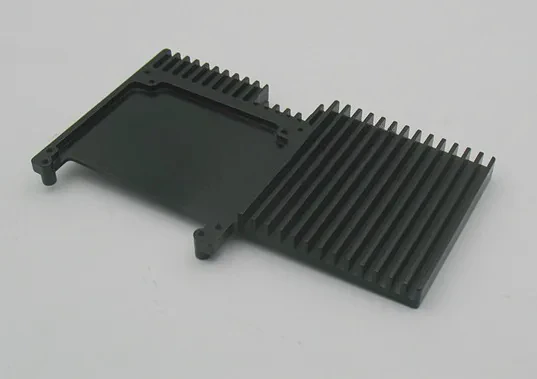
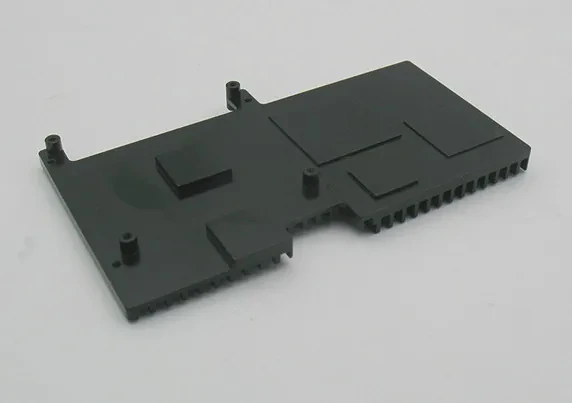
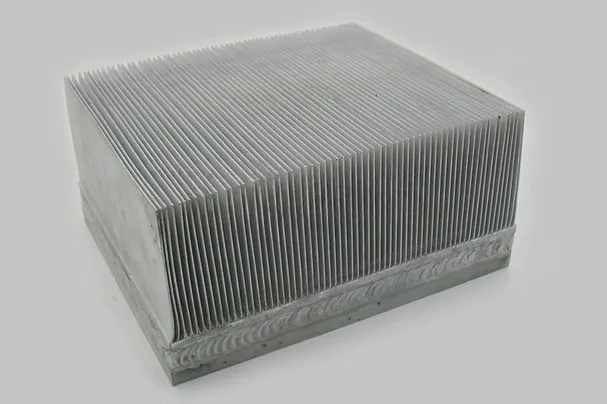
Aluminum vapor chambers offer excellent machinability and can be effectively integrated with heat sinks to rapidly spread heat, enabling the heat sink to achieve better performance. At the same time, due to the hollow structure of the vapor chamber, the overall weight of the heat sink can be reduced.
Our company has been deeply engaged in this field for nearly 10 years, with a complete and reliable structural design methodology and manufacturing process to ensure that all product performance meets relevant standards.
Key features of our vapor chamber heat sinks:
1. Mature design. Our structural designs have passed various tests in accordance with GJB-150 standards, ensuring maturity and reliability;
2. Lightweight. The hollow aluminum alloy structure significantly reduces weight;
3. Excellent heat dissipation. Phase-change heat spreading enables faster thermal conduction and higher heat dissipation efficiency;
4. Easy to machine. Aluminum alloys provide good thermal conductivity and excellent machinability, allowing integration with extrusion, cold forging, skiving, die casting, machining, and other processes. They can also be easily integrated with fins, enabling devices to achieve both minimal weight and optimal cooling performance;
5. Low-temperature resistance. Aluminum vapor chamber heat sinks commonly use acetone as the working fluid, with a freezing point below -90°C, avoiding the risk of structural damage caused by freezing and expansion of water-based fluids;
6. High cost performance. Aluminum alloys offer good thermal conductivity, and their volumetric cost is only about one-tenth that of copper. Incorporating phase-change structures further enhances performance, narrowing or even surpassing the cooling capability of copper heat sinks, resulting in superior cost-effectiveness;
7. Integrated capillary and internal structure. Our proprietary process allows the capillary structure to also serve as structural support, eliminating the need for aluminum support columns. This maximizes the vapor chamber cavity size, resulting in better heat carrying capacity and improved temperature uniformity.
Customization options for our vapor chamber heat sinks:
1. Materials: Commonly 6063 aluminum alloy, with options including 6061, 1xxx series, and 3xxx series aluminum alloys;
2. Dimensions: Maximum size up to 400 mm × 400 mm;
3. Operating temperature range: -60°C to 140°C (special working fluids can extend this range);
4. Surface treatment: Conductive oxidation, anodizing, hard anodizing, painting, etc.;
5. Additional requirements such as acceleration, vibration, shock, high/low temperature, humidity, and mold resistance can be customized upon agreement;
6. Lead time: 30 days for samples; mass production delivery time to be negotiated.
FAQ
1.What is a phase change heat exchanger?
A phase change heat exchanger is a device that transfers heat using phase transitions like evaporation and condensation.
2.How does a phase change heat exchanger work?
A phase change heat exchanger absorbs and releases heat through liquid-to-vapor phase changes.
3.What are the advantages of a phase change heat exchanger?
A phase change heat exchanger offers high efficiency, rapid heat transfer, and stable performance.
4.Where are heat exchanger, phase change heat exchanger used?
Heat exchanger, phase change heat exchanger are used in HVAC, electronics cooling, and energy systems.
5.Is a phase change heat exchanger energy efficient?
Yes, a phase change heat exchanger maximizes heat transfer efficiency with minimal energy consumption.
6.Can a phase change heat exchanger handle high heat loads?
Yes, a phase change heat exchanger is ideal for managing high heat loads with consistent performance.
7.Why choose a phase change heat exchanger?
A phase change heat exchanger provides superior thermal management compared to conventional heat exchangers.
8.Does a phase change heat exchanger require maintenance?
A phase change heat exchanger requires minimal maintenance due to efficient and stable design.