Is aluminum an element?
- Yongxing
- 02 Apr ,2026
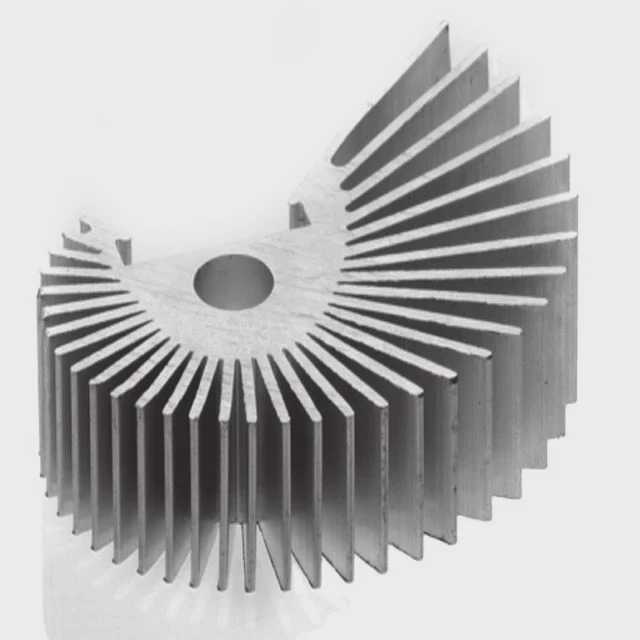
Many people use aluminum every day, yet few truly understand what it is. This confusion often leads to wrong assumptions about its nature.
Yes, aluminum is a chemical element. It is a pure substance made of one type of atom and is listed on the periodic table with the symbol Al.
Understanding aluminum at a deeper level helps engineers, designers, and buyers make better material decisions, especially in thermal management and manufacturing fields.
What type of element is aluminum?
Many people think aluminum is just a metal without deeper classification. This lack of clarity can limit proper material selection in engineering.
Aluminum is a metal element, specifically a post-transition metal. It is lightweight, conductive, and corrosion-resistant, making it ideal for many industrial uses.
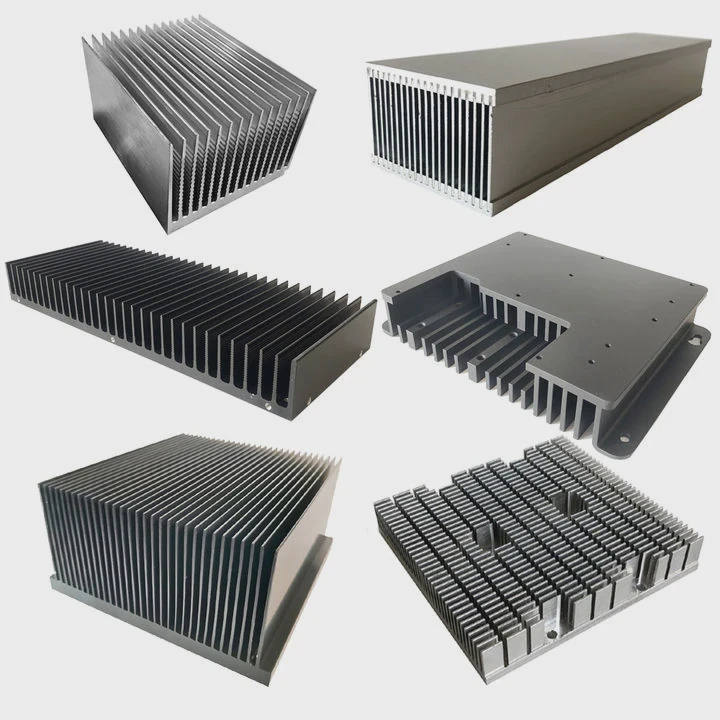
Aluminum belongs to a group of elements known as metals, but more precisely, it is classified as a post-transition metal. This classification matters because it explains why aluminum behaves differently from heavier metals like iron or copper.
Understanding metal classification
Metals are usually grouped based on their physical and chemical behavior:
- Transition metals: Strong, dense, often used in structural applications
- Post-transition metals: Softer, lighter, and more chemically reactive
- Alkali and alkaline metals: Highly reactive, rarely used in structural forms
Aluminum sits in the post-transition category. This explains why it has a balance of strength and weight.
Key physical properties of aluminum
| Property | Value / Description |
|---|---|
| Density | ~2.7 g/cm³ (very lightweight) |
| Thermal conductivity | High (~205 W/m·K) |
| Electrical conductivity | Good conductor |
| Corrosion resistance | Forms natural oxide layer |
These properties make aluminum very useful in heat sink manufacturing. The high thermal conductivity allows heat to move quickly. The low density reduces overall system weight.
Why this classification matters in real applications
In thermal management, material choice directly affects performance. Aluminum’s classification as a post-transition metal explains:
- Why it is easy to machine and extrude
- Why it performs well in heat dissipation
- Why it resists corrosion without heavy coatings
From experience in heat sink production, aluminum often becomes the first choice when balancing cost, weight, and performance. It does not match copper in thermal conductivity, but it offers a better overall system solution.
Where is aluminum on periodic table?
Many beginners struggle to locate aluminum on the periodic table. Without this context, it is hard to understand its behavior.
Aluminum is located in Group 13 and Period 3 of the periodic table, positioned between metals and metalloids.
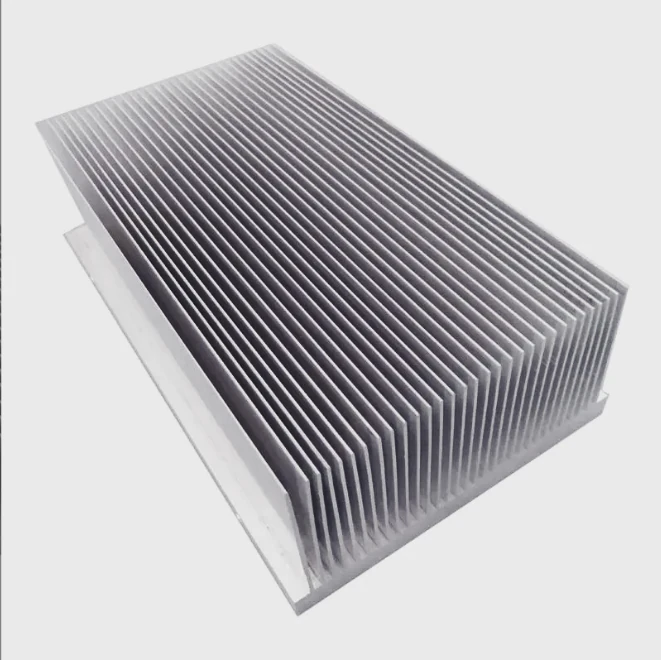
Aluminum’s position on the periodic table gives strong clues about its properties and behavior.
Exact position details
- Group: 13 (also called the boron group)
- Period: 3
- Block: p-block
This location places aluminum in a unique position. It shares some characteristics with both metals and metalloids.
What Group 13 means
Elements in Group 13 have three electrons in their outer shell. This leads to predictable chemical behavior.
| Element | Symbol | Key Trait |
|---|---|---|
| Boron | B | Metalloid |
| Aluminum | Al | Metal |
| Gallium | Ga | Low melting point metal |
| Indium | In | Soft metal |
Aluminum stands out as the most widely used element in this group.
Why its position matters
The periodic table is not just a chart. It is a map of behavior.
Because aluminum is in Period 3:
- It has relatively small atomic size
- It forms stable bonds
- It shows moderate reactivity
Because it is in Group 13:
- It tends to form +3 ions
- It reacts with oxygen to form aluminum oxide
Practical impact in manufacturing
This position explains why aluminum naturally forms a thin oxide layer. This layer protects it from corrosion. In heat sink applications, this is very valuable.
In real production, this means:
- No need for heavy anti-rust treatment
- Longer product life
- Stable performance in harsh environments
Understanding its periodic position helps engineers predict how aluminum will behave under heat, stress, and chemical exposure.
What is aluminum atomic number?
Many people hear about atomic numbers but do not fully understand what they mean. This can limit their understanding of material science.
Aluminum has an atomic number of 13, which means each aluminum atom contains 13 protons in its nucleus.
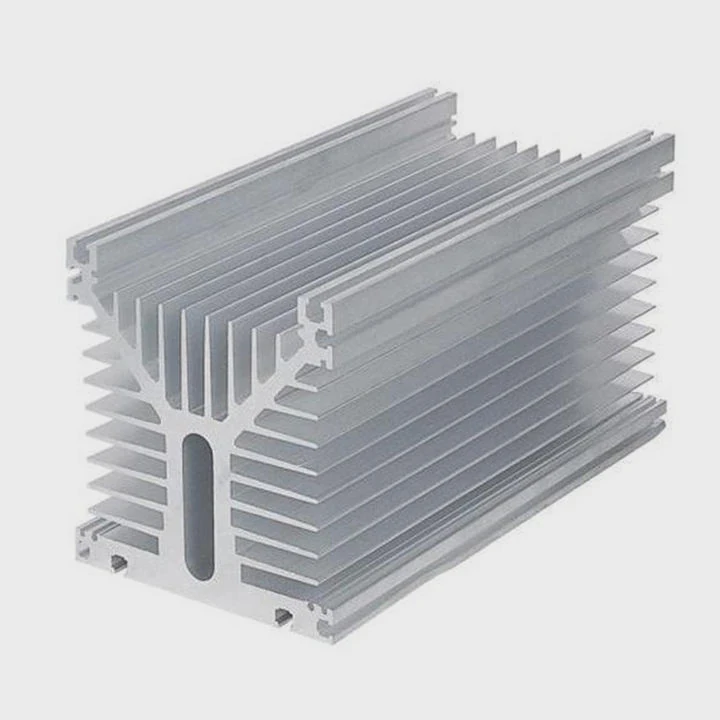
The atomic number is one of the most important identifiers of an element. It defines the element completely.
What atomic number really means
Atomic number = number of protons in the nucleus.
For aluminum:
- Protons: 13
- Electrons: 13 (in a neutral atom)
This number determines how the atom behaves chemically.
Electron configuration of aluminum
Aluminum’s electron structure is:
2, 8, 3
This means:
- 2 electrons in the first shell
- 8 electrons in the second shell
- 3 electrons in the outer shell
Why outer electrons matter
The outer electrons (valence electrons) control how atoms bond.
Aluminum has 3 valence electrons. This leads to:
- Formation of Al³⁺ ions
- Strong bonding with oxygen
- Stable oxide layer formation
Practical engineering meaning
This atomic structure directly affects real-world applications.
| Feature | Result in Application |
|---|---|
| 3 valence electrons | Good bonding ability |
| Stable oxide formation | Corrosion resistance |
| Moderate atomic size | Good machinability |
From a manufacturing view, this is why aluminum behaves predictably during processes like:
- Extrusion
- CNC machining
- Welding
It also explains why aluminum works well in complex heat sink geometries.
Real-world example
In one project involving high-power electronics, choosing aluminum over other metals improved:
- Weight reduction by over 40%
- Thermal performance stability
- Production efficiency
All of this connects back to its atomic structure and atomic number.
How is aluminum classified chemically?
Many people think aluminum is just a simple metal. But its chemical classification is more nuanced and important.
Chemically, aluminum is classified as a metallic element with amphoteric behavior, meaning it can react with both acids and bases.
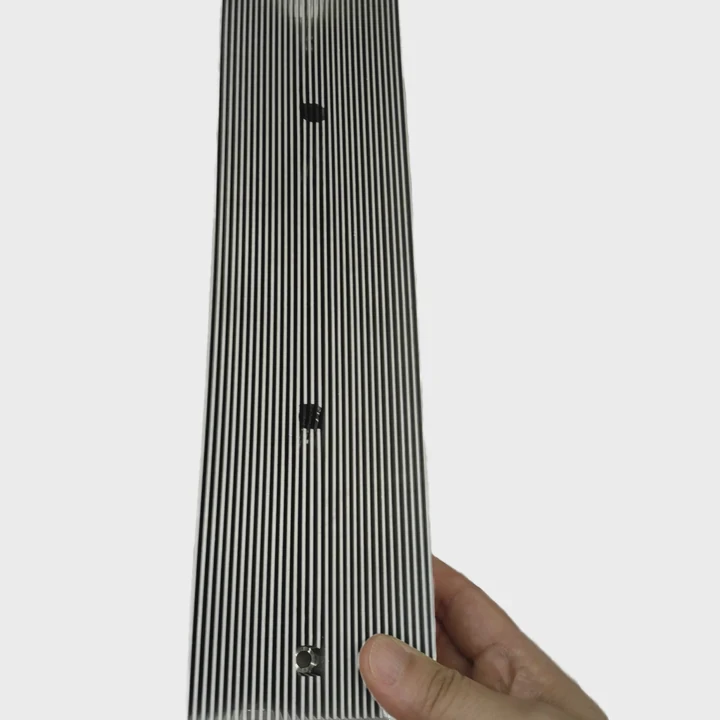
Aluminum’s chemical classification explains how it reacts in different environments.
Amphoteric nature explained
An amphoteric substance can react with:
- Acids → forming aluminum salts
- Bases → forming aluminates
This dual behavior is not common in all metals.
Example reactions
With acid:
Aluminum + hydrochloric acid → aluminum chloride + hydrogenWith base:
Aluminum + sodium hydroxide → sodium aluminate + hydrogen
Why this matters
This property affects:
- Surface treatment processes
- Cleaning methods
- Coating compatibility
Chemical stability and oxide layer
Aluminum quickly forms a thin oxide layer when exposed to air. This layer:
- Protects the metal from corrosion
- Is self-repairing
- Improves durability
Comparison with other metals
| Metal | Corrosion Resistance | Reactivity Type |
|---|---|---|
| Aluminum | High | Amphoteric |
| Iron | Low (rusts easily) | Reactive with oxygen |
| Copper | Medium | Less reactive |
Impact on heat sink design
In thermal management systems, chemical classification directly affects product life.
Aluminum’s behavior ensures:
- Long-term stability in outdoor environments
- Resistance to moisture and oxidation
- Compatibility with coatings like anodizing
Industrial advantage
Because of its chemical nature, aluminum supports:
- Anodizing for better heat radiation
- Surface treatments for insulation
- Strong bonding in composite structures
In practical work, this reduces maintenance costs and increases system reliability.
Conclusion
Aluminum is a fundamental chemical element with unique physical and chemical properties. Its position, atomic structure, and classification explain why it is widely used in modern engineering, especially in heat dissipation and lightweight design.
- Pre Is aluminum a conductor?
- Next: Is aluminum ferrous?