Is aluminum ferrous?
- Yongxing
- 02 Apr ,2026
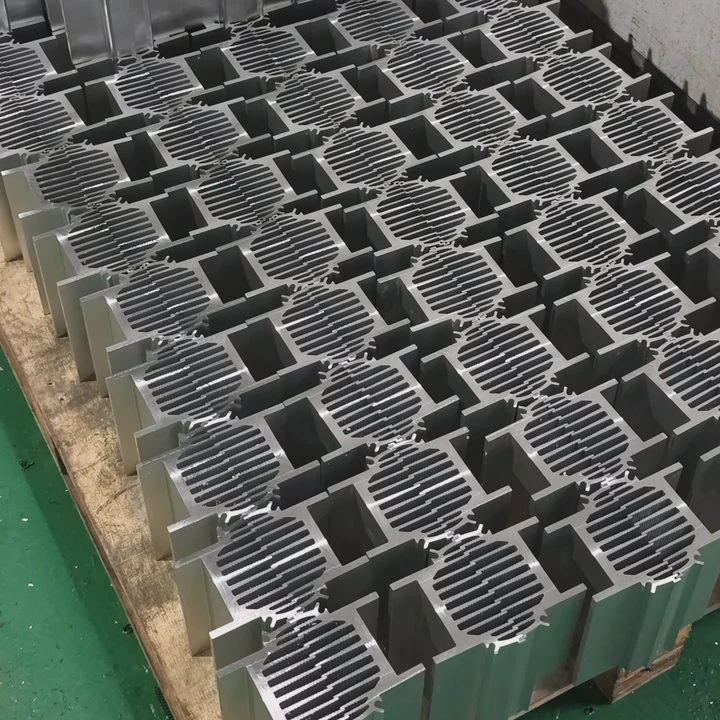
Metal confusion creates costly mistakes. Many buyers mix up aluminum with iron-based metals. This leads to wrong material choices and performance risks.
Aluminum is not ferrous. It contains no iron, which is the defining element of ferrous metals. Instead, aluminum belongs to the non-ferrous metal group, known for corrosion resistance and lightweight properties.
This simple question often hides deeper technical gaps. Understanding the difference helps avoid design failures, cost overruns, and thermal performance issues in real projects.
Why is aluminum considered non ferrous?
Material selection often starts wrong. Many assume all metals behave similarly. That assumption causes problems in heat management and structural design.
Aluminum is considered non-ferrous because it contains no iron. Non-ferrous metals are defined by the absence of iron, which gives them better corrosion resistance and lighter weight.
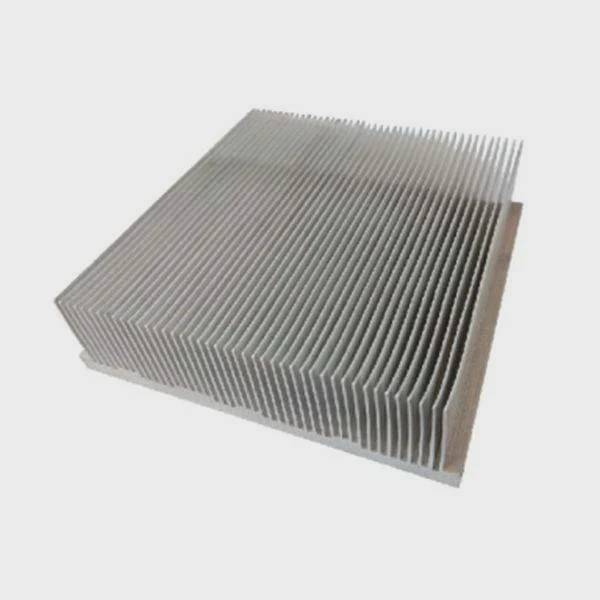
Aluminum sits firmly in the non-ferrous category due to its chemical composition. It is made almost entirely of aluminum atoms, with small amounts of alloying elements like silicon, magnesium, or copper. There is no iron content in its base form.
What “non-ferrous” really means
The term “non-ferrous” simply means “without iron.” That is the only strict rule. Everything else comes as a result of that.
Here is a simple breakdown:
| Category | Contains Iron | Example Metals |
|---|---|---|
| Ferrous | Yes | Steel, cast iron |
| Non-ferrous | No | Aluminum, copper |
Why aluminum stands out
Aluminum shows clear differences from ferrous metals:
- It does not rust like steel
- It is much lighter
- It conducts heat very well
- It is easier to machine and extrude
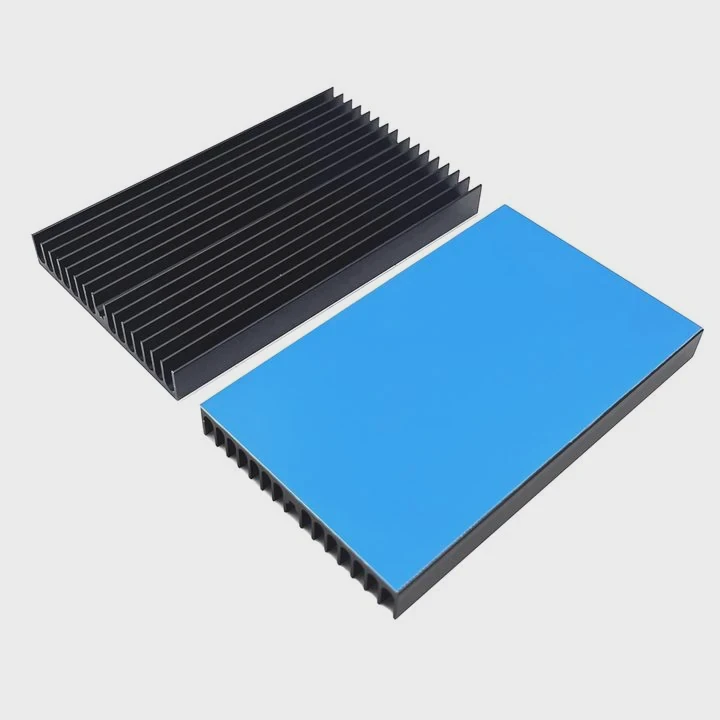
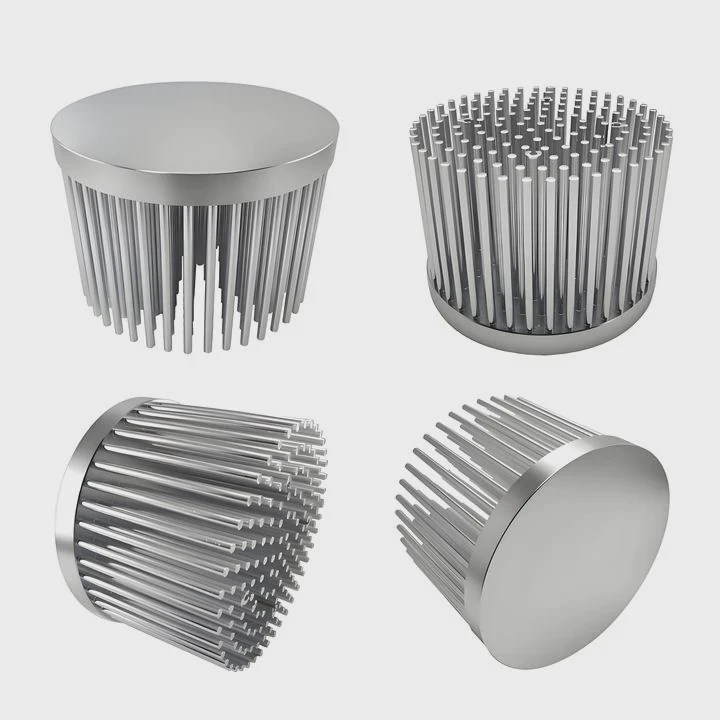
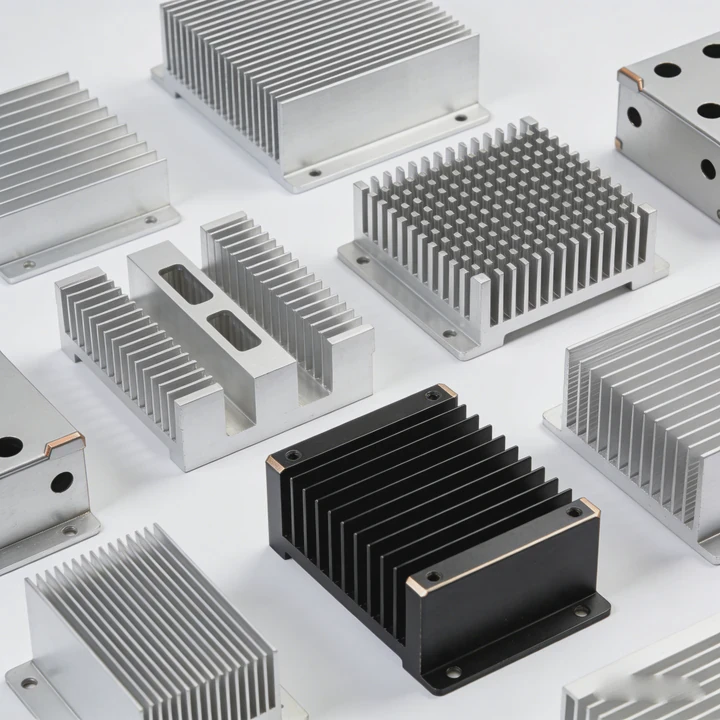
These features make aluminum ideal for heat sinks and thermal systems.
Real-world implication
In thermal design, aluminum is often chosen over steel because weight and heat transfer matter more than strength alone. For example, in electronic cooling systems, aluminum provides fast heat dissipation while keeping the structure light.
A practical insight from experience
In one project, a client initially selected a steel housing for a power module. The result was overheating due to poor thermal conductivity. After switching to aluminum, the temperature dropped by over 20%. This shows how critical the “non-ferrous” nature of aluminum can be.
What metals are classified as ferrous?
Choosing the wrong metal group can damage performance. Many engineers still misunderstand what belongs to ferrous metals.
Ferrous metals are metals that contain iron as their main component. This includes steel, cast iron, and wrought iron, all known for strength and durability.
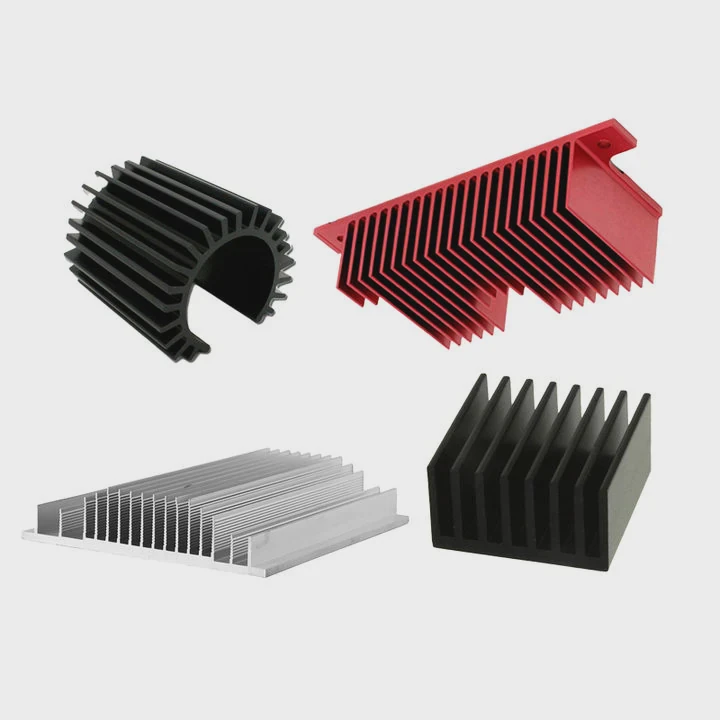
Ferrous metals dominate many industries because of their strength and cost efficiency. However, they come with trade-offs.
Common ferrous metals
Here are the main types:
| Metal Type | Key Feature | Typical Use |
|---|---|---|
| Carbon Steel | High strength | Construction, machinery |
| Cast Iron | Good casting ability | Engine blocks |
| Stainless Steel | Corrosion resistance | Medical, food equipment |
| Wrought Iron | Tough and ductile | Decorative structures |
Why iron matters
Iron gives these metals their core properties:
- High tensile strength
- Magnetic behavior
- Lower cost compared to non-ferrous metals
But iron also brings disadvantages:
- Prone to rust (except stainless steel)
- Heavier weight
- Lower thermal conductivity
Trade-offs in thermal systems
In heat sink design, ferrous metals are rarely the first choice. Steel is strong but performs poorly in heat transfer compared to aluminum or copper.
Hidden misconception
Some people think stainless steel is non-ferrous because it resists rust. That is incorrect. Stainless steel still contains iron. Chromium only improves corrosion resistance.
Engineering perspective
When strength is the top priority, ferrous metals win. When heat dissipation, weight, and corrosion resistance matter, non-ferrous metals like aluminum take the lead.
How does iron content define ferrous metals?
Many definitions sound simple but cause confusion in real use. The role of iron is more than just classification.
Iron content defines ferrous metals because iron is the primary element that determines their structure, magnetic properties, and mechanical strength.

The presence of iron changes how a metal behaves at both micro and macro levels.
The role of iron in metal structure
Iron atoms form crystal structures that give metals strength and rigidity. These structures include:
- Body-centered cubic (BCC)
- Face-centered cubic (FCC)
These structures affect hardness, ductility, and strength.
Magnetic properties
One key result of iron content is magnetism.
| Property | Ferrous Metals | Non-ferrous Metals |
|---|---|---|
| Magnetism | Usually yes | Usually no |
| Density | Higher | Lower |
| Corrosion Risk | Higher | Lower |
Iron allows electrons to align in a way that creates magnetic fields. That is why steel sticks to magnets, while aluminum does not.
Impact on corrosion
Iron reacts with oxygen and moisture to form rust. This process is called oxidation. Without protection, ferrous metals degrade over time.
Impact on thermal performance
Iron reduces thermal conductivity. That is a key limitation in cooling systems.
For example:
- Steel thermal conductivity: ~50 W/m·K
- Aluminum thermal conductivity: ~200+ W/m·K
This difference is huge in heat sink applications.
Practical engineering takeaway
Iron defines more than just a category. It defines performance limits. When designing high-power electronics, avoiding iron-based materials often improves efficiency.
What are properties of non ferrous metals?
Many engineers know the term but not the full value. Non-ferrous metals offer more than just “no rust.”
Non-ferrous metals are lightweight, corrosion-resistant, and highly conductive. These properties make them ideal for electrical, thermal, and aerospace applications.
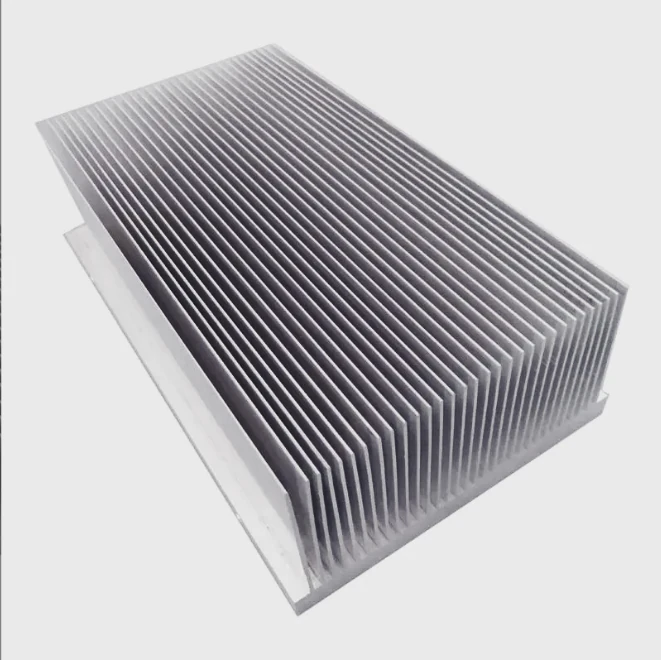
Non-ferrous metals include aluminum, copper, brass, titanium, and more. Each has unique strengths, but they share common advantages.
Key properties
Here is a clear summary:
| Property | Benefit |
|---|---|
| Low density | Lightweight structures |
| High conductivity | Better heat and electricity transfer |
| Corrosion resistance | Longer lifespan |
| Non-magnetic | Useful in electronics |
Why aluminum is dominant
Among non-ferrous metals, aluminum stands out in thermal applications.
Reasons:
- High heat dissipation
- Easy to extrude into complex shapes
- Lower cost than copper
- Good strength-to-weight ratio
Comparison with copper
Copper has better thermal conductivity than aluminum, but it is heavier and more expensive.
| Metal | Thermal Conductivity | Weight | Cost |
|---|---|---|---|
| Aluminum | High | Low | Low |
| Copper | Very high | High | High |
Application insight
In most industrial cooling systems, aluminum is the first choice. Copper is used only when extreme performance is needed.
A real project lesson
In one case, a client insisted on copper heat sinks for a battery system. The result was excessive weight and cost. After switching to aluminum with optimized fin design, the system achieved similar performance at 40% lower cost.
Critical thinking
Non-ferrous metals are not always better. They trade strength for performance in other areas. The key is matching the material to the application.
Conclusion
Aluminum is clearly non-ferrous because it contains no iron. This difference shapes its weight, corrosion resistance, and thermal performance. Understanding this helps make better material choices in engineering and real-world applications.