Is aluminum non ferrous?
- Yongxing
- 02 Apr ,2026
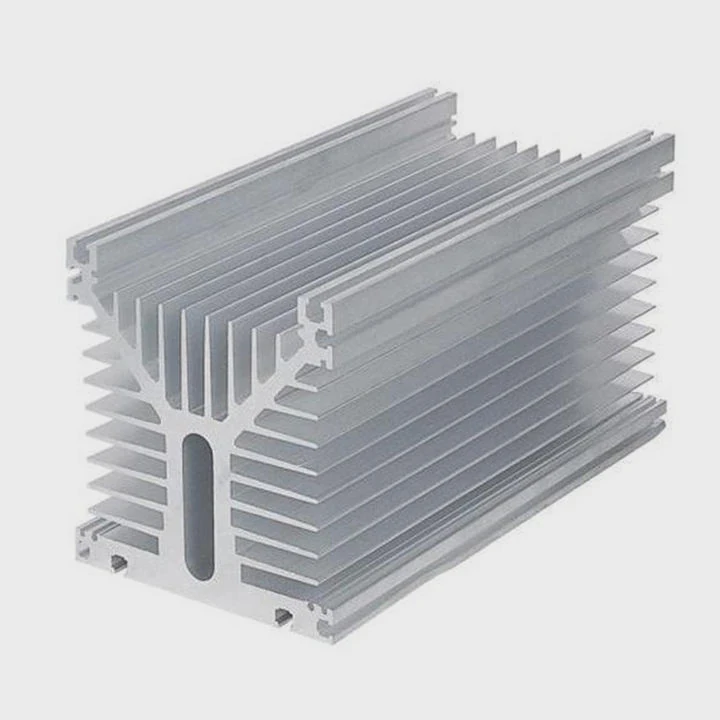
Many engineers still confuse metal types. This leads to wrong material choices, higher costs, and poor thermal results. That problem shows up often in real projects.
Yes, aluminum is a non ferrous metal. It contains no iron, which gives it strong corrosion resistance, light weight, and excellent thermal conductivity.
This simple classification affects how we design heat sinks, choose materials, and control long-term performance. Now, let’s break it down step by step.
What makes aluminum a non ferrous metal?
Metal selection can go wrong fast. Many teams assume strength matters most. But ignoring composition often leads to corrosion or weight issues.
Aluminum is non ferrous because it contains no iron, which prevents rust formation and gives it unique properties like light weight and corrosion resistance.
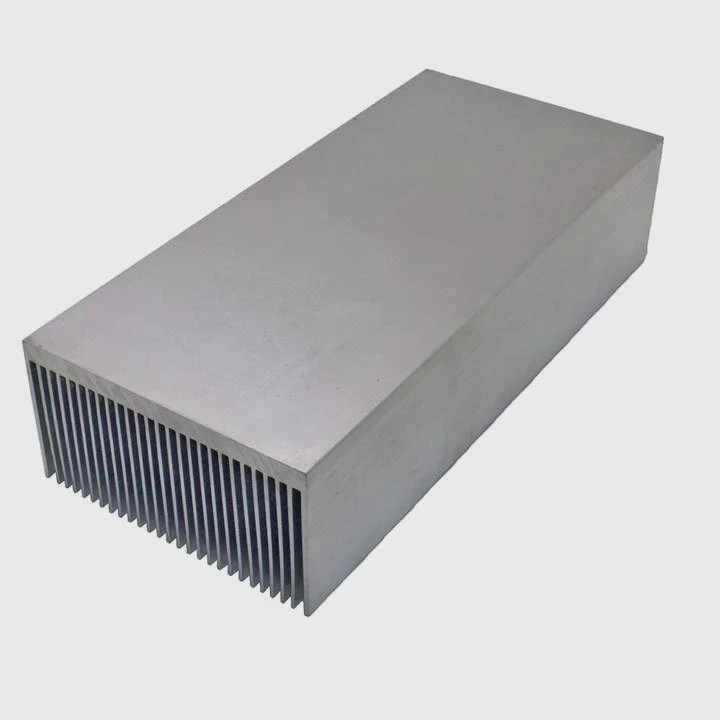
When I explain this to customers, I always start with the basics. A metal is called ferrous if it contains iron. Steel and cast iron are common examples. These materials are strong, but they rust easily.
Aluminum is different. It has zero iron content in its pure form. That single fact changes everything.
Key differences between ferrous and non ferrous metals
| Property | Ferrous Metals | Non Ferrous Metals (Aluminum) |
|---|---|---|
| Iron content | High | None |
| Corrosion | Rusts easily | Naturally resistant |
| Weight | Heavy | Lightweight |
| Conductivity | Lower | High |
| Magnetism | Usually magnetic | Non-magnetic |
Why this matters in real applications
In heat sink design, weight and corrosion are always key concerns. A heavy material increases system load. A rust-prone material reduces lifespan.
Aluminum solves both problems.
Oxide layer advantage
Aluminum forms a natural oxide layer when exposed to air. This layer protects the surface from further damage.
This is very different from iron. Iron oxide (rust) flakes off and exposes fresh metal. Aluminum oxide stays stable and protects the material.
Practical insight from projects
In one project, a customer switched from steel to aluminum heat sinks. The result was:
- 40% weight reduction
- Better thermal response
- Longer service life
That is why aluminum is often the first choice in thermal management.
Why are non ferrous metals corrosion resistant?
Corrosion can destroy a system quietly. It starts small, then spreads, and finally leads to failure. Many engineers underestimate this risk.
Non ferrous metals resist corrosion because they do not contain iron and often form stable protective layers that prevent further oxidation.
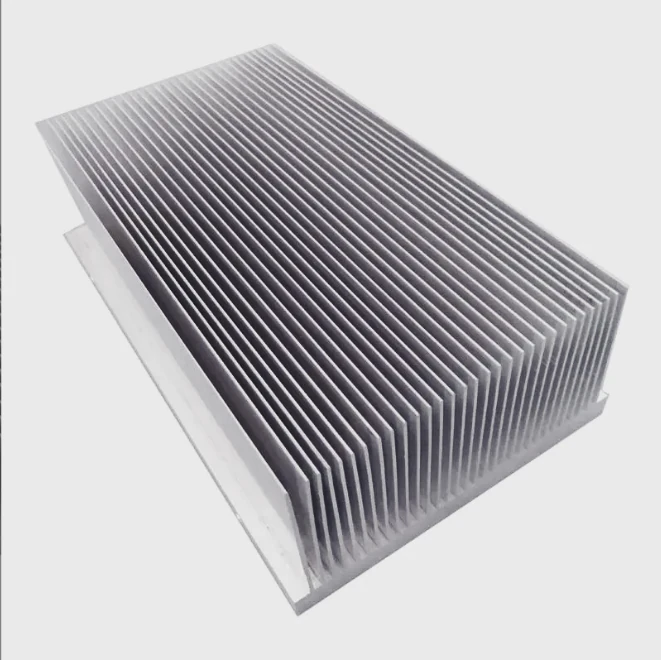
To understand this, we need to look at how corrosion works.
How corrosion happens
Corrosion is a chemical reaction between metal and environment. For iron, this means reacting with oxygen and water to form rust.
Rust is weak and unstable. It keeps growing and damages the structure.
Why aluminum behaves differently
Aluminum reacts with oxygen too. But the result is very different.
It forms a thin, dense aluminum oxide layer. This layer:
- Blocks oxygen and moisture
- Sticks tightly to the surface
- Stops further reaction
Comparison of corrosion behavior
| Metal Type | Reaction Result | Protection Level |
|---|---|---|
| Iron | Rust (flakes off) | Low |
| Aluminum | Oxide layer (stable) | High |
| Copper | Patina layer | Medium |
Environmental performance
Aluminum performs well in:
- Outdoor environments
- Marine conditions (with coating)
- Industrial settings
However, it is not perfect. In very harsh environments, additional treatments like anodizing are needed.
Surface treatments improve resistance
In many of our projects, we apply:
- Anodizing
- Powder coating
- Chemical conversion coating
These methods increase corrosion resistance even more.
Real-world example
A customer in coastal energy systems faced corrosion issues with steel parts. After switching to anodized aluminum:
- Maintenance costs dropped
- Product lifespan increased
- Reliability improved
That is why non ferrous metals, especially aluminum, are trusted in harsh environments.
How is aluminum used as non ferrous metal?
Many people know aluminum is light. But they do not fully understand how widely it is used in real products.
Aluminum is used as a non ferrous metal in heat sinks, structural parts, electronics, and cooling systems due to its light weight, conductivity, and corrosion resistance.
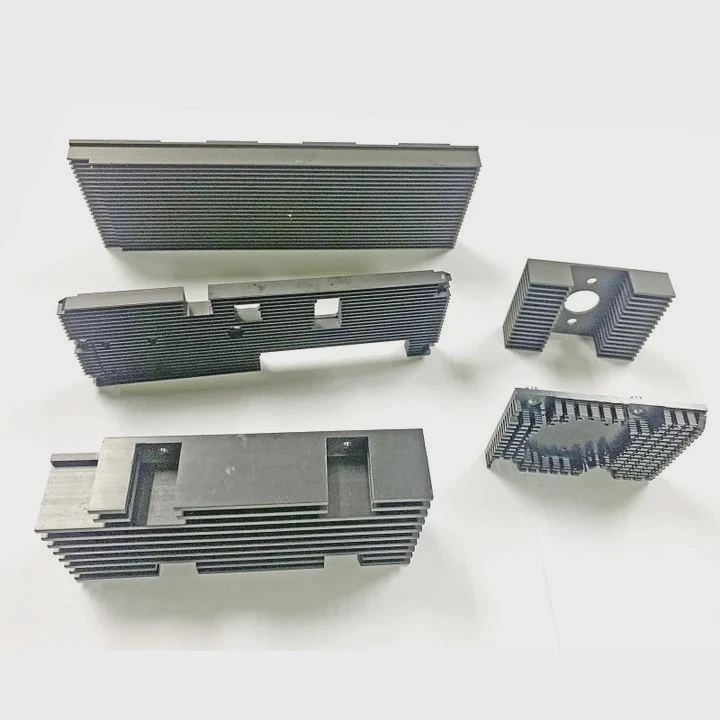
From my experience, aluminum is one of the most flexible materials in engineering.
Main application areas
1. Heat sinks and thermal systems
This is where aluminum truly stands out.
- High thermal conductivity
- Easy to machine and extrude
- Cost-effective for mass production
Most air-cooled heat sinks are made from aluminum.
2. Structural components
Aluminum is strong enough for many uses while staying light.
- Frames
- Enclosures
- Support structures
This helps reduce system weight.
3. Electronics and power systems
Aluminum is widely used in:
- Power modules
- LED lighting
- Communication equipment
Heat management is critical in these systems.
Manufacturing flexibility
Aluminum supports many processes:
- Extrusion
- CNC machining
- Die casting
- Forging
This allows custom designs for different applications.
Typical aluminum heat sink structure
| Feature | Benefit |
|---|---|
| Fins | Increase surface area |
| Base plate | Spreads heat evenly |
| Lightweight design | Reduces system load |
| Modular structure | Easy integration |
Customization advantage
In many projects, standard heat sinks do not work. That is where custom aluminum solutions come in.
We often design:
- Integrated cooling modules
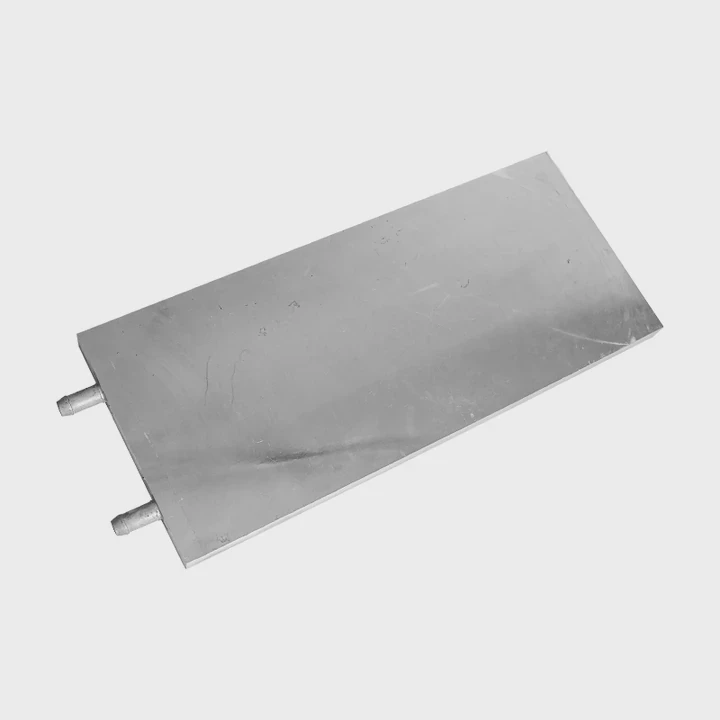
- Liquid cooling plates
- Vapor chamber + heat sink systems
Practical project insight
One client in renewable energy needed a compact cooling solution. Aluminum allowed:
- Complex fin design
- Reduced weight
- Faster heat dissipation
This improved system efficiency significantly.
What industries use non ferrous aluminum?
Some industries cannot afford failure. They need materials that are reliable, lightweight, and stable over time.
Non ferrous aluminum is widely used in industries such as aerospace, automotive, electronics, renewable energy, and rail transportation due to its performance and reliability.
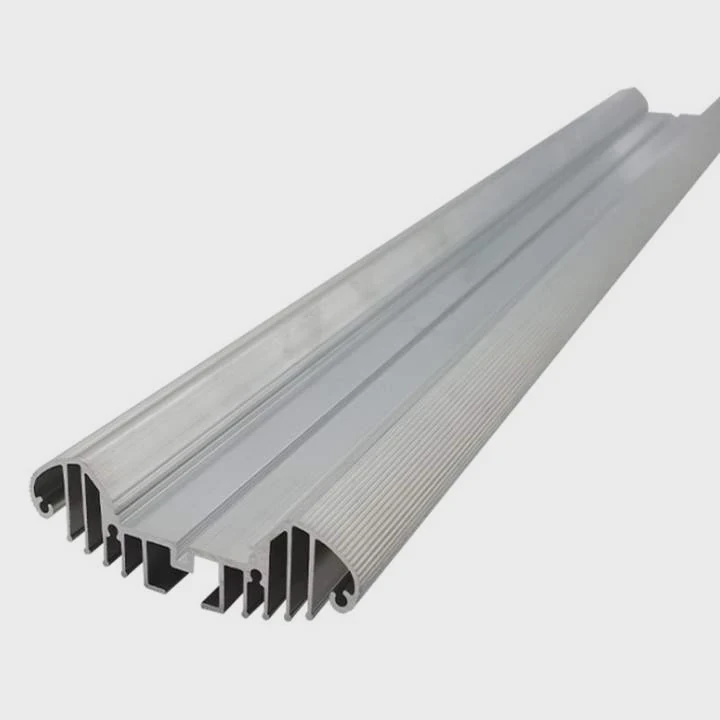
From what I have seen, aluminum is everywhere in modern industry.
Major industries using aluminum
1. Aerospace
Weight reduction is critical.
- Aircraft structures
- Heat exchangers
- Electronic cooling systems
Every kilogram saved improves efficiency.
2. Automotive and EV
Electric vehicles rely heavily on aluminum.
- Battery cooling systems
- Motor housings
- Lightweight frames
Thermal management is key here.
3. Electronics and 5G
High power density creates heat challenges.
- Base stations
- Servers
- Power supplies
Aluminum heat sinks are essential.
4. Renewable energy
Systems run continuously and face harsh conditions.
- Solar inverters
- Wind power systems
- Energy storage units
Durability and cooling are both critical.
5. Rail transportation
This is a sector I work with often.
- Traction systems
- Power modules
- Control electronics
Reliability and certification matter a lot here.
Industry requirements vs aluminum benefits
| Industry | Key Requirement | Aluminum Advantage |
|---|---|---|
| Aerospace | Lightweight | High strength-to-weight |
| Automotive | Efficiency | Thermal + weight balance |
| Electronics | Heat dissipation | High conductivity |
| Energy | Durability | Corrosion resistance |
| Rail | Reliability | Stable performance |
Why aluminum dominates
Many industries have alternatives like copper or steel. But aluminum offers the best balance:
- Cost
- Performance
- Manufacturability
Real-world observation
In recent years, demand for aluminum heat sinks has grown fast. Especially in:
- EV systems
- Energy storage
- AI servers
This trend will continue as power density increases.
Conclusion
Aluminum is a non ferrous metal because it contains no iron. This gives it corrosion resistance, light weight, and strong thermal performance. These features make it essential in modern industries and advanced cooling systems.
- Pre Is aluminum ferrous?
- Next: Can Aluminum Be Welded?