Is Aluminum a Metal?
- Yongxing
- 25 Mar ,2026
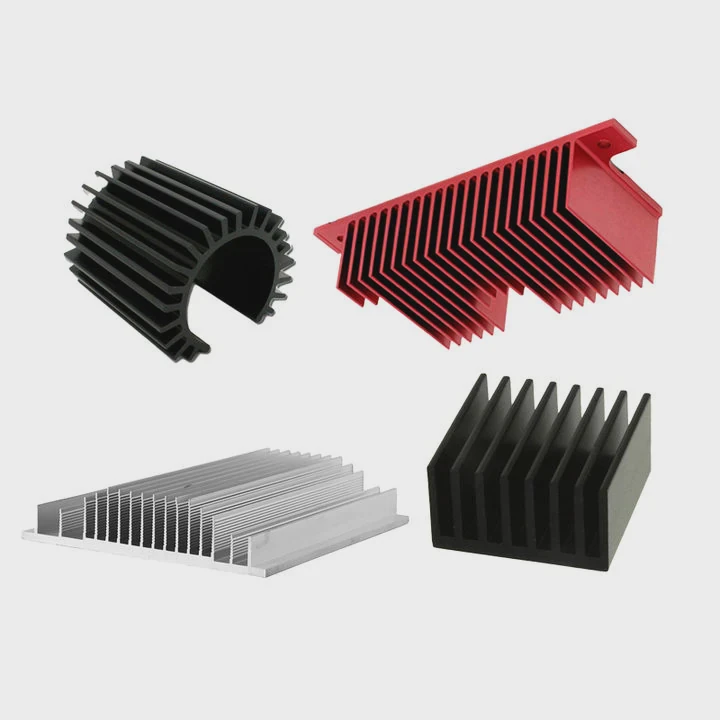
Aluminum is everywhere, but many buyers still feel unsure about what it really is and why it matters in real products.
Yes, aluminum is a metal. It is a lightweight, silvery-white metal element with good strength, strong corrosion resistance, and high thermal conductivity. These traits make it one of the most widely used engineering metals in modern manufacturing.
That simple answer helps, but it does not tell the full story. In real projects, people often need to know what kind of metal aluminum is, whether it is pure or mixed, where it sits in the periodic table, and which properties make it useful in heat sink design, electronics, transport, and industrial systems.
What Type of Metal Is Aluminum?
Aluminum belongs to the group of metals known as non-ferrous metals. That means it does not contain iron as the main base metal. This point matters because non-ferrous metals usually resist rust better than ferrous metals. In daily work, this is one reason aluminum is often chosen over steel for outdoor, electronic, and lightweight structural use.
Aluminum is a non-ferrous, lightweight, and highly workable metal. It is often grouped with base metals used in engineering because it offers a strong balance of low weight, corrosion resistance, thermal conductivity, and forming ability.
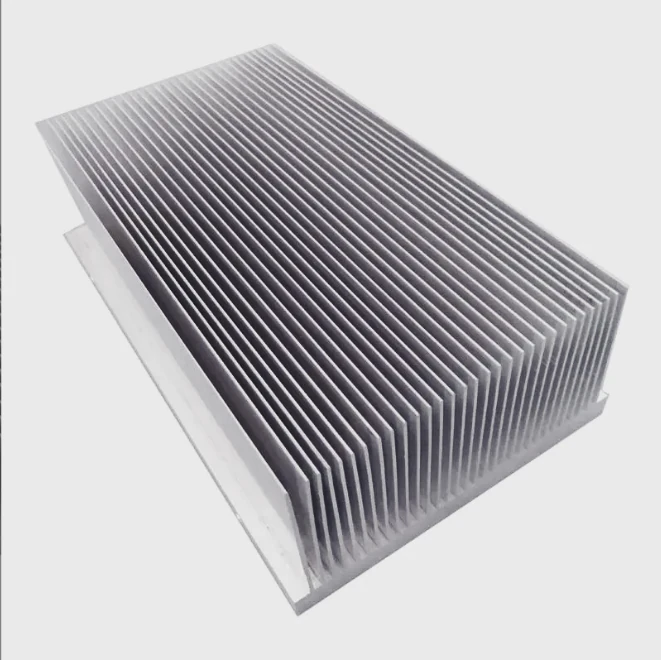
When people ask what type of metal aluminum is, the answer can change a little based on context. In chemistry, aluminum is a metallic element. In manufacturing, it is usually seen as a light engineering metal. In supply chains, it is often discussed as an industrial base metal. In heat management, it is known as a high-value thermal material because it can move heat well while keeping cost and weight under control.
Aluminum as a non-ferrous metal
Non-ferrous metals do not rust the same way plain carbon steel does. Aluminum forms a thin oxide layer on its surface. This layer helps protect the metal from deeper attack. That is why aluminum works well in many humid or outdoor conditions.
Aluminum as a light metal
Aluminum is famous for low density. It weighs much less than steel and copper. This gives designers more freedom. A product can stay strong without becoming too heavy. In many projects, lower weight means easier shipping, easier handling, and lower system load.
Aluminum as an engineering metal
Engineers like aluminum because it is easy to machine, extrude, stamp, cast, and join. It can be used in simple brackets, complex housings, large heat sinks, battery cooling parts, and transport frames. This wide process range makes it practical in mass production.
Quick view of how aluminum is classified
| Classification angle | Aluminum type |
|---|---|
| By chemistry | Metallic element |
| By metal family | Non-ferrous metal |
| By weight class | Light metal |
| By industrial use | Engineering and base metal |
| By thermal use | Heat transfer metal |
This is why aluminum keeps showing up in so many industries. A metal does not become useful only because it exists on the periodic table. It becomes useful when it solves real design problems. Aluminum does that very well. It helps lower weight. It supports decent strength. It handles heat. It also works across many manufacturing methods. In real sourcing decisions, that mix is hard to ignore.
Is Aluminum a Pure Element or Alloy?
Many buyers hear the word aluminum and think of one single material. In fact, aluminum can be both a pure element and part of an alloy system. The difference is very important in production and performance.
Aluminum is a pure chemical element by nature, but most industrial aluminum products are alloys. Manufacturers add elements such as silicon, magnesium, copper, or zinc to improve strength, machining, corrosion resistance, or other performance needs.

Pure aluminum means aluminum with very high aluminum content and very few added alloying elements. This form has excellent corrosion resistance and electrical conductivity. It is also soft. Because it is soft, pure aluminum is not always the best choice for parts that need higher strength or wear resistance.
That is why most industrial products use aluminum alloys. An alloy is a metal made by mixing a base metal with one or more other elements. In aluminum alloys, the base stays aluminum, but small additions change the final behavior.
Why alloys are used more often
A product rarely needs just one good feature. A heat sink may need thermal conductivity, shape control, and enough mechanical strength for assembly. A rail component may need corrosion resistance, weldability, and vibration stability. A housing may need low weight and clean machining. Alloying helps balance these needs.
Common alloying elements in aluminum
Some of the most common added elements are magnesium, silicon, copper, manganese, and zinc. Each one changes the metal in a different way.
| Alloying element | Main effect on aluminum |
|---|---|
| Silicon | Improves castability and fluidity |
| Magnesium | Improves strength and corrosion resistance |
| Copper | Increases strength, but may lower corrosion resistance |
| Manganese | Improves workability and strength |
| Zinc | Supports very high strength in some grades |
Pure aluminum vs aluminum alloy
Pure aluminum is often used where conductivity and corrosion resistance matter more than strength. Aluminum alloys are used where the metal must do more under real service conditions. That includes structural frames, automotive parts, heat sinks, cooling plates, and electronic enclosures.
A simple way to think about it is this: pure aluminum is the basic material in its cleaner form, while an aluminum alloy is a tuned version built for a job. In manufacturing, this tuning matters a lot. Two parts may both be called aluminum, but their real behavior can be quite different because the alloy grade is different.
This point often gets missed in sourcing. A buyer may ask for “aluminum” without naming a grade, temper, or process route. That can create problems later. Thermal performance, dimensional stability, hardness, and cost can all shift when the alloy changes. In many projects, the right question is not only “Is this aluminum?” but also “Which aluminum alloy is this, and why was it chosen?” That question leads to much better technical decisions.
Where Is Aluminum on the Periodic Table?
Some people know aluminum as a common industrial metal, but fewer people know where it sits on the periodic table and why that place matters. Its position helps explain some of its key chemical and physical traits.
Aluminum is located in period 3 and group 13 of the periodic table. Its atomic number is 13, which means each aluminum atom has 13 protons. This position helps explain why aluminum is a light, reactive metal with useful bonding behavior.
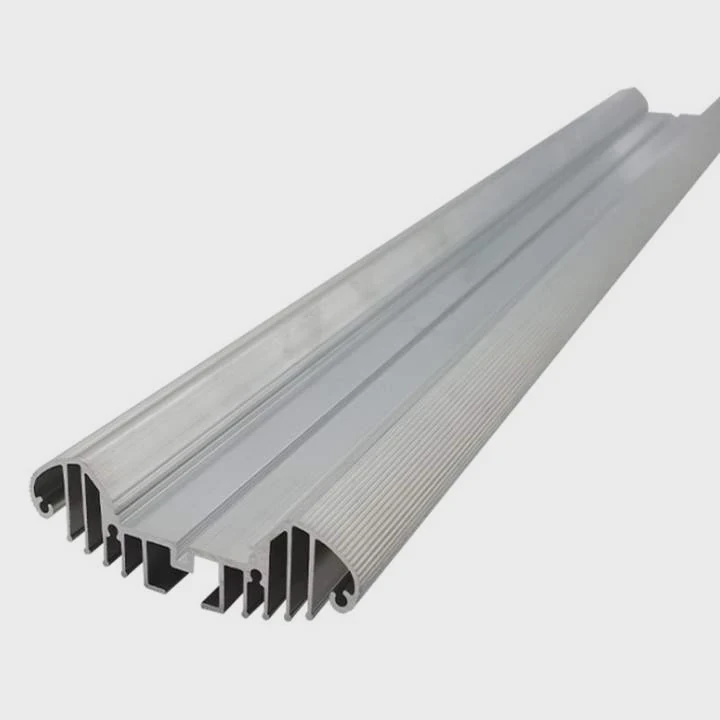
Aluminum has the symbol Al. It is found in the third row, also called period 3. It sits in group 13, which is the boron group. This group includes elements that tend to have three electrons in their outer shell. That outer electron structure shapes how aluminum reacts and bonds.
Basic periodic table facts about aluminum
- Symbol: Al
- Atomic number: 13
- Period: 3
- Group: 13
- Block: p-block
These basic facts are more than textbook details. They help explain why aluminum behaves the way it does.
Why the position matters
Because aluminum has three valence electrons, it tends to form a +3 oxidation state in many compounds. This is one reason aluminum forms aluminum oxide on its surface. That oxide layer is thin but stable. It protects the metal underneath from more damage in many environments.
Its place in period 3 also connects to atomic size and bonding behavior. Aluminum is lighter than many common engineering metals. At the same time, it still forms strong metallic bonds, which support useful mechanical performance when processed into the right alloy and temper.
Aluminum compared with nearby elements
Looking at nearby elements also helps. Magnesium is to the left. Silicon is to the right. This neighborhood shows that aluminum sits in a useful middle ground. It has true metallic behavior, but it also has chemical traits that make it reactive enough to form a protective oxide layer fast.
In practical terms, periodic table position helps explain four things many engineers care about:
1. Low density
Its atomic structure supports a relatively low mass compared with heavier metals.
2. Good reactivity control
Aluminum is reactive, but the oxide layer keeps that reactivity from becoming a major weakness in normal use.
3. Useful compound formation
Aluminum can bond with other elements in ways that support many industrial processes and materials.
4. Strong industrial range
Its chemistry allows use in alloys, coatings, thermal systems, electrical products, and structural parts.
So, the periodic table is not just school science. It gives a simple map for understanding why aluminum is light, useful, and easy to adapt. In many industrial fields, that mix of chemistry and function is exactly why aluminum stays important year after year.
What Are the Properties of Aluminum Metal?
Aluminum is popular because it gives a strong mix of physical, chemical, and manufacturing benefits. No metal is perfect for every job, but aluminum covers many needs at the same time.
Aluminum has low density, good corrosion resistance, strong thermal and electrical conductivity, and easy formability. It also offers a high strength-to-weight ratio, which makes it useful in heat sinks, transport systems, electronics, and many custom industrial parts.
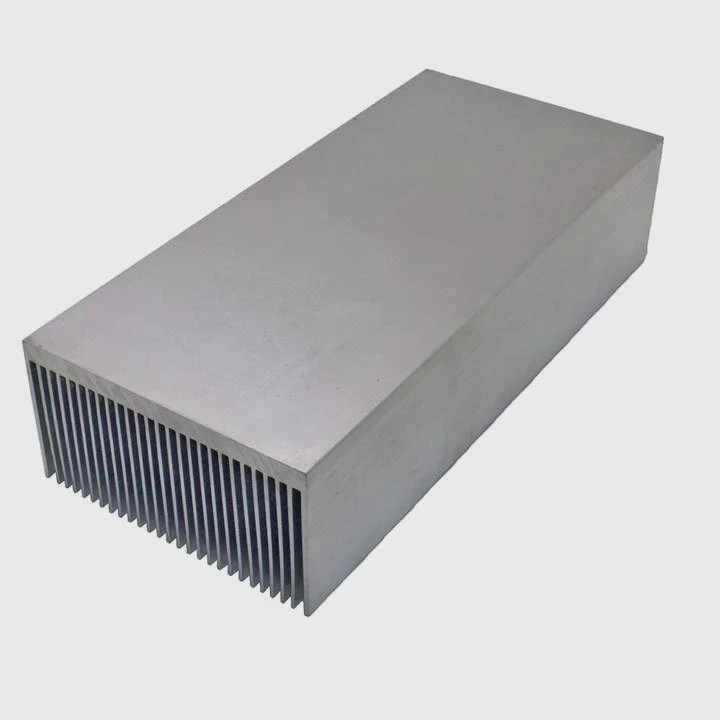
The first major property is light weight. Aluminum has much lower density than steel and copper. This helps reduce total product weight. In transport, that can improve energy efficiency. In electronics, that can simplify structure and installation. In large assemblies, it can lower handling stress during production.
The second major property is good corrosion resistance. Aluminum naturally forms a protective oxide film. This film helps the metal survive in many normal environments without heavy rusting. Surface treatments can improve this even more.
Thermal performance
Aluminum is also valued for thermal conductivity. It moves heat well, which is why it is used in heat sinks, cooling housings, LED systems, battery modules, and power electronics. It does not conduct heat as well as copper, but it offers a much better weight and cost balance in many designs.
Mechanical behavior
Aluminum is not as strong as some steels in raw form, but many alloys deliver solid mechanical performance. The metal can be strengthened through alloy design and temper control. This makes it suitable for both structural and thermal parts.
Manufacturing advantages
Another big property is good processability. Aluminum can be extruded into long profiles, machined into detailed parts, stamped into shapes, die-cast, forged, welded, and surface-finished in many ways. This makes it very flexible for custom production.
Core properties at a glance
| Property | Why it matters in real use |
|---|---|
| Low density | Reduces product weight |
| Corrosion resistance | Extends service life |
| Good thermal conductivity | Helps remove heat |
| Good electrical conductivity | Useful in power and electronics |
| Easy forming and machining | Supports custom production |
| Recyclability | Reduces material waste |
| Strength-to-weight ratio | Balances load and mass |
Limits that should also be understood
A balanced view matters. Aluminum does have limits. Some grades lose strength at high temperature. Some are softer than steel and can scratch more easily. Some high-strength alloys may trade away part of their corrosion resistance. In thermal design, alloy choice and interface quality still matter a lot. A poor design made from aluminum will not perform well just because the base metal is aluminum.
That is why real application work must look at the whole system. The right alloy, correct process, proper thickness, smart fin design, joining method, and surface treatment all shape the result. In heat sink development, for example, the best outcome usually comes from matching aluminum’s natural strengths with the real thermal path and service environment.
This is also why aluminum remains one of the most trusted industrial metals. It is not only light. It is not only conductive. It is not only easy to process. It brings these traits together in a practical way. That combination gives engineers, buyers, and manufacturers room to solve problems with fewer trade-offs than many other metals require.
Conclusion
Aluminum is a true metal, a pure element in chemistry, and a highly useful alloy base in industry. Its place on the periodic table helps explain its behavior, and its properties make it a smart choice for many thermal and structural applications.