Does aluminum rust?
- Yongxing
- 24 Mar ,2026
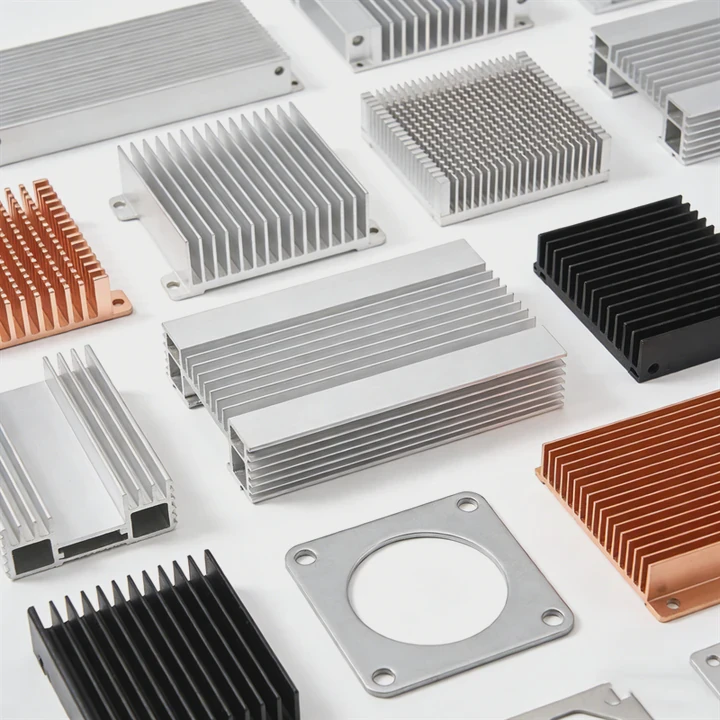
Metal corrosion worries many engineers. Rust can destroy structure and performance. But aluminum behaves differently, and that often creates confusion.
Aluminum does not rust because it contains no iron. Instead, it forms a thin oxide layer that protects it from further corrosion, making it highly resistant in most environments.
Understanding aluminum behavior is important. Many industries depend on it. But its corrosion process is often misunderstood. Let’s break it down clearly.
Why doesn’t aluminum rust like iron?
Many people expect all metals to rust. That assumption leads to wrong material choices. Aluminum works in a very different way from iron.
Aluminum doesn’t rust because rust is specific to iron oxidation. Aluminum reacts with oxygen differently, forming a protective oxide layer instead of flaky rust.
What is rust?
Rust is a specific type of corrosion. It happens when iron reacts with oxygen and water. This reaction forms iron oxide.
Iron oxide is weak and flaky. It does not stick well to the surface. It falls off and exposes fresh metal underneath.
This process keeps repeating.
How aluminum reacts differently
Aluminum reacts with oxygen almost instantly. But instead of forming loose rust, it creates aluminum oxide.
This oxide layer is:
- Thin
- Dense
- Strongly bonded
It sticks tightly to the surface and does not peel off.
Key difference between iron and aluminum
| Property | Iron | Aluminum |
|---|---|---|
| Corrosion type | Rust (iron oxide) | Oxide layer |
| Surface behavior | Flaky, unstable | Stable, protective |
| Progression | Continuous damage | Self-limiting |
Why this matters in real use
In industrial applications, rust can destroy structures. Bridges, machinery, and steel frames require coatings or protection.
Aluminum often does not need heavy protection. Its natural oxide layer already acts as a barrier.
Practical observation
In outdoor environments, aluminum surfaces may dull slightly. But they rarely degrade like steel.
This is why aluminum is widely used in:
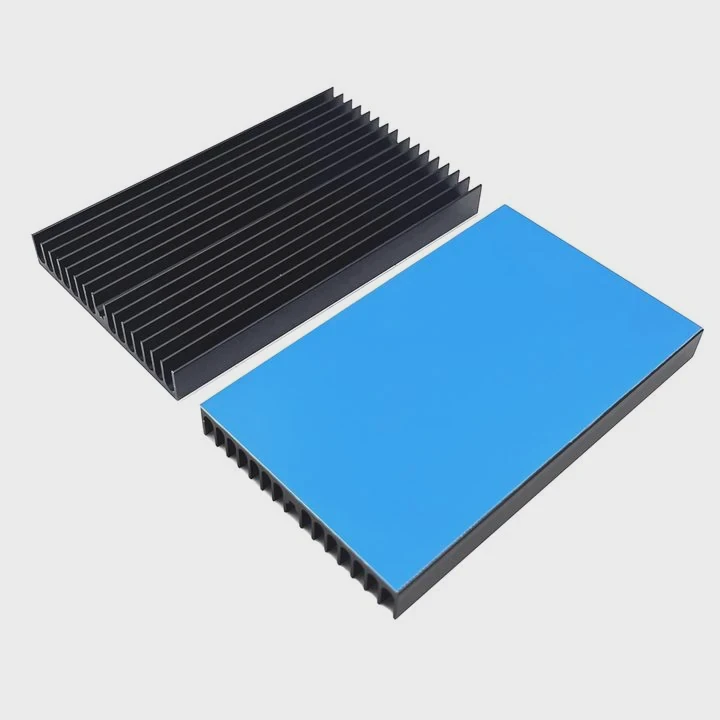
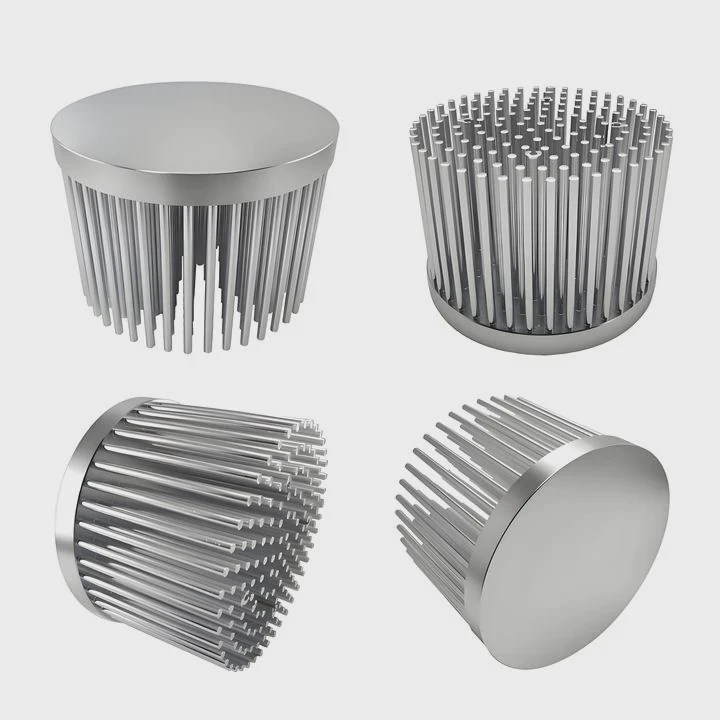
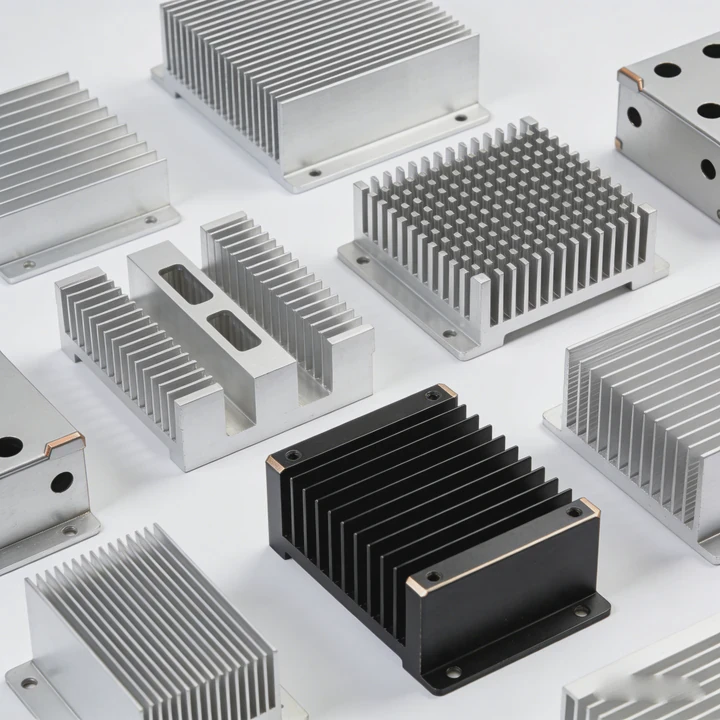
- Heat sinks
- Electronics enclosures
- Transportation systems
The absence of rust gives aluminum a strong advantage in reliability.
Can aluminum corrode over time?
Many people hear that aluminum does not rust. Then they assume it never corrodes. That is not fully correct.
Yes, aluminum can corrode over time, especially in harsh environments, but its corrosion is usually slow and controlled due to its protective oxide layer.
Types of aluminum corrosion
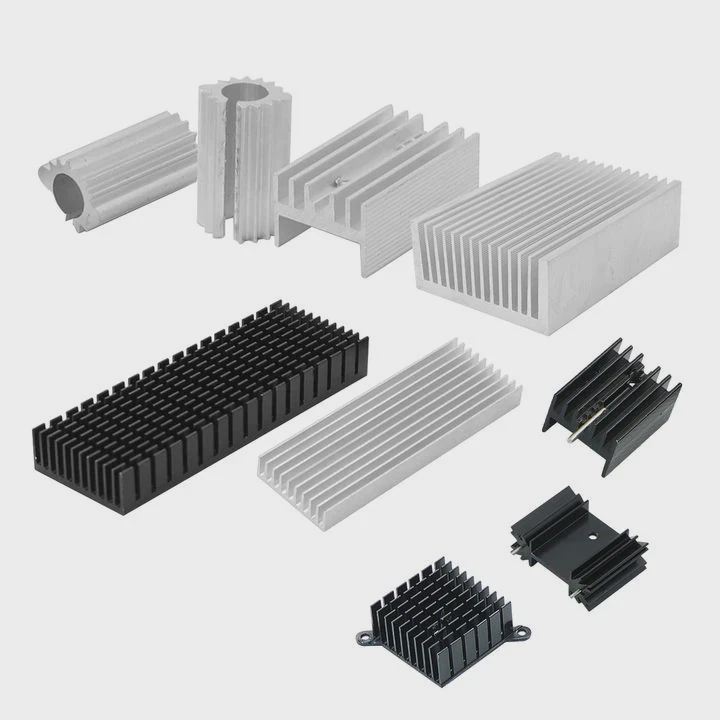
Aluminum does not rust, but it can still corrode in certain conditions.
Common types include:
Pitting corrosion
Small holes form on the surface. Often caused by chloride exposure, such as saltwater.Galvanic corrosion
Happens when aluminum contacts a different metal in the presence of an electrolyte.Crevice corrosion
Occurs in tight spaces where moisture gets trapped.
Environmental factors
Certain environments increase corrosion risk:
| Environment | Risk Level |
|---|---|
| Dry indoor | Very low |
| Outdoor air | Low |
| Marine (saltwater) | High |
| Industrial pollution | Medium to high |
Why corrosion still happens
The oxide layer protects aluminum. But if that layer is damaged or attacked chemically, corrosion can start.
Chloride ions are especially aggressive. They break down the oxide layer and create localized damage.
Real-world example
In coastal areas, aluminum structures may show pitting after long exposure. However, the damage is often localized and slow.
How to improve resistance
Several methods can improve performance:
- Anodizing
- Protective coatings
- Alloy selection
These methods strengthen the oxide layer or add extra protection.
Key takeaway
Aluminum is not immune to corrosion. But compared to steel, its corrosion behavior is much more controlled and predictable.
How does aluminum resist oxidation?
At first glance, oxidation sounds harmful. But for aluminum, it is actually the reason for its durability.
Aluminum resists further oxidation by forming a stable oxide layer that blocks oxygen and moisture from reaching the underlying metal.
Instant oxidation process
When aluminum is exposed to air, it reacts with oxygen immediately.
This reaction forms aluminum oxide (Al₂O₃).
The layer forms within milliseconds.
Why the oxide layer is effective
This layer has special properties:
- It is very thin (nanometers thick)
- It is dense and non-porous
- It strongly adheres to the metal
Because of this, it acts as a barrier.
Self-healing ability
One of the most important features is self-repair.
If the surface is scratched, the exposed aluminum reacts again with oxygen. A new oxide layer forms quickly.
This makes aluminum highly durable.
Comparison with other metals
| Feature | Aluminum | Steel |
|---|---|---|
| Oxide behavior | Protective | Destructive |
| Self-healing | Yes | No |
| Maintenance need | Low | High |
Role in heat sink applications
In thermal management, this property is very useful.
Heat sinks often operate in air environments. The oxide layer protects the surface without affecting heat dissipation significantly.
Engineering advantage
This natural protection reduces the need for coatings. It also lowers maintenance costs.
That is why aluminum is widely used in:
Electronics cooling
Automotive parts
Aerospace structures
Is aluminum corrosion harmful or protective?
Corrosion usually sounds negative. But in aluminum, it can actually be beneficial.
Aluminum corrosion is often protective because its oxide layer prevents further damage, though severe forms like pitting can still be harmful in certain environments.
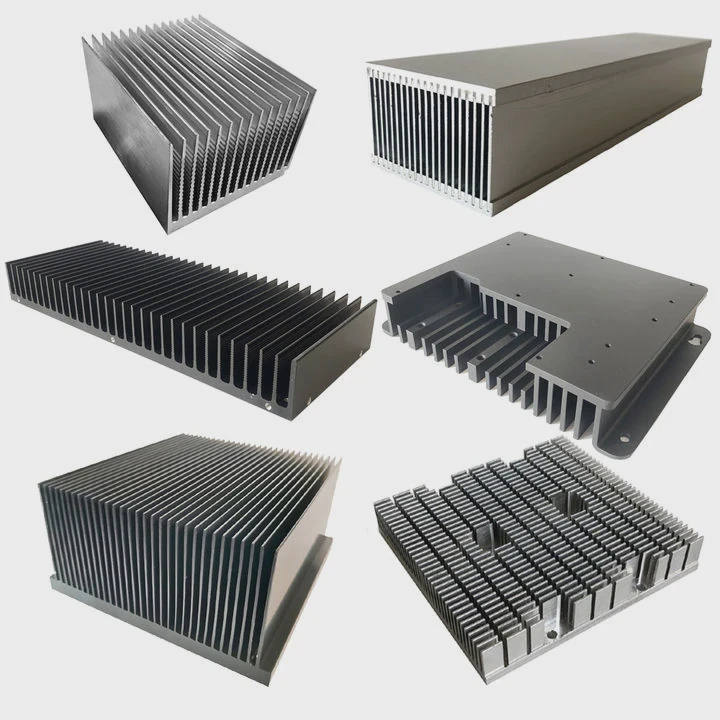
Protective nature of oxidation
The initial oxidation of aluminum creates a shield. This shield protects the metal underneath.
In most environments, this is enough.
When corrosion is beneficial
The oxide layer:
- Stops further reaction
- Improves durability
- Requires no maintenance
This is why aluminum is considered corrosion-resistant.
When corrosion becomes harmful
However, not all corrosion is harmless.
Some cases cause damage:
- Deep pitting
- Structural weakening
- Surface degradation in harsh chemicals
These situations require attention.
Balance between protection and risk
| Condition | Effect |
|---|---|
| Natural oxidation | Protective |
| Mild environment | Stable |
| Aggressive chemicals | Damaging |
| Salt exposure | Risk of pitting |
Industrial perspective
In most applications, aluminum corrosion is not a major concern.
But in critical systems, engineers still evaluate:
- Environment
- Load conditions
- Lifetime requirements
Practical insight
From experience, aluminum performs very well in most conditions. Only extreme environments require extra protection.
Final thought
Aluminum corrosion is unique. It starts as a reaction but turns into protection. That is what makes aluminum one of the most reliable materials in engineering.
Conclusion
Aluminum does not rust, but it can corrode in controlled ways. Its natural oxide layer protects it, making it durable, low-maintenance, and ideal for many demanding applications.