Is Titanium Lighter Than Aluminum?
- Yongxing
- 09 Mar ,2026
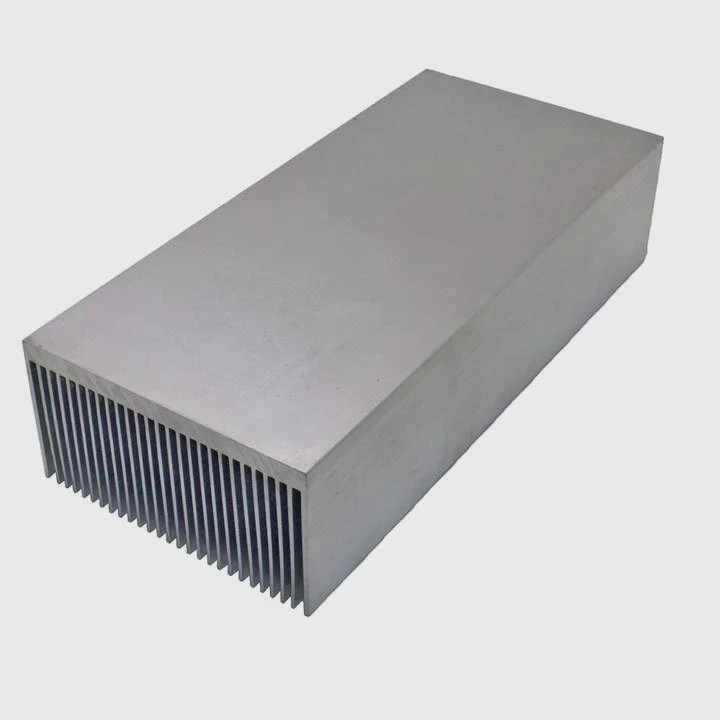
Many engineers and product designers compare titanium and aluminum when selecting metals. Both materials are widely used in aerospace, electronics, transportation, and high-performance equipment. However, confusion often appears when people ask which one is lighter.
Aluminum is significantly lighter than titanium. Aluminum has a density of about 2.7 g/cm³, while titanium has a density of around 4.5 g/cm³, making titanium roughly 66% heavier than aluminum.
Even though titanium is heavier, it remains extremely valuable in many industries. Understanding how these two metals differ helps engineers choose the right material for strength, weight, durability, and cost.
What is the density difference between titanium and aluminum?
Material density plays a major role when engineers select metals for lightweight structures. Density determines how much a material weighs for a given volume.
Aluminum has a density of approximately 2.7 g/cm³, while titanium has a density of about 4.5 g/cm³, which means titanium is much heavier for the same volume.
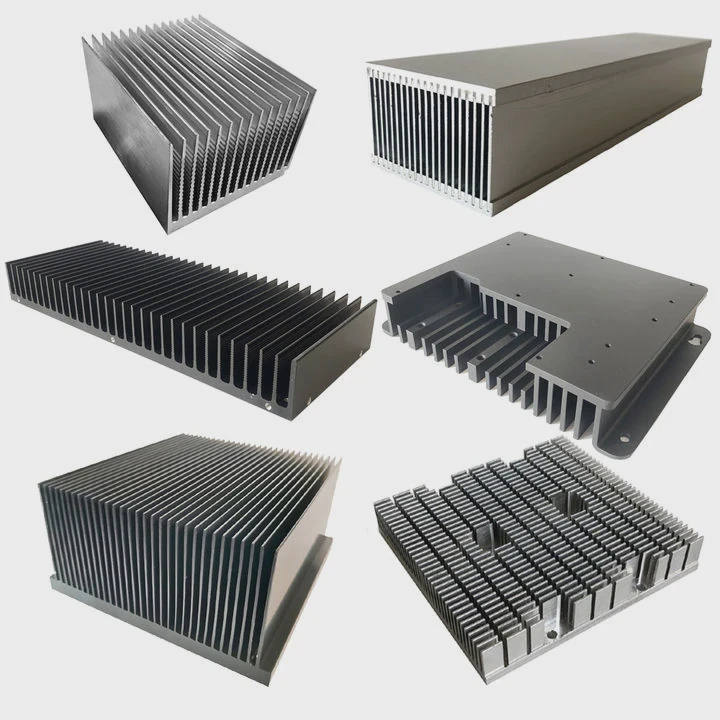
Density is simply the mass of a material divided by its volume. Lower density means lighter weight when the same amount of space is filled.
Density comparison of common structural metals
The following table shows how aluminum and titanium compare with other engineering metals.
| Metal | Density (g/cm³) | Relative Weight |
|---|---|---|
| Magnesium | 1.74 | Very light |
| Aluminum | 2.70 | Light |
| Titanium | 4.51 | Medium |
| Steel | 7.85 | Heavy |
| Copper | 8.96 | Very heavy |
This table clearly shows that aluminum belongs to the lightweight metal category. Titanium is heavier than aluminum but still lighter than most structural metals like steel.
Practical example of density difference
To better understand the weight difference, imagine two solid metal blocks with identical sizes.
- One block is aluminum
- The other block is titanium
If both blocks have the same volume, the titanium block would weigh about 1.67 times more than the aluminum block.
This difference becomes significant when designing aircraft structures, vehicle components, or electronic housings.
Why density matters in engineering
Density directly influences several design factors.
- Total system weight
- Fuel consumption in vehicles
- Structural load capacity
- Thermal management performance
Lower weight reduces energy consumption and improves efficiency in many industries.
Lightweight metals in modern engineering
Aluminum became extremely popular in the 20th century because of its excellent balance of properties.
Key characteristics include:
- Low density
- Good corrosion resistance
- High thermal conductivity
- Easy machining and forming
Titanium also offers impressive characteristics, but its density is higher than aluminum.
However, density alone does not determine material performance. Engineers also consider strength, durability, temperature resistance, and cost.
Why is aluminum often chosen for lightweight structures?
Aluminum has become one of the most widely used engineering metals in modern industry. Its popularity mainly comes from its lightweight nature and versatile properties.
Aluminum is often chosen for lightweight structures because it combines low density, good strength, corrosion resistance, and relatively low cost.
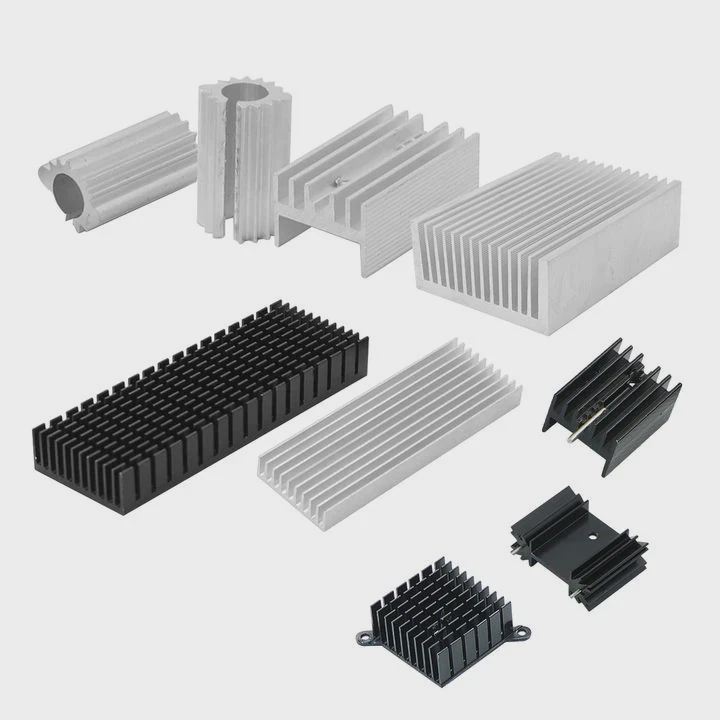
Many industries rely on aluminum when weight reduction is critical.
Key advantages of aluminum
Aluminum offers a balanced combination of properties that make it attractive for structural applications.
Important advantages include:
- Low density
- Good strength-to-weight ratio
- High corrosion resistance
- Excellent thermal conductivity
- Easy manufacturing processes
These properties make aluminum extremely flexible for many engineering applications.
Strength-to-weight ratio
Although aluminum is lighter than titanium, strength is also important.
Engineers often evaluate materials using strength-to-weight ratio, which measures how much load a material can support relative to its weight.
Aluminum alloys provide good performance in this category.
Manufacturing benefits
Another reason aluminum is widely used is manufacturing efficiency.
Aluminum can be easily processed using many production methods.
Common processes include:
- Extrusion
- CNC machining
- Die casting
- Sheet metal forming
- Welding
These manufacturing options allow aluminum components to be produced quickly and at relatively low cost.
Industries that rely heavily on aluminum
Aluminum plays a critical role in several industries.
| Industry | Typical Aluminum Applications |
|---|---|
| Automotive | Body panels, frames |
| Aerospace | Aircraft structures |
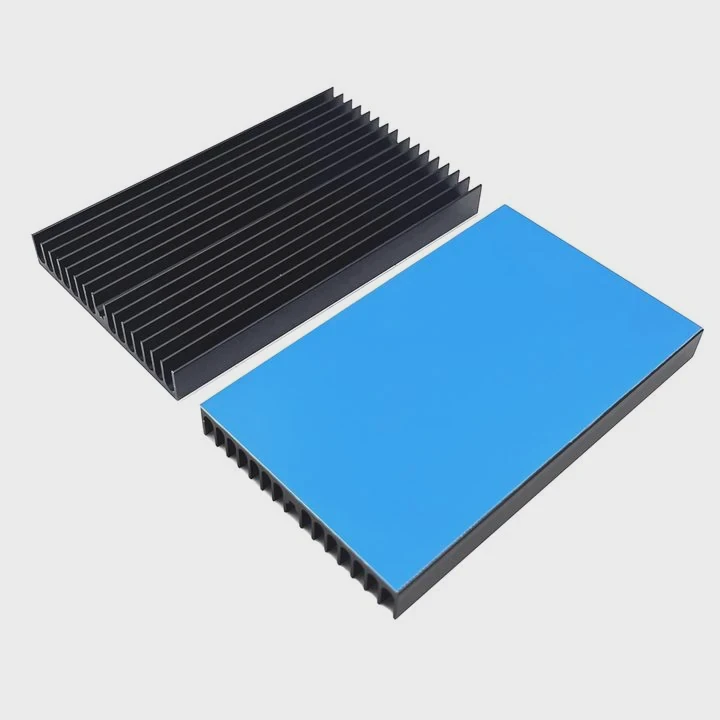
| Electronics | Heat sinks, enclosures |
| Construction | Window frames, structural panels |
| Renewable energy | Solar mounting systems |
In electronics, aluminum is especially valuable because it also transfers heat effectively.
Aluminum in thermal management
Aluminum is widely used for heat dissipation components. The metal conducts heat efficiently while remaining lightweight.
This makes aluminum ideal for products such as:
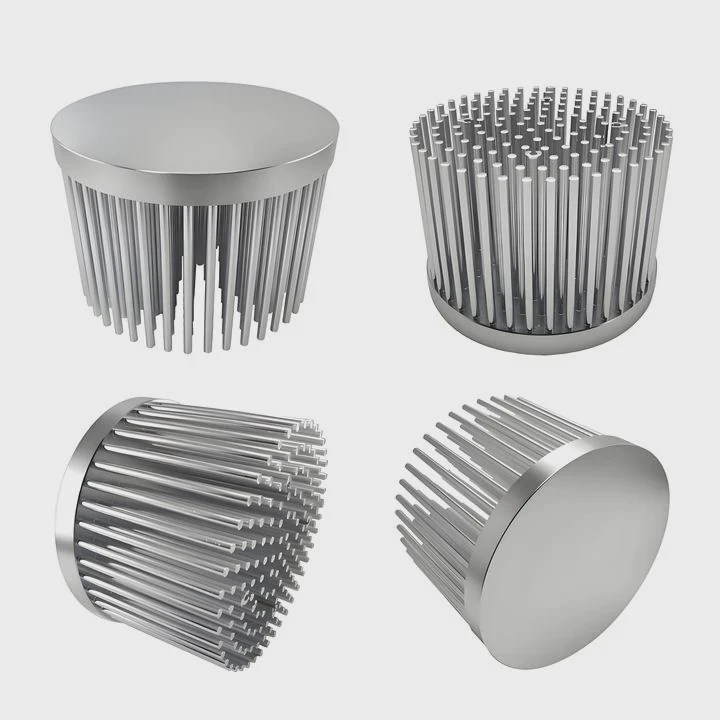
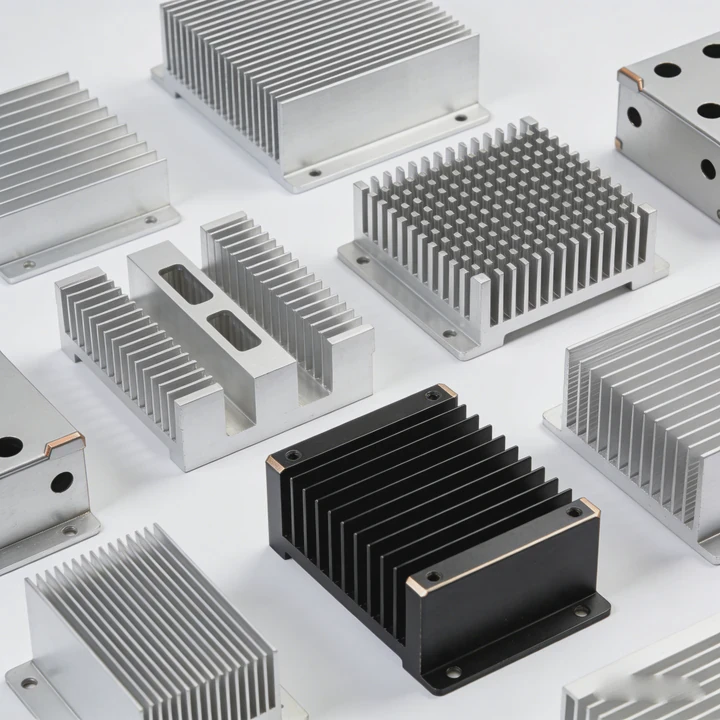
- Electronic heat sinks
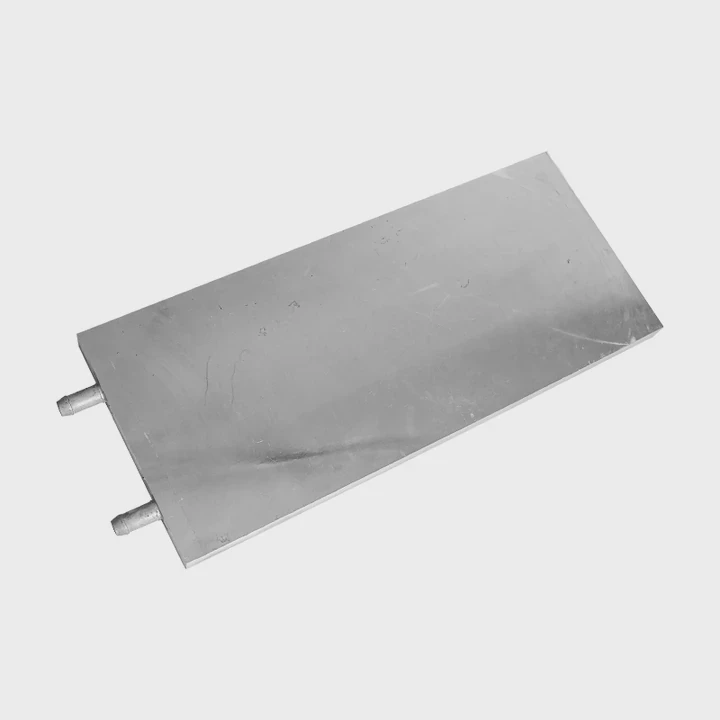
- Cooling plates
- LED cooling modules
- communication equipment cooling systems
These advantages explain why aluminum dominates many lightweight engineering designs.
Which applications prefer titanium over aluminum?
Even though titanium is heavier than aluminum, many industries still prefer titanium for demanding environments.
Titanium is preferred over aluminum in applications that require extremely high strength, corrosion resistance, and temperature stability.
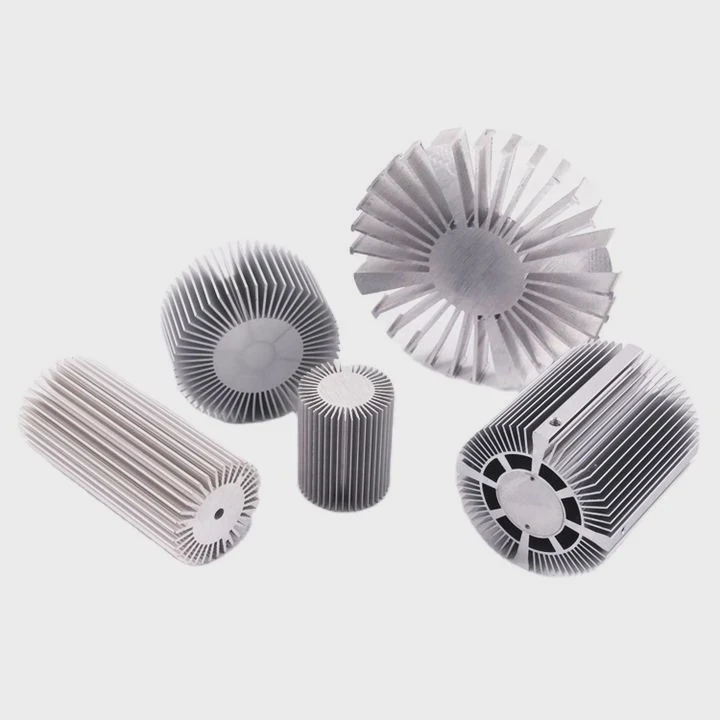
Titanium performs exceptionally well under extreme conditions where aluminum may fail.
Unique advantages of titanium
Titanium offers several characteristics that make it suitable for high-performance applications.
Key advantages include:
- Very high strength
- Excellent corrosion resistance
- High temperature resistance
- Outstanding fatigue resistance
- Biocompatibility for medical use
These properties allow titanium to perform well in environments where other metals struggle.
Aerospace applications
The aerospace industry uses titanium extensively.
Aircraft components must handle:
- High mechanical stress
- Temperature changes
- Long fatigue cycles
Titanium alloys are often used in:
- Aircraft engine components
- Structural connectors
- landing gear parts
- high-stress airframe sections
Although aluminum still dominates many aircraft structures, titanium handles the most demanding parts.
Medical and biomedical uses
Titanium also plays an important role in medical technology.
The metal is compatible with human tissue and does not cause strong biological reactions.
Common medical applications include:
- Bone implants
- Joint replacements
- dental implants
- surgical instruments
Aluminum cannot safely perform these roles.
Marine and chemical environments
Titanium also resists corrosion in harsh environments such as seawater or chemical exposure.
Because of this property, titanium is used in:
- marine equipment
- desalination systems
- chemical processing plants
In these environments aluminum may corrode faster.
Cost considerations
Despite its advantages, titanium is much more expensive than aluminum.
Reasons include:
- complex extraction processes
- difficult machining
- limited global production
Because of this cost difference, engineers usually select titanium only when its unique properties are required.
Does titanium offer higher strength than aluminum?
Strength is one of the most important factors when comparing engineering metals.
Titanium generally provides higher strength than aluminum, especially when high-performance titanium alloys are used.
However, strength comparisons depend heavily on the specific alloy being used.
Strength comparison between typical alloys
Different aluminum and titanium alloys have different mechanical properties.
| Material | Typical Tensile Strength |
|---|---|
| Aluminum alloy (6061-T6) | ~310 MPa |
| Aluminum alloy (7075-T6) | ~570 MPa |
| Titanium alloy (Ti-6Al-4V) | ~900 MPa |
These values show that titanium alloys can be significantly stronger than aluminum alloys.
Strength versus weight performance
Although titanium is heavier than aluminum, its strength is much higher. Because of this, titanium often provides an excellent strength-to-weight ratio.
In some designs, a thinner titanium component can replace a thicker aluminum part while maintaining strength.
Fatigue resistance
Fatigue resistance is another advantage of titanium.
Repeated stress cycles can cause metals to weaken over time. Titanium resists fatigue better than many aluminum alloys.
This property is critical for:
- aircraft structures
- high-performance vehicles
- aerospace components
Long-term reliability often depends on fatigue resistance.
Temperature resistance
Titanium also performs better at elevated temperatures.
Aluminum begins to lose strength at relatively moderate temperatures. Titanium retains strength even in hotter environments.
This property explains why titanium is used in:
- jet engines
- aerospace exhaust systems
- high-temperature industrial components
Engineering material selection
Choosing between aluminum and titanium requires balancing several factors.
Engineers evaluate:
- weight requirements
- structural strength
- corrosion resistance
- temperature environment
- cost limitations
Each project requires a different combination of these properties.
Conclusion
Aluminum is lighter than titanium because it has a much lower density. However, titanium offers higher strength, superior corrosion resistance, and better performance in extreme environments. Engineers choose between these metals based on weight, strength requirements, environmental conditions, and overall project cost.