What Is Aluminum Composite Material?
- Yongxing
- 09 Mar ,2026
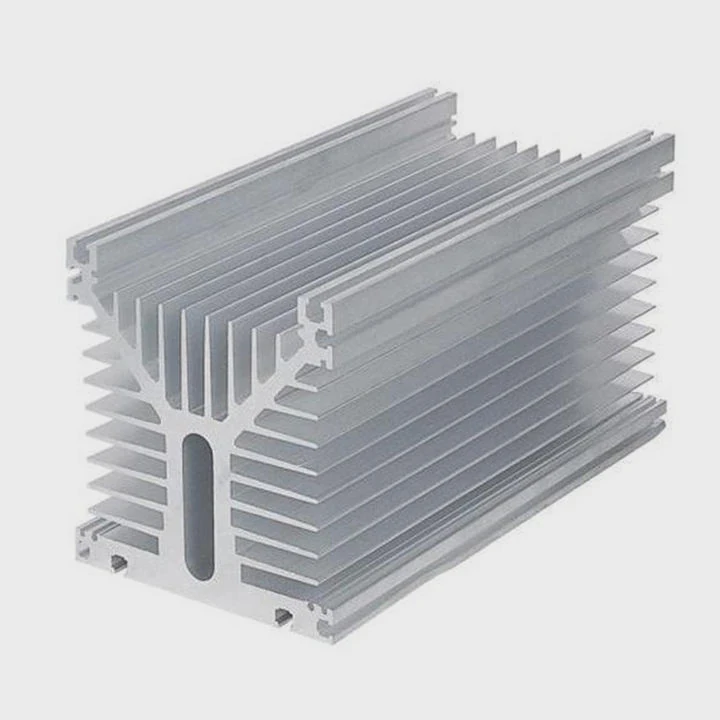
Many buildings today use sleek metal panels that look strong, modern, and lightweight. However, many people do not realize these panels are often made from a special layered structure rather than solid metal.
Aluminum composite material (ACM) is a panel made of two thin aluminum sheets bonded to a non-aluminum core, usually polyethylene or a mineral-filled material, creating a lightweight yet rigid structure widely used in construction and signage.
This combination of materials produces panels that are strong, lightweight, weather-resistant, and visually appealing. Because of these advantages, aluminum composite panels have become common in modern architecture and many industrial applications.
What layers make up aluminum composite material panels?
At first glance, aluminum composite material panels look like simple aluminum sheets. In reality, their strength and stability come from a layered structure.
Aluminum composite material panels typically consist of two thin aluminum layers bonded to a central core material, forming a sandwich structure that combines light weight with strong rigidity.
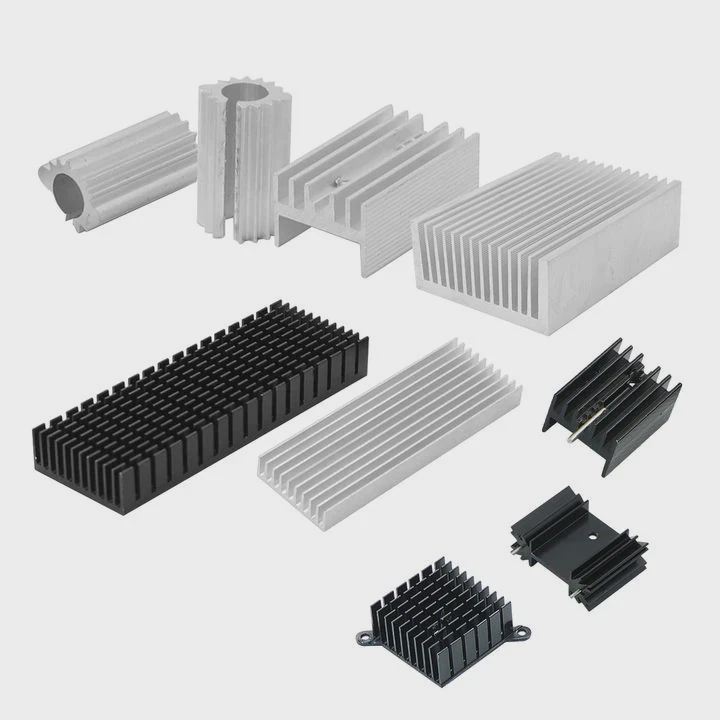
This layered design allows the panel to maintain structural strength while keeping overall weight low.
Basic structure of aluminum composite panels
A standard ACM panel contains three primary layers.
| Layer | Material | Function |
|---|---|---|
| Top layer | Aluminum sheet | Provides strength and exterior surface |
| Core layer | Polyethylene or mineral-filled core | Adds thickness and rigidity |
| Bottom layer | Aluminum sheet | Stabilizes the panel structure |
The aluminum layers are usually very thin, often between 0.2 mm and 0.5 mm thick. However, when combined with the core material, the panel becomes much stronger.
Surface coatings
Most ACM panels also include protective coatings on the outer aluminum surface.
These coatings improve durability and visual appearance.
Common coatings include:
- PVDF (polyvinylidene fluoride) coating
- Polyester coating
- Anodized aluminum surface
These finishes protect the aluminum from weather, UV exposure, and corrosion.
How the sandwich structure works
The layered design functions similarly to an engineering sandwich panel.
When force is applied to the panel:
- The outer aluminum layers handle tension and compression
- The core material maintains thickness and stability
This structure increases stiffness without significantly increasing weight.
Typical panel thickness
ACM panels are produced in several thickness options depending on the application.
| Panel Thickness | Typical Application |
|---|---|
| 3 mm | Interior decoration |
| 4 mm | Exterior wall cladding |
| 6 mm | Large architectural structures |
Even thicker panels remain lightweight compared to solid metal sheets.
Manufacturing process
ACM panels are produced using continuous lamination technology.
The process typically includes:
- Aluminum coil preparation
- Surface coating application
- Core material extrusion
- Heat bonding of layers
- Cutting into standard panel sizes
This manufacturing method ensures strong bonding between the aluminum sheets and the core material.
Why is aluminum composite material widely used in buildings?
Modern architecture often requires materials that are strong, lightweight, and visually flexible. Aluminum composite material meets all these needs.
Aluminum composite material is widely used in buildings because it offers excellent strength, lightweight construction, weather resistance, and flexible design possibilities.
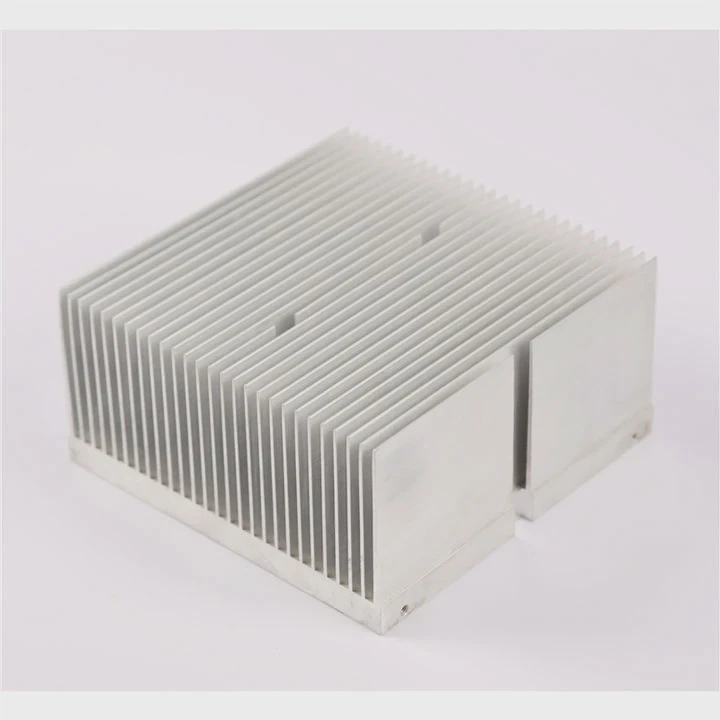
These advantages make ACM panels popular in both commercial and residential architecture.
Lightweight building materials
One of the biggest advantages of ACM panels is their low weight.
Compared with traditional building materials such as stone or solid metal sheets, ACM panels are much lighter.
This lightweight property offers several benefits:
- Easier transportation
- Faster installation
- Reduced structural load
- Lower construction costs
Builders can install large panels without heavy structural support.
Design flexibility
Architects often choose ACM panels because they allow creative design freedom.
Panels can be:
- Cut into different shapes
- Bent or curved
- Formed into large smooth surfaces
This flexibility allows buildings to achieve modern and unique designs.
Weather resistance
Buildings must withstand various environmental conditions.
ACM panels perform well against:
- Rain and moisture
- UV radiation
- temperature changes
- wind exposure
Protective coatings prevent fading and corrosion over time.
Energy efficiency benefits
Some ACM panel systems include insulation layers behind the panel.
These systems improve building energy performance by reducing heat transfer.
Benefits include:
- Lower heating costs
- Reduced cooling demand
- improved indoor temperature stability
Energy efficiency is increasingly important in modern building design.
Maintenance advantages
ACM panels require minimal maintenance compared to traditional materials.
Cleaning typically involves simple washing with water and mild detergent.
The smooth surface prevents heavy dirt accumulation and maintains appearance for many years.
Which industries commonly use aluminum composite panels?
Although aluminum composite material is best known for building facades, it is also used in many other industries.
Industries such as construction, advertising, transportation, and interior design widely use aluminum composite panels because of their durability, lightweight structure, and visual flexibility.
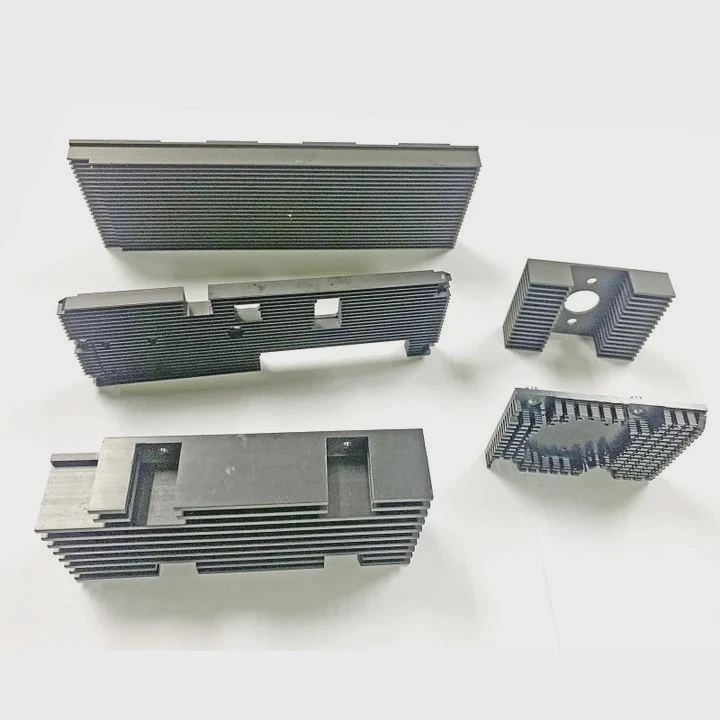
The versatility of ACM panels makes them suitable for many commercial and industrial applications.
Construction and architecture
Construction remains the largest user of aluminum composite panels.
Common applications include:
- building exterior cladding
- curtain wall systems
- architectural facades
- canopy structures
ACM panels help buildings achieve modern and clean visual designs.
Advertising and signage
The advertising industry also uses ACM panels extensively.
Their smooth surface makes them ideal for printed graphics and signage.
Typical uses include:
- billboards
- storefront signs
- display boards
- exhibition panels
The panels remain flat and stable even in outdoor environments.
Transportation industry
Transportation manufacturers also use aluminum composite panels.
Applications include:
- bus interior panels
- train interior walls
- aircraft cabin panels
- truck body panels
The lightweight nature of ACM helps reduce vehicle weight and improve fuel efficiency.
Interior decoration
Interior designers use ACM panels for modern interior finishes.
Examples include:
- wall decorations
- ceiling panels
- partition walls
- furniture surfaces
These panels provide a sleek metallic appearance while remaining easy to install.
Industrial equipment housing
Some industrial systems also use aluminum composite panels as protective enclosures.
The panels can form lightweight casings for:
- machines
- control panels
- equipment cabinets
Their durability and corrosion resistance make them suitable for industrial environments.
How does aluminum composite material improve durability?
Durability is a critical requirement for building materials and industrial panels. Aluminum composite material provides several features that enhance long-term performance.
Aluminum composite material improves durability through its corrosion-resistant aluminum layers, protective coatings, and stable core structure that resists deformation and environmental damage.
The combination of materials creates a balanced structure that performs well in harsh environments.
Corrosion resistance
Aluminum naturally forms a protective oxide layer when exposed to air. This layer prevents deeper corrosion.
Additionally, many ACM panels include advanced coatings such as PVDF.
These coatings provide extra protection against:
- moisture
- pollutants
- UV radiation
- chemical exposure
This protection helps panels maintain appearance and structural integrity for many years.
Structural stability
The sandwich structure improves panel rigidity.
The core layer prevents bending or warping under stress.
Because of this structure, ACM panels remain flat even when used on large building surfaces.
Impact resistance
ACM panels also resist minor impacts better than thin aluminum sheets.
The core material absorbs energy when force is applied.
This helps protect the outer aluminum layers from denting.
Temperature resistance
Outdoor building materials must tolerate temperature changes.
ACM panels handle expansion and contraction effectively due to their layered design.
This reduces the risk of cracking or structural deformation.
Long service life
With proper installation and maintenance, ACM panels can last decades.
Typical service life ranges from 20 to 30 years or longer, depending on environmental conditions and coating quality.
Regular cleaning and inspection help extend their lifespan even further.
Conclusion
Aluminum composite material is a layered panel made from two aluminum sheets bonded to a core material. This design creates a lightweight, strong, and durable panel widely used in buildings, signage, transportation, and interior design. Its strength, flexibility, and weather resistance make it a valuable modern construction material.