Does a Magnet Stick to Aluminum?
- Yongxing
- 10 Mar ,2026
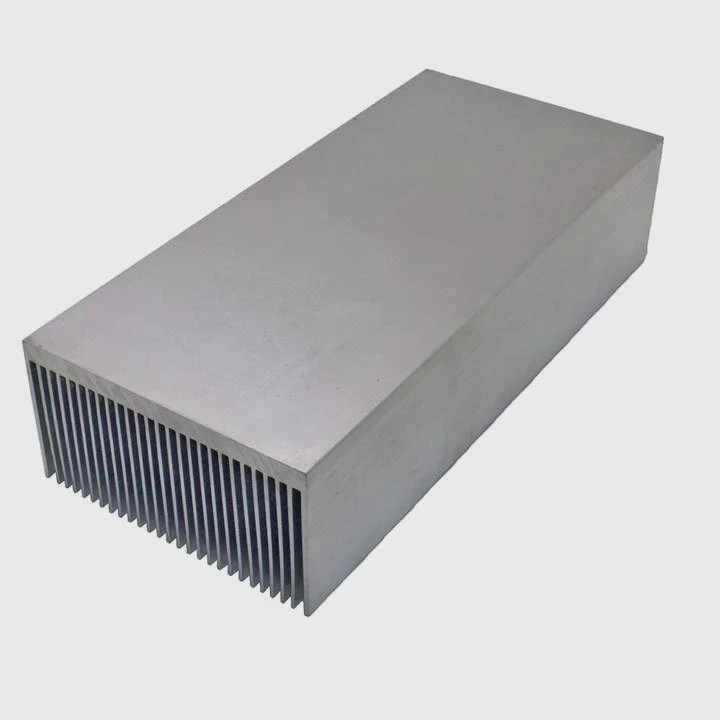
Magnets feel almost magical. They snap to steel instantly. But when people try the same test on aluminum, nothing happens. That often creates confusion.
A magnet does not stick to aluminum because aluminum is not ferromagnetic. Its atomic structure does not allow strong magnetic attraction, so normal magnets cannot pull or hold aluminum surfaces.
Many engineers, designers, and product developers still ask this question. The answer becomes more interesting when we look deeper at how metals interact with magnetic fields and electronic systems.
Why Are Magnets Unable to Attract Aluminum?
Magnets seem powerful. They grab iron tools and steel parts with ease. Yet aluminum stays completely still. Many people expect metal to always react to magnets.
Magnets cannot attract aluminum because aluminum is a paramagnetic metal. Its electrons do not align strongly with magnetic fields, so the attraction is extremely weak and not noticeable in daily use.
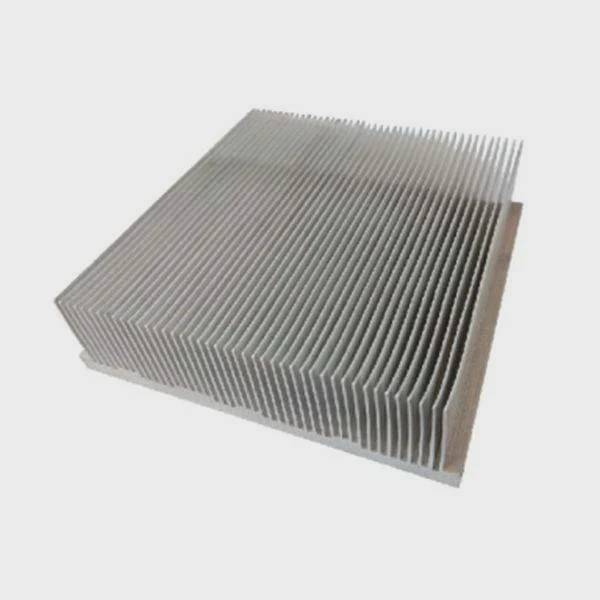
Aluminum belongs to a class of materials called paramagnetic materials. These materials interact with magnetic fields very weakly. The force is so small that humans usually cannot see or feel it.
To understand the reason, it helps to look at the atomic structure of metals.
Atomic Behavior and Magnetism
Magnetic attraction mainly comes from unpaired electrons. When many atoms align their magnetic moments in the same direction, the material becomes strongly magnetic.
This happens in ferromagnetic materials like iron.
Aluminum atoms behave differently.
- The electrons do not align easily.
- The magnetic moments cancel each other.
- The material does not create strong internal magnetization.
So when a magnet approaches aluminum, the metal only produces a very tiny magnetic response.
Paramagnetic vs Ferromagnetic
The difference becomes clearer when comparing metal types.
| Property | Ferromagnetic Metals | Paramagnetic Metals |
|---|---|---|
| Magnetic strength | Very strong | Extremely weak |
| Magnetic alignment | Electrons align together | Alignment is random |
| Attraction to magnets | Strong attraction | Barely noticeable |
| Common examples | Iron, cobalt, nickel | Aluminum, magnesium, titanium |
Ferromagnetic materials can even remain magnetized after the magnet is removed. Aluminum cannot do this.
Why Aluminum Is Still Widely Used
Even without magnetic attraction, aluminum remains one of the most valuable engineering metals.
Several properties explain this.
- Low density and light weight
- High thermal conductivity
- Strong corrosion resistance
- Easy machining and forming
These qualities make aluminum ideal for many systems, especially thermal management structures and heat sinks.
A Practical Observation
During many engineering discussions, people test aluminum using a refrigerator magnet. The result always looks the same. The magnet simply falls off.
That simple test shows an important rule:
Not every metal reacts to magnets. Only certain metals do.
Understanding this difference helps engineers choose the correct materials for electronics, mechanical systems, and heat transfer devices.
Which Metals Strongly Respond to Magnets?
Many people believe all metals are magnetic. That idea spreads because magnets easily stick to tools, screws, and machines. In reality, only a few metals react strongly.
Only three pure metals strongly respond to magnets: iron, cobalt, and nickel. These metals are ferromagnetic and their atomic structure allows strong magnetic alignment.
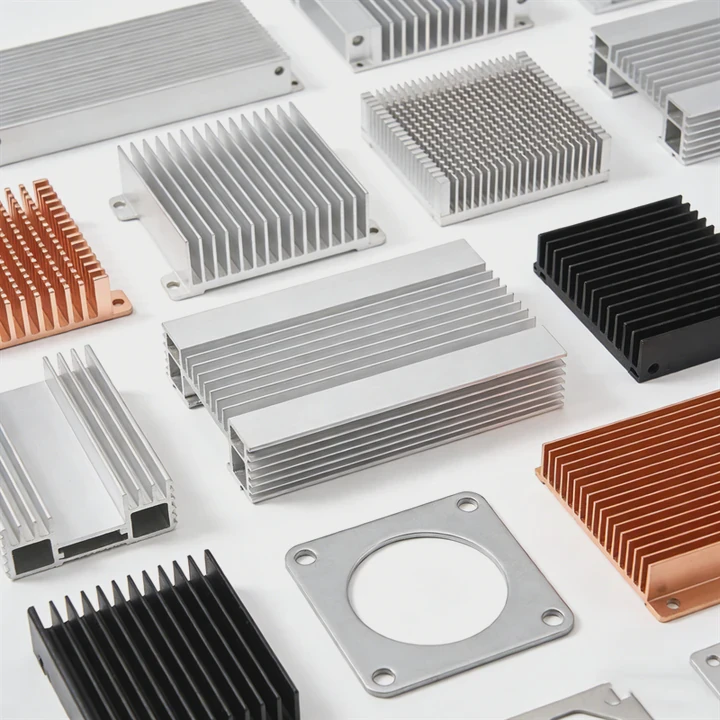
These three metals form the core of most magnetic materials used in industry.
The Three Naturally Magnetic Metals
| Metal | Magnetic Strength | Typical Uses |
|---|---|---|
| Iron | Very strong | Steel production, motors |
| Nickel | Strong | Alloys, plating, electronics |
| Cobalt | Strong | Permanent magnets, aerospace |
These metals contain atomic structures that support domain alignment.
A magnetic domain is a region where many atoms point in the same magnetic direction. When a magnet approaches, these domains quickly align. That creates strong attraction.
Why Steel Is Magnetic
Steel is mainly made from iron. Because of that, steel usually responds strongly to magnets.
But the situation can change depending on the alloy composition.
Some stainless steels are magnetic. Others are not.
This happens because the internal crystal structure changes.
For example:
| Steel Type | Magnetic Behavior | Reason |
|---|---|---|
| Ferritic stainless steel | Magnetic | Iron structure supports domains |
| Martensitic stainless steel | Magnetic | Similar structure to ferritic |
| Austenitic stainless steel | Mostly non-magnetic | Different crystal structure |
Industrial Importance of Magnetic Metals
Magnetic metals play key roles in many technologies.
Examples include:
- Electric motors
- Power generators
- Magnetic sensors
- Transformers
- Hard drives
These systems rely on materials that concentrate and guide magnetic fields.
Why Aluminum Is Not Used in Magnetic Cores
Devices like transformers require metals that amplify magnetic fields. Aluminum cannot perform this role.
Instead, engineers choose:
- Silicon steel
- Iron alloys
- Nickel-iron materials
These metals can create strong magnetic flux paths.
However, aluminum often appears in the thermal structure around these devices, because heat management becomes just as important as magnetic performance.
Can Aluminum Interact With Magnetic Fields Indirectly?
Even though aluminum is not magnetic, it still reacts to magnetic fields in certain conditions. That surprises many engineers and students.
Aluminum can interact with magnetic fields indirectly through electrical currents. When aluminum moves inside a magnetic field, it can generate eddy currents that create resistance and opposing magnetic forces.
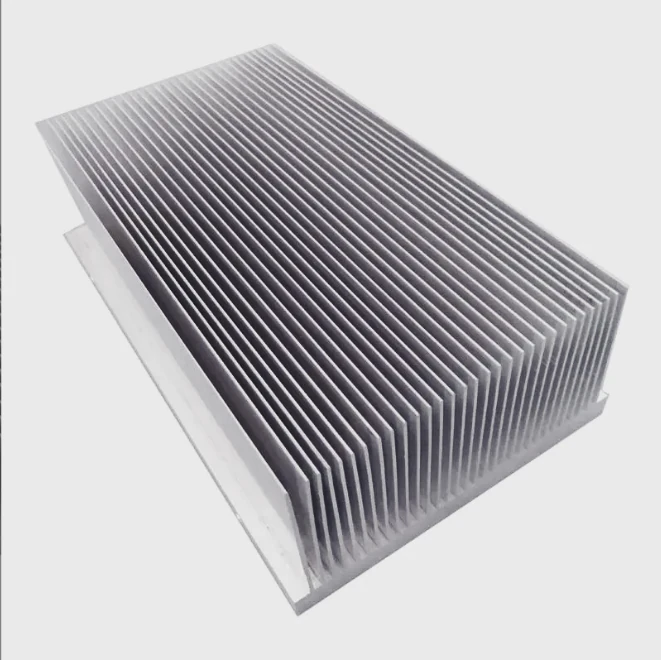
This effect is called eddy current interaction.
How Eddy Currents Work
When a conductive metal moves through a magnetic field, electricity flows inside the material.
The process follows three steps.
- Motion changes the magnetic field around the conductor.
- The changing field induces electric current inside the metal.
- The current generates its own magnetic field that opposes the motion.
This phenomenon follows Lenz’s Law.
A Simple Demonstration
A classic physics experiment shows this clearly.
If someone drops a strong magnet through an aluminum tube, the magnet falls slowly instead of dropping quickly.
The reason is not friction.
Instead, eddy currents in the aluminum create a magnetic field that resists the magnet’s motion.
Where This Effect Is Used
Engineers use this property in several technologies.
| Application | How Aluminum Is Used |
|---|---|
| Magnetic braking systems | Aluminum creates eddy current resistance |
| Metal detectors | Eddy current response reveals conductive metals |
| Induction heating | Aluminum interacts with alternating magnetic fields |
| Maglev research | Conductive metals generate stabilizing forces |
Aluminum and Electromagnetic Systems
Although aluminum cannot concentrate magnetic fields, it can interact with changing magnetic fields because it is highly conductive.
This makes aluminum valuable in systems like:
- induction heating plates
- electromagnetic shielding structures
- electric motor housings
In many thermal management applications, aluminum structures sit very close to electromagnetic components.
So engineers must consider both thermal and electromagnetic behavior during design.
Does Aluminum Affect Electronic Magnetic Devices?
At first glance, aluminum seems magnetically neutral. But in electronic systems, aluminum can still influence magnetic performance.
Aluminum can affect magnetic devices indirectly because it conducts electricity and heat. It can create eddy currents, electromagnetic shielding effects, and thermal pathways that influence device stability.

Modern electronic devices combine magnetics, power electronics, and thermal control. Aluminum often sits right in the middle of these systems.
Eddy Currents in Electronic Devices
In high-frequency systems, changing magnetic fields appear constantly.
When aluminum sits near coils or transformers, eddy currents may form inside the metal.
These currents can cause:
- extra heat generation
- energy loss
- reduced efficiency
Engineers often manage this by controlling the distance between magnetic cores and aluminum structures.
Aluminum as Electromagnetic Shielding
Aluminum works well as an EMI shielding material.
Electromagnetic interference can damage signal quality or create noise in electronics.
Aluminum enclosures help block unwanted signals.
This is why aluminum appears in:
- communication equipment
- industrial controllers
- medical electronics
- high-power converters
Aluminum and Thermal Stability
Electronic magnetic devices often produce large amounts of heat.
Examples include:
- power converters
- EV charging systems
- 5G communication equipment
- laser power supplies
Thermal control becomes critical.
Aluminum heat sinks help remove heat from coils, MOSFETs, and magnetic modules.
Thermal Management in Magnetic Systems
The following table shows how aluminum supports electronic magnetic devices.
| Device Component | Aluminum Role |
|---|---|
| Transformer housing | Structural support and cooling |
| Power module baseplate | Heat dissipation |
| Communication equipment chassis | EMI shielding |
| Motor controller enclosure | Thermal and mechanical stability |
Even though aluminum does not attract magnets, it becomes essential in power electronics and magnetic device cooling.
A Design Reality in Modern Electronics
In many advanced systems, engineers focus on three things at the same time:
- magnetic efficiency
- electrical conductivity
- heat removal
Aluminum performs extremely well in the last two areas.
That is why aluminum heat sinks, cold plates, and structural modules appear in industries such as:
- renewable energy systems
- rail transportation electronics
- semiconductor equipment
- aerospace power systems
The metal may not stick to magnets, but it plays a huge role in keeping magnetic devices running safely.
Conclusion
Magnets do not stick to aluminum because aluminum is paramagnetic and lacks strong magnetic domains. However, aluminum still interacts with magnetic fields through eddy currents and plays an important role in cooling and shielding modern electronic magnetic systems.