What Is a Heat Sink?
- Yongxing
- 10 Mar ,2026
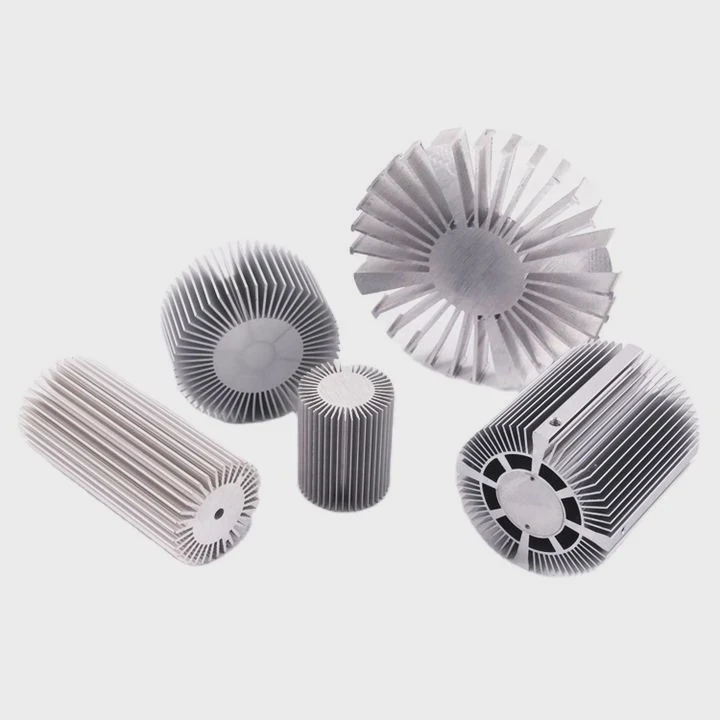
Electronic devices keep getting smaller and more powerful. This creates a hidden problem: heat. Too much heat can damage circuits, reduce performance, and shorten product life.
A heat sink is a thermal management component that absorbs heat from electronic devices and transfers it into the surrounding air or cooling medium. It protects components by lowering operating temperature and improving reliability.
Heat is the silent enemy of modern electronics. From power modules to communication systems, engineers must control temperature carefully. Understanding how heat sinks work helps designers choose the right cooling solution for high-power equipment.
How does a heat sink dissipate heat?
Electronic components generate heat during operation. If the heat stays inside the device, temperature rises quickly and performance drops.
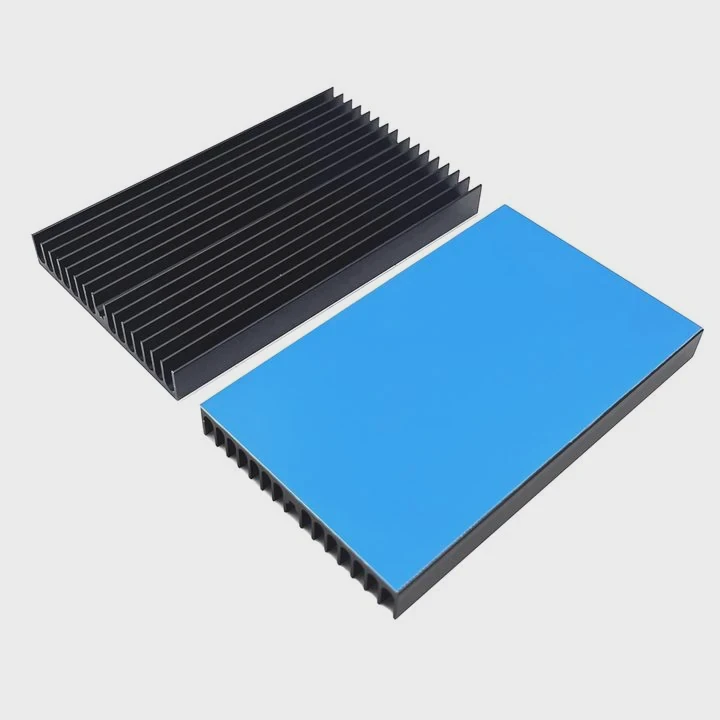
A heat sink dissipates heat by conducting thermal energy away from the heat source and spreading it across fins where air flow removes the heat through convection.
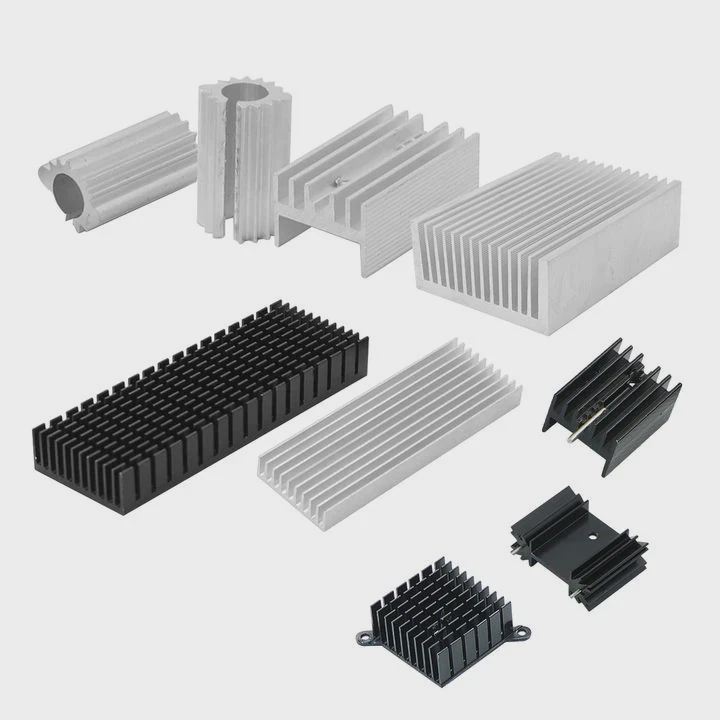
Heat transfer inside a heat sink follows several simple physical processes. These processes work together to move heat from the chip into the surrounding air.
The Three Main Heat Transfer Steps
A typical heat sink removes heat in three stages.
| Heat Transfer Stage | Description | Key Function |
|---|---|---|
| Conduction | Heat moves from chip to heat sink base | Transfers heat quickly |
| Spreading | Heat distributes across fins | Increases cooling area |
| Convection | Air removes heat from fins | Releases heat to environment |
The first step is thermal conduction. Heat moves from the electronic component into the base of the heat sink. Thermal interface materials are often placed between them. This reduces thermal resistance.
The second step is heat spreading. The heat travels through the metal base and into the fins. The fins create a much larger surface area. A larger area allows more heat to leave the metal.
The third step is convection. Air moves across the fins and carries heat away. The airflow can come from natural air movement or from fans.
Natural vs Forced Convection
Two types of cooling often appear in heat sink design.
| Cooling Type | Air Movement | Typical Applications |
|---|---|---|
| Natural Convection | Air rises naturally due to temperature difference | LED lights, passive devices |
| Forced Convection | Fans push air through fins | Servers, power electronics |
Natural convection works for low-power devices. The heat sink simply relies on warm air rising upward.
Forced convection uses fans or blowers. This greatly increases heat transfer and allows much higher power density.
Heat Sink Geometry Matters
The shape of the heat sink affects cooling performance.
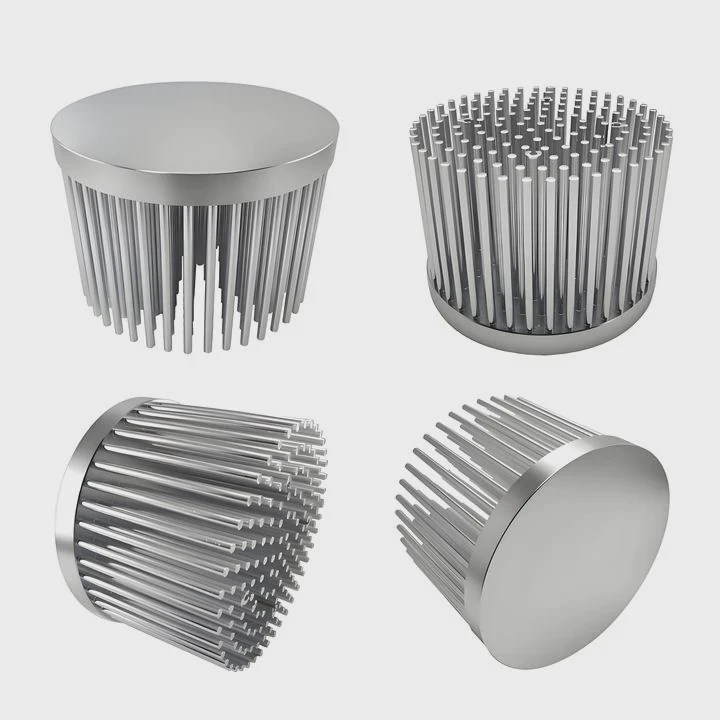
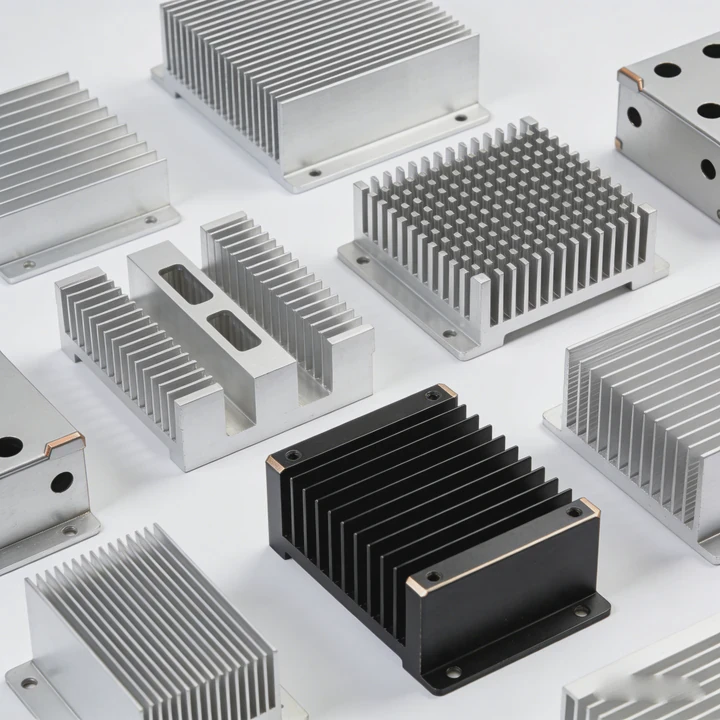
Engineers often design fins with specific spacing, height, and thickness. Too many fins may block airflow. Too few fins reduce surface area.
The goal is simple: maximize surface area while maintaining smooth airflow.
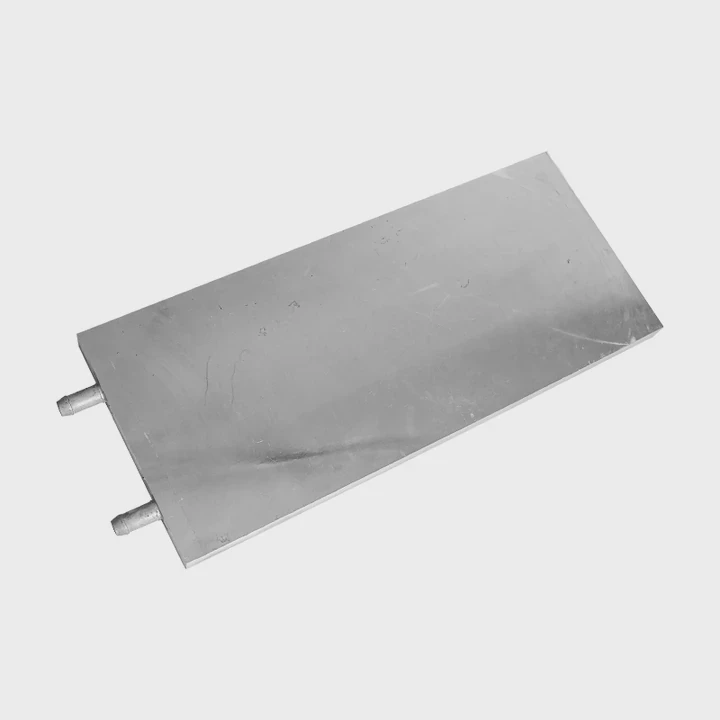
In high-power systems, additional technologies can improve performance. Examples include vapor chambers, heat pipes, and liquid cooling plates.
Many modern heat sinks also use simulation tools during design. Thermal engineers simulate airflow, temperature distribution, and heat resistance before production begins.
Good heat sink design is not just about metal. It is about heat paths, airflow, and system layout working together.
Why are heat sinks important in electronics?
Heat is one of the biggest threats to electronic systems. Without proper cooling, even the most advanced components can fail quickly.
Heat sinks are important because they control temperature, protect electronic components, maintain stable performance, and extend device lifespan.
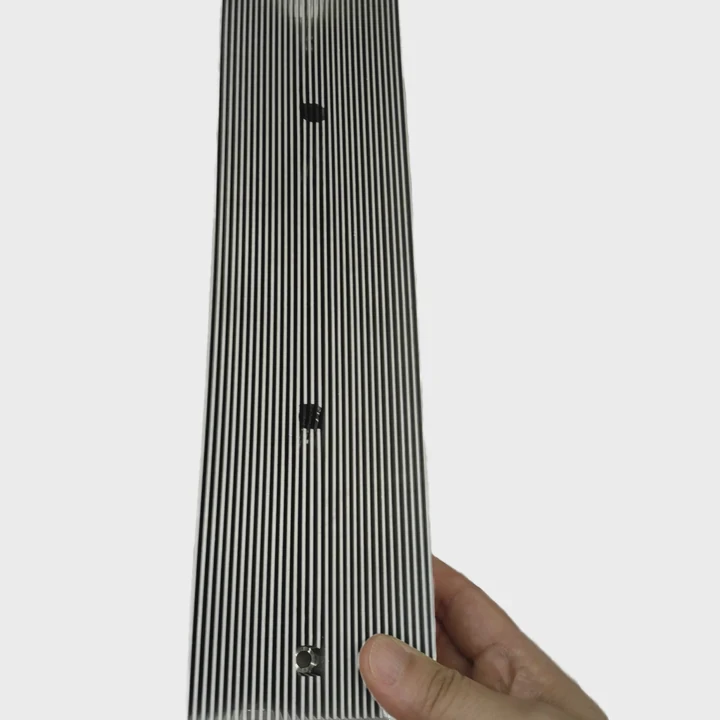
Every electronic device converts some electrical energy into heat. This heat must go somewhere.
If heat cannot escape, several problems appear.
Performance Degradation
High temperature reduces electronic efficiency.
Semiconductors operate best within specific temperature ranges. When temperature rises, electrical resistance increases and switching performance decreases.
This leads to:
- Lower efficiency
- Reduced processing speed
- Higher power loss
In many devices, overheating triggers automatic throttling to protect hardware.
Reliability and Lifespan
Heat directly affects component lifetime.
A widely used rule in electronics states that every 10°C increase in temperature can reduce component life by about 50%.
This effect appears in many parts:
- Power modules
- Capacitors
- IC chips
- Batteries
Without a heat sink, long-term reliability becomes unpredictable.
Safety and System Stability
In high-power equipment, overheating may cause serious failures.
Examples include:
- Power supply shutdown
- Semiconductor damage
- Solder joint fatigue
- Circuit board warping
These failures may lead to system downtime or expensive repairs.
Heat sinks reduce these risks by maintaining stable thermal conditions.
Thermal Design Is Part of Product Development
Cooling is not an afterthought. Thermal management must be planned during product design.
Engineers usually evaluate several factors:
| Thermal Design Factor | Why It Matters |
|---|---|
| Power dissipation | Determines cooling requirement |
| Ambient temperature | Affects cooling capacity |
| Airflow conditions | Influences convection efficiency |
| Space limitations | Impacts heat sink size |
Modern electronics continue to push power density higher. Processors, power converters, and communication modules produce more heat than before.
Because of this, heat sinks remain one of the most important components inside electronic systems.
Where are heat sinks commonly used?
Heat sinks appear in many industries. Any device that produces significant heat needs a cooling solution.
Heat sinks are commonly used in power electronics, computers, LED lighting, communication equipment, transportation systems, and industrial machines.
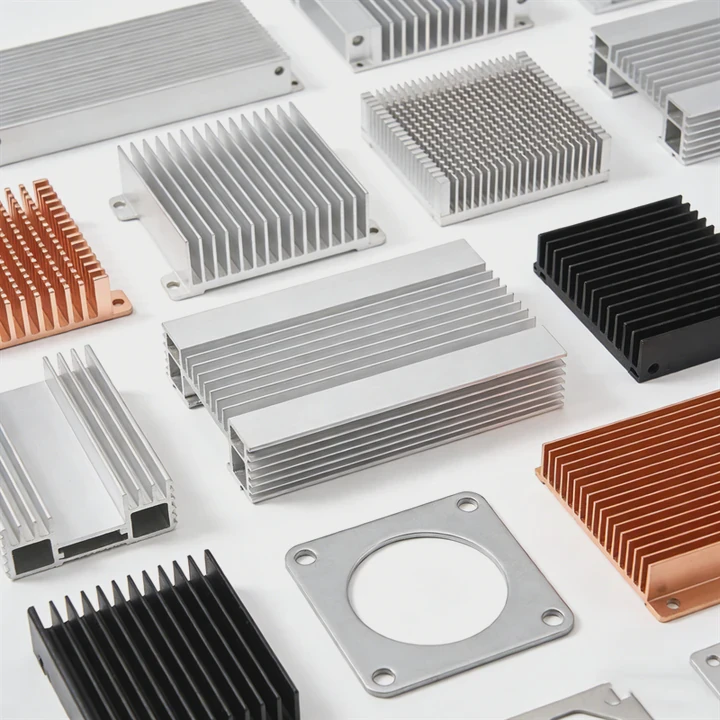
Cooling requirements vary widely depending on power level and environment.
Consumer Electronics
Personal devices generate heat from processors and power circuits.
Typical examples include:
- Laptop computers
- Desktop CPUs
- Graphics cards
- Gaming consoles
These systems often combine aluminum heat sinks with fans.
LED Lighting Systems
High-power LED chips convert only part of their energy into light. The rest becomes heat.
If LED temperature rises too much:
- Light efficiency drops
- Color shifts occur
- Lifetime decreases
Large aluminum heat sinks are widely used in LED lamps, street lights, and industrial lighting.
Power Electronics
Power electronics produce large amounts of heat due to switching losses.
Typical systems include:
| Application | Heat Source | Cooling Solution |
|---|---|---|
| Inverters | IGBT modules | Aluminum heat sink |
| Motor drives | Power transistors | Finned heat sink |
| Power supplies | Rectifiers and MOSFETs | Forced-air cooling |
These applications often require custom heat sink structures.
Communication Infrastructure
Modern communication networks rely on high-performance electronic modules.
Equipment such as:
- 5G base stations
- Data center servers
- Signal processing units
These systems generate continuous heat. Efficient cooling is essential to maintain network stability.
Transportation and Energy Systems
Heat sinks also appear in large-scale industrial equipment.
Examples include:
- Electric vehicle power modules
- Battery management systems
- Rail transportation electronics
- Energy storage systems
These environments demand durable thermal solutions. Heat sinks must operate reliably under vibration, temperature changes, and long service cycles.
As electronic power levels continue to increase, heat sinks will remain a key part of system design across many industries.
Which materials are best for heat sinks?
Material selection plays a critical role in heat sink performance. Different metals offer different thermal conductivity, weight, and cost characteristics.
The best materials for heat sinks are aluminum and copper because they provide high thermal conductivity, good manufacturability, and reliable long-term thermal performance.
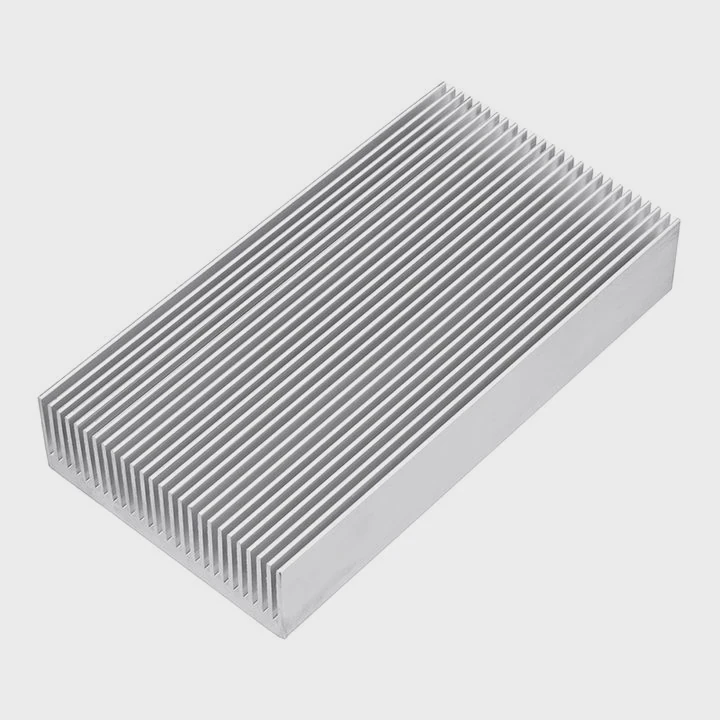
Engineers often compare several materials before choosing the final design.
Aluminum Heat Sinks
Aluminum is the most widely used heat sink material.
Several reasons explain its popularity:
- Good thermal conductivity
- Low weight
- Easy machining and extrusion
- Lower manufacturing cost
Extruded aluminum heat sinks are common in electronics, lighting, and industrial equipment.
Copper Heat Sinks
Copper provides higher thermal conductivity than aluminum.
This allows faster heat spreading.
However, copper also has disadvantages:
- Higher cost
- Greater weight
- More difficult machining
Copper is often used when heat density is very high.
Aluminum vs Copper
The table below compares the two common materials.
| Property | Aluminum | Copper |
|---|---|---|
| Thermal Conductivity | ~205 W/m·K | ~400 W/m·K |
| Weight | Light | Heavy |
| Cost | Lower | Higher |
| Manufacturability | Excellent | Moderate |
Because of these differences, many designs combine both materials.
For example, a heat sink may use a copper base plate with aluminum fins. This improves heat spreading while keeping weight low.
Advanced Heat Sink Materials
Modern thermal management also explores new materials.
Examples include:
- Vapor chamber plates
- Graphite thermal sheets
- Phase change materials
- Composite metal structures
These materials can improve heat spreading or reduce thermal resistance.
Manufacturing Method Also Matters
Material is only part of the story. Manufacturing methods strongly affect heat sink performance.
Common production methods include:
- Aluminum extrusion
- CNC machining
- Skiving
- Vacuum brazing
- Friction stir welding
Each method allows different fin structures and heat transfer performance.
For high-power systems, engineers often design custom heat sinks. These solutions match specific power loads, airflow conditions, and space limitations.
Choosing the right material and structure is the foundation of effective thermal management.
Conclusion
Heat sinks are essential components that remove heat from electronic devices and maintain safe operating temperatures. By combining proper materials, structural design, and airflow management, heat sinks protect electronics, improve reliability, and enable modern high-power technology to function safely.