What is anodized aluminum?
- Yongxing
- 28 Mar ,2026
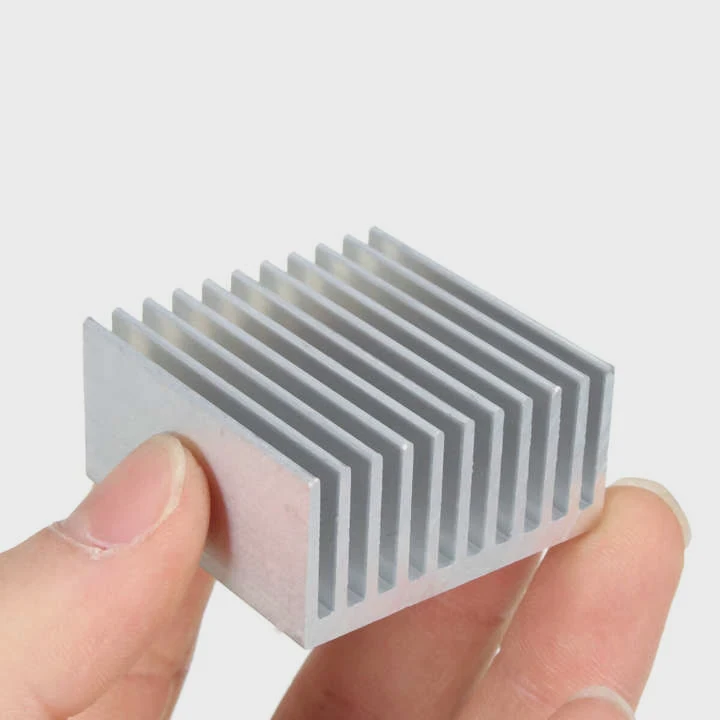
Many buyers see “anodized aluminum” in specs, yet they do not know what it really means. This often leads to wrong material choices and unexpected product failures.
Anodized aluminum is aluminum that has been treated through an electrochemical process to form a thick, durable oxide layer on its surface, improving corrosion resistance, wear resistance, and appearance.
This topic matters a lot in real projects. Surface treatment is not just about looks. It directly affects lifespan, thermal behavior, and reliability in harsh environments.
How is aluminum anodized process done?
Many people assume anodizing is just a coating. That idea is misleading. If the process is misunderstood, it can lead to poor design decisions or wrong supplier selection.
The anodizing process is an electrochemical treatment where aluminum is immersed in an acid bath and exposed to electric current, forming a controlled oxide layer on its surface.
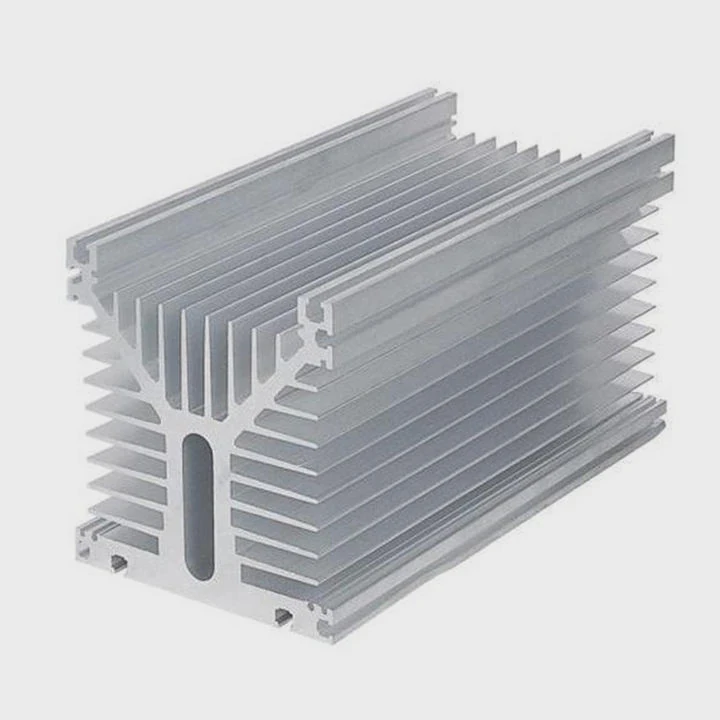
To fully understand anodizing, it helps to break the process into clear steps. Each step directly affects the final performance of the aluminum part.
Step-by-step anodizing process
Cleaning
The aluminum surface is cleaned to remove oil, dust, and contaminants. This ensures uniform oxidation.Etching
A mild alkaline solution is used to remove surface irregularities. This step creates a consistent texture.Desmutting
Residual particles are removed using acid. This prepares the metal for anodizing.Anodizing (core step)
The aluminum is placed in an acid electrolyte (usually sulfuric acid).
Electric current is applied.
Oxygen ions react with aluminum atoms, forming aluminum oxide (Al₂O₃).Coloring (optional)
The porous oxide layer can absorb dyes. This allows different colors like black, gold, or blue.Sealing
The pores are sealed using hot water or steam. This improves corrosion resistance and durability.
What makes anodizing unique?
Unlike paint or plating, anodizing changes the aluminum itself. The oxide layer grows from the base metal, so it does not peel or flake.
Key process parameters
| Parameter | Effect on Result |
|---|---|
| Voltage | Controls oxide thickness |
| Temperature | Affects pore size |
| Time | Determines layer depth |
| Acid concentration | Impacts uniformity |
Real engineering insight
In heat sink production, anodizing must be controlled carefully. A thicker oxide layer improves corrosion resistance, but it slightly reduces thermal conductivity. This balance is critical in high-power systems.
Common mistake
Some buyers focus only on color. In reality, color has little to do with performance. The key factor is oxide thickness and sealing quality.
Final understanding
Anodizing is not just surface decoration. It is a controlled transformation of aluminum that directly affects performance and durability.
What are benefits of anodized aluminum?
Many engineers choose anodized aluminum, but not everyone fully understands why it performs better than untreated aluminum. This gap can lead to missed optimization opportunities.
Anodized aluminum offers improved corrosion resistance, higher surface hardness, better wear resistance, electrical insulation, and enhanced appearance.
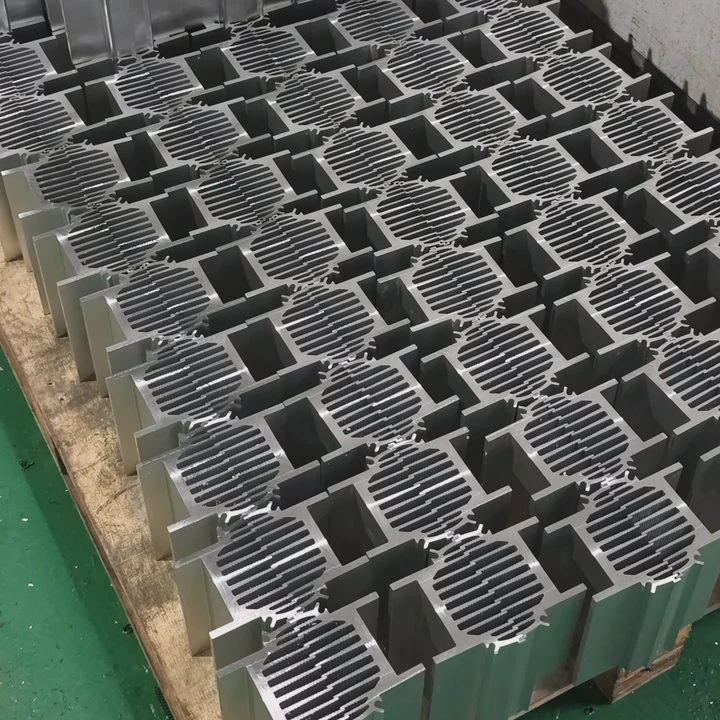
These benefits come from the oxide layer formed during anodizing. This layer has unique physical and chemical properties.
Main advantages explained
1. Corrosion resistance
The oxide layer acts as a barrier. It protects aluminum from moisture, air, and chemicals.
2. Surface hardness
Anodized aluminum is much harder than raw aluminum. This makes it resistant to scratches and wear.
3. Aesthetic flexibility
The porous layer can absorb dyes. This allows consistent and long-lasting colors.
4. Electrical insulation
The oxide layer is non-conductive. This is useful in electronic applications.
5. Strong adhesion
Unlike coatings, anodized layers do not peel. They are part of the metal itself.
Performance comparison
| Feature | Raw Aluminum | Anodized Aluminum |
|---|---|---|
| Corrosion resistance | Moderate | High |
| Surface hardness | Low | High |
| Wear resistance | Low | High |
| Appearance stability | Poor | Excellent |
Trade-offs to consider
While anodizing improves many properties, it also introduces some trade-offs:
- Slight reduction in thermal conductivity
- Increased processing cost
- Possible color variation between batches
Practical application insight
In real projects, anodizing is often used for parts exposed to harsh environments. For example:
- Outdoor electronics
- Industrial enclosures
- Heat sinks in humid conditions
Important design tip
When designing thermal systems, it is important to choose the right anodizing thickness. Too thick may reduce heat transfer efficiency.
Final takeaway
Anodized aluminum is not always necessary, but when durability and surface performance matter, it becomes a strong choice.
Is anodized aluminum corrosion resistant?
Many people assume all aluminum is naturally corrosion resistant. While this is partly true, it is not enough for demanding environments.
Yes, anodized aluminum is highly corrosion resistant because its thick oxide layer protects the metal from oxidation, moisture, and chemical exposure.
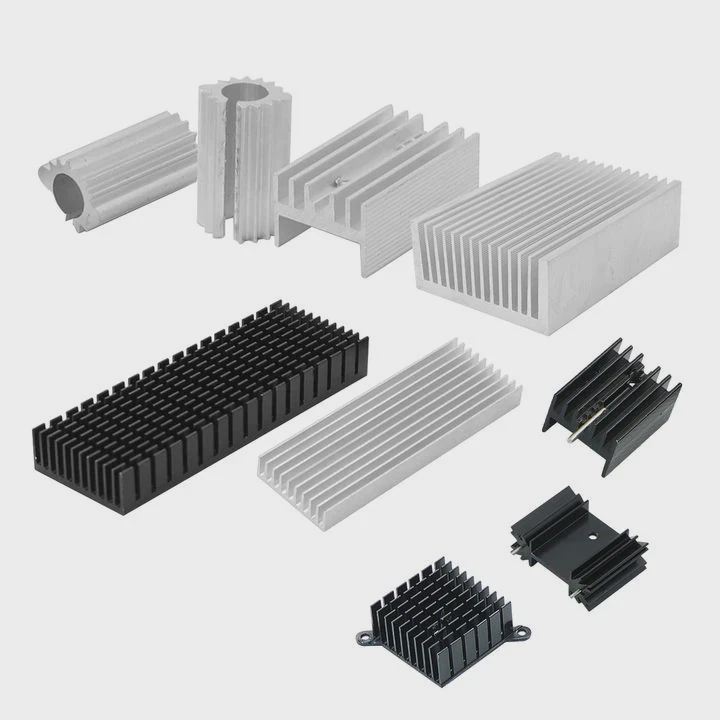
To understand this clearly, it helps to compare natural oxidation and anodized protection.
Natural oxide vs anodized oxide
Aluminum naturally forms a thin oxide layer when exposed to air. However, this layer is very thin and can be damaged easily.
Anodizing creates a much thicker and more uniform layer.
| Type of Oxide Layer | Thickness | Protection Level |
|---|---|---|
| Natural oxide | Very thin | Limited |
| Anodized oxide | Thick and dense | High |
How anodizing improves corrosion resistance
- Creates a uniform barrier
- Reduces surface defects
- Seals pores to block moisture
- Prevents chemical reactions
Environmental performance
Anodized aluminum performs well in:
- Humid environments
- Marine conditions (with proper sealing)
- Industrial atmospheres
- Outdoor exposure
Limitations to consider
Even anodized aluminum is not perfect:
- Strong acids or alkalis can damage the layer
- Poor sealing reduces effectiveness
- Mechanical damage can expose base metal
Real-world example
In one project, untreated aluminum parts showed corrosion after months in a coastal environment. After switching to anodized aluminum, the lifespan increased significantly.
Engineering insight
For heat sinks, corrosion resistance ensures long-term thermal stability. Oxidation or surface damage can reduce performance over time.
Key takeaway
Anodizing greatly improves corrosion resistance, but process quality and environment still matter.
Where is anodized aluminum commonly used?
Many industries rely on anodized aluminum, but its applications are often underestimated. This leads to missed opportunities in design and performance improvement.
Anodized aluminum is commonly used in electronics, construction, automotive, aerospace, and industrial equipment due to its durability, corrosion resistance, and lightweight properties.
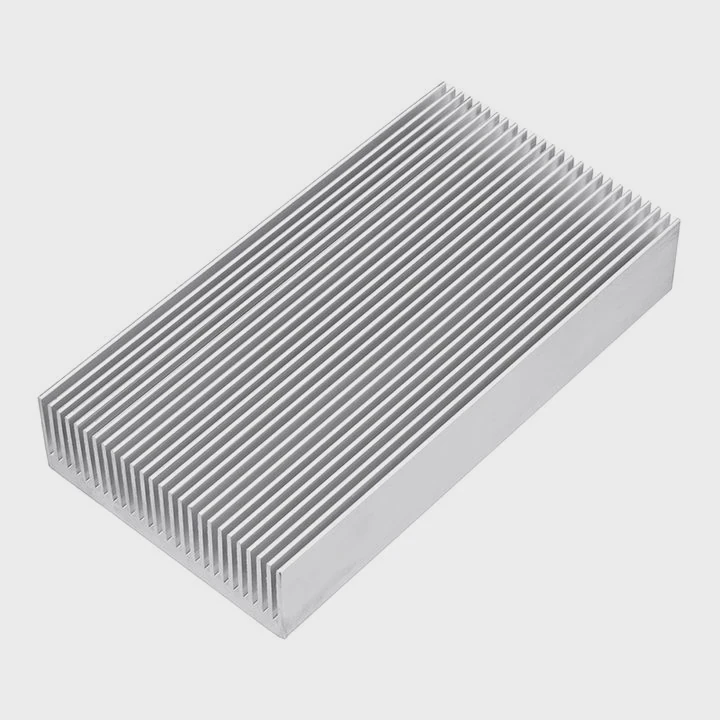
Its combination of strength, weight, and surface protection makes it suitable for a wide range of applications.
Key application areas
1. Electronics and heat sinks
Anodized aluminum is widely used in:
- Heat sinks
- LED housings
- Power supply enclosures
The anodized layer provides insulation and corrosion resistance.
2. Construction and architecture
Used in:
- Window frames
- Curtain walls
- Decorative panels
It offers long-lasting color and weather resistance.
3. Automotive industry
Common uses include:
- Trim components
- Structural parts
- Cooling systems
Lightweight design improves energy efficiency.
4. Aerospace applications
Anodized aluminum is used for:
- Structural panels
- Interior components
- Thermal management systems
It meets strict performance and weight requirements.
5. Industrial equipment
Used in:
- Machinery housings
- Control panels
- Protective covers
Application comparison table
| Industry | Key Benefit |
|---|---|
| Electronics | Heat dissipation + insulation |
| Construction | Weather resistance |
| Automotive | Lightweight strength |
| Aerospace | High reliability |
| Industrial | Durability |
Why industries prefer anodized aluminum
- Long service life
- Low maintenance
- Consistent appearance
- Reliable performance
Design insight
In thermal management systems, anodized aluminum offers a balance between performance and protection. It is especially useful in environments where both heat and corrosion are concerns.
Final thought
Anodized aluminum is not limited to one field. Its versatility makes it a key material across modern industries.
Conclusion
Anodized aluminum is a surface-enhanced form of aluminum that offers durability, corrosion resistance, and improved performance, making it essential for demanding industrial and thermal applications.