what is another term for a passive heat sink?
- Yongxing
- 18 Mar ,2026
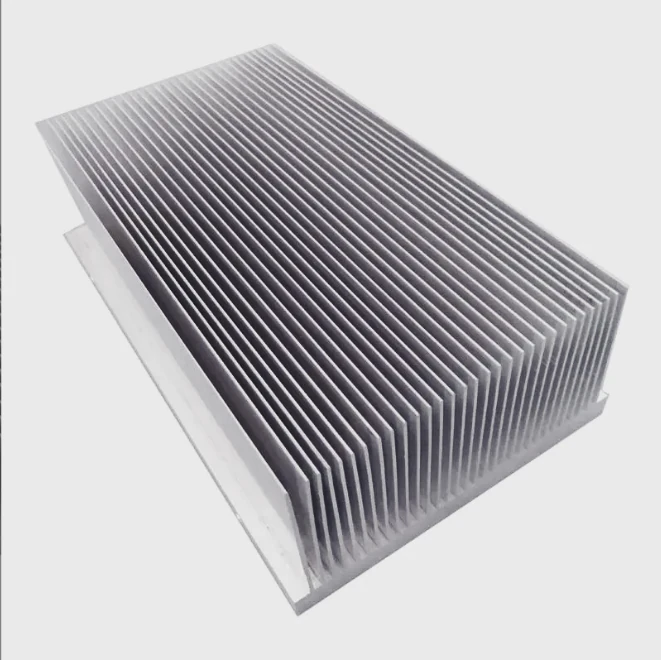
Every engineer faces overheating problems. Devices fail. Performance drops. Many struggle to choose the right cooling method for stable operation.
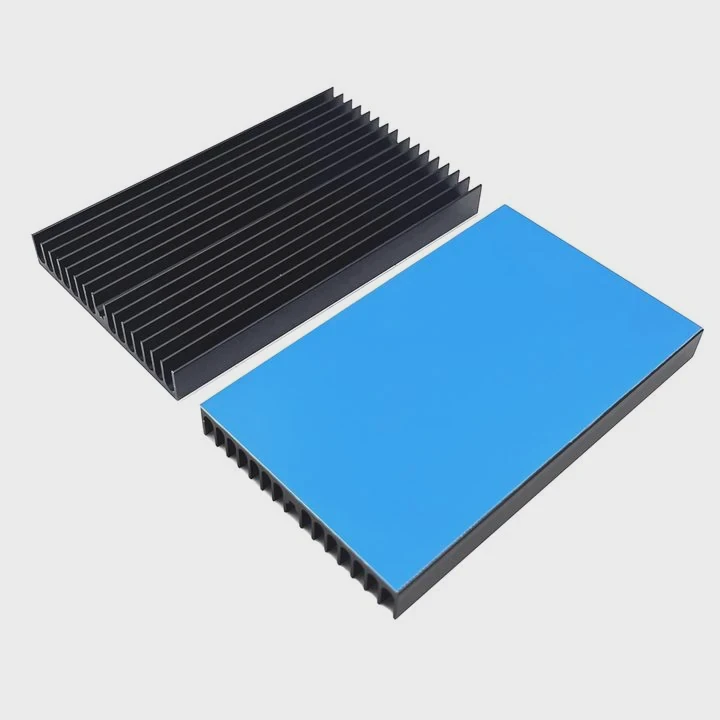
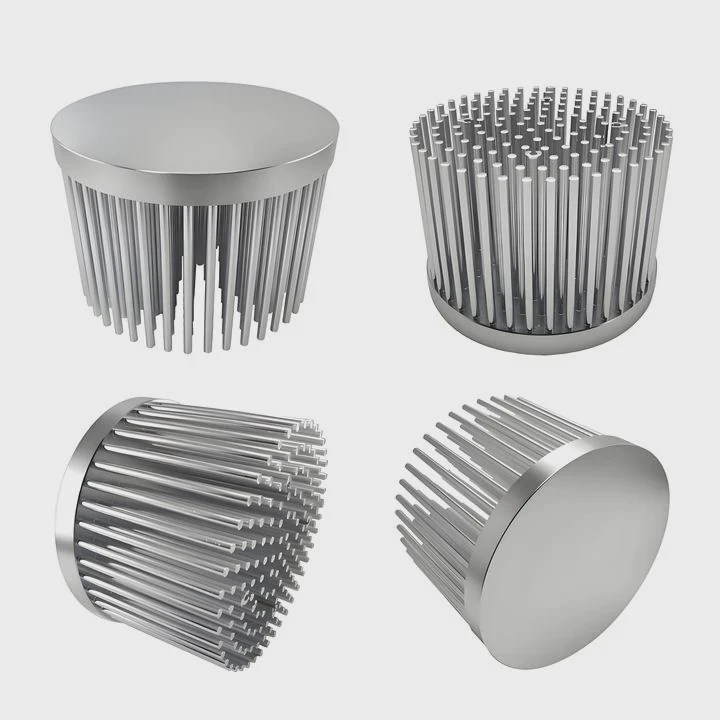
Another term for a passive heat sink is a “natural convection heat sink” or simply “passive cooling solution,” meaning it dissipates heat without fans or moving parts by relying on airflow and thermal conduction.
Understanding this simple term opens the door to better thermal design. It helps engineers pick reliable, low-maintenance cooling systems for modern electronics.
How does a passive heat sink differ from active cooling?
Heat builds up fast in electronics. Many systems fail because cooling choices are wrong. Choosing between passive and active cooling becomes a key decision early in design.
A passive heat sink uses no moving parts and relies on natural airflow, while active cooling uses fans or pumps to force heat away, increasing cooling efficiency but adding complexity.
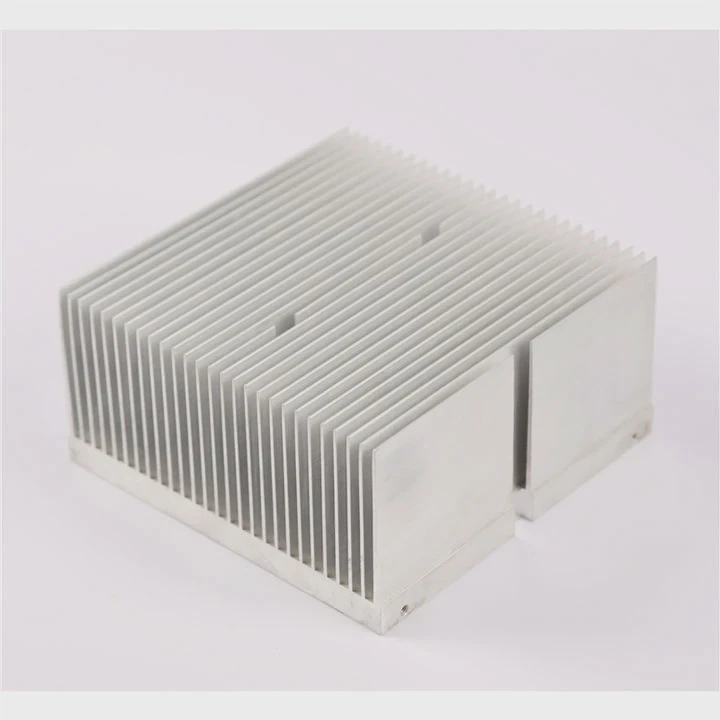
Passive and active cooling differ in structure, performance, cost, and reliability. Each method fits different use cases. Understanding these differences helps avoid design mistakes.
Core Differences in Design
Passive heat sinks depend on:
- Natural convection
- Thermal radiation
- Conduction through metal (usually aluminum or copper)
Active cooling systems include:
- Fans (air cooling)
- Pumps (liquid cooling)
- Control electronics
Passive systems have a simple structure. Active systems are more complex.
Performance Comparison
| Feature | Passive Heat Sink | Active Cooling System |
|---|---|---|
| Cooling Capacity | Moderate | High |
| Noise Level | Silent | Noisy (fan/pump) |
| Maintenance | Low | High |
| Power Consumption | None | Requires power |
| Reliability | Very high | Lower due to moving parts |
Passive heat sinks cannot match the raw cooling power of active systems. However, they win in reliability and simplicity.
Reliability Matters in Real Projects
In many projects, long-term stability matters more than peak performance. For example, in rail systems or outdoor telecom units, failure is not acceptable.
Moving parts wear out. Fans collect dust. Pumps leak. Passive heat sinks avoid these risks.
Cost Over Lifecycle
At first, active cooling may look cheaper. But over time:
- Maintenance costs increase
- Replacement parts add expense
- Downtime becomes costly
Passive solutions often reduce total cost over years.
When to Choose Each
Passive heat sinks are better when:
- Power density is moderate
- Silent operation is required
- Maintenance access is limited
Active cooling is better when:
- Heat load is very high
- Space is limited
- Performance must be maximized
In many real cases, a hybrid approach is used. Still, passive heat sinks remain the foundation of most thermal designs.
Why do passive heat sinks need airflow?
Many people think passive cooling works without airflow. That idea causes poor designs. Without airflow, heat stays trapped and efficiency drops fast.
Passive heat sinks need airflow because natural convection carries heat away from the fins, allowing continuous heat dissipation without external energy input.
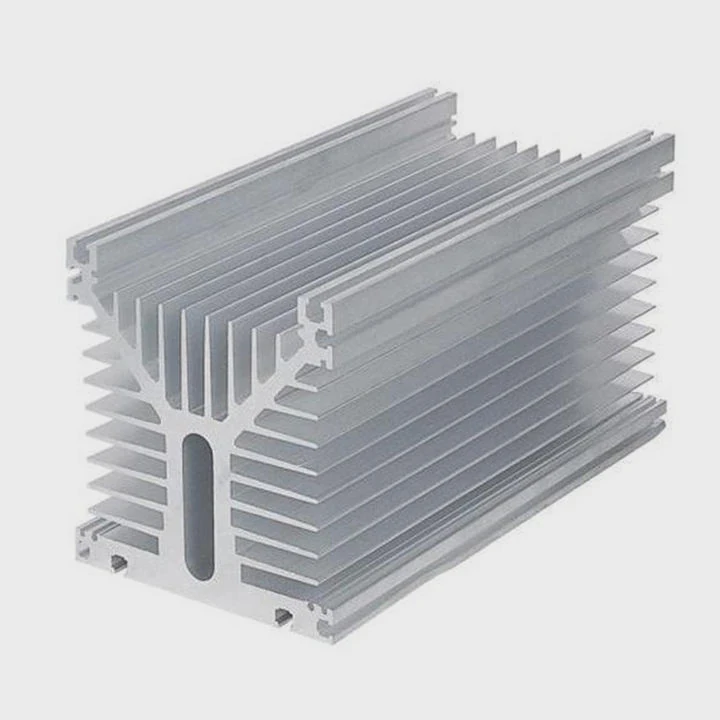
Airflow is not optional. It is the core mechanism that makes passive cooling work.
How Natural Convection Works
When a heat sink warms up:
- Air near the surface heats up
- Hot air becomes less dense
- It rises upward
- Cooler air replaces it
This cycle repeats continuously.
Key Factors That Affect Airflow
1. Fin Design
Fin spacing and height matter a lot.
- Too tight → airflow blocked
- Too wide → less surface area
Optimal spacing allows smooth air movement.
2. Orientation
Vertical orientation improves airflow.
- Vertical fins → better convection
- Horizontal fins → weaker airflow
This is often ignored in early design stages.
3. Surrounding Environment
Airflow depends on system placement:
- Enclosed spaces reduce efficiency
- Open environments improve cooling
Airflow vs Heat Transfer Efficiency
| Factor | Impact on Cooling Efficiency |
|---|---|
| Air velocity | High impact |
| Fin spacing | Medium impact |
| Surface area | High impact |
| Ambient temperature | High impact |
Even small airflow changes can greatly affect performance.
Common Design Mistakes
Many designs fail because:
- Heat sinks are placed in sealed enclosures
- Air paths are blocked by other components
- Orientation is ignored
These mistakes reduce natural convection.
Practical Insight from Real Projects
In one project, a system overheated even with a large heat sink. The problem was not the heat sink. It was poor airflow path design.
After redesigning airflow channels, temperature dropped by over 15°C without changing the heat sink.
Simple Rule
A passive heat sink does not create airflow. It depends on airflow.
Design must support air movement. Otherwise, even the best heat sink will fail.
Where are passive heat sinks commonly used?
Many industries need reliable cooling. Some environments cannot tolerate noise or maintenance. Passive heat sinks become the default choice in these cases.
Passive heat sinks are commonly used in electronics, power systems, LED lighting, telecom equipment, and industrial devices where reliability and silent operation are critical.
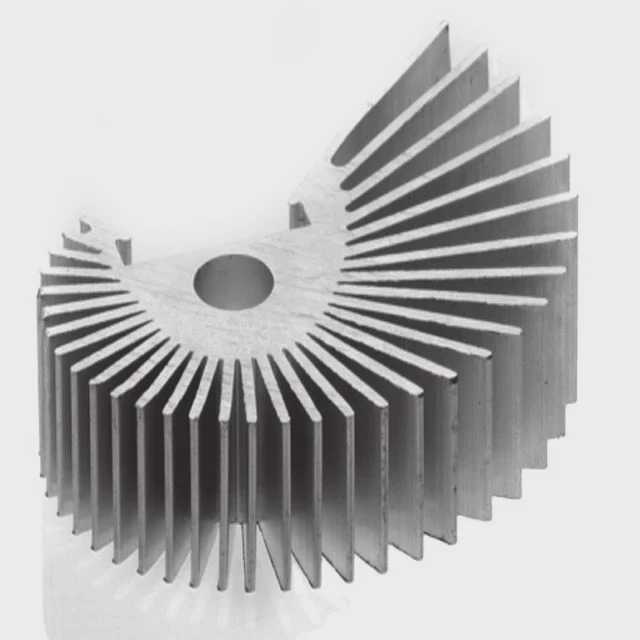
Passive cooling appears in more places than most people expect.
Main Application Areas
1. LED Lighting Systems
LEDs generate heat that affects lifespan.
Passive heat sinks:
- Extend LED life
- Maintain brightness
- Avoid fan noise
2. Power Electronics
Devices like:
- Inverters
- Power supplies
- converters
These systems often use aluminum heat sinks for stable cooling.
3. Telecom Equipment
Outdoor telecom units must run 24⁄7.
Passive cooling is preferred because:
- No maintenance
- High reliability
- Dust resistance
4. Industrial Control Systems
Factories require stable systems.
Passive heat sinks:
- Reduce failure risk
- Improve system uptime
- Handle harsh environments
Industry Comparison Table
| Industry | Why Passive Cooling is Used |
|---|---|
| LED Lighting | Silent, long lifespan |
| Telecom | Reliability, outdoor use |
| Industrial | Low maintenance |
| Medical Devices | Noise-free operation |
| Rail Transport | High reliability requirements |
Environmental Advantages
Passive heat sinks also support:
- Lower energy consumption
- Reduced carbon footprint
- Simpler system design
This aligns with modern energy-saving goals.
Design Flexibility
Passive heat sinks can be:
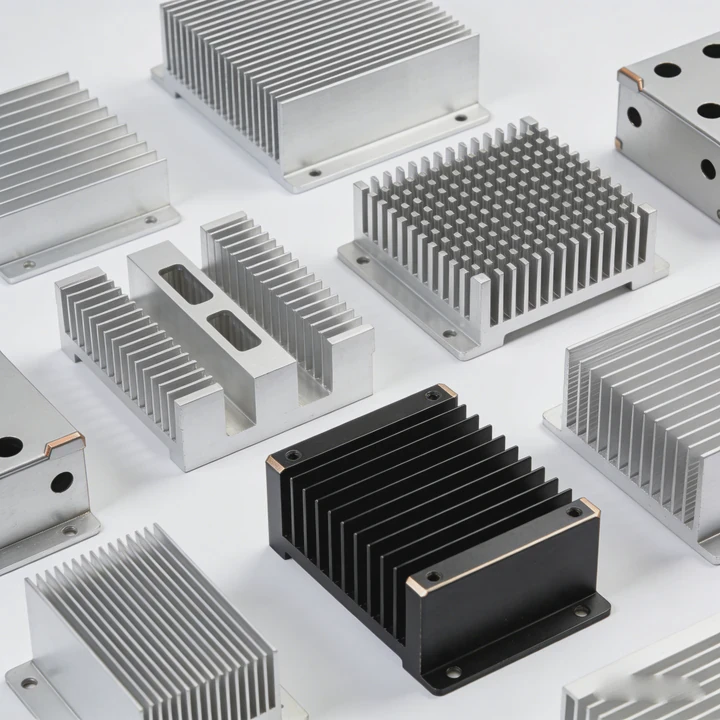
- Extruded aluminum profiles
- Skived fin structures
- Vapor chamber integrated modules
This flexibility allows custom solutions for different industries.
Real-World Observation
In many export projects, clients prefer passive solutions even when active cooling is possible. The reason is simple: fewer failures over time.
Passive heat sinks are not just a component. They are a reliability strategy.
Which devices prefer passive cooling solutions?
Some devices cannot tolerate noise. Others cannot risk failure. Passive cooling becomes the best option in these cases.
Devices that prefer passive cooling include low-noise electronics, outdoor equipment, high-reliability systems, and compact embedded devices where maintenance is difficult or impossible.
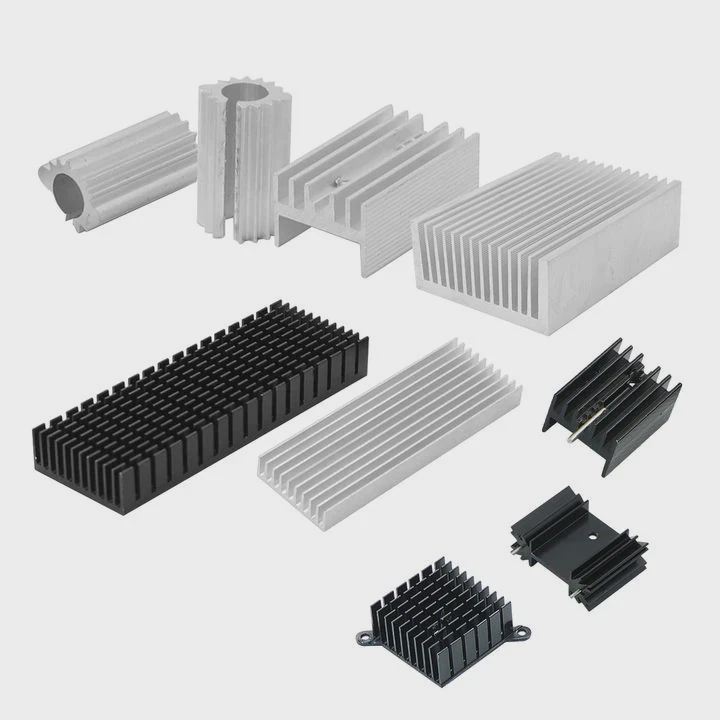
Passive cooling is often a requirement, not a choice.
Common Device Types
1. Fanless Computers
Mini PCs and embedded systems use passive cooling because:
- Silent operation is needed
- Dust can damage fans
- Long-term stability is required
2. Outdoor Equipment
Examples include:
- Base stations
- Solar inverters
- surveillance systems
These devices face harsh environments. Fans fail quickly outdoors.
3. Medical Devices
Medical systems require:
- Quiet operation
- High reliability
- Clean environments
Passive cooling meets these needs.
4. Automotive Electronics
Electric vehicles and control units use passive heat sinks because:
- Space is limited
- Reliability is critical
- Maintenance is difficult
Device Requirement Comparison
| Device Type | Key Requirement | Why Passive Cooling Fits |
|---|---|---|
| Mini PC | Silent operation | No fan noise |
| Telecom unit | Outdoor durability | No moving parts |
| Medical equipment | Clean & quiet | Dust-free design |
| EV electronics | Reliability | Stable long-term cooling |
Design Trade-offs
Passive cooling requires:
- Larger surface area
- Better material selection
- Careful thermal design
Active cooling allows smaller size but adds complexity.
Future Trends
More devices are moving toward passive cooling because:
- Energy efficiency matters more
- Noise regulations are stricter
- Reliability expectations are higher
New technologies like vapor chambers and phase change materials improve passive performance.
Practical Insight
In many projects, engineers first try active cooling. Later, they switch to passive solutions after facing maintenance issues.
Passive cooling often becomes the final choice for stable products.
Conclusion
Passive heat sinks, also called natural convection heat sinks, offer simple, reliable, and silent cooling. They rely on airflow, smart design, and material efficiency to manage heat across many industries and devices.