
Which Heat Sink Is Best?
- Yongxing
- 27 Apr ,2026
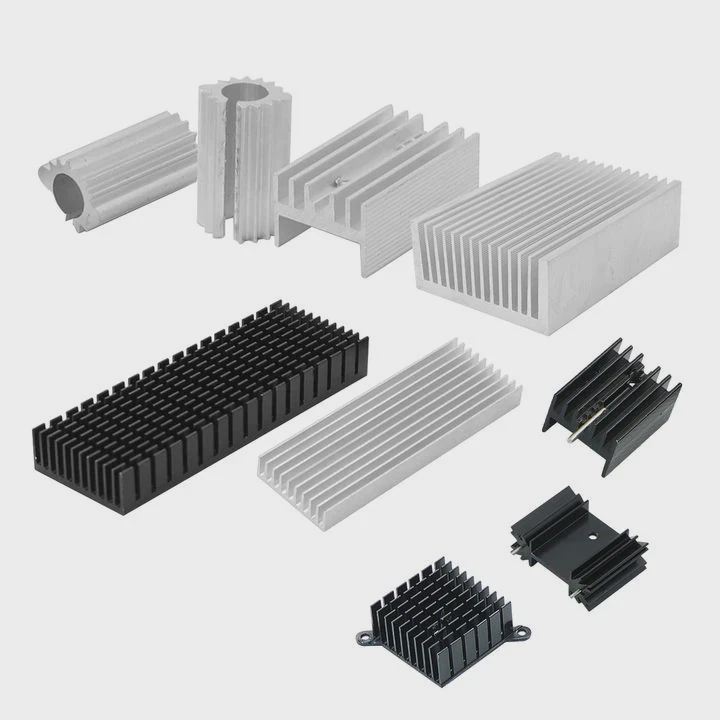
Many products fail because cooling is treated as an afterthought. Chips run hot, fans become noisy, and service life drops fast.
The best heat sink is the one that matches heat load, airflow, size, cost, and reliability needs. There is no single best model for every application.
A smart buyer does not ask only for the biggest or most expensive heat sink. A smart buyer asks how the product works, where it runs, and what temperature limits must be controlled.
How to Compare Different Heat Sink Types?
Many buyers compare only size or price. That often leads to weak thermal results or wasted budget.
To compare heat sink types, review thermal resistance, material, fin design, airflow needs, weight, cost, and production suitability. The best choice balances cooling and real project limits.
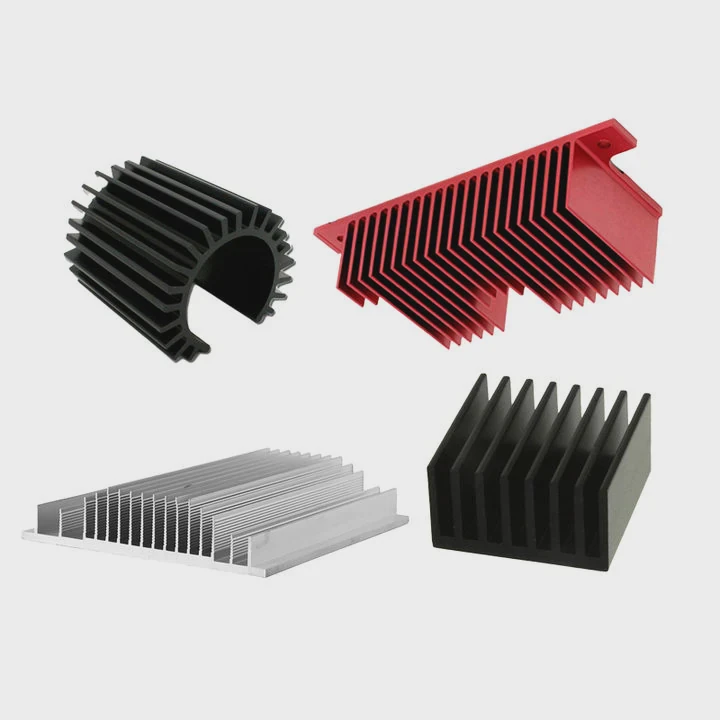
Every heat sink removes heat in three simple steps. Heat enters the base. Heat spreads through the body. Heat leaves through fins or exposed surfaces. If one step is weak, total performance drops.
Common Heat Sink Types
| Type | Main Strength | Main Limit | Best Use |
|---|---|---|---|
| Extruded Aluminum | Low cost, easy volume production | Medium performance | Power supplies, LED units |
| Skived Fin | Dense fins, strong airflow use | Higher cost | Compact electronics |
| Bonded Fin | Tall fins, flexible shape | Bond quality matters | Server and telecom |
| Die Cast | Complex shapes | Lower conductivity | Consumer devices |
| Copper Heat Sink | Excellent heat spreading | Heavy and costly | CPU, hotspot devices |
| Liquid Cold Plate | Very high heat removal | More system complexity | EV, battery, power modules |
Material Comparison
Aluminum is common because it is light, affordable, and easy to process. Copper moves heat faster and spreads hotspots better. Still, copper adds mass and cost. Many strong designs use copper at the base and aluminum at the fin area.
Fin Geometry Comparison
Thin fins can increase surface area. Yet if spacing is too narrow, airflow drops. Tall fins can help passive cooling, but weak airflow may not reach the full height. Good geometry depends on fan power or natural convection.
Production Comparison
Some advanced concepts look perfect on paper but fail in mass production. Flatness, solder quality, weld strength, and tolerance control all matter. A stable factory process often beats a complex design with unstable output.
Useful Data to Request
- Thermal resistance (°C/W)
- Weight
- Pressure drop
- Surface coating
- Base flatness
- Tooling cost
- Lead time
- Reliability history
The best comparison uses numbers, not guesses. Low purchase price can become expensive if temperatures rise and product life drops.
Why Does Application Determine Best Choice?
Many people ask for the best heat sink without discussing the product. That question is incomplete.
Application determines the best choice because each product has different heat load, space limits, airflow, vibration, dust, moisture, and lifetime targets.
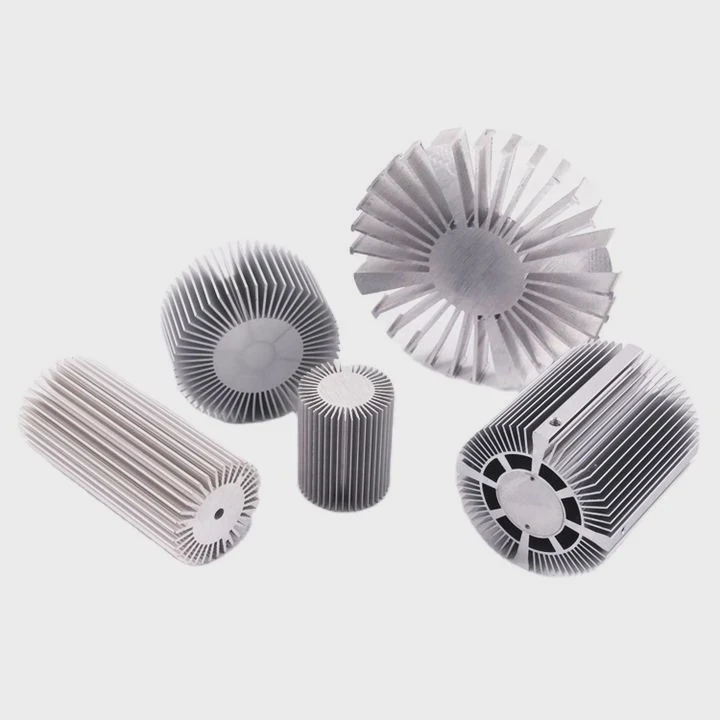
A heat sink never works alone. It works inside a system. That system decides what “best” means.
Consumer Electronics
Laptops, routers, gaming devices, and compact computers need slim shapes and low noise. Weight matters. Looks may matter too. Vapor chambers, compact fins, and hybrid metal designs are common.
Industrial Equipment
Drives, control cabinets, and factory power units often run for long hours in warm environments. Dust can block fins. Easy cleaning and long life may matter more than top benchmark numbers.
Transportation Systems
Rail equipment, EV systems, and mobile machines face vibration and shock. A weak bond line can fail early. Rugged structure and secure mounting become critical.
Medical Devices
Quiet operation and stable temperature are often more important than peak cooling. Sensitive sensors can drift when heat changes too much.
Outdoor Telecom and Energy Storage
These systems face sun load, rain risk, and ambient temperature swings. Corrosion resistance matters. Low maintenance designs are valuable.
Quick Guide
| Application | Main Priority | Typical Direction |
|---|---|---|
| Laptop | Thin size + hotspot cooling | Copper base + compact fins |
| Factory Drive | Long life + dust tolerance | Rugged aluminum sink |
| EV Inverter | High power + vibration resistance | Liquid cold plate |
| Telecom Cabinet | Low maintenance | Passive fin cooling |
| Medical Device | Quiet stable cooling | Low-noise forced air |
Real Lesson
Ignoring the application causes two common mistakes. Some teams buy too much cooling and waste money. Others buy too little cooling and face failures later. The best heat sink starts with the real working environment.
Where Should Performance Be Evaluated?
Many products pass bench tests and still fail in the field. Testing in one condition is not enough.
Heat sink performance should be evaluated at part level, bench level, full system level, and real environmental conditions. Final proof must come from the real product setup.
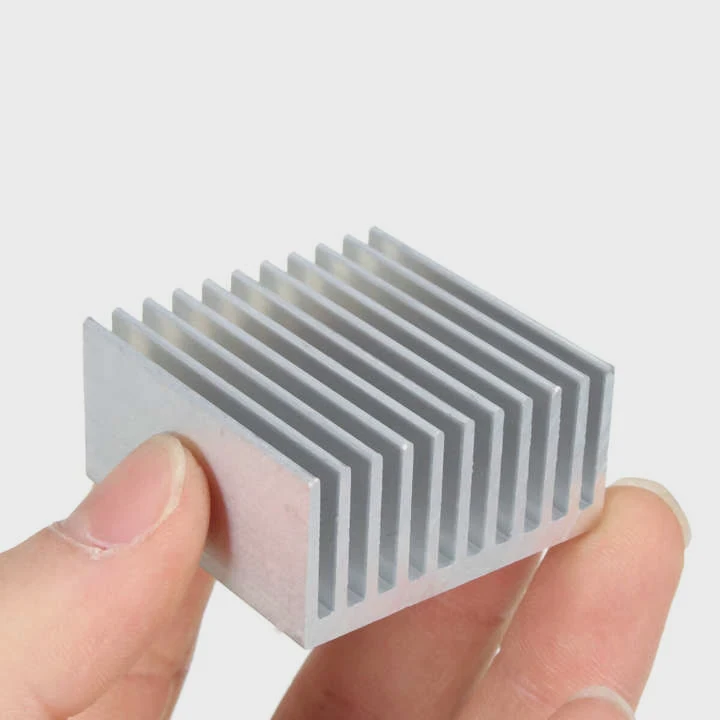
Catalog values help early selection, but they are not final answers. Real systems change airflow, mounting pressure, orientation, and ambient temperature.
Level 1: Part Inspection
Check these basics:
- Base flatness
- Surface roughness
- Coating thickness
- Dimensional tolerance
- Mechanical strength
A poor contact surface can ruin thermal performance before testing even starts.
Level 2: Bench Thermal Test
Use a controlled heater and sensors. Measure temperature rise above ambient. Divide by power load to estimate thermal resistance.
Lower thermal resistance means stronger cooling.
Level 3: System Test
Install the heat sink with the real PCB, enclosure, fan, cables, and nearby parts. Many systems lose cooling because wires or walls block airflow paths.
Level 4: Reliability Test
Run:
- High temperature aging
- Power cycling
- Vibration testing
- Humidity testing
- Dust exposure
- Fan life testing
These tests reveal long-term weakness.
Common Errors
- Testing with open cover but shipping closed case
- Using fresh thermal paste only once
- Ignoring fan dust buildup
- Measuring one point only
- Forgetting vertical vs horizontal mounting effects
Better Evaluation Method
Use simulation, prototype testing, and long-run validation together. If all three show similar results, confidence is strong. If results differ, redesign early.
A heat sink may look excellent in software. Yet one blocked air path can raise temperatures sharply after assembly.
Which Features Define the Best Heat Sink?
Many buyers focus on one feature like copper or fin count. Real success comes from several features working together.
The best heat sink is defined by low thermal resistance, strong contact quality, smart fin structure, correct material, reliability, easy assembly, and full lifecycle value.
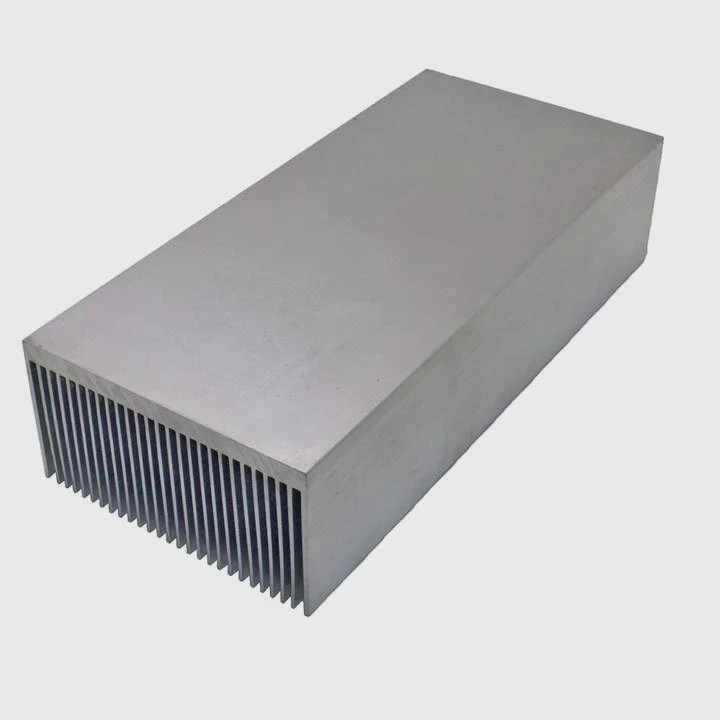
No single feature wins every project. Good thermal design is always a balance.
1. Base Contact Quality
The base touches the heat source. If the surface is uneven, air gaps appear. Air blocks heat flow.
2. Heat Spreading Ability
Small hotspots need quick spreading. Copper inserts, thicker bases, or vapor chambers can move heat away faster.
3. Surface Area
More area often helps, but only when air can move across it. Dead zones reduce gains.
4. Weight and Size
Heavy coolers may work in servers. They may fail in drones or mobile products. Mechanical limits matter.
5. Reliability
Fans wear out. Adhesives age. Poor coatings corrode. A slightly warmer design with longer life may be the better business decision.
6. Ease of Assembly
Fast and repeatable mounting lowers labor cost and improves quality consistency.
7. Total Cost
Cheap unit price can hide expensive problems later:
- Warranty returns
- Noise complaints
- Shorter electronics life
- Service labor
- Redesign delays
Feature Checklist
| Feature | Why It Matters |
|---|---|
| Low Thermal Resistance | Keeps components cooler |
| Flat Base | Better heat transfer |
| Correct Material | Balances cost and performance |
| Smart Fin Design | Uses airflow efficiently |
| Strong Mounting | Stable long-term contact |
| Corrosion Protection | Better field life |
| Production Consistency | Predictable results |
Final Buying Logic
If two heat sinks show similar temperature results, choose the one with better reliability, easier assembly, and stable supply support. Cooling numbers matter, but business results matter too.
Conclusion
The best heat sink is never chosen by size alone. It is chosen by fit: heat load, environment, testing data, and long-term value. When cooling design matches the application, performance becomes stable and predictable.




