Best Thermal Paste for Heat Sink?
- Yongxing
- 27 Apr ,2026
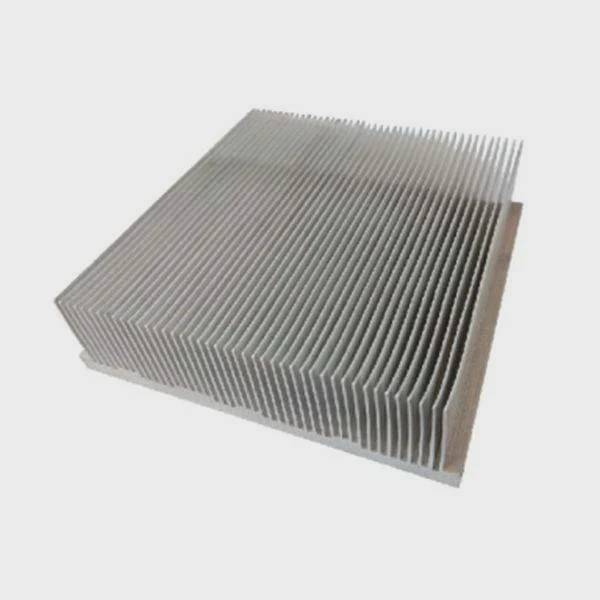
Thermal problems often appear when devices overheat. Many users ignore paste choice. This leads to poor heat transfer and short device life.
The best thermal paste improves heat transfer between the chip and heat sink. It reduces air gaps, lowers thermal resistance, and helps maintain stable operating temperatures under load.
A good heat sink alone is not enough. The interface material plays a key role. So the next step is to understand how to choose and use it correctly.
How to select thermal paste for heat sinks?
Thermal issues often come from wrong paste choice. Many users pick cheap or wrong types. This leads to poor performance and overheating.
To select thermal paste, focus on thermal conductivity, viscosity, durability, and application type. Match the paste to your power level, environment, and cooling design.
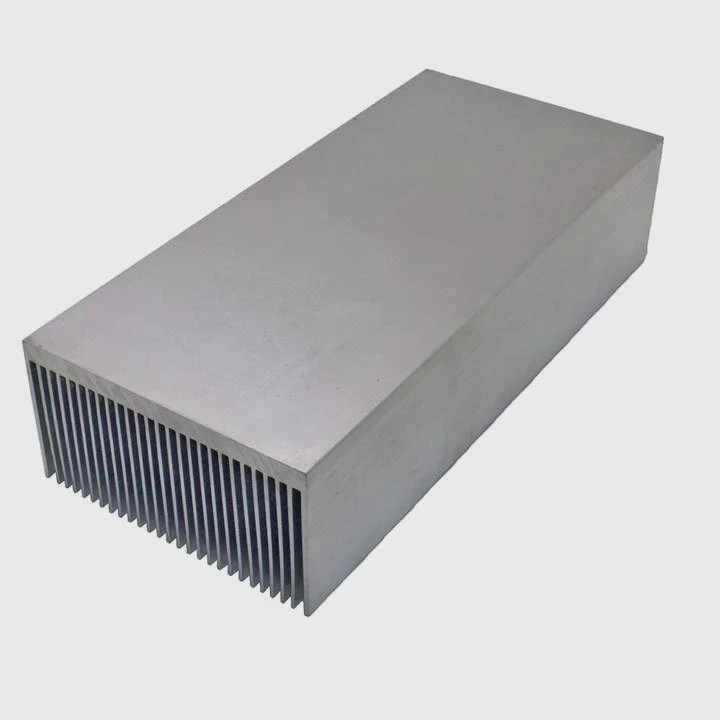
When selecting thermal paste, the first factor is thermal conductivity. This value shows how well heat moves through the paste. Higher values mean better performance. For high-power devices like IGBT modules or CPUs, high conductivity is critical.
Key Selection Factors
1. Thermal Conductivity
Measured in W/m·K. Common pastes range from 1 to 12 W/m·K. High-end products go beyond that.
2. Viscosity
This affects how easy the paste spreads. Thick paste stays in place but is harder to apply. Thin paste spreads easily but may pump out over time.
3. Operating Temperature Range
Industrial systems may run from -40°C to 150°C. The paste must remain stable in this range.
4. Electrical Conductivity
Some pastes contain metal particles. These may conduct electricity. That can be risky in sensitive electronics.
Comparison Table
| Factor | Low-End Paste | Mid-Range Paste | High-End Paste |
|---|---|---|---|
| Thermal Conductivity | 1–3 W/m·K | 3–8 W/m·K | 8–15+ W/m·K |
| Stability | Low | Medium | High |
| Price | Low | Medium | High |
| Application | Basic use | General use | High power |
Practical Insight
In real projects, the paste must match the heat sink design. For example, a large aluminum heat sink needs a paste that fills micro gaps well. For liquid cooling plates, the paste must handle pressure and vibration.
Also, long-term stability matters. Some low-cost paste dries out. That increases thermal resistance over time. This is a common issue in outdoor or high-load systems.
Why does paste quality affect cooling?
Many systems fail even with a good heat sink. The hidden issue is poor paste quality. Air gaps reduce heat transfer efficiency.
Paste quality affects cooling because it fills microscopic air gaps. High-quality paste improves thermal contact and reduces resistance, allowing heat to flow efficiently from the source to the heat sink.
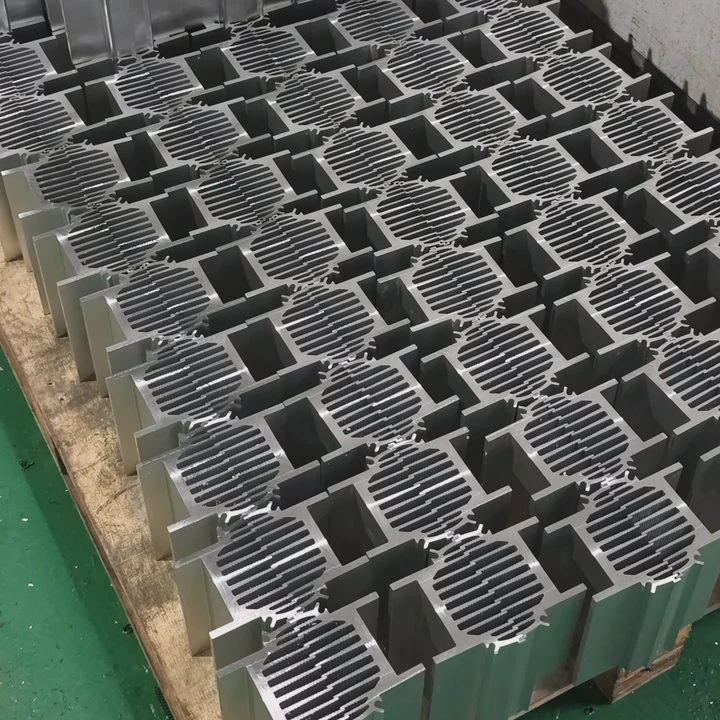
Heat transfer depends on contact between surfaces. Even polished metal surfaces have tiny gaps. Air fills these gaps. Air has very low thermal conductivity. This creates a barrier.
Heat Transfer Basics
Heat moves in three ways:
- Conduction
- Convection
- Radiation
In heat sinks, conduction is the main path. The paste improves conduction between the chip and the heat sink.
Why Quality Matters
1. Air Gap Reduction
Good paste fills gaps completely. Poor paste leaves voids.
2. Lower Thermal Resistance
Better paste reduces resistance. This leads to lower junction temperature.
3. Long-Term Stability
High-quality paste keeps its properties over time. Cheap paste dries and cracks.
Real Case Example
In one project, a power module showed overheating issues. The heat sink design was correct. After testing, the issue was the paste. It had low conductivity and dried after 3 months. After switching to high-performance paste, temperature dropped by 12°C.
Performance Impact Table
| Paste Quality | Thermal Resistance | Temperature Rise | Lifespan Impact |
|---|---|---|---|
| Poor | High | High | Short |
| Medium | Moderate | Moderate | Medium |
| High | Low | Low | Long |
Key Takeaway
The paste acts like a bridge. If the bridge is weak, heat cannot move well. So even the best heat sink cannot perform fully without good paste.
Where should thermal paste be applied?
Many users apply too much or too little paste. Wrong placement leads to uneven heat transfer and hot spots.
Thermal paste should be applied between the heat source and the heat sink surface. It must cover the contact area evenly without excess overflow.
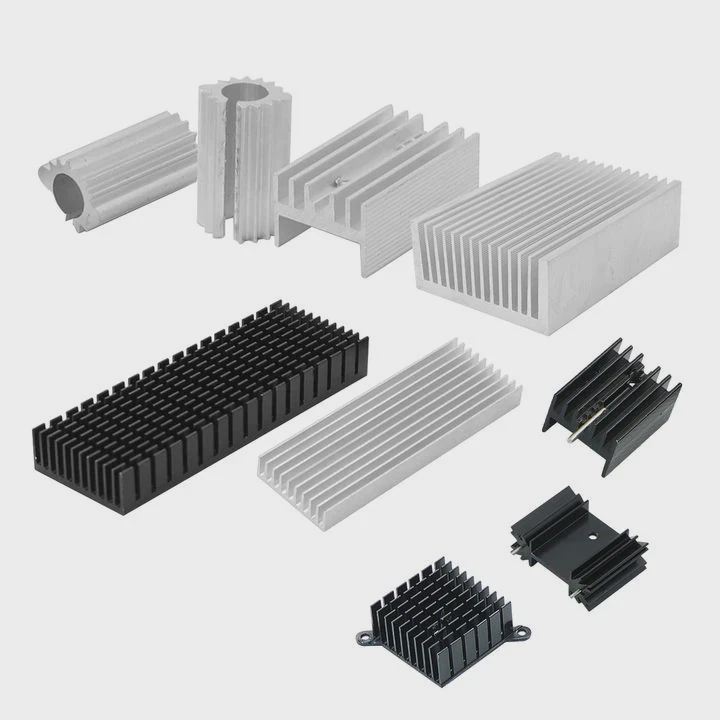
The correct location is always between two surfaces: the heat source (CPU, GPU, power module) and the heat sink base.
Application Methods
1. Pea Method
A small dot in the center. Pressure spreads it.
2. Line Method
Used for rectangular chips.
3. Spread Method
Manual spreading with a tool.
Common Mistakes
- Too much paste: causes overflow and insulation
- Too little paste: leaves air gaps
- Uneven spreading: creates hot spots
Application Area Guide
| Device Type | Recommended Method | Notes |
|---|---|---|
| CPU | Pea | Easy and effective |
| GPU | Spread | Large surface area |
| Power Modules | Line or Spread | Depends on shape |
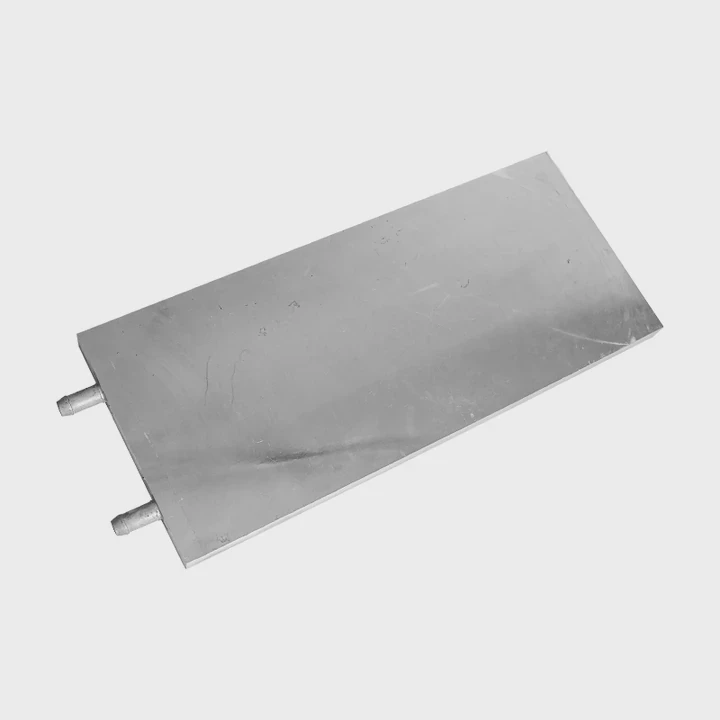
| Liquid Cold Plate | Thin Layer | Ensure full contact |
Practical Experience
In industrial systems, uniform pressure is important. Mounting force affects how paste spreads. A good design includes proper mounting torque.
Also, surface finish matters. Rough surfaces need slightly more paste. Smooth surfaces need less.
Advanced Consideration
For high-power systems, phase-change materials or thermal pads may replace paste. But paste still offers better performance when applied correctly.
Which brands are recommended for performance?
Many brands claim high performance. Choosing the right one can be confusing. Not all products deliver real results.
Recommended thermal paste brands focus on high conductivity, stability, and proven performance. Well-known options include Arctic, Noctua, Thermal Grizzly, and Dow.
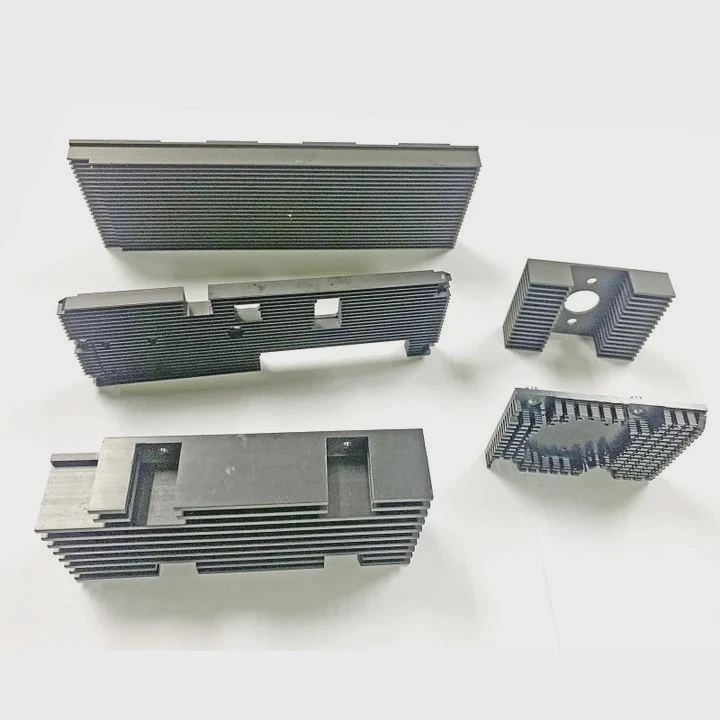
Choosing a brand depends on the application. Consumer electronics and industrial systems have different needs.
Popular Brands Overview
1. Arctic
Known for good balance between cost and performance.
2. Noctua
Stable and reliable. Easy to apply.
3. Thermal Grizzly
High-end performance. Used in overclocking.
4. Dow (Industrial)
Used in industrial and automotive applications.
Brand Comparison Table
| Brand | Performance Level | Target Use | Key Advantage |
|---|---|---|---|
| Arctic | Medium | General use | Cost-effective |
| Noctua | Medium-High | PC cooling | Stability |
| Thermal Grizzly | High | High-performance CPU | Excellent conductivity |
| Dow | Industrial Grade | Automotive, power | Reliability |
Real Selection Strategy
For consumer electronics, ease of use is important. For industrial systems, reliability and certification matter more.
In one project with a rail transit system, industrial-grade paste was required. The system had vibration and high temperature. Consumer paste failed quickly. Industrial paste worked for years without issues.
Final Insight
Brand matters, but matching the paste to the application matters more. Always check technical data sheets. Look at thermal conductivity, lifespan, and test data.
Conclusion
Thermal paste plays a critical role in heat transfer. The right choice improves cooling, stability, and lifespan. Always match paste type with system needs and apply it correctly.