Best Heat Sink Compound?
- Yongxing
- 27 Apr ,2026
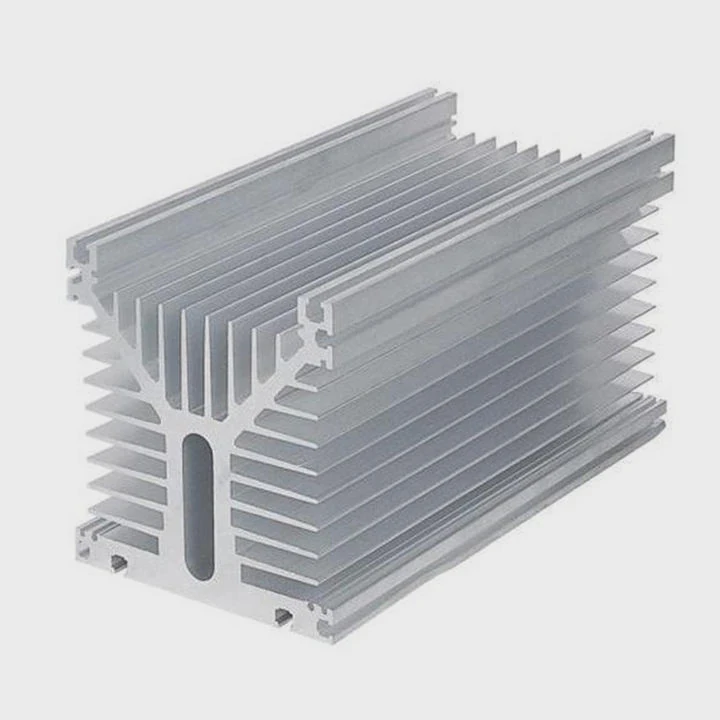
Poor thermal contact can quietly damage performance. Heat builds up, fans work harder, and parts age faster when the wrong compound is used.
The best heat sink compound fills tiny air gaps between surfaces, lowers thermal resistance, and helps move heat into the heat sink faster. The right choice depends on temperature, material, pressure, lifespan, and service needs.
Many buyers only compare price or one lab number. Real results depend on surface finish, mounting force, operating cycles, and long-term stability. That is why smart selection matters more than marketing claims.
How to Choose the Best Heat Sink Compound?
Small mistakes in thermal interface choice can create big heat problems. A strong heat sink still fails when contact between surfaces is poor.
Choose the best heat sink compound by matching thermal conductivity, viscosity, temperature range, pump-out resistance, electrical safety, and service life to the real working condition. Test samples under load before mass use.
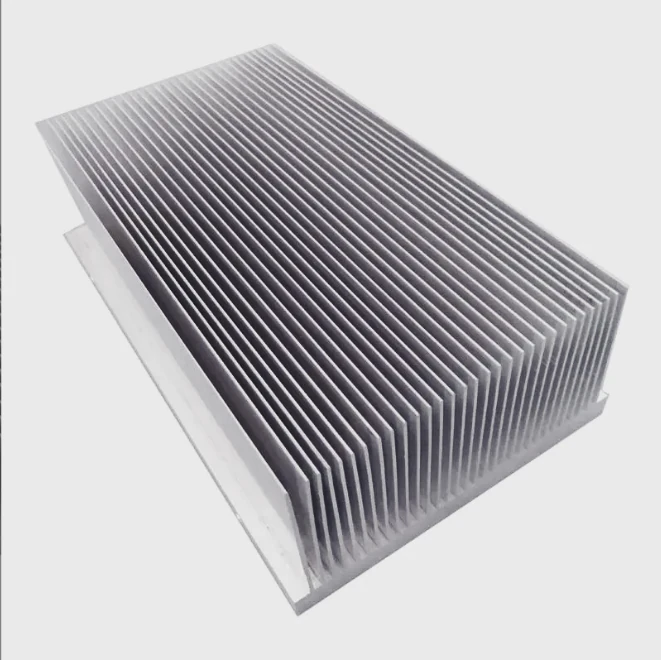
Selecting compound should never start with one number on a datasheet. Many people focus only on thermal conductivity. That value matters, but it is only one part of the story. A paste with a high number may still fail if it dries out, separates, or moves away from the contact area after thermal cycling.
Key Factors to Review
| Factor | Why It Matters | What to Check |
|---|---|---|
| Thermal Conductivity | Faster heat flow | W/m·K rating and test method |
| Viscosity | Easy spread and gap fill | Manual or automated dispensing |
| Temperature Range | Stability in service | Low and high limits |
| Electrical Conductivity | Safety around circuits | Non-conductive preferred in many uses |
| Aging Resistance | Long life | Dry-out and bleed resistance |
Surface Condition Matters
Even polished metal looks smooth only to the eye. Under magnification, it has peaks and valleys. Compound fills those spaces. Rougher surfaces may need a thicker or softer material. Flat machined surfaces may need only a thin layer.
Pressure Changes Results
Mounting pressure strongly affects performance. More pressure often creates a thinner bond line and better contact. Still, too much force can bend boards, crack chips, or squeeze out excess paste.
Consider Production Reality
In many factories, application speed matters as much as lab numbers. A compound that performs well but is messy, stringy, or slow to dispense can hurt output. Reliable repeatability often wins over a small thermal gain.
Shortlist by Use Case
Consumer Electronics
Need low cost, easy automation, safe electrical properties, and medium life.
Industrial Power Devices
Need high temperature stability, long life, vibration resistance.
Server and Data Systems
Need stable long-term performance and clean rework process.
EV and Energy Systems
Need cycling resistance and dependable operation over years.
Best Buying Process
- Define max junction temperature.
- Measure surface flatness and gap.
- Choose 2–3 candidate compounds.
- Run thermal and aging tests.
- Check assembly speed.
- Approve the most balanced option.
A careful selection process saves more money than buying the cheapest tube. Good compound protects the whole system.
Why Does Compound Improve Heat Transfer?
Many systems use a strong metal heat sink but still run hot. The hidden issue is often trapped air between mating surfaces.
Compound improves heat transfer because it replaces insulating air gaps with a material that conducts heat better, creating a more continuous path from the hot device to the heat sink.
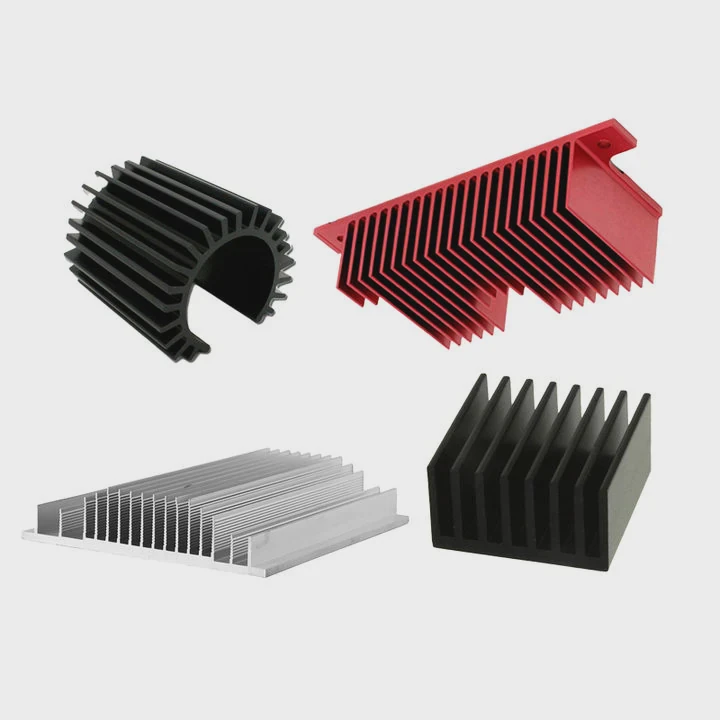
Metal-to-metal contact sounds perfect in theory, but real surfaces are never perfectly flat. Two solid parts touch only at small high spots. Between those spots are empty spaces filled with air. Air is a poor conductor of heat, so it acts like a barrier.
The Real Problem: Microscopic Gaps
When a processor, transistor, or power module meets a heat sink, only a small part of the visible area truly touches. The rest contains voids. Heat must jump across those gaps. That slows transfer and raises temperature.
Compound solves this by flowing into tiny spaces. It removes air pockets and increases effective contact area.
Simple Heat Path
| Interface Condition | Heat Flow Result |
|---|---|
| Dry contact with air gaps | Slow and uneven |
| Thin compound layer | Faster and stable |
| Too much compound | Added resistance |
| Poorly spread compound | Hot spots |
Why Thin Layers Work Best
Compound is usually less conductive than aluminum or copper. That means it should fill gaps, not create a thick blanket. The best layer is thin enough to avoid extra resistance, but thick enough to cover voids.
Thermal Cycling Effect
Systems heat up and cool down many times. Metal expands and contracts. That movement can create new gaps over time. Good compounds stay in place and keep filling those spaces.
Real Example
A power supply module once showed unstable temperatures during peak load. The heat sink design looked fine. After opening the unit, the paste had dried and cracked. Fresh compound reduced operating temperature and stabilized output. The heat sink was not the issue. The interface was.
Why Better Transfer Matters
- Lower chip temperature
- Longer component life
- Lower fan noise
- Higher stable power output
- Better reliability in hot climates
Many cooling problems begin in a layer thinner than paper. That small interface controls the whole thermal path.
Where Should Compound Be Applied?
Some users apply too little paste. Others cover every metal part. Both mistakes reduce cooling and create waste.
Compound should be applied only at the contact interface between the heat source and the heat sink, using a thin and even layer that covers the active heat area.
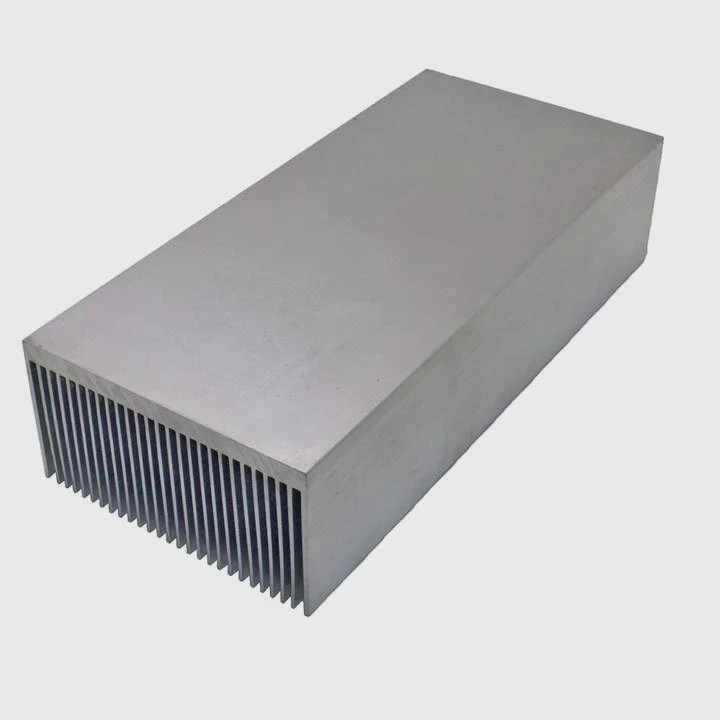
The correct location is where heat leaves the component package and enters the cooler. Common examples include CPU tops, GPU lids, power transistor bases, LED modules, and power semiconductor substrates.
Correct Contact Zones
| Device Type | Apply Compound Here |
|---|---|
| CPU / GPU | Integrated heat spreader top surface |
| MOSFET / IGBT | Base plate or mounting face |
| LED Module | Back thermal pad area |
| Power Module | Metal base to cold plate |
| Sensor Housing | Only designed thermal contact face |
How Much Should Be Used?
The goal is full coverage with minimum thickness. Excess material can squeeze out, attract dust, or reach nearby parts. Too little leaves dry spots.
Common Application Methods
Center Dot
Good for CPUs with mounting pressure that spreads paste outward.
Thin Line
Useful for rectangular dies or elongated chips.
Spread Method
Useful when surface coverage must be visually confirmed.
Stencil or Automated Dispense
Best for volume production and repeatability.
Areas to Avoid
Do not apply compound:
- On connectors
- On exposed contacts
- On fan blades
- On random board areas
- Between parts with no thermal design contact
If the material is electrically conductive, accidental spread can damage circuits. Even non-conductive types can create contamination problems.
Preparation Before Use
Clean old paste, oil, and dust first. Use lint-free wipes and approved cleaner. A dirty surface blocks contact and weakens adhesion.
Mounting Matters Too
After applying compound, mount the heat sink evenly. Tighten screws in a cross pattern when possible. Uneven force can trap air or create thick edges.
Rework Rule
If the heat sink is removed after compression, replace the compound before reassembly. Reusing disturbed paste often creates voids.
Correct placement is simple: only where heat crosses the interface, and only in the amount needed.
Which Compounds Provide Best Performance?
Many buyers ask for the single best product. In truth, the best compound depends on goals: peak performance, long life, low cost, or clean production.
Top-performing compounds usually include metal-filled pastes, ceramic-based pastes, phase-change materials, and advanced liquid metal options. Each leads in different operating conditions.
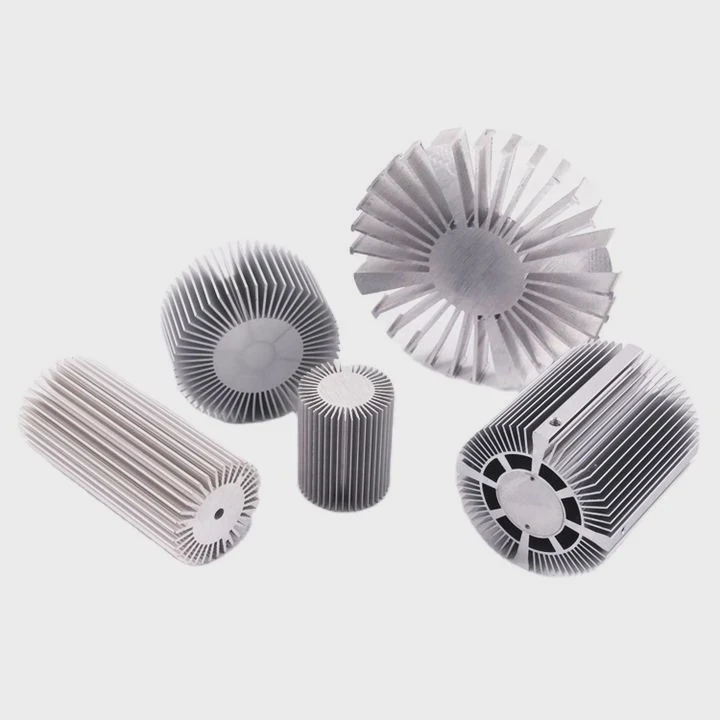
No universal winner exists. A data center server and an outdoor inverter may need very different solutions. Performance must include stability over time, not only first-day temperature.
Main Compound Types
| Type | Strength | Limits | Best Use |
|---|---|---|---|
| Silicone Grease | Low cost, easy use | Can pump out over time | General electronics |
| Ceramic Paste | Safe, stable | Mid thermal level | CPUs, industrial |
| Metal-Filled Paste | Strong transfer | May be conductive | High power devices |
| Phase Change Material | Clean assembly | Needs heat cycle activation | OEM mass production |
| Liquid Metal | Extreme performance | Conductive, corrosion risk | Expert high-end systems |
Metal-Filled Pastes
These often use silver or other conductive fillers. They can offer strong heat transfer. Still, users must control spill risk and compatibility.
Ceramic Compounds
These are popular because they are usually electrically safe and stable. They often give balanced performance with easier handling.
Phase Change Materials
These materials soften when warm and conform to surfaces. Many OEM lines prefer them because application can be cleaner than grease.
Liquid Metal
This option can deliver excellent temperatures in special systems. It needs skill. It can short electronics and react with aluminum. It is not the safe default choice.
How to Judge Real Performance
Do not trust one benchmark. Ask:
- What was the mounting pressure?
- What surface finish was used?
- Was temperature tested after aging?
- Was pump-out checked after cycles?
- Was the layer thickness controlled?
Best Choice by Scenario
Office PC or Standard Electronics
Ceramic or quality silicone paste.
Gaming or High Load Desktop
Premium ceramic or metal-filled paste.
Industrial Long-Life Unit
Stable non-bleeding industrial-grade compound.
Mass OEM Assembly
Phase change sheet or automated dispense paste.
Expert Overclocking Lab
Liquid metal with strict precautions.
The best compound is the one that stays effective after months and years, not only on day one. Real thermal management rewards consistency.
Conclusion
The best heat sink compound is chosen by fit, not hype. Match the material to surface condition, load, lifespan, and process control. A thin, correct, stable interface often matters more than a larger heat sink.