Which Payment Methods Work for Heat Sink Orders?
- Yongxing
- 12 Jun ,2026
Buying custom heat sinks can feel risky when large payments are involved. Many buyers worry about payment safety, hidden costs, and supplier reliability.
Most heat sink suppliers accept several payment methods, including bank transfers, online payments, letters of credit, and staged payments. The best choice depends on order value, project risk, production lead time, and the trust level between buyer and supplier.
Payment terms often affect project speed, cash flow, and supplier relationships. Understanding the available options helps buyers reduce risk and avoid costly mistakes during procurement.
Do Suppliers Accept Online Payment?
Many buyers hesitate before placing an order because they are unsure whether online payment methods are accepted. This concern becomes even more important when working with overseas suppliers for the first time.
Yes, many heat sink suppliers accept online payment methods. Common options include PayPal, credit cards, Alibaba Trade Assurance, and other digital payment platforms. These methods are often used for samples, small orders, and first-time transactions.
Online payment has become common in international manufacturing. In my experience, buyers usually prefer online payment when they need prototypes, sample testing, or small production runs. These methods are fast and easy to use. They also provide some level of transaction protection.
Common Online Payment Methods
| Payment Method | Best For | Typical Speed |
|---|---|---|
| PayPal | Samples and small orders | Instant |
| Credit Card | Trial purchases | Instant |
| Alibaba Trade Assurance | New supplier relationships | Fast |
| Online Bank Payment | Medium-sized orders | 1–3 days |
Each method has strengths and weaknesses. PayPal offers buyer protection but often comes with higher fees. Credit cards are convenient but may have transaction limits. Trade Assurance platforms add an extra layer of protection because payment release is linked to order completion.
Why Suppliers Accept Online Payments
Many manufacturers accept online payments because they help speed up the sales process. A supplier can receive payment confirmation quickly and begin engineering work, material purchasing, or sample production without delay.
Online payments are especially useful in these situations:
- Prototype development
- Small batch production
- Urgent replacement parts
- First-time business relationships
- Low-risk purchases
For larger custom heat sink projects, suppliers may still request traditional bank transfers because transaction fees are lower and payment limits are higher.
Things Buyers Should Check
Before making any online payment, I always recommend checking several details:
- Company registration information
- Business email domain
- Production capability
- Technical communication quality
- Payment account consistency
If the supplier asks for payment to a personal account instead of a company account, that should raise questions immediately.
Online payments offer convenience, but they should never replace proper supplier verification. A secure transaction starts with confirming that the manufacturer is legitimate and capable of producing the required heat sink design.
Can Letters of Credit Be Used?
Large heat sink projects often involve significant budgets. Buyers may worry about sending large amounts of money before receiving products. This concern is common in industries such as rail transportation, energy storage, telecommunications, and medical equipment.
Yes, letters of credit can be used for heat sink orders. They are widely accepted for large international transactions because they provide payment security for both buyers and suppliers through banking institutions.
Letters of credit, often called L/Cs, remain one of the most trusted payment methods in global trade. They are particularly useful when both parties are working together for the first time or when order values are high.
How a Letter of Credit Works
The process is straightforward:
- Buyer and supplier sign a contract.
- Buyer requests a letter of credit from their bank.
- The bank guarantees payment if agreed documents are provided.
- Supplier manufactures and ships the goods.
- Supplier submits shipping documents.
- Bank releases payment according to the agreed terms.
The key advantage is that the bank acts as an intermediary.
Benefits for Buyers
A letter of credit reduces financial risk because payment is linked to documentation requirements.
Buyers often gain:
- Better control over payment timing
- Reduced risk of non-delivery
- Increased confidence when working with new suppliers
- Protection for large-value purchases
For custom heat sinks, buyers may require documents such as:
- Commercial invoice
- Packing list
- Bill of lading
- Quality inspection report
- Certificate of origin
Benefits for Suppliers
Manufacturers also benefit from letters of credit.
Once the L/C is issued correctly, the supplier gains confidence that payment will be available after shipment. This allows production planning and material procurement to move forward with less uncertainty.
Potential Challenges
Although letters of credit provide strong protection, they also create additional administrative work.
| Advantage | Challenge |
|---|---|
| High transaction security | More paperwork |
| Bank-backed payment | Higher banking fees |
| Suitable for large orders | Longer processing time |
| Useful for new partnerships | Strict document requirements |
Document errors can cause delays. Even a small mismatch between documents and L/C terms may create problems during payment release.
For this reason, experienced suppliers usually have export teams that carefully review every requirement before shipment. Buyers should also ensure their banks understand the technical nature of custom manufacturing projects.
Letters of credit are not always necessary for small heat sink orders. However, for large contracts involving custom tooling, complex thermal modules, or long production schedules, they remain one of the safest payment solutions available.
Are Installment Payments Available?
Many custom heat sink projects require engineering work, tooling investment, thermal simulation, testing, and production setup. Because of these costs, buyers often ask whether they can spread payments over multiple stages.
Yes, installment payments are commonly available for custom heat sink projects. Many suppliers use milestone-based payment schedules that divide payments into deposit, production, and final balance stages.
Installment payments help balance risk between buyers and suppliers. Instead of requiring full payment upfront, both sides share responsibility throughout the project.
Typical Payment Structures
A common arrangement might look like this:
- 30% deposit before production
- 40% during manufacturing
- 30% before shipment
Another structure could be:
- Tooling payment
- Sample approval payment
- Mass production payment
- Final shipment payment
The exact schedule depends on project complexity and order value.
Why Suppliers Request Deposits
Heat sink manufacturing often requires immediate expenses.
These expenses may include:
- Raw aluminum procurement
- Copper material purchasing
- CNC machining preparation
- Extrusion tooling
- Vapor chamber fabrication
- Thermal testing
A deposit helps cover these early-stage costs.
Without a deposit, suppliers would absorb all financial risk while production is underway. This is usually not practical, especially for highly customized products.
Advantages for Buyers
Installment plans can improve cash flow management.
Instead of paying a large amount at once, buyers can align payments with project milestones. This approach allows internal teams to verify progress before releasing additional funds.
Some buyers also use installment schedules to match their own customer payment cycles.
Factors That Influence Installment Availability
Several factors affect whether a supplier offers staged payments:
Order Value
Large projects are more likely to qualify for flexible payment terms.
Business Relationship
Long-term customers often receive better payment conditions than new buyers.
Product Customization
Highly customized heat sinks usually require larger deposits because suppliers face higher manufacturing risk.
Credit History
Reliable payment records can help buyers negotiate favorable terms.
Practical Example
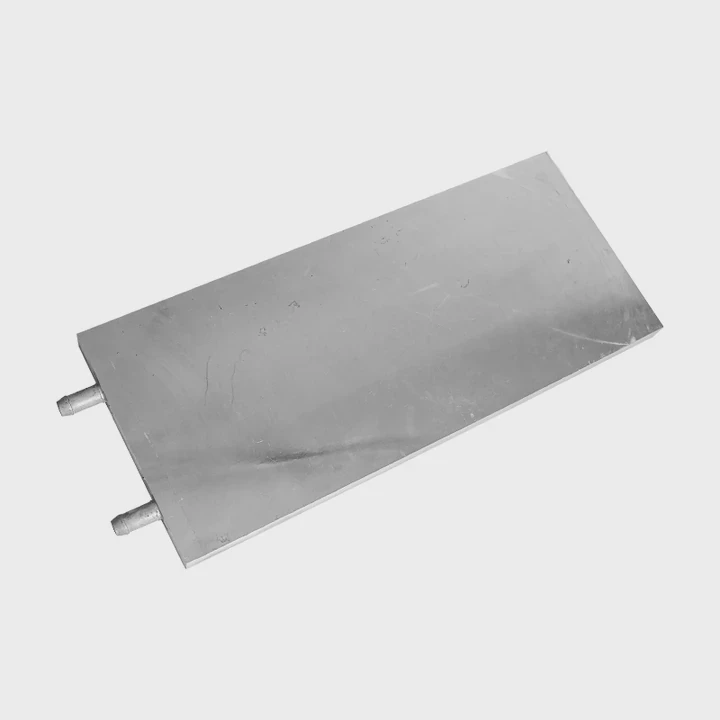
A buyer orders a custom liquid cooling plate for an energy storage project.
The payment schedule may look like this:
| Project Stage | Payment Percentage |
|---|---|
| Design Approval | 20% |
| Prototype Production | 30% |
| Mass Production Start | 30% |
| Before Shipment | 20% |
This structure gives both sides confidence throughout the project.
Installment payments are often a sign of a mature supplier relationship. They demonstrate cooperation and trust while helping both parties manage financial exposure during long manufacturing cycles.
How to Ensure Secure Payment for Heat Sinks?
Payment security remains one of the biggest concerns in international procurement. Even experienced buyers can feel uncertain when transferring funds to a supplier located thousands of miles away.
The best way to ensure secure payment for heat sink orders is to verify the supplier, use traceable payment methods, confirm company banking details, and link payments to documented project milestones.
Payment security is not based on a single action. It comes from a complete process that reduces risk before money is transferred.
Verify the Supplier First
Before discussing payment methods, I always focus on supplier verification.
Key checks include:
- Business license validation
- Manufacturing capability review
- Factory audit reports
- Product certifications
- Customer references
- Technical communication quality
A supplier that answers technical questions clearly is often easier to trust than one that only focuses on pricing.
Confirm Banking Information
Fraud frequently occurs through fake bank account changes.
Whenever banking details change, buyers should:
- Request written confirmation.
- Verify through a video call.
- Contact known company representatives.
- Confirm the change through multiple channels.
Never rely solely on email instructions.
Use Traceable Payment Methods
Traceability is critical.
Safer methods generally include:
- Bank wire transfers to company accounts
- Letters of credit
- Trade assurance platforms
- Corporate credit cards
Avoid payments to personal accounts whenever possible.
Link Payments to Milestones
Large projects should use milestone-based payment structures.
Examples include:
- Design approval
- Prototype acceptance
- Thermal test completion
- Production completion
- Shipment release
This approach ensures progress is visible before additional funds are released.
Request Documentation
Professional suppliers should provide clear records throughout the project.
Important documents may include:
- Quotations
- Contracts
- Technical drawings
- Inspection reports
- Production photos
- Shipment documents
Good documentation creates transparency and reduces misunderstandings.
Conduct Risk Assessment
Not every order carries the same risk.
A small sample order may only require an online payment. A large thermal management system project may justify factory audits, letters of credit, and third-party inspections.
The payment strategy should match the level of risk involved.
Build Long-Term Relationships
The strongest payment protection often comes from trust built over time.
As business relationships develop, communication improves. Project visibility increases. Both parties gain confidence in each other’s processes.
Many successful procurement partnerships start with small trial orders. Over time, those relationships grow into larger contracts with more flexible payment terms and streamlined procedures.
Secure payment is not simply about choosing the right method. It is about combining supplier verification, proper documentation, traceable transactions, and clear project management into one reliable process.
Conclusion
Heat sink suppliers typically support multiple payment methods, including online payments, letters of credit, bank transfers, and installment plans. The safest choice depends on project size, supplier relationship, and risk level. Careful verification and clear payment procedures help create secure and successful international purchasing experiences.