What Is the Sample Request Process for Heat Sinks?
- Yongxing
- 08 Jun ,2026
Many buyers need heat sink samples before placing a large order. Yet many projects face delays because the sample request process is not clear from the start.
The heat sink sample request process usually includes submitting technical requirements, reviewing design details, confirming sample costs, approving drawings, manufacturing prototypes, and evaluating performance before mass production. A clear process reduces risk, saves time, and improves project success.
A heat sink sample is often the first step in building trust between a buyer and a supplier. It allows both sides to verify thermal performance, manufacturing capability, dimensional accuracy, and product quality. Understanding each stage helps avoid unnecessary delays and costly revisions later.
How to Submit a Heat Sink Sample Request?
Many engineering teams struggle when suppliers ask for more information after receiving an inquiry. Missing details often lead to repeated communication and longer development cycles.
The best way to submit a heat sink sample request is to provide complete technical information, including drawings, thermal requirements, dimensions, materials, application environment, and expected quantities. Complete data helps suppliers evaluate feasibility and prepare samples faster.
A successful sample request starts with preparation. Many buyers focus only on dimensions. However, a heat sink is a thermal management component. Performance requirements are just as important as physical size.
Key Information to Prepare
Before sending a request, gather the following information:
| Item | Description |
|---|---|
| Product Drawings | 2D drawings or 3D CAD files |
| Heat Load | Total power to dissipate |
| Material Preference | Aluminum, copper, vapor chamber, etc. |
| Operating Environment | Indoor, outdoor, dusty, humid, vibration |
| Target Temperature | Maximum allowable temperature |
| Mounting Method | Screws, clips, welding, adhesive |
| Quantity Forecast | Sample, pilot run, mass production |
When receiving complete information, suppliers can quickly determine whether extrusion, CNC machining, skiving, vacuum brazing, friction stir welding, or liquid cooling technology is the best solution.
Why Thermal Requirements Matter
A heat sink that fits mechanically may still fail thermally.
For example, a customer may provide only external dimensions. The supplier can manufacture the sample correctly. Yet if the device generates more heat than expected, the heat sink may not achieve the required thermal resistance.
Many experienced buyers provide:
- Power dissipation data
- Ambient temperature
- Airflow conditions
- Target junction temperature
- Reliability requirements
These parameters allow thermal simulation before manufacturing.
Drawing Review Stage
After receiving the request, suppliers usually perform a technical review.
The engineering team checks:
- Manufacturability
- Material suitability
- Fin geometry
- Weight limitations
- Cost targets
- Production feasibility
Sometimes modifications are suggested to improve performance or reduce cost.
A small change in fin spacing can improve airflow significantly. A different manufacturing process can also reduce lead time.
Clear communication during this stage often determines the success of the entire project.
Do Suppliers Charge for Samples?
Many buyers are uncertain whether sample requests are free. This uncertainty can create budgeting issues during project planning.
Most heat sink suppliers charge for custom samples because prototype production requires engineering work, tooling preparation, machine setup, material consumption, and quality inspections. Standard catalog products may sometimes be provided free or at reduced cost.
The answer depends largely on whether the heat sink is standard or custom.
Standard Heat Sink Samples
For standard products already in inventory, some suppliers offer:
- Free samples
- Discounted samples
- Freight-paid samples
- Samples credited back after production orders
These products already exist, so additional engineering costs are minimal.
Custom Heat Sink Samples
Custom projects are different.
A supplier often needs to invest resources before the first sample is produced.
Common costs include:
| Cost Category | Description |
|---|---|
| Engineering Design | Thermal and structural review |
| CAD Modification | Drawing optimization |
| Programming | CNC or machining setup |
| Raw Materials | Aluminum, copper, vapor chamber materials |
| Tooling | Fixtures or custom tooling |
| Testing | Thermal and dimensional inspection |
| Shipping | International delivery costs |
For complex thermal solutions such as vapor chamber heat sinks, liquid cold plates, or vacuum brazed assemblies, prototype costs can be substantial.
Why Sample Charges Are Reasonable
Some buyers view sample fees as an extra expense. In reality, these fees help ensure the final product meets expectations.
A sample phase allows:
- Design validation
- Thermal verification
- Assembly testing
- Reliability evaluation
- Risk reduction
The cost of a sample is usually much lower than the cost of correcting a failed design after mass production begins.
When Sample Costs Can Be Refunded
Many suppliers support long-term partnerships.
In some projects, sample costs may be:
- Partially refunded
- Fully refunded
- Deducted from future production orders
This often depends on:
- Annual volume
- Project potential
- Development complexity
- Customer relationship
Discussing sample policies early can prevent misunderstandings and improve cooperation.
Which Information Is Needed for Sample Approval?
Many sample projects fail not because the product is poor, but because approval criteria were never clearly defined.
Sample approval requires detailed technical specifications, dimensional requirements, thermal performance targets, material standards, inspection criteria, and testing methods. Clear approval standards ensure objective evaluation and faster project progress.
Approval is one of the most important stages in the product development cycle.
Without clear requirements, different teams may judge the same sample differently.
Mechanical Requirements
The first step is dimensional verification.
Engineering teams usually check:
- Length
- Width
- Height
- Flatness
- Hole positions
- Surface finish
- Tolerances
Any deviation outside specification can affect assembly performance.
Thermal Performance Requirements
Thermal testing often determines final approval.
Typical evaluation criteria include:
- Thermal resistance
- Temperature rise
- Maximum surface temperature
- Heat spreading capability
- Cooling efficiency
Many projects use thermal simulation before prototype production. The actual sample then validates simulation results.
Material Verification
Material selection affects both thermal performance and reliability.
Common verification items include:
- Aluminum alloy grade
- Copper purity
- Surface treatment
- Coating thickness
- Corrosion resistance
For high-reliability industries, material certifications are often mandatory.
Reliability Testing
Many industrial applications require reliability validation.
Examples include:
Thermal Cycling
Repeated heating and cooling tests evaluate long-term durability.
Vibration Testing
Railway, transportation, and industrial equipment often require vibration resistance verification.
Humidity Testing
Products operating outdoors or in harsh environments must withstand moisture exposure.
Salt Spray Testing
Marine and coastal applications frequently require corrosion testing.
Approval Documentation
Professional sample approval often includes:
- Inspection reports
- Material certificates
- Thermal test reports
- Dimensional reports
- Process documentation
These documents provide traceability and support future production consistency.
When approval criteria are defined before manufacturing begins, project teams can make faster and more confident decisions.
Can Lead Time Affect Sample Delivery?
Many project managers focus on manufacturing time alone. However, sample delivery involves several stages that can influence the final schedule.
Yes, lead time directly affects sample delivery. Engineering reviews, material procurement, tooling preparation, manufacturing complexity, testing requirements, and international shipping can all extend the overall timeline. Proper planning helps avoid project delays.
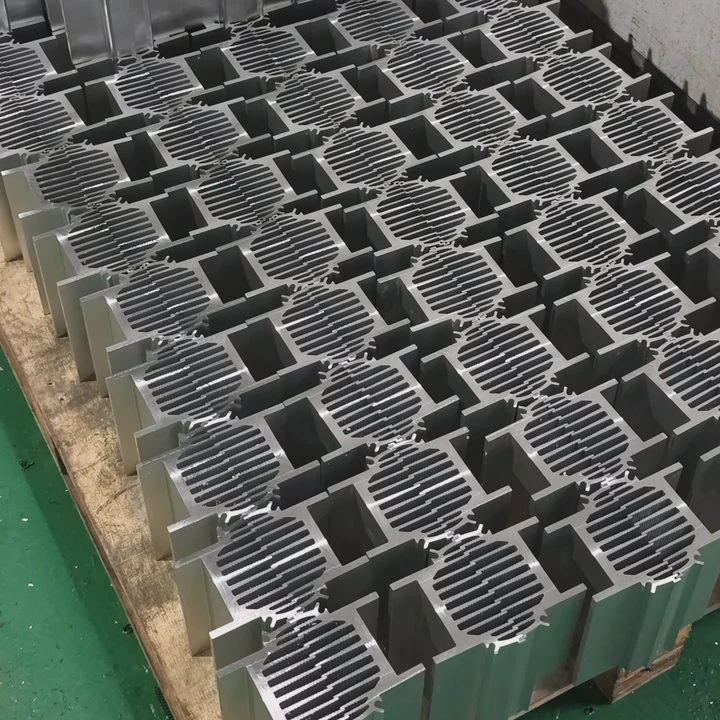
Lead time is one of the most important factors in new product development.
A delayed sample can postpone testing, certification, pilot production, and product launch schedules.
Major Factors Affecting Lead Time
Design Complexity
Simple extruded heat sinks can often be produced quickly.
More advanced products may require:
- Vapor chambers
- Heat pipes
- Vacuum brazing
- Friction stir welding
- Liquid cooling channels
Each additional process increases manufacturing time.
Material Availability
Raw materials are not always immediately available.
Special materials may require additional procurement time.
Examples include:
- High-purity copper
- Specialized aluminum alloys
- Custom vapor chamber components
- Surface treatment materials
Tooling Preparation
Some custom designs need dedicated tooling.
Tooling development may require:
- Design
- Machining
- Validation
- Adjustment
This process can add days or even weeks.
Typical Sample Lead Times
The following ranges are common for many projects:
| Product Type | Typical Sample Lead Time |
|---|---|
| Standard Extruded Heat Sink | 3–7 Days |
| CNC Machined Heat Sink | 7–15 Days |
| Custom Extrusion Heat Sink | 15–30 Days |
| Vapor Chamber Heat Sink | 15–25 Days |
| Liquid Cold Plate | 20–40 Days |
| Complex Thermal Assembly | 30–45 Days |
Actual timelines vary according to project requirements.
Testing and Approval Delays
Manufacturing is only one part of the schedule.
Additional time may be needed for:
- Thermal testing
- Reliability testing
- Customer evaluation
- Design modifications
- Second-round samples
A project that requires multiple iterations naturally takes longer than a straightforward design.
International Shipping Considerations
Global customers often overlook shipping time.
Delivery can be influenced by:
- Customs clearance
- Flight availability
- Seasonal shipping demand
- Regional regulations
Express shipping reduces transit time, but customs procedures can still affect schedules.
How to Reduce Lead Time
Several practices help accelerate sample delivery:
- Provide complete technical data initially.
- Approve drawings quickly.
- Define testing requirements early.
- Maintain direct engineering communication.
- Confirm shipping arrangements in advance.
These steps reduce unnecessary waiting and keep projects moving efficiently.
Conclusion
The heat sink sample request process involves technical submission, design review, sample manufacturing, testing, approval, and delivery. Clear specifications, defined approval criteria, and realistic lead time planning help buyers receive accurate samples faster and move smoothly toward successful mass production.