a heat sink is generally used with a transistor to?
- Yongxing
- 19 Mar ,2026
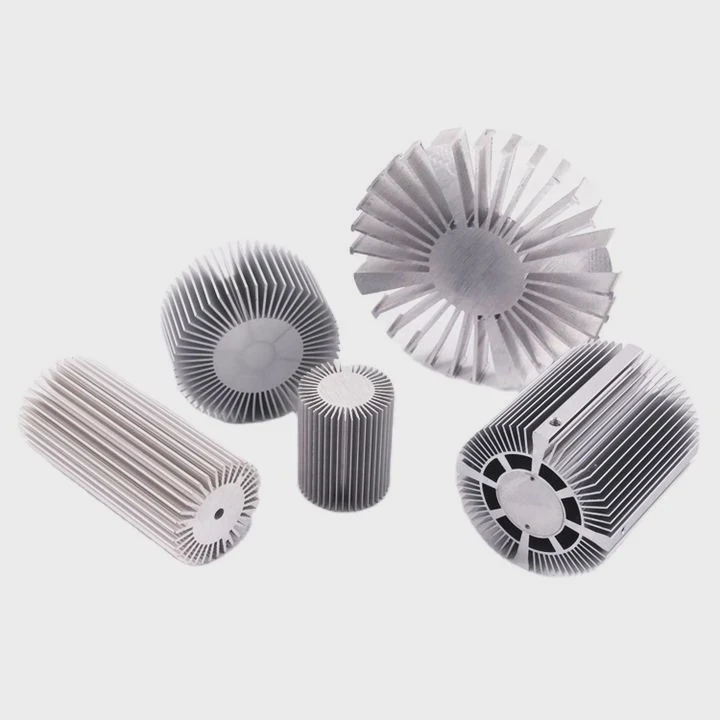
Electronic devices often fail quietly. Heat builds up, parts degrade, and performance drops before anyone notices. Many designers overlook thermal control until it is too late.
A heat sink is generally used with a transistor to dissipate excess heat, keep junction temperature safe, and ensure stable performance and long lifespan of the device.
This simple function hides complex physics. Understanding it helps engineers design reliable systems and avoid costly failures.
How does a heat sink cool power transistors?
Heat can silently destroy a transistor. Without control, temperature rises fast and causes failure or instability in circuits.
A heat sink cools power transistors by transferring heat away from the transistor junction to the surrounding air through conduction, convection, and sometimes radiation.
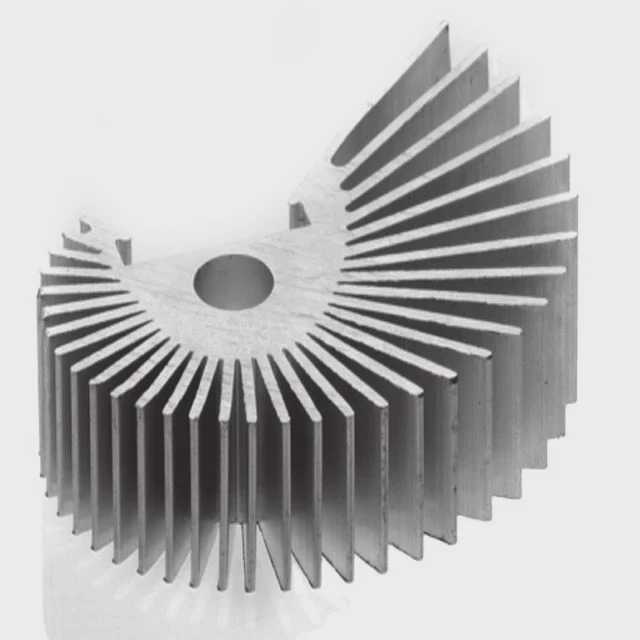
A transistor generates heat at its junction when current flows. This heat must move away quickly. A heat sink acts as a thermal bridge between the transistor and the air.
Heat Transfer Path
The cooling process follows a clear path:
| Stage | Description |
|---|---|
| Junction to Case | Heat moves inside the transistor package |
| Case to Heat Sink | Heat transfers through thermal interface material |
| Heat Sink to Air | Heat dissipates into surrounding air |
Each step adds thermal resistance. Lower resistance means better cooling.
Key Cooling Mechanisms
Conduction
Heat first flows from the transistor to the heat sink. This depends on material quality. Aluminum and copper are common because they conduct heat well.
Convection
Once heat reaches the heat sink, air removes it. Natural airflow works in simple systems. Forced airflow, like fans, improves efficiency.
Radiation
Some heat leaves as infrared radiation. This effect is small but still helps.
Why Heat Sink Design Matters
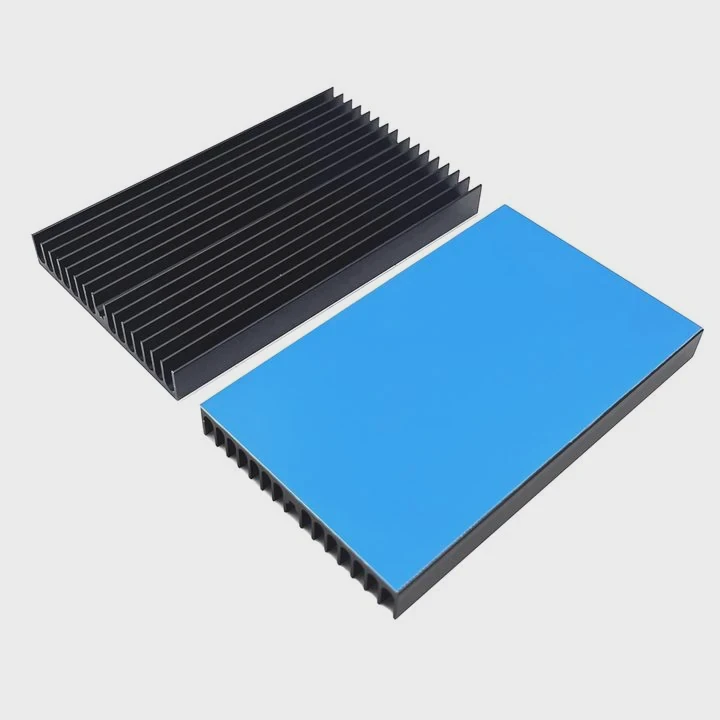
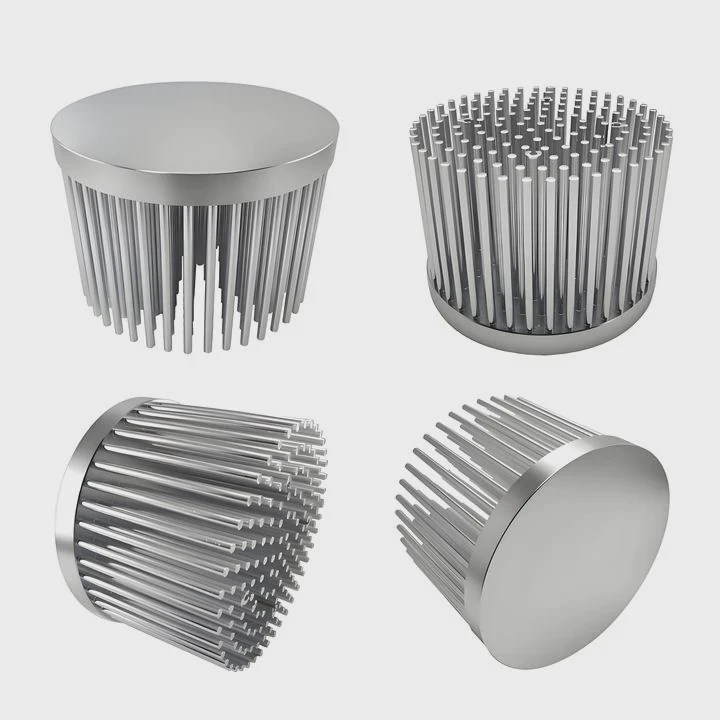
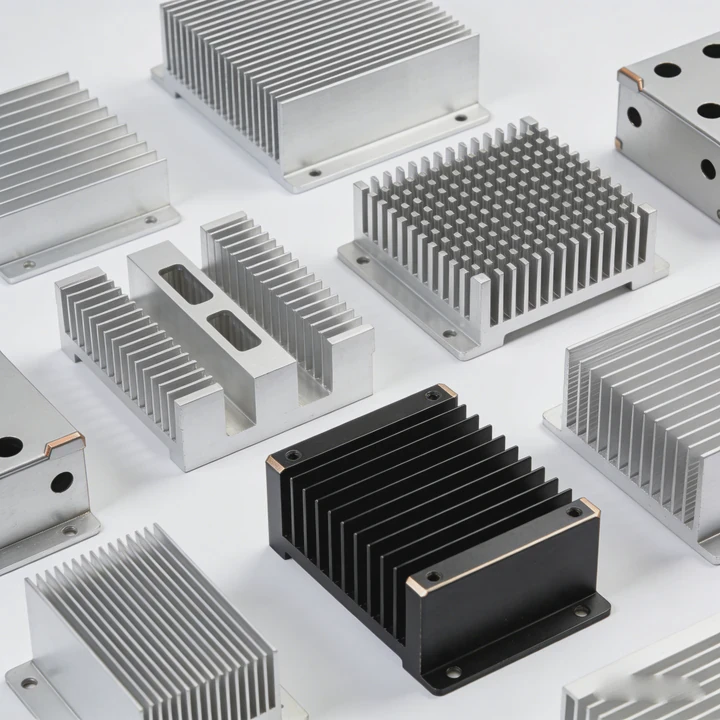
A flat metal plate is not enough. Fins increase surface area. More surface area means more contact with air.
A well-designed heat sink has:
- Thin, spaced fins
- High surface area
- Good airflow path
In real projects, poor heat sink design often causes hidden failures. Many engineers focus on electrical design first. Later, they realize thermal limits control everything.
Why do transistors produce excess heat?
Many beginners assume heat is a side effect. In reality, it is a direct result of how transistors work.
Transistors produce excess heat because electrical energy is partially converted into heat during switching and amplification due to internal resistance and power loss.
Whenever current flows through a transistor, power is lost. This loss appears as heat.
Basic Power Loss Formula
Power dissipation is simple:
| Parameter | Meaning |
|---|---|
| V | Voltage across transistor |
| I | Current through transistor |
| P = V × I | Power loss (heat) |
Higher voltage or current means more heat.
Types of Losses
Conduction Loss
This happens when the transistor is ON. Even then, it has resistance. That resistance creates heat.
Switching Loss
During switching, the transistor is not fully ON or OFF. This creates a short period of high power loss.
Leakage Loss
Small currents flow even when OFF. This also generates heat over time.
Real-World Example
In power electronics, such as motor drives or inverters, transistors handle high current. Even small inefficiencies create large heat.
A device running at:
- 10A current
- 10V drop
Produces:
- 100W heat
That is significant. Without cooling, failure is inevitable.
Why Heat is Dangerous
Excess heat causes:
- Reduced efficiency
- Parameter drift
- Material degradation
- Permanent damage
In many cases, failure is not sudden. Performance slowly degrades. This makes diagnosis difficult.
Where should a transistor heat sink be mounted?
Incorrect placement can reduce cooling efficiency. Even a good heat sink fails if mounted poorly.
A transistor heat sink should be mounted directly on the transistor case with proper thermal interface material and positioned to allow maximum airflow.
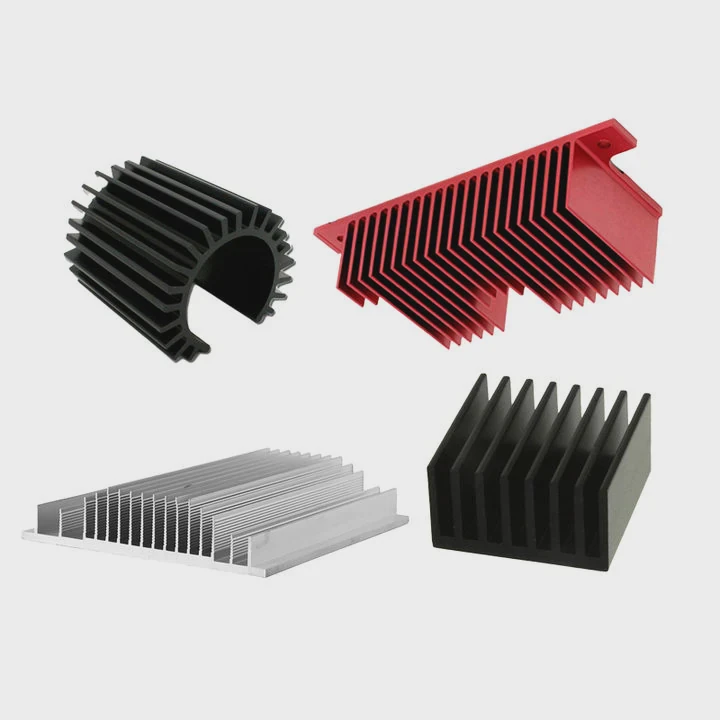
Mounting is not just mechanical. It is also thermal engineering.
Correct Mounting Position
The heat sink must:
- Contact the transistor firmly
- Cover the heat-generating area
- Avoid air gaps
Air is a poor conductor. Even a thin gap reduces performance.
Use of Thermal Interface Materials (TIM)
A thermal pad or paste fills microscopic gaps.
| Material Type | Advantage |
|---|---|
| Thermal Paste | High conductivity |
| Thermal Pad | Easy installation |
| Phase Change Material | Stable over time |
Without TIM, surface roughness traps air.
Orientation and Airflow
Placement affects airflow:
- Vertical fins improve natural convection
- Horizontal placement may trap heat
- Forced air systems require aligned airflow paths
Mechanical Considerations
Mounting pressure matters. Too loose means poor contact. Too tight can damage components.
Engineers often balance:
- Thermal performance
- Mechanical safety
- Assembly cost
Common Mistakes
- Using no thermal paste
- Blocking airflow with nearby components
- Placing heat sink in enclosed space
These mistakes reduce cooling efficiency even with high-quality materials.
Which circuits require transistor heat sinks?
Not every transistor needs a heat sink. The requirement depends on power level and operating conditions.
Circuits that handle high current, high voltage, or continuous power dissipation require transistor heat sinks to maintain safe operating temperatures.
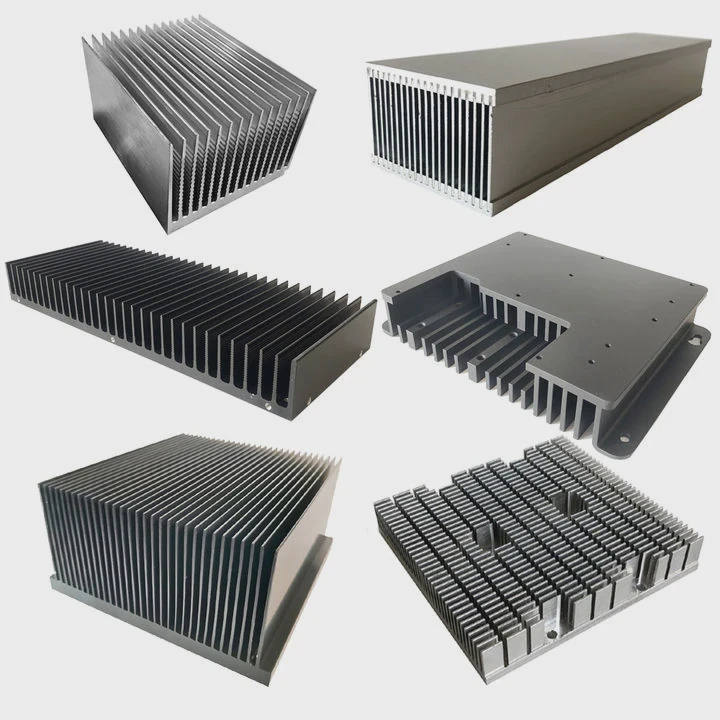
Understanding when to use a heat sink is key in design.
High-Power Circuits
These include:
- Power amplifiers
- Motor drivers
- Power supplies
Such circuits generate significant heat.
Switching Power Supplies
Even though switching improves efficiency, high frequency increases switching losses.
Linear Regulators
Linear regulators waste excess voltage as heat. This makes them heat-intensive.
LED Drivers
High-power LEDs require stable current. The transistor controlling them often heats up.
Comparison of Circuit Needs
| Circuit Type | Heat Sink Required | Reason |
|---|---|---|
| Low-power signal circuits | No | Minimal current |
| Microcontroller circuits | Rarely | Low power usage |
| Power amplifiers | Yes | High current |
| Motor control circuits | Yes | Continuous load |
| Linear regulators | Yes | Voltage drop loss |
Environmental Factors
Even low-power circuits may need heat sinks if:
- Ambient temperature is high
- Ventilation is poor
- Operation is continuous
Practical Insight
In many industrial projects, thermal design starts late. This leads to redesign costs. A better approach is to consider heat early.
Thermal simulation tools help predict behavior. However, real testing is still necessary.
Conclusion
A heat sink protects transistors by removing excess heat, ensuring stable operation, and extending lifespan. Good thermal design is not optional; it is essential for reliable electronic systems.