Do Heat Sink Transmission Coolers Work?
- Yongxing
- 19 Mar ,2026
Heat kills transmissions faster than most drivers expect. Many people wait for trouble, and then face burnt fluid, hard shifts, and costly repair bills.
Yes, heat sink transmission coolers work because they remove extra heat from transmission fluid, slow fluid breakdown, and help the transmission stay in a safer temperature range under load.
That simple answer matters, but the full picture is more useful. A cooler does not fix every transmission problem. It does not replace clean fluid, good design, or proper service. Still, when towing, climbing, hauling, or driving in hot weather, a transmission cooler can make a real difference in fluid life, shift quality, and long-term reliability.
How Does a Transmission Cooler Reduce Heat?
Heat builds inside an automatic transmission every time fluid moves, pressure rises, clutches engage, and gears transfer power. Under load, that heat can rise fast.
A transmission cooler reduces heat by sending hot transmission fluid through metal passages and fins, where heat moves into the air before the cooler fluid returns to the transmission.
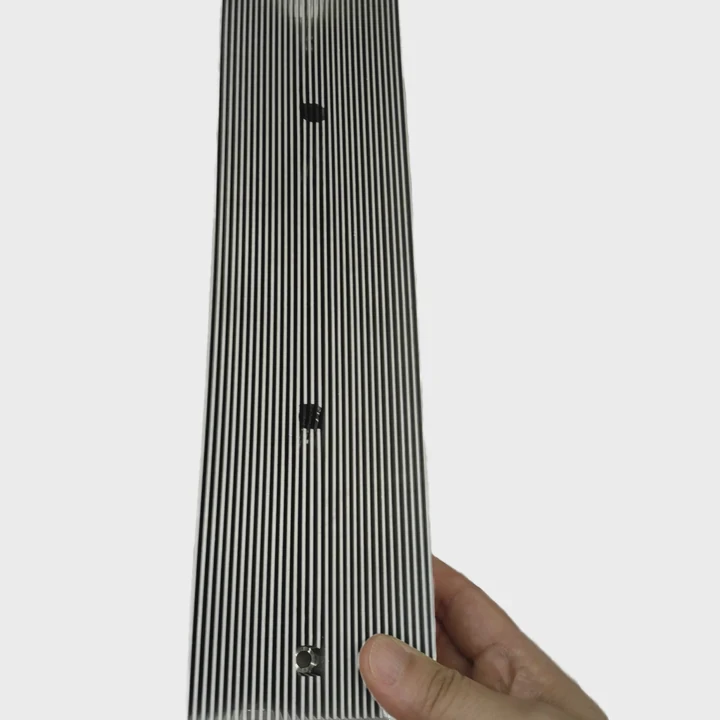
A transmission cooler works on a basic heat transfer rule. Hot fluid flows through the cooler. The cooler body, tubes, plates, or fins absorb that heat. Then outside air carries the heat away. This process sounds simple, but the result can be very important for vehicle life.
What actually happens inside the system?
The transmission pump moves automatic transmission fluid through the system. In many vehicles, the fluid first passes through a small heat exchanger inside the radiator tank. In some setups, it then goes through an external transmission cooler before going back to the transmission. In other setups, the external cooler handles a larger share of the cooling work.
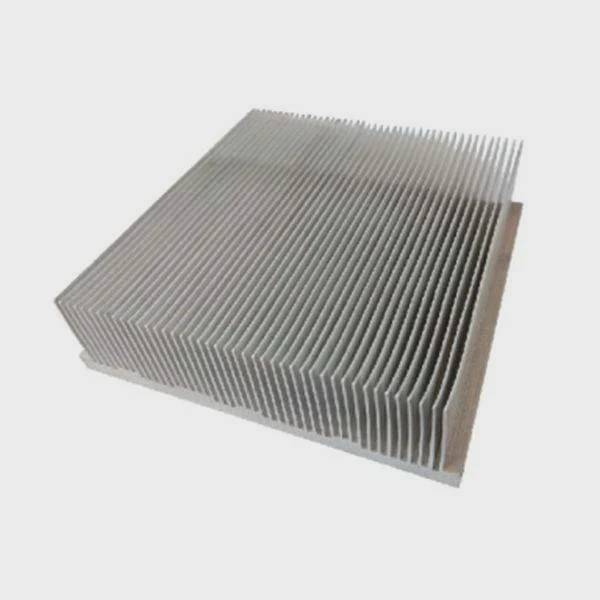
The key point is easy to understand. The cooler creates more metal surface area. More surface area gives heat more room to leave the fluid. When air moves across that surface, heat leaves faster.
Why does design matter?
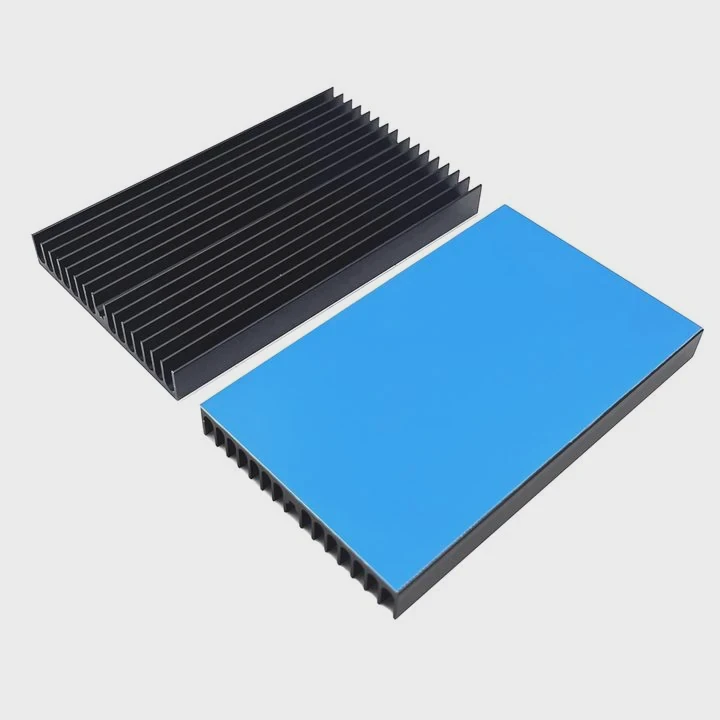
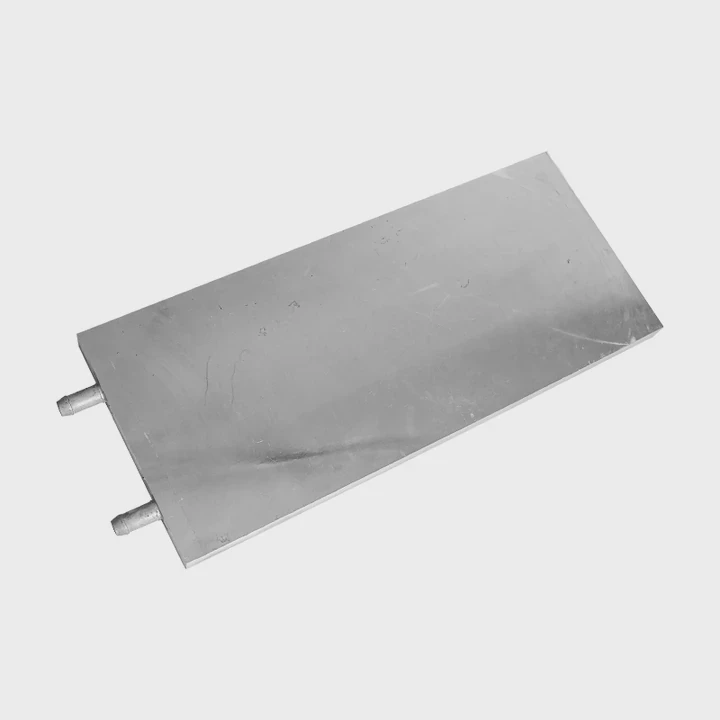
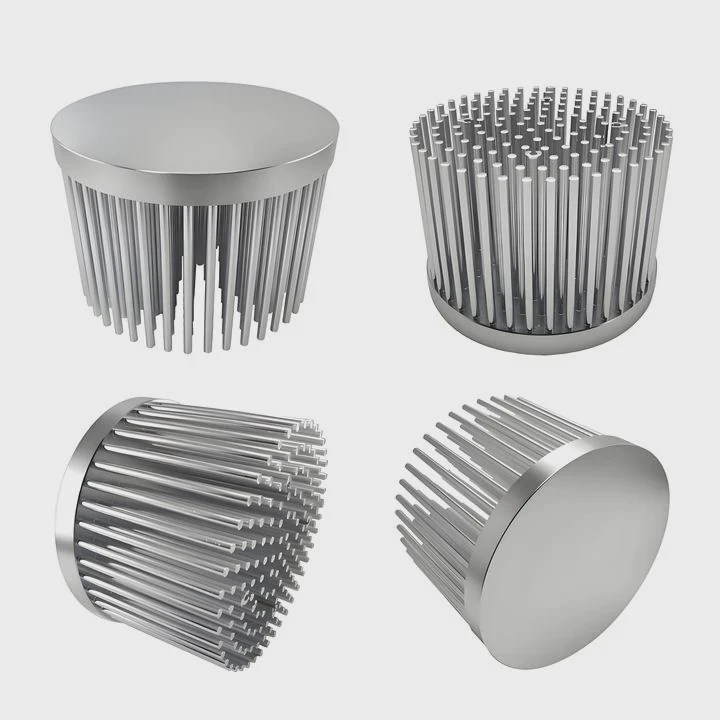
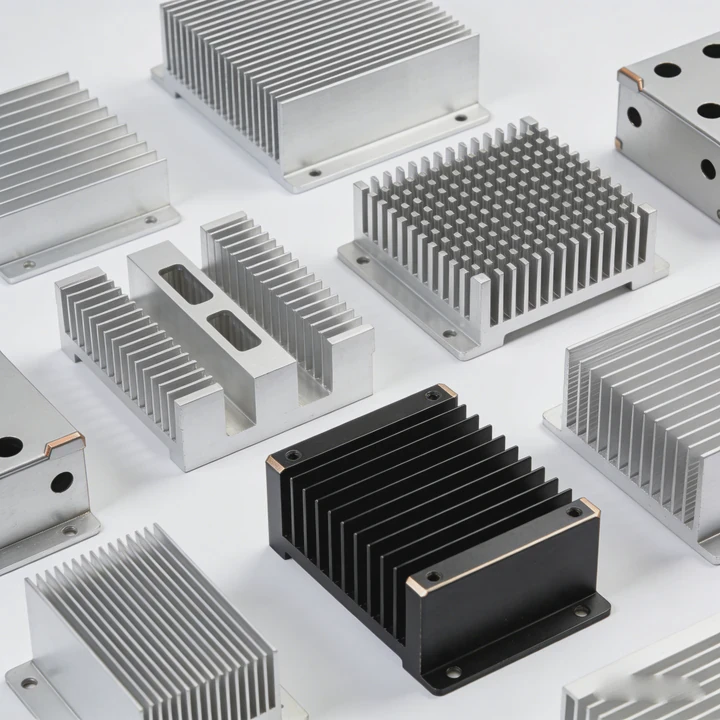
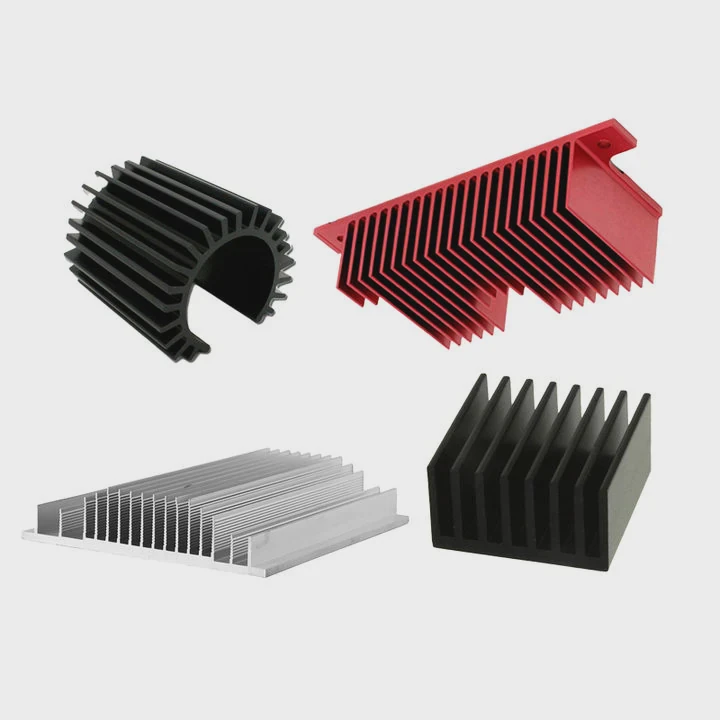
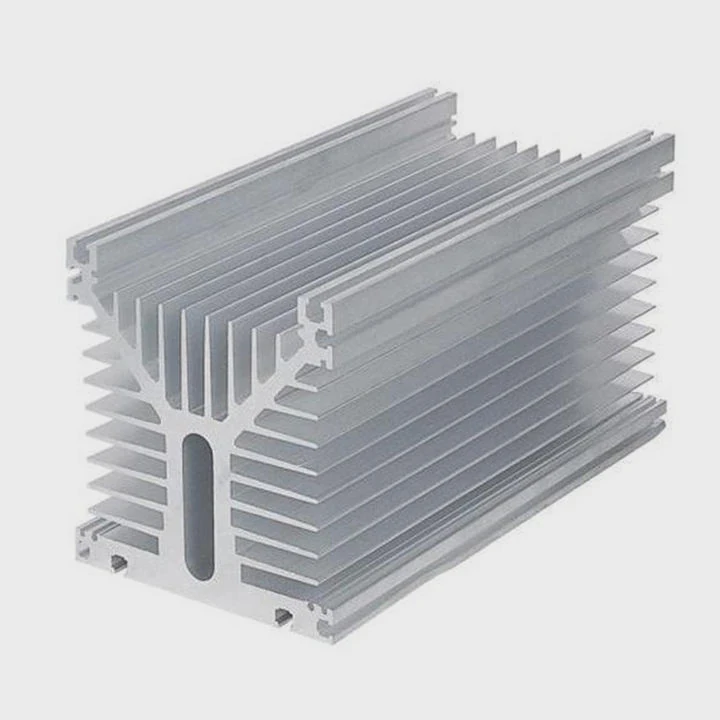
Not all transmission coolers are built the same way. Tube-and-fin models are simple and common. Plate-and-fin and stacked-plate designs are often more efficient because they pack more cooling surface into a compact space. A heat sink style design can also improve heat spread through the metal body, which helps move heat from hot spots into a wider area.
Here is a simple comparison:
| Cooler type | How it works | Main strength | Common use |
|---|---|---|---|
| Tube-and-fin | Fluid moves through tubes with fins outside | Low cost and simple layout | Light daily driving |
| Plate-and-fin | Fluid passes through flat passages | Better heat transfer | Mixed road use |
| Stacked-plate | Fluid flows through layered plates | Strong cooling in compact size | Towing, heavy load, performance |
What helps a cooler work better?
Airflow is a major factor. A cooler works best when fresh air moves across it. That is why external coolers are often placed near the front grille or in front of the radiator or AC condenser. Vehicle speed helps. Fan airflow also helps when the vehicle moves slowly.
Load matters too. A vehicle that tows a trailer, carries tools, climbs hills, or drives in stop-and-go traffic creates more transmission heat. In those cases, the cooler has more work to do, and the value of a good design becomes much easier to see.
A good cooler lowers peak temperature. It also slows the speed of heat rise. That second point is often missed. The cooler is not only fighting extreme heat. It is also helping the system stay more stable during long periods of stress.
Why Is Transmission Temperature Important?
Many transmission problems do not begin with broken hard parts. They begin with heat. Once fluid gets too hot, the whole system starts to lose safety margin.
Transmission temperature is important because high heat breaks down fluid, reduces lubrication, harms seals and clutch materials, and increases the risk of slipping, harsh shifting, and early transmission failure.
Transmission fluid does several jobs at once. It lubricates moving parts. It helps transfer hydraulic pressure. It carries heat away from internal parts. It also supports smooth clutch engagement. When temperature rises too far, fluid performance starts to fall.
What happens when temperature gets too high?
First, the fluid oxidizes faster. That means it ages more quickly. Old or overheated fluid can lose viscosity and protective quality. Then varnish and deposits may form inside passages and on parts. Once that happens, shift quality can change. The transmission may shift late, shift hard, or slip between gears.
Heat also affects seals and friction materials. Rubber seals can harden or wear faster. Clutch packs can glaze or burn. Those failures do not always appear in one day. In many cases, the damage builds over time. That is why drivers sometimes feel the transmission is “fine” until it suddenly is not.
Why does stable temperature matter more than people think?
A transmission can handle normal operating heat. The problem is repeated overload. Long hill climbs, summer traffic, towing, sand driving, and mountain roads can keep the fluid hot for too long. That long heat soak is often more harmful than one short burst.
I have found that many buyers focus only on horsepower and towing rating. They forget that heat control is what helps the transmission survive real-world use. A strong transmission with poor cooling can still suffer. A well-cooled transmission usually has a better chance of keeping good shift quality over time.
A simple view of temperature risk
The exact safe range depends on transmission design, fluid type, vehicle weight, and operating conditions. Still, this general guide helps explain why cooling matters:
| Fluid temperature range | General effect on transmission |
|---|---|
| Low to normal operating range | Fluid works as intended and parts stay better protected |
| Warm but controlled range | Usually acceptable under load if cooling recovers quickly |
| High range for long periods | Fluid ages faster and wear risk increases |
| Very high range | Strong risk of fluid damage, clutch wear, seal stress, and failure |
Why this matters for cost
Transmission repair is expensive. Downtime is also expensive, especially for work vehicles, fleet trucks, and service vans. A cooler is much cheaper than a rebuild. That does not mean every vehicle must have the biggest cooler possible. It means heat control is one of the smartest prevention steps when a vehicle works hard.
Temperature matters because it affects every layer of transmission life. It affects fluid. It affects friction parts. It affects seals. It affects shift feel. In the end, it affects whether the owner pays for maintenance now or for repair later.
Where Is a Transmission Cooler Installed?
Many drivers know they need cooler fluid, but they are not sure where the cooler actually goes. The answer depends on vehicle layout and cooling strategy.
A transmission cooler is usually installed in the front of the vehicle, where it gets direct airflow, often in front of or near the radiator and air-conditioning condenser.
The front of the vehicle is the most common installation area because that is where airflow is strongest. The cooler needs moving air to reject heat well. Without airflow, even a well-made cooler cannot perform at its best.
Common installation positions
In most vehicles, the cooler sits behind the grille and ahead of the main heat exchangers, or in a nearby front-end position that still gets strong air. Installers choose the exact spot based on available space, line routing, and airflow path.
A factory setup may include a cooler built into the radiator. That type uses engine coolant to help regulate transmission fluid temperature. An aftermarket or heavy-duty setup may add an external cooler in series. In that case, fluid may move from the transmission to the radiator cooler first, then to the external cooler, and then back to the transmission. Some systems use a different order based on the desired balance between warm-up and maximum cooling.
Why line routing matters
The cooler must connect to the transmission with proper fluid lines. These lines need correct diameter, secure fittings, and good protection from vibration, rubbing, and exhaust heat. A poor line route can cause leaks, pressure drop, or long-term wear.
Mounting also matters. The cooler should sit firmly, avoid contact with sharp edges, and allow enough airflow through the core. A blocked cooler is a weak cooler.
Main installation factors
Here is a practical summary:
| Installation factor | Why it matters | Good practice |
|---|---|---|
| Airflow | Heat leaves through moving air | Place cooler near grille airflow |
| Mounting stability | Prevents vibration damage | Use secure brackets or proper mounts |
| Hose routing | Protects fluid flow and safety | Keep lines short, clean, and away from heat |
| Cooler size | Affects heat rejection | Match size to load and vehicle use |
Can location affect performance?
Yes, very clearly. A cooler hidden behind blocked panels or crowded parts may not get enough air. A cooler placed too close to other hot components may lose efficiency. In tight engine bays, installers sometimes make trade-offs, but airflow should stay the top priority.
Another point is climate. In cold areas, some systems need to avoid overcooling during light use. That is one reason some designs still use the radiator as part of the system. The radiator can help fluid warm up faster after startup while the external cooler handles extra heat later.
Proper installation is not just about finding empty space. It is about finding useful space. The best location supports airflow, safe plumbing, easy service, and stable operation across different road and weather conditions.
Which Vehicles Benefit From Transmission Coolers?
Not every vehicle needs an extra transmission cooler. Still, many vehicles benefit from one, and the gain becomes clear when load and heat go up.
Vehicles that tow, haul, climb steep grades, run in hot weather, or stop and start often benefit most from transmission coolers because those conditions create extra transmission heat.
The first group is easy to identify. Pickup trucks, SUVs, vans, commercial vehicles, and off-road builds often need better transmission cooling. These vehicles spend more time under high load. Towing a camper, boat, machine trailer, or work equipment raises transmission heat quickly, especially on hills or in summer.
Vehicles that often benefit most
Heavy use is the main driver, not only vehicle type. A light-duty truck that never tows may not need much extra cooling. A midsize SUV that tows every weekend may need it badly. A city delivery van that stops every few blocks can also run hot because airflow stays low while the drivetrain keeps working hard.
Performance vehicles can benefit too. Fast acceleration, higher power, and track use add stress. Modified vehicles with larger tires, added weight, or gear changes can also build more heat than the original cooling system expected.
Daily use vs heavy-duty use
This is where many owners make the wrong call. They look at the badge on the vehicle, not the job the vehicle actually does. The real question is simple: how much heat does the transmission create in normal use?
A family crossover on flat roads in cool weather may do fine with stock cooling. The same vehicle pulling a trailer through mountain roads can move into a very different heat zone.
Quick vehicle-use guide
| Vehicle or use case | Cooler benefit level | Main reason |
|---|---|---|
| Passenger car, light commuting | Low to moderate | Usually lower load and lower heat |
| SUV or pickup with towing | High | Trailer weight raises fluid temperature |
| Delivery van or fleet vehicle | High | Frequent stops and long duty cycles |
| Off-road vehicle | High | Low speed, heavy load, poor airflow |
| Performance or modified vehicle | Moderate to high | Higher power and harder driving |
Signs that a cooler may be a smart upgrade
Owners should pay attention to real use patterns. A cooler is often worth considering when the vehicle shows hard shifts after towing, high transmission temperature warnings, dark or burnt-smelling fluid, or repeated use in hot and slow conditions. Even when there is no warning light, repeated heavy use can still shorten transmission life over time.
In many cases, the best candidates are work vehicles and vehicles that support business. Reliability matters more there. A failed transmission can stop delivery, delay service calls, or break project schedules. That is why transmission cooling should be seen as part of system protection, not just as an optional accessory.
Heat sink transmission coolers do work. They are most useful when the vehicle faces real thermal stress. The harder the duty cycle, the more valuable good cooling becomes.
Conclusion
Heat sink transmission coolers work because they help control fluid temperature, protect transmission parts, and support better long-term reliability. For vehicles under load, the cooler is not a luxury part. It is a practical tool for keeping heat under control.