What Does a Heat Sink Improve?
- Yongxing
- 19 Mar ,2026
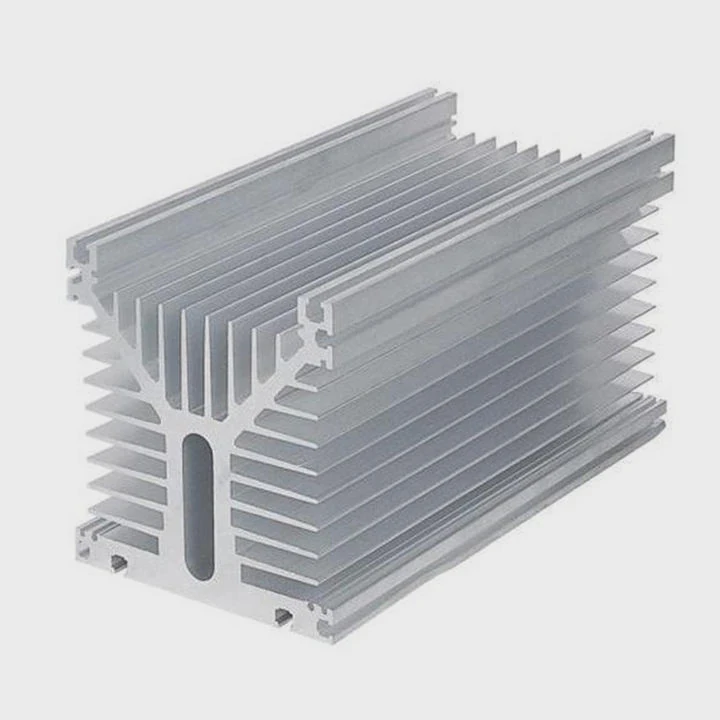
Heat can quietly damage performance, shorten product life, and raise failure risk. Many people notice the result only after a system runs hot, slows down, or breaks too soon.
A heat sink improves thermal management by moving heat away from hot parts and spreading it into the air or another cooling path. This helps electronics stay safer, work better, and last longer.
That basic answer sounds simple, but the real value goes much deeper. In daily design work, cooling is never just about temperature alone. It affects stability, safety, power density, noise, size, cost, and service life. That is why heat sinks matter in far more places than many buyers first expect.
How does a heat sink improve thermal management?
Poor thermal control can ruin a good design. A board may pass electrical tests and still fail in real use because heat stays trapped in one small area.
A heat sink improves thermal management by collecting heat from a source, spreading it across a larger surface, and releasing it more efficiently. This lowers hot spots and keeps temperatures in a safer range.
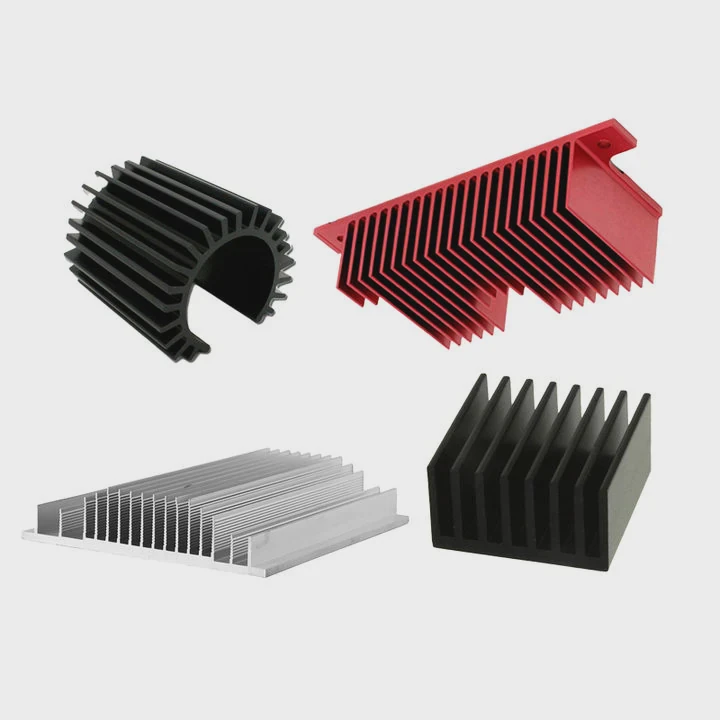
A heat sink helps because heat always needs a path. When a chip, transistor, LED, power module, or battery part creates heat, that heat does not disappear by itself. It moves from the hot source to cooler areas. A heat sink gives that heat a better route.
The basic working idea
In simple terms, the heat sink does three jobs:
- It takes heat from the device.
- It spreads the heat across more material.
- It gives the heat more surface area to leave.
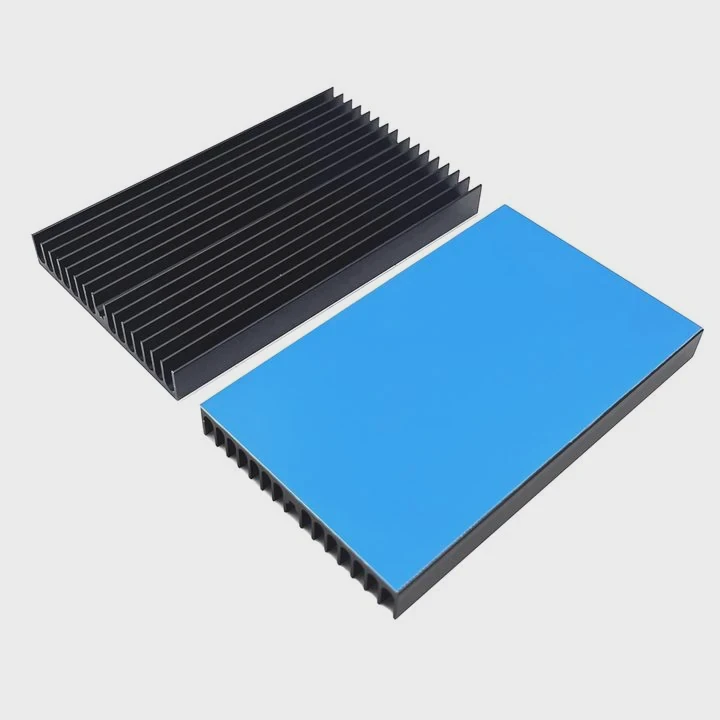
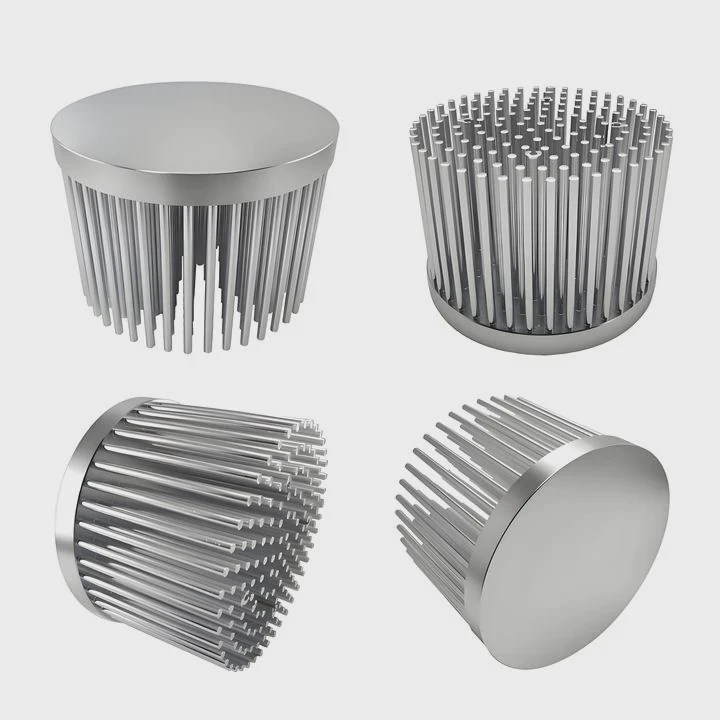
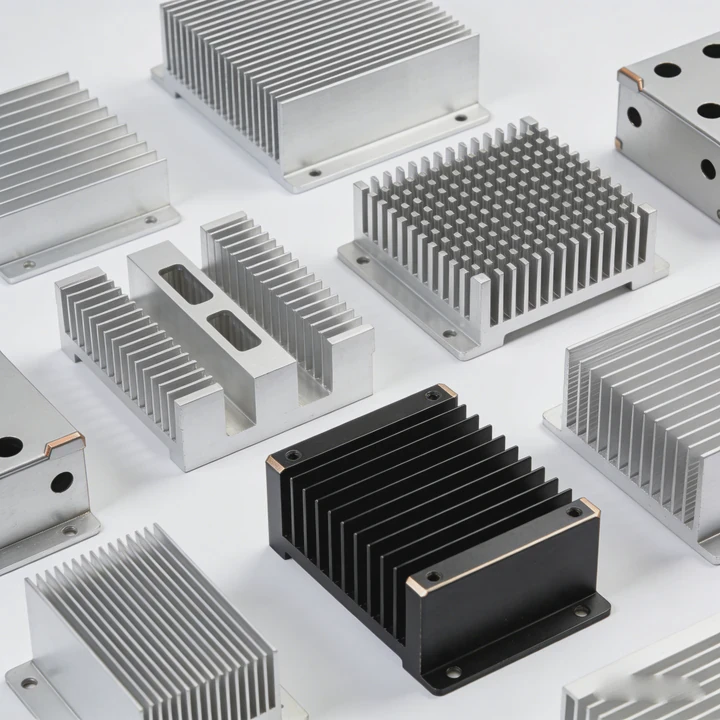
That process sounds basic, but each step changes the final result in a big way. A small hot chip may have very little surface area. On its own, it cannot release heat fast enough. Once a heat sink is attached, the total cooling area grows. Fins, plates, pins, or bonded structures increase contact with air. This makes heat transfer more effective.
Why surface area matters
A larger area usually means better heat release. That is why many heat sinks use fins. The fins create more contact with moving or still air. When airflow is added by a fan or system duct, the result gets even better. In liquid-cooled systems, the same logic applies. The heat first moves into a metal structure and then into the fluid path.
| Thermal factor | What the heat sink changes | Why it matters |
|---|---|---|
| Surface area | Increases it | More area helps release more heat |
| Heat spreading | Reduces local hot spots | Parts stay more even in temperature |
| Thermal resistance | Lowers total resistance | Heat moves out faster |
| Peak temperature | Brings it down | Better safety and reliability |
Why material and structure matter
Not all heat sinks perform the same way. Material choice changes conduction speed. Aluminum is common because it is light, cost-effective, and easy to shape. Copper carries heat better, but it is heavier and more expensive. In many projects, the best answer is not only the metal itself. It is also the structure, joining process, base flatness, fin layout, and interface quality.
A heat sink that looks large can still perform poorly if the contact surface is rough, if the bond line is weak, or if airflow cannot pass through the fins. This is why serious thermal management is both a design issue and a manufacturing issue.
What thermal management really improves
Good thermal management is not only about making something cooler. It is about controlling how heat moves through the full product. That includes the heat source, interface material, baseplate, fins, enclosure, airflow path, and outside environment. In many cases, the heat sink becomes the center of that whole thermal path.
From experience, the best designs do not chase low temperature in one part only. They balance thermal performance with weight, size, noise, strength, and cost. A heat sink improves thermal management because it turns uncontrolled heat into a manageable engineering problem.
Why do electronics require heat dissipation?
Many electronic failures do not begin with a visible short circuit. They begin with heat building up over time until the product becomes unstable, weak, or unsafe.
Electronics require heat dissipation because electrical energy is never converted with perfect efficiency. Some of that energy becomes heat, and the heat must be removed to protect performance and reliability.
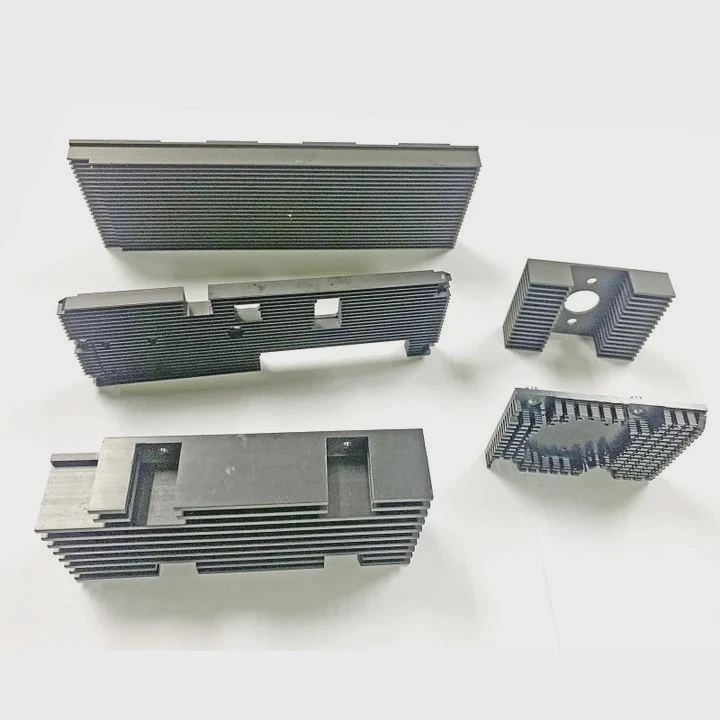
Every active electronic part creates heat during operation. Some devices create only a little. Others create a great deal in a very small space. Power semiconductors, CPUs, GPUs, IGBTs, MOSFETs, laser systems, battery packs, chargers, inverters, and communication modules all face this issue.
Where the heat comes from
Heat in electronics comes from loss. That loss may come from resistance, switching, leakage, magnetic conversion, or power conversion. Even a well-designed system cannot avoid this fully. The question is not whether heat exists. The question is whether the product can control it.
For example, a power supply changes electrical energy from one form to another. Even at high efficiency, some energy becomes heat. In a compact unit, that heat can collect near key parts and push local temperature far above the average inside the box.
What happens when heat is not removed
Excess heat harms electronics in several ways. First, it changes electrical behavior. Parts may drift away from normal operating values. Second, it speeds up material aging. Solder joints, insulation, plastics, seals, and interface materials all wear faster at high temperature. Third, it raises the chance of sudden failure.
Here is a simple view:
| Heat effect | Result in electronics |
|---|---|
| Higher junction temperature | Lower stability and shorter life |
| Thermal cycling | Cracks in solder joints and interfaces |
| Insulation aging | Lower safety margin |
| Uneven heat distribution | Local failure and hard-to-find faults |
Why small devices still need serious cooling
Many people think only large industrial machines need heat dissipation. That is not true. Modern electronics keep getting smaller while power density keeps rising. A compact device may generate less total heat than a large cabinet, but it often has less room to release it. That makes the cooling challenge harder, not easier.
A slim power module, a telecom unit, or a medical control board may have only a narrow thermal path. In such cases, heat dissipation becomes a design limit. If the heat cannot get out, the product may need less power, lower speed, or shorter duty cycles. That reduces its market value.
Why heat dissipation is part of product quality
Heat dissipation should not be treated as an afterthought. It shapes real product quality. A system that runs cool usually shows more stable output, fewer alarms, and longer field life. It also gives engineers more room to increase power or reduce size later.
In many projects, buyers focus first on dimensions, price, and lead time. Those points matter, of course. Still, once the product enters real service, thermal control becomes one of the clearest signs of engineering quality. A strong cooling path protects the customer long after the first installation.
Where are heat sinks applied in circuits?
A circuit may look clean on paper, yet only a few parts usually carry most of the thermal burden. Those are the places where a heat sink makes the biggest difference.
Heat sinks are applied in circuits wherever components generate enough heat to affect safety, stability, or lifespan. Common examples include power semiconductors, processors, LEDs, regulators, converters, and high-current modules.
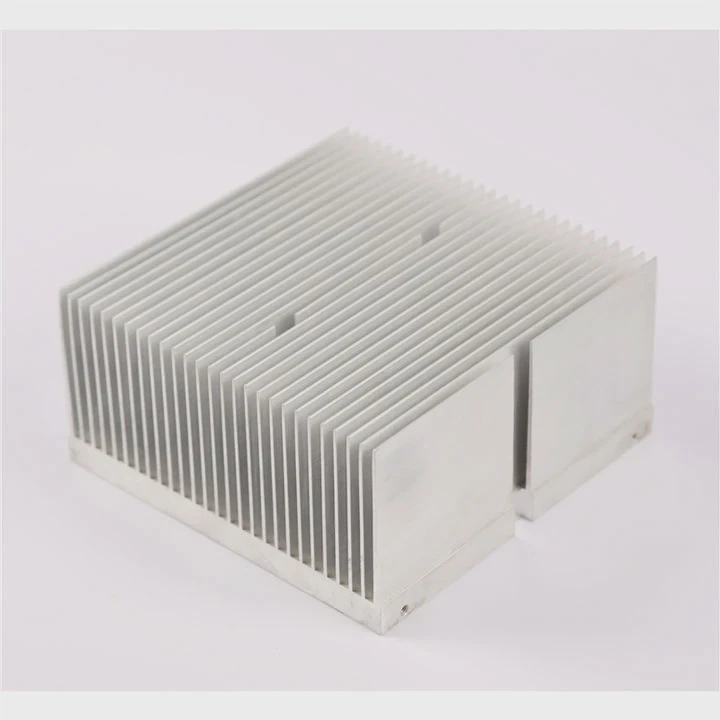
Heat sinks are not placed at random. They are used where power loss turns into a thermal problem. Some are mounted directly on a single component. Some are fixed to a metal baseplate that serves several devices at once. Some are built into the housing of the full product.
Common circuit locations
In many designs, the first targets are power devices. MOSFETs, IGBTs, rectifiers, diodes, and voltage regulators often need cooling support. These parts switch or control current, so they generate heat in a concentrated area.
Processors and graphic chips also use heat sinks. In those cases, the goal is often to prevent high junction temperature during heavy computing loads. In LED systems, heat sinks protect light quality, efficiency, and service life. In RF and telecom products, cooling protects both output stability and signal performance.
Circuit application examples
Power conversion boards
AC-DC and DC-DC converters often include heat sinks around switching devices, transformers, bridge rectifiers, and power control sections. Without good cooling, efficiency drops and internal stress rises.
Motor drives and inverters
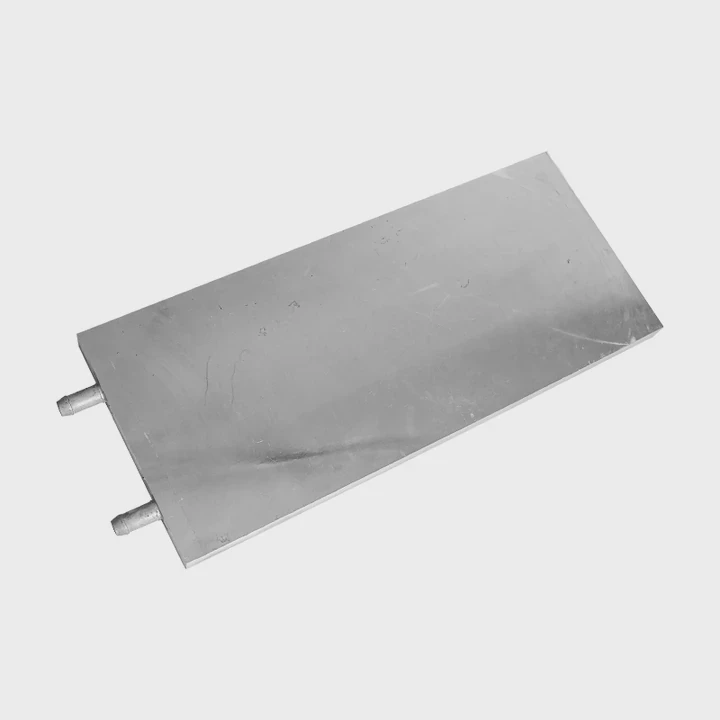
Motor control circuits handle high current and switching loss. Heat sinks are often tied to semiconductor modules and baseplates. In larger systems, liquid cooling plates may replace simple air-cooled fins.
LED driver and lighting systems
LED chips are very sensitive to heat. Too much heat reduces light output and shifts color over time. Many LED boards use metal-core substrates with attached heat sinks or integrated thermal housings.
Direct and indirect use in circuits
Some heat sinks touch the device directly. Others work through thermal pads, interface materials, heat spreaders, or chassis walls. In compact products, the enclosure itself may act as a heat sink. That still counts as heat sink function, even if it does not look like a classic finned part.
| Circuit area | Typical hot component | Heat sink role |
|---|---|---|
| Power supply | MOSFET, rectifier, regulator | Remove switching and conduction heat |
| Computing board | CPU, GPU, chipset | Control junction temperature |
| LED module | LED array, driver | Protect brightness and life |
| Motor drive | IGBT, power module | Support high-load operation |
| RF/telecom | Power amplifier | Keep signal output stable |
Why circuit placement matters
Placement affects performance as much as the heat sink itself. A strong heat sink can still fail if it sits in dead air, too close to another hot source, or far from the real thermal bottleneck. Good circuit cooling needs system thinking. The board layout, component spacing, airflow route, mechanical mounting, and enclosure design all matter.
In actual projects, the smartest choice is often made early. When thermal design starts at the same time as circuit design, engineers can avoid many later problems. That saves time in testing, reduces redesign risk, and gives the final product a better safety margin.
Which benefits come from improved cooling?
A product can meet its electrical target and still disappoint the customer if it runs too hot. Better cooling often brings value that reaches far beyond temperature alone.
Improved cooling brings lower operating temperature, better reliability, longer lifespan, higher power capability, safer operation, and more stable performance in real working conditions.
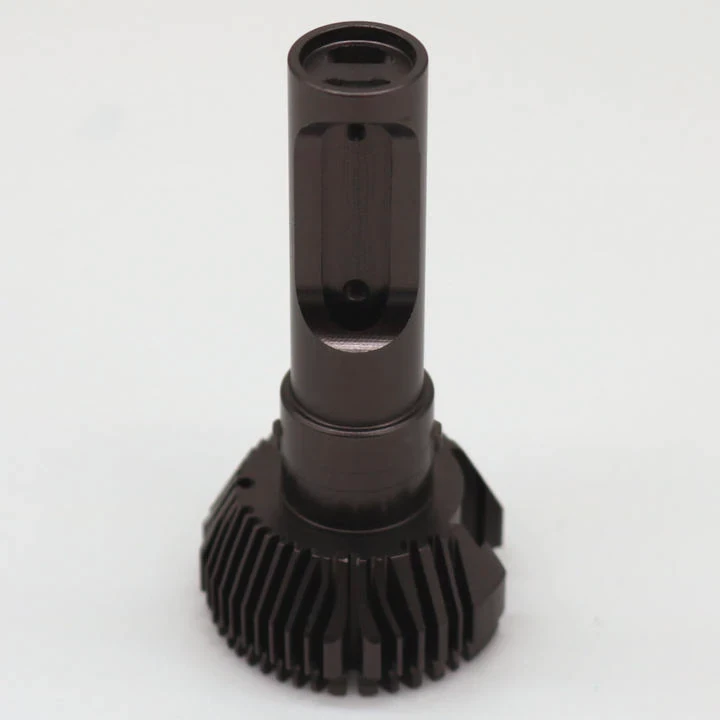
The first benefit is obvious: lower temperature. But that is only the start. In many applications, improved cooling changes what the product can do and how long it can keep doing it.
Better reliability in the field
Lower heat reduces stress on key materials and joints. Solder points face less expansion and contraction. Thermal interface layers stay more stable. Insulation and seal materials age more slowly. This is one reason why good cooling matters so much in rail, energy, medical, telecom, and industrial systems. Field failures are expensive, and heat is often behind them.
Longer service life
Most components age faster at higher temperature. A cooler system usually lasts longer. That matters for buyers who need stable supply, fewer repairs, and lower maintenance cost. In many B2B projects, lifetime value matters more than initial unit price. A better heat sink can support that value directly.
Higher performance potential
Improved cooling also gives room for more power. When thermal limits are controlled, engineers may increase current, run higher duty cycles, or keep the same output in a smaller space. This is a big benefit in modern equipment, where customers want compact size but still expect strong performance.
Better user experience and business value
Cooling affects end use in ways people notice quickly. A cooler product may have fewer shutdowns, less performance throttling, and lower noise because fans do not need to run as hard. That can improve user trust and brand image.
Here is a simple summary:
| Benefit area | What improved cooling supports |
|---|---|
| Reliability | Fewer failures and less thermal stress |
| Lifespan | Slower aging of parts and materials |
| Performance | Higher power density and stable output |
| Safety | Lower risk of overheating |
| Maintenance | Less downtime and fewer replacements |
A wider design window
One of the most useful benefits is flexibility. Better cooling gives designers a wider safe window. That means more room for ambient temperature changes, power spikes, dust, vibration, and long working hours. For real products, this margin matters a lot. Lab conditions are controlled. Field conditions are not.
Why buyers should care
From a buyer’s side, improved cooling means fewer surprises after launch. The system is more likely to pass validation, keep its rated output, and perform well over time. In supply projects, this can reduce warranty risk and improve confidence during scale-up.
In many cases, the heat sink is not the most expensive part in the system. Still, it may protect some of the most expensive parts around it. That is why improved cooling should be seen as a business tool as much as an engineering feature. A better cooling design supports product quality, customer trust, and long-term competitiveness.
Conclusion
A heat sink improves far more than temperature alone. It supports thermal control, protects circuits, and strengthens reliability, lifespan, and performance. In modern electronics, better cooling is not extra value at the edge. It is part of the core design.