Aluminum Heat sink anodizing process quality inspection standards?
- Yongxing
- 04 Feb ,2026
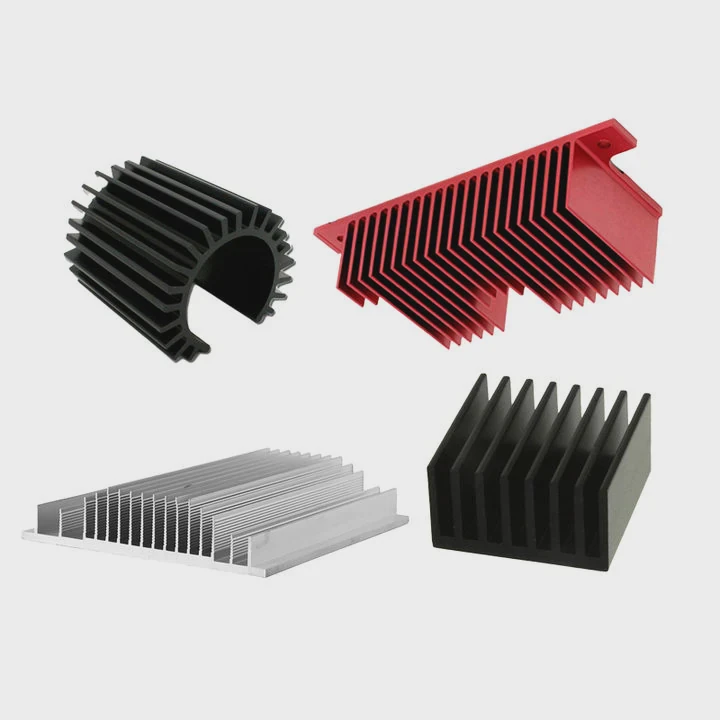
Anodizing makes or breaks an aluminum heat sink. A bad coating peels, fades, or insulates poorly—leading to costly rework or field failure.
Anodizing quality is checked using precise tools, strict standards, and corrosion tests to ensure the coating is thick, uniform, and defect-free.
Anodizing isn’t just cosmetic. For heat sinks, it’s about performance, protection, and function. Let’s look at how to inspect it the right way.
How is coating thickness measured in anodized heat sinks?
Coating thickness is critical. Too thin—and it wears off. Too thick—and it cracks or changes part dimensions. So how do we measure it?
Coating thickness is usually measured using eddy current instruments or destructive cross-section microscopy.
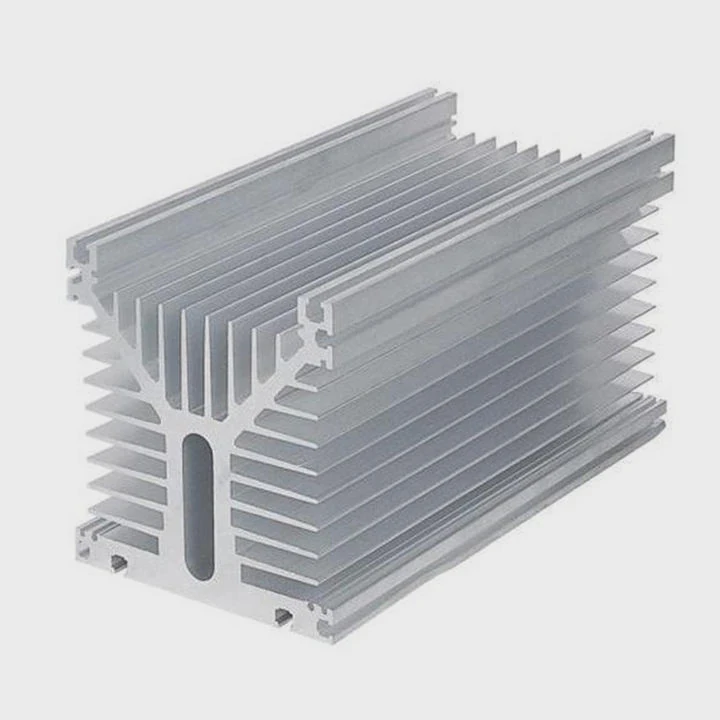
Common measurement methods
| Method | Accuracy | Destructive? | Application Use Case |
|---|---|---|---|
| Eddy Current Meter | ±1–2 μm | No | Routine QA in mass production |
| Cross-Section Microscopy | ±0.5 μm | Yes | Validation or failure analysis |
| X-ray Fluorescence (XRF) | ±1 μm | No | Coating with embedded metals |
Eddy Current Testing
This is the most common non-destructive method. A probe emits a magnetic field and detects impedance changes as it passes over the anodized layer. Fast and reliable for batch production.
Cross-Section
Used during validation or when disputes arise. A sample is cut, embedded in resin, and viewed under a microscope. The oxide layer is clearly visible and measured directly.
Recommended thickness ranges
Depending on application, anodizing thickness targets vary:
| Application | Coating Type | Typical Thickness |
|---|---|---|
| Indoor heat sinks | Type II (Decorative) | 8–15 μm |
| Outdoor telecom units | Type II (Protective) | 15–25 μm |
| Harsh/marine environments | Type III (Hard) | 25–50 μm |
Too much coating can insulate the surface, raising thermal resistance. For example, LED fixtures need balance: good corrosion protection but minimal thermal barrier.
What visual defects are unacceptable in anodized parts?
Visual inspection is the first line of defense. Customers notice scratches, stains, or blotches immediately—even if the coating works fine.
Unacceptable defects include streaks, white powdering, color non-uniformity, pitting, and surface cracks.
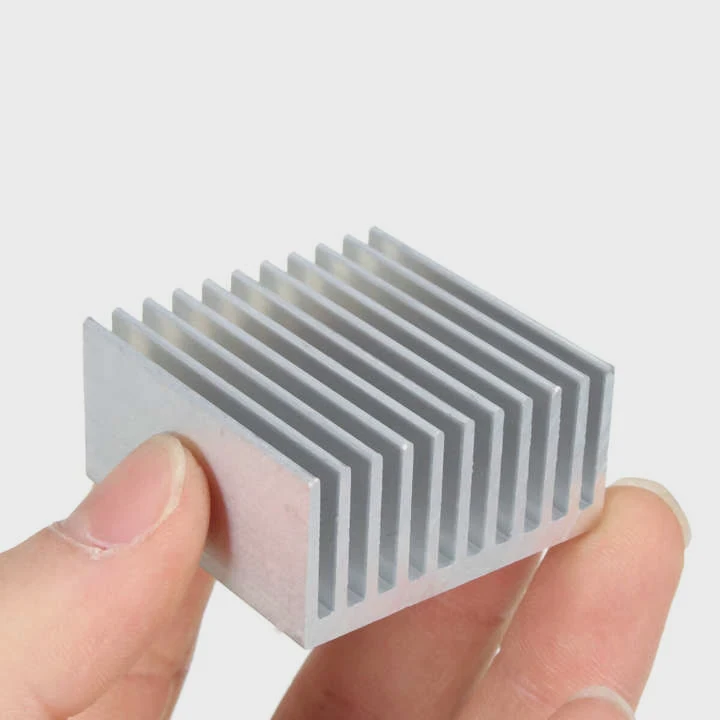
Common visual inspection criteria
| Defect Type | Description | Acceptability |
|---|---|---|
| Color variation | Uneven shading or blotches | Not allowed on exposed surfaces |
| Streaks/banding | Flow marks from poor rinsing | Minor acceptable on hidden zones |
| Powdering | White or chalky residue | Not acceptable |
| Scratches/dents | Surface damage before anodizing | Not acceptable |
| Pitting | Tiny holes or surface corrosion | Not acceptable |
| Peeling/flaking | Coating detaching from base material | Major defect – reject |
Inspection standards
Many manufacturers follow AAMA 611, MIL-A-8625, or ISO 7599 visual defect guidelines. Some create custom internal specs based on part function and appearance zones.
For instance:
- Class A surface: Exposed area (e.g., front panel) → Zero visible defects under 400 mm viewing at 45°
- Class B surface: Side or hidden panel → Minor streaks allowed
- Class C surface: Internal, never exposed → Functional only
Some use a grey card or diffuse light booth to inspect under consistent lighting. Magnifiers may be used for tight tolerance zones.
Are there international standards for anodizing QC?
Anodizing needs to meet globally accepted standards, especially for export or regulated industries. So are there any formal benchmarks?
Yes, international standards like ISO 7599, MIL-A-8625, and BS EN 12373 define quality control rules for anodized aluminum.
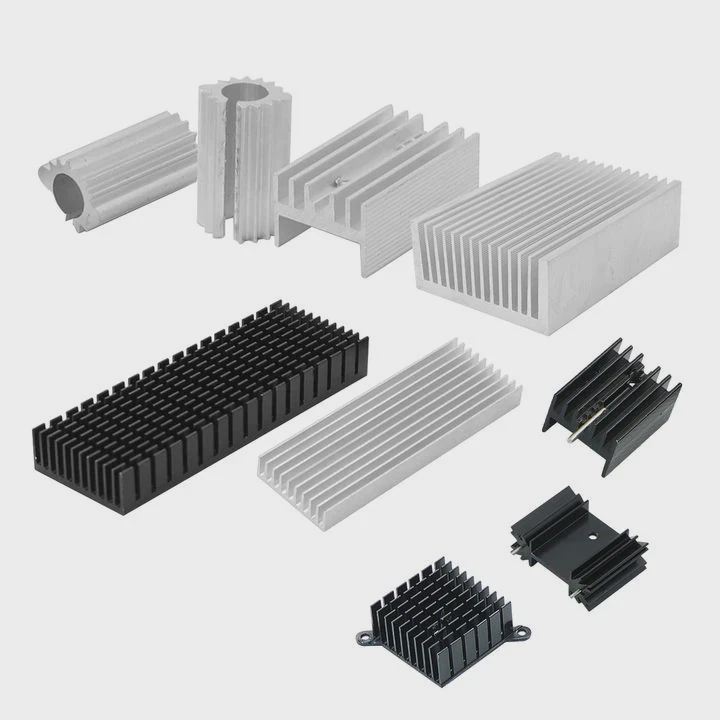
Key standards for aluminum anodizing
| Standard Code | Region | Focus Area | Application |
|---|---|---|---|
| ISO 7599 | Global | Decorative and protective anodizing | Heat sinks, panels, electronics |
| MIL-A-8625 | USA | Military spec anodizing (Type I–III) | Aerospace, defense, telecom |
| BS EN 12373 | Europe | Visual defect limits and testing | Architectural, automotive |
| AAMA 611 | North America | Coating thickness & color fade | Outdoor equipment |
What they specify
- Coating thickness tolerance
- Color consistency ΔE value
- Sealing quality
- Adhesion tests
- Corrosion resistance under salt spray
For instance, ISO 7599 defines methods to test thickness (Annex A), resistance to abrasion (Annex B), and color uniformity (Annex C).
Compliance with these standards builds trust and ensures product longevity—especially for telecom, aerospace, and medical applications.
How it applies to B2B manufacturing
For heat sink production, especially in high-end sectors, customers may ask for:
- Certificate of Conformity to ISO/MIL spec
- Batch records of coating thickness
- Surface profile (Ra) post-anodizing
Heat sinks used in power electronics or radar modules must pass both dimensional and anodizing quality audits before acceptance.
Which tests confirm corrosion resistance and adhesion?
Visual checks don’t tell the full story. Coatings might look fine but fail in real-world humidity, salt, or stress. That’s where lab tests matter.
Tests like salt spray (ASTM B117), tape pull (ASTM D3359), and acid drop (ISO 2143) confirm anodizing adhesion and corrosion durability.
Key corrosion and adhesion tests
| Test Name | Standard Code | What it Measures | Acceptance Criteria |
|---|---|---|---|
| Salt Spray | ASTM B117 | Corrosion resistance in salt | No pitting after 336 hours |
| Adhesion Tape Pull | ASTM D3359 | Coating bond strength | >4B grade (minimal peel) |
| Acid Spot Test | ISO 2143 | Sealing quality | Minimal color change |
| Taber Abrasion | ASTM D4060 | Wear resistance | <100 mg loss in 1000 cycles |
Salt Spray Test
Samples are placed in a chamber that sprays saline mist continuously. This simulates years of corrosion in days. Poor sealing shows up as white powder or pitting.
Adhesion Test
A grid is cut into the surface, tape is applied and removed. The amount of flaking is rated from 0B (poor) to 5B (perfect adhesion).
Acid Spot (Drop Test)
Nitric acid is dropped on the surface. A properly sealed coating resists staining. If poorly sealed, acid leaves dark marks.
Best practices for test compliance
- Use hot water or nickel acetate sealing after anodizing
- Store parts in dry, clean conditions post-coating
- Avoid contact with oils or metal dust before sealing
For example, telecom heat sinks used in coastal base stations often require salt spray resistance >500 hours without surface degradation.
Conclusion
Anodizing quality affects both performance and product image. Accurate coating thickness, visual cleanliness, and corrosion resistance must be verified using international standards and rigorous tests. For aluminum heat sinks used in critical systems, skipping inspection risks failure and reputation loss.