Which industries commonly use Aluminum Heat sink thermal solutions?
- Yongxing
- 04 Feb ,2026
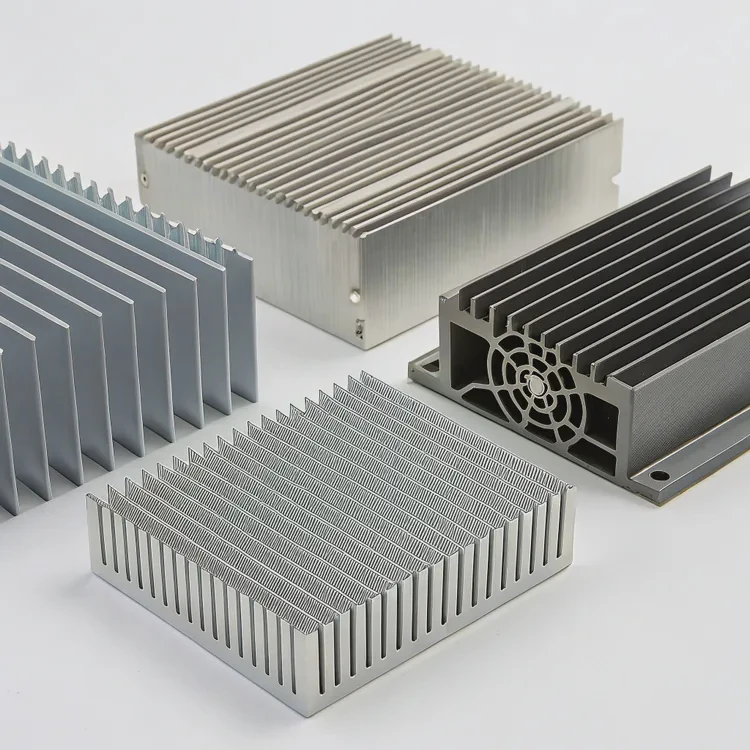
Overheating kills electronics. When heat builds up, devices fail. Choosing the right thermal solution is not optional—it’s essential.
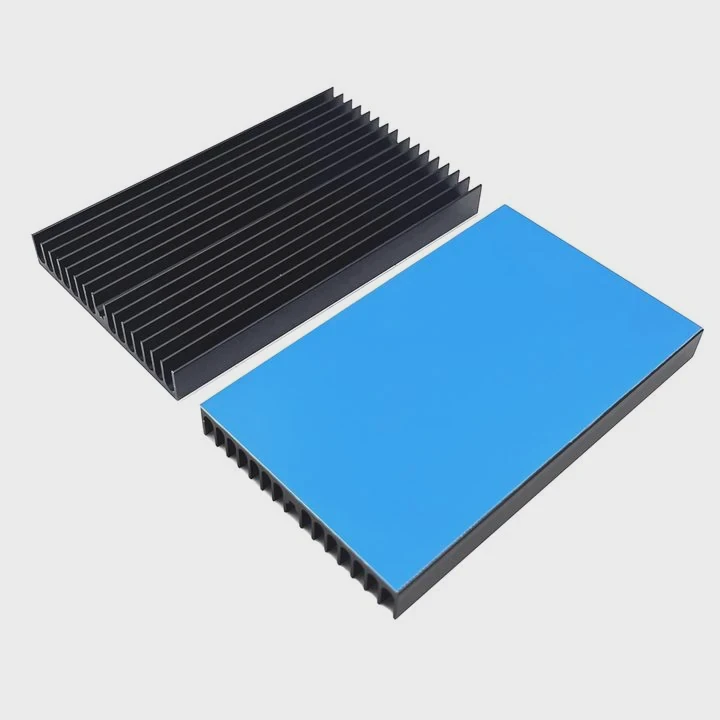
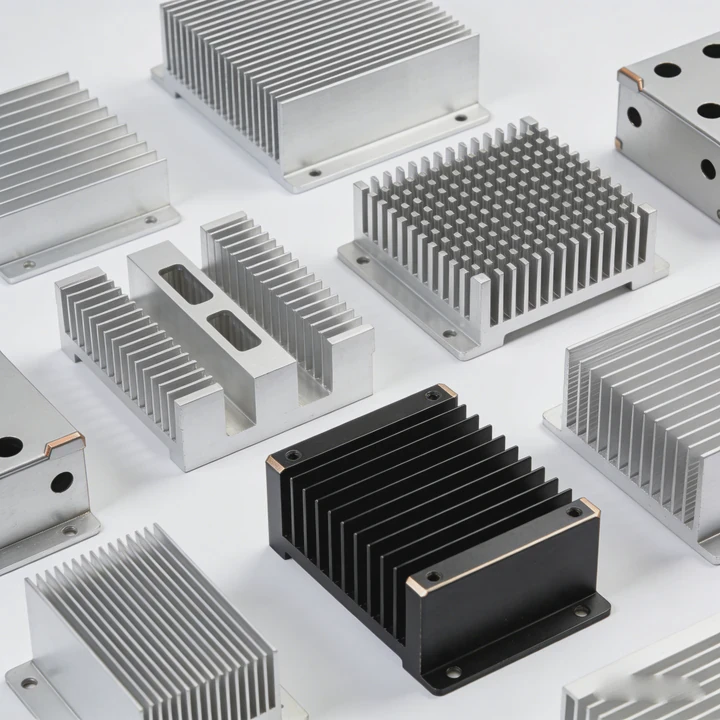
Aluminum heat sinks are used across industries like telecom, medical, renewable energy, and aerospace for their light weight, high conductivity, and design flexibility.
Different industries have different thermal demands. But many rely on aluminum heat sinks because they strike a balance between performance, cost, and manufacturability. Let’s look at how and where they’re used.
Why is aluminum preferred in telecom and LED systems?
Telecom base stations and LED systems operate around the clock. They pack heat-generating chips into tight spaces. Without efficient cooling, performance drops or fails entirely.
Aluminum is preferred in these systems for its excellent thermal conductivity, lightweight design, and compatibility with extrusion cooling structures.
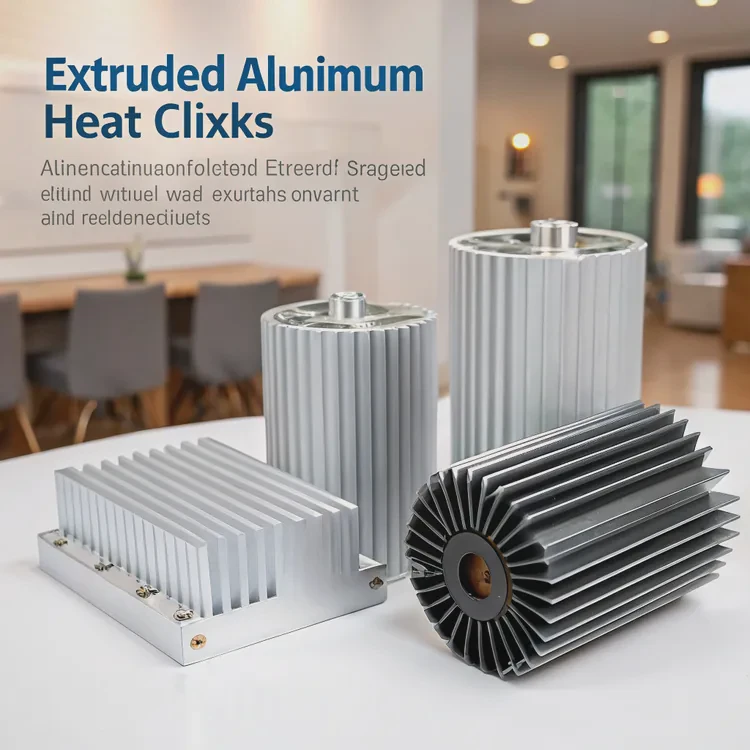
Telecom cooling needs
Modern 5G and fiber networks use small-form-factor base stations loaded with power amplifiers and transceivers. These components run hot, especially in outdoor settings.
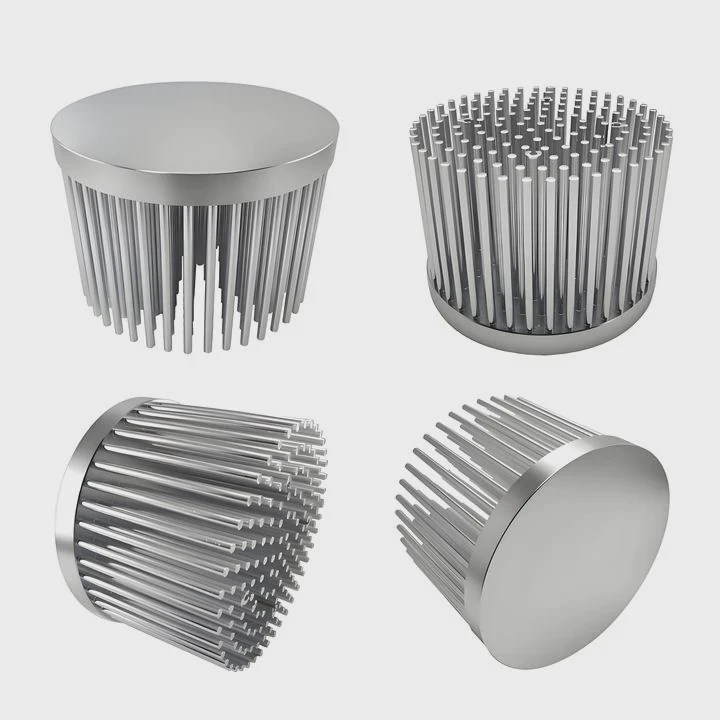
Aluminum heat sinks—often with pin-fin or wave-fin shapes—remove heat efficiently while keeping the units lightweight. Common alloys like 6063 are anodized for corrosion protection and insulation.
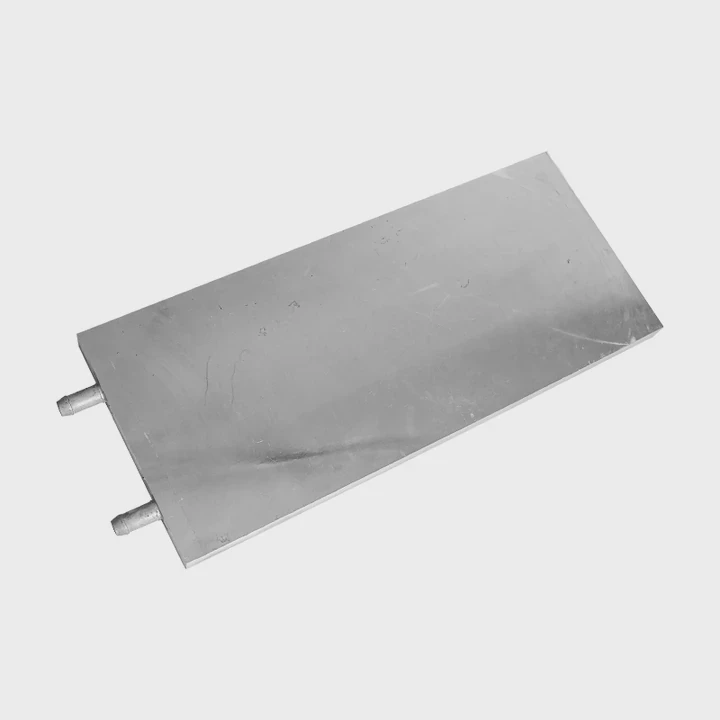
Some systems use liquid-cooled aluminum cold plates to handle higher power densities, especially in massive MIMO antenna arrays.
LED thermal management
LEDs produce heat at the junction. If not removed quickly, light output drops and lifetime shortens.
Extruded or die-cast aluminum heat sinks:
- Dissipate junction heat
- Support compact fixtures
- Allow decorative anodizing or painting
For example, high-bay industrial lights use radial aluminum fins to enhance natural convection. In streetlights, integrated heat sinks reduce mass and cost while extending LED life past 50,000 hours.
| Industry | Cooling Type | Aluminum Benefit |
|---|---|---|
| Telecom (5G) | Passive + Liquid plate | High-conductivity + compact design |
| LED (Streetlight) | Extruded fins | Low weight + surface customization |
How do medical devices benefit from aluminum cooling?
Medical devices must operate silently, efficiently, and often in sterile or sealed environments. Cooling becomes critical—but air movement is often restricted.
Aluminum cooling modules help medical devices stay cool while staying compact, lightweight, and EMI-compatible.
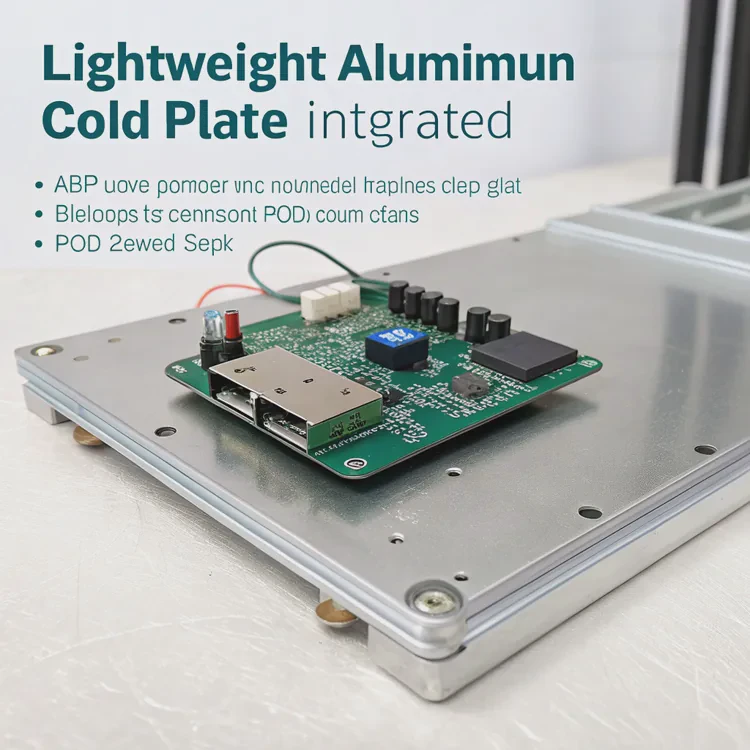
Common medical applications
- Laser surgical systems: Aluminum heat sinks with liquid channels remove laser-generated heat rapidly.
- MRI/CT systems: Passive aluminum panels help manage heat from sensors and power supplies.
- Patient monitors: Low-noise systems rely on passive aluminum fin arrays.
These devices demand non-magnetic materials, biocompatibility, and stable performance under long duty cycles.
Why aluminum works
- Non-ferromagnetic: Safe near magnetic fields (MRI)
- Sterilizable: Compatible with coatings for hygiene
- Lightweight: Easier for portable or ceiling-mounted equipment
In many designs, aluminum cold plates integrate directly with PCBs or sensor blocks. CNC machining ensures tight contact with heat sources like diodes, IGBTs, or converters.
Some use phase-change heat spreaders embedded in aluminum modules to handle sudden thermal spikes.
| Device Type | Heat Source | Aluminum Solution |
|---|---|---|
| Laser treatment tool | Diode laser module | Machined cold plate |
| Patient monitor | MCU, ADC, LCD driver | Pin-fin extrusion + cover |
| CT scanner | High-frequency inverter | Vacuum-brazed heat exchanger |
What role do heat sinks play in renewable energy?
Inverters, converters, and battery systems in solar or wind systems generate substantial heat. Poor cooling causes thermal drift and lowers efficiency.
Aluminum heat sinks manage thermal loads in solar inverters, wind converters, and energy storage systems where long life and outdoor resistance are critical.
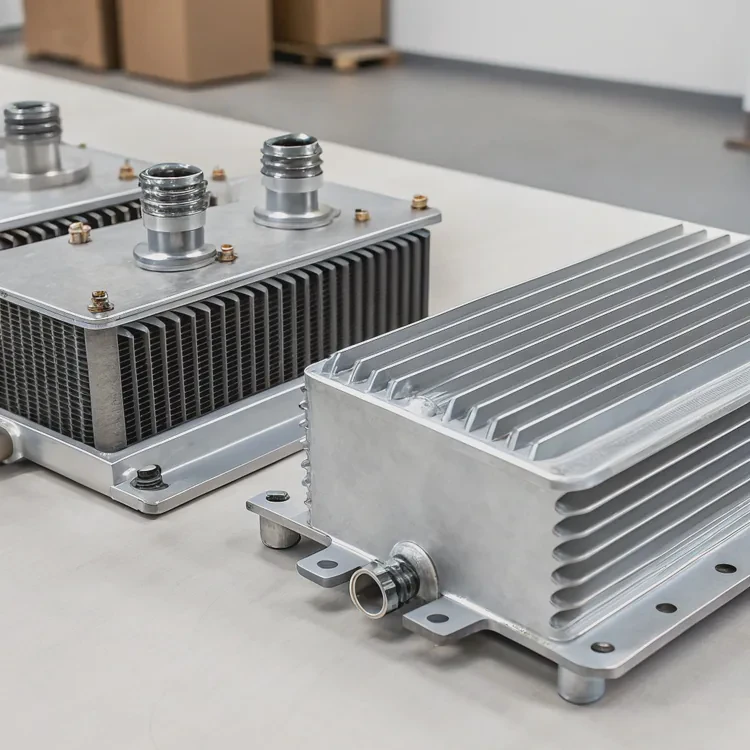
Solar power systems
- String inverters: Require large heat sinks for power modules
- Microinverters: Use integrated aluminum housings for cooling
- MPPT controllers: Employ extruded aluminum plates
Aluminum’s corrosion resistance, weight advantage, and custom extrusion ability make it ideal for outdoor-rated enclosures and fins.
Wind power converters
Wind turbines have power converters and braking systems that operate in rough environments. Cooling demands rise during peak generation or emergency stops.
High-mass extruded aluminum plates or fin assemblies:
- Handle shock and vibration
- Withstand cold and wet climates
- Offer scalable modular design
Battery storage modules
As battery energy storage systems (BESS) scale, their inverters and power conditioners need cooling. Aluminum cold plates allow direct liquid cooling for high-density cabinets.
| Renewable Component | Power Level | Cooling Type | Aluminum Advantage |
|---|---|---|---|
| PV inverter | 5–50 kW | Extruded fin, passive | Cost-effective & rugged |
| Wind converter | 50–500 kW | Finned base + fan | Vibration-tolerant |
| BESS inverter | 10–100 kW/module | Liquid-cooled plate | Sealed, leak-resistant |
In harsh outdoor settings, anodized or powder-coated aluminum extends lifespan without adding weight or complexity.
Are aluminum thermal solutions used in aerospace?
Aerospace systems run hot but have strict limits on mass and volume. Cooling must be efficient and ultra-light. Aluminum fits that need.
Yes, aluminum thermal solutions are widely used in aerospace for avionics, radar systems, satellite modules, and power converters.
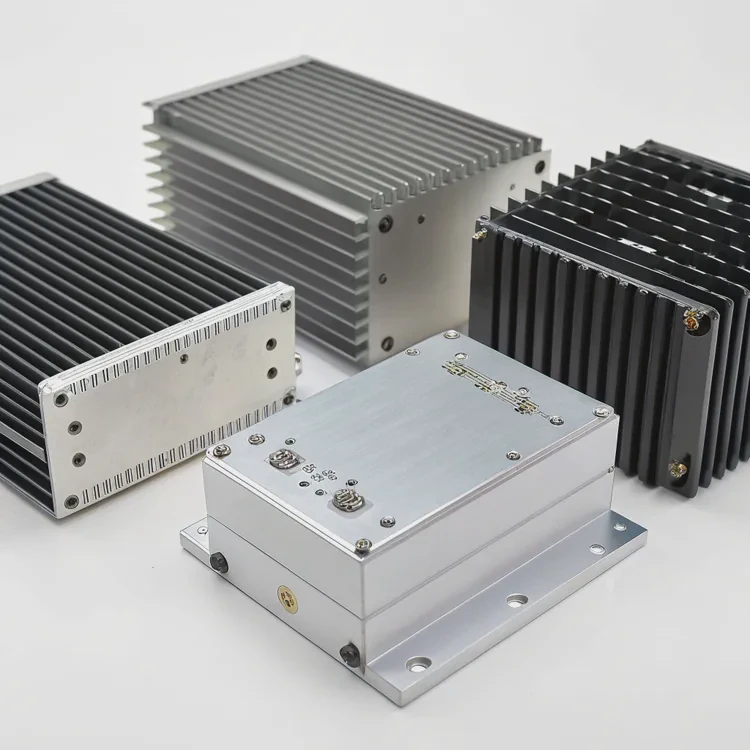
Where aluminum is used in aerospace
- Avionics systems: Require tight-tolerance aluminum housings with built-in heat spreaders
- Satellite payloads: Use phase-change or passive aluminum heat spreaders for zero-gravity operation
- Radar modules: Feature high-precision CNC-machined heat sinks for signal processors
Aluminum alloys like 6061-T6, 6082, and 3003 are commonly used depending on structural vs thermal needs. Some modules use vacuum-brazed aluminum cooling blocks with embedded coolant tubes or heat pipes.
Aerospace advantages
- Excellent strength-to-weight ratio
- Good machinability and welding response
- Thermal expansion compatibility with other aerospace metals
Surface treatments like chemical conversion coating (Alodine) or PTFE anodizing allow EMI shielding and corrosion resistance in extreme environments.
Aluminum parts must pass DO-160G, MIL-STD-810, or similar aerospace-level thermal and environmental tests.
| Application Area | Cooling Requirement | Aluminum Role |
|---|---|---|
| UAV control unit | 24⁄7 active duty cycle | Integrated machined fin housing |
| Satellite transceiver | Passive heat dissipation | Lightweight spreader + heat pipes |
| Fighter radar | Pulse heat load | CNC sink with embedded cooling loop |
Modular assembly using FSW (friction stir welding) is also gaining traction, joining multiple aluminum profiles without cracking.
Conclusion
Aluminum heat sinks power modern industries—from telecom towers to satellites. Their balance of thermal efficiency, light weight, and structural flexibility makes them essential in systems where heat is a critical risk. Each application, from medical lasers to solar inverters, finds its own best-fit aluminum cooling solution.