Is Aluminum Heat sink RoHS REACH compliant for EU markets?
- Yongxing
- 04 Feb ,2026
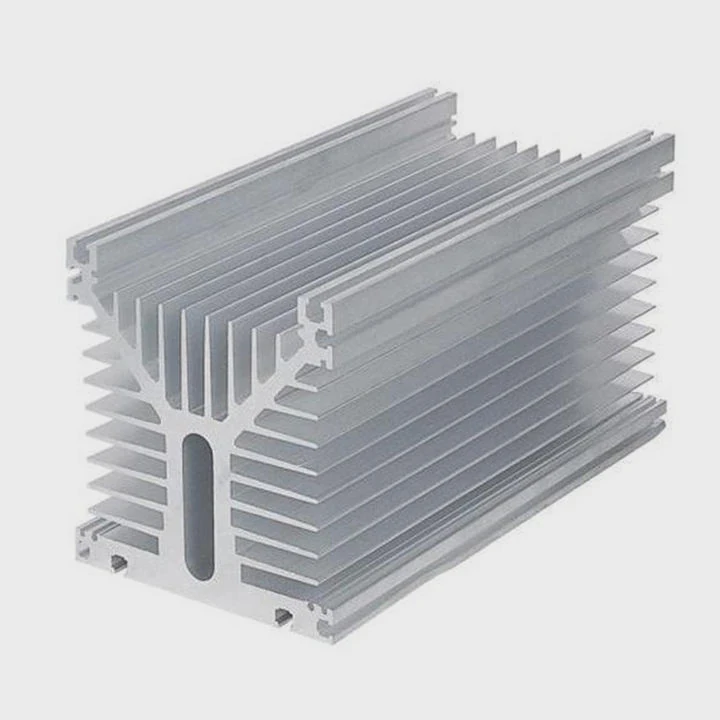
Many manufacturers worry that aluminum heat sinks may contain banned substances or fail environmental testing.
Yes, aluminum heat sinks can meet both RoHS and REACH compliance when made with certified materials and clean manufacturing processes.
EU regulations are strict. So companies need a clear plan to ensure their parts meet all requirements before shipping.
What substances are restricted under RoHS and REACH?
Many people assume aluminum is a “clean” material, but processing and additives can bring in unwanted chemicals.
RoHS restricts 10 hazardous substances, and REACH covers over 200 SVHCs—aluminum heat sinks must avoid all listed materials to comply.
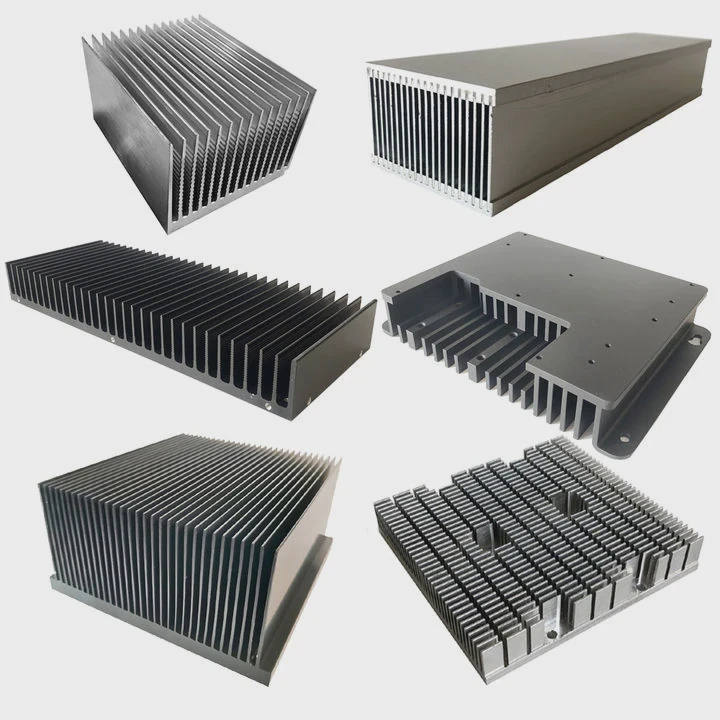
RoHS (Restriction of Hazardous Substances) applies mainly to electrical and electronic products. It limits substances that harm people or the environment during use or disposal. Here’s a table showing the main RoHS-restricted substances and their limits:
RoHS Restricted Substances
| Substance | Maximum Limit (by weight) |
|---|---|
| Lead (Pb) | 0.1% |
| Mercury (Hg) | 0.1% |
| Cadmium (Cd) | 0.01% |
| Hexavalent chromium (Cr⁶⁺) | 0.1% |
| Polybrominated biphenyls (PBB) | 0.1% |
| Polybrominated diphenyl ethers (PBDE) | 0.1% |
| Bis(2-ethylhexyl) phthalate (DEHP) | 0.1% |
| Benzyl butyl phthalate (BBP) | 0.1% |
| Dibutyl phthalate (DBP) | 0.1% |
| Diisobutyl phthalate (DIBP) | 0.1% |
REACH (Registration, Evaluation, Authorisation and Restriction of Chemicals) is broader. It controls all chemicals used or imported in the EU. The Substances of Very High Concern (SVHCs) list is updated regularly and already includes more than 200 items.
Most pure aluminum alloys used in heat sinks are RoHS and REACH safe as long as they don’t contain additives or residues like hexavalent chromium or phthalates. But coatings, lubricants, packaging materials, or surface treatments may introduce risks.
Suppliers must monitor:
- All alloying elements (e.g., silicon, copper, magnesium)
- Surface finishes and coatings (e.g., chromates, paints)
- Contaminants from upstream supply chains
Even if a product is “mostly aluminum,” just a small part containing SVHCs can make it non-compliant.
How can manufacturers prove heat sink compliance?
Without clear records, even a compliant heat sink could be blocked at customs or rejected by customers.
Manufacturers must issue a Declaration of Conformity and support it with lab testing, material traceability, and supply chain documentation.
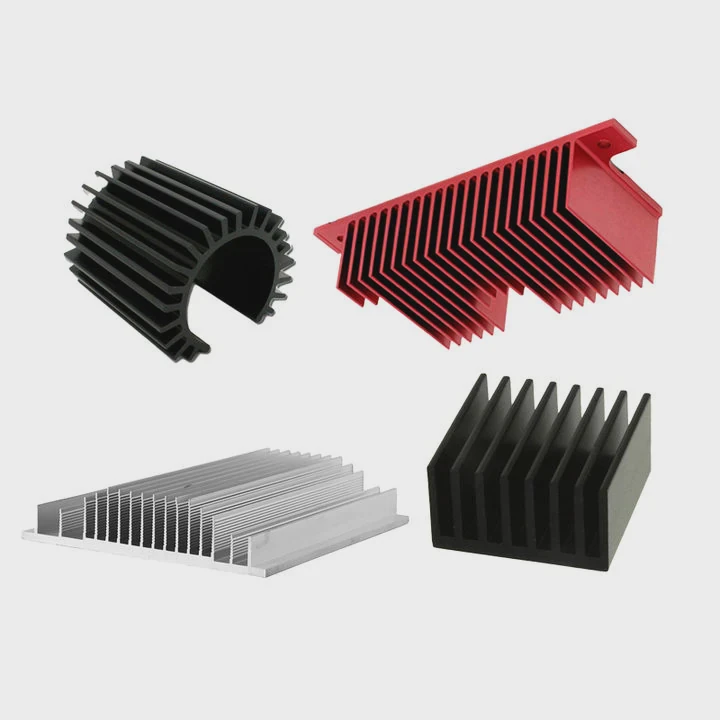
To avoid costly mistakes, companies need a system for compliance assurance. This typically includes:
Key Compliance Documents
| Document Type | Purpose |
|---|---|
| Declaration of Conformity (DoC) | Formal statement confirming compliance |
| Material Safety Data Sheet (MSDS) | Chemical breakdown of materials used |
| RoHS and REACH Test Reports | Third-party lab analysis for restricted items |
| Supplier Certificates | Verification from raw material providers |
| Full Material Disclosure (FMD) | Complete composition data, optional but useful |
A good practice is to work with certified labs that follow recognized standards like:
- IEC 62321 for RoHS substance testing
- ISO 17025-accredited test reports
- SVHC screening based on ECHA guidelines
Also, maintain a clean bill of materials (BoM) that tracks all parts and materials. Even gaskets, adhesives, or nameplates must meet compliance.
Real-World Tip:
Some large OEMs request product-level RoHS screening every batch, especially in the medical or automotive sectors. So it’s not just a one-time process.
Traceability should also include:
- Manufacturing lot numbers
- Date of production
- Coating or plating vendor certificates
Companies exporting to the EU should update these documents every 6–12 months or when new SVHCs are added.
Does anodizing impact compliance certifications?
Some engineers think anodizing is always RoHS-safe. That’s not true unless every step is carefully controlled.
Anodizing itself is usually RoHS and REACH compliant, but if chromate or other additives are used, the final product may fail.
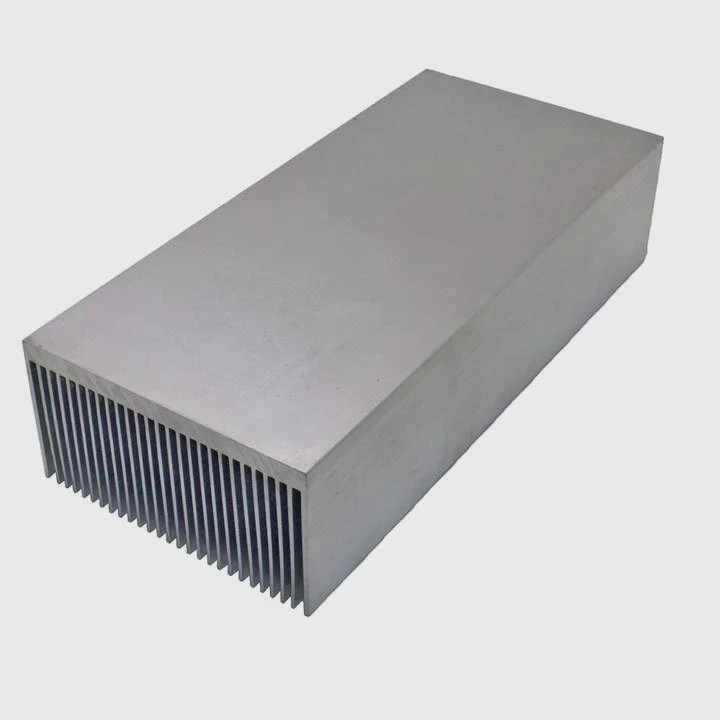
Anodizing forms a protective oxide layer on the aluminum surface. This layer improves corrosion resistance, durability, and looks. However, the chemicals used in pre-treatment, coloring, or sealing may introduce problems.
Common Risks in Anodizing
| Step | Potential Issue |
|---|---|
| Etching or desmutting | May use nitric or hydrofluoric acid |
| Coloring (especially black) | Some dyes may contain REACH-listed chemicals |
| Sealing | Chromate sealing is not RoHS compliant |
Safer Alternatives
- Use nickel acetate sealing instead of chromate.
- Choose organic dyes certified for RoHS/REACH use.
- Work with finishing vendors that offer certified clean processes.
If your anodizing vendor cannot provide REACH-compliant documentation, it’s safer to switch suppliers. Also, demand a Material Declaration Certificate for all finishes.
Even if the aluminum is clean, an unsafe sealant can make the whole product non-compliant.
Are recycled aluminum heat sinks EU-compliant?
Using recycled materials can be a good sustainability practice—but it doesn’t automatically meet EU chemical rules.
Recycled aluminum heat sinks can be fully RoHS and REACH compliant only if the recycled content is properly sourced and tested.
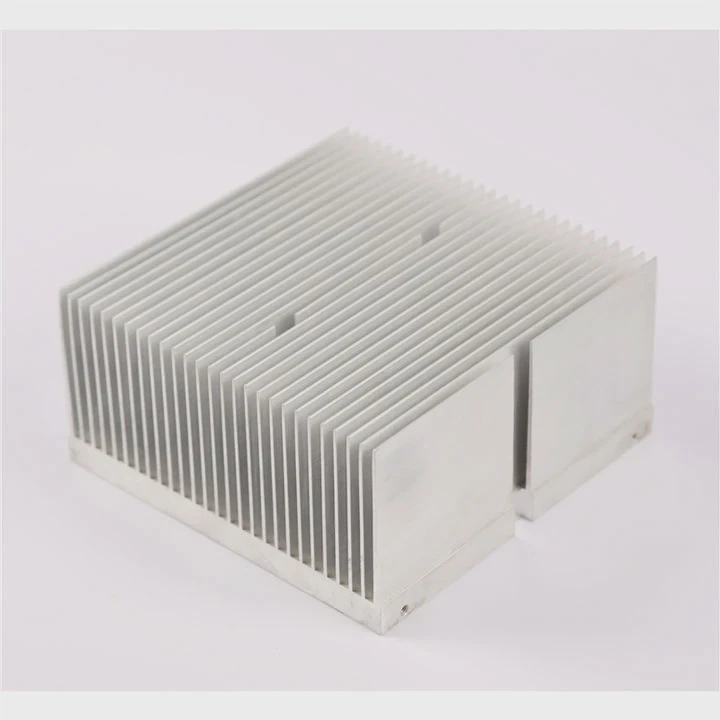
Recycled aluminum (secondary aluminum) is widely used to reduce energy and costs. However, it may contain trace impurities, especially from old paints, alloys, or solder.
Common Contaminants in Recycled Aluminum
- Lead (from older soldered parts)
- Cadmium (from pigments or coatings)
- Brominated flame retardants (in scrap electronics)
- Oils and lubricants used in machining
Because of these risks, using recycled aluminum requires strict input control. Best practices include:
How to Ensure Compliance with Recycled Aluminum
Use certified recycled ingots: Look for providers with EN/ISO certifications and detailed traceability records.
Test each batch: Run full RoHS and SVHC screenings to confirm impurity levels are below limits.
Blend with virgin aluminum: Many foundries mix recycled and new metal to balance purity and performance.
Keep separate production lines: Avoid cross-contamination by separating compliant and non-compliant scrap.
Ask for third-party certification: Agencies like TÜV or SGS can issue recycling compliance reports.
Sample Checklist for Buyers
| Item | Requirement | Verified (Yes/No) |
|---|---|---|
| Supplier has ISO 14001 certification | Environmental management | |
| Material includes full MSDS | Safety and chemical breakdown | |
| Lab test proves RoHS compliance | Pb, Cd, Hg, Cr⁶⁺ under limits | |
| SVHC screening done <6 months ago | Up-to-date REACH verification | |
| Batch number traceability enabled | From furnace to final product |
Sustainability is great—but in regulated markets like the EU, compliance always comes first. Buyers should never assume “recycled” equals “safe.”
Conclusion
Aluminum heat sinks can meet EU RoHS and REACH rules—but only if materials, coatings, and processes are fully documented and tested. Trust is built on clean data and certified supply chains.