Aluminum Heat sink MOQ pricing terms and custom lead time?
- Yongxing
- 04 Feb ,2026
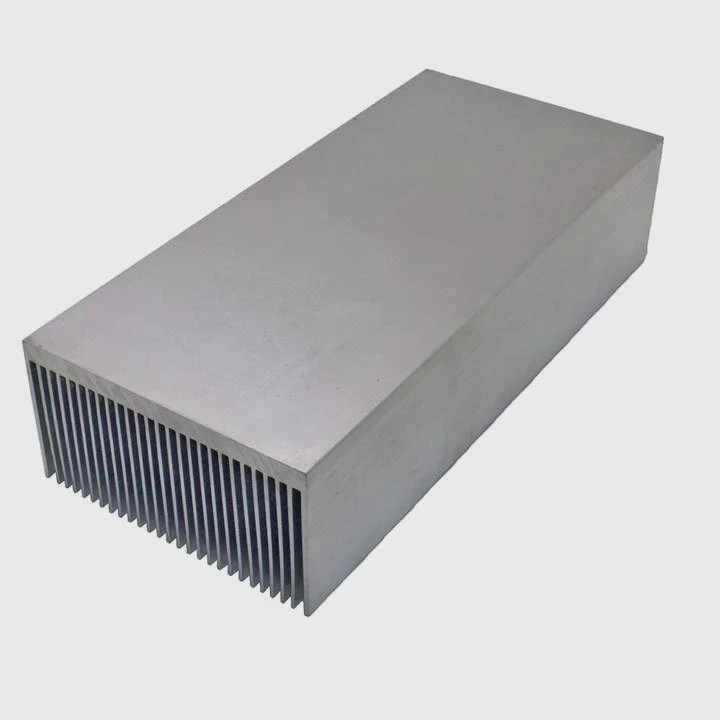
When sourcing aluminum heat sinks, pricing confusion often starts with MOQ, treatment specs, and lead time. Many buyers worry about hidden costs and unpredictable timelines.
Standard MOQs typically range from 300kg to 500kg per profile, but pricing and delivery time shift based on finishing, precision machining, and bulk volume.
Let’s break down how each element—from extrusion weight to anodizing—affects the timeline and cost structure. Understanding this helps avoid surprises and negotiate smarter.
What is the standard MOQ for custom extrusions?
Many buyers hesitate to develop custom profiles due to fears of high MOQs or expensive mold fees. This often delays project development or limits design innovation.
Standard MOQ for aluminum heat sink extrusions is 300kg to 500kg per profile, depending on complexity and alloy type.
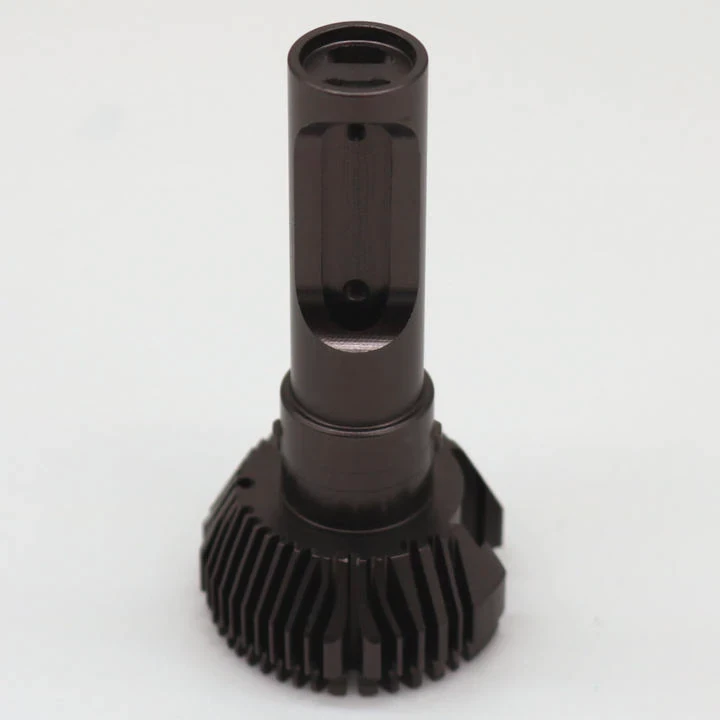
Custom extrusion tooling is usually a one-time investment. Most suppliers calculate MOQ based on weight rather than piece count. Here’s how it usually works:
MOQ Breakdown by Profile Type
| Profile Type | MOQ (Approx.) | Notes |
|---|---|---|
| Simple fin-type | 300kg | Standard 6063 alloy |
| Complex hollow profile | 400kg | Requires more pressure |
| Wide heat sink base | 500kg | Needs large press |
Why MOQ is Set by Weight
Aluminum extruders charge by kilograms because production setups waste some raw material. Also, smaller weights raise per-kg costs due to energy and tooling amortization.
In some cases, if your application requires limited quantities, MOQ can be negotiated—but often at a premium. Another option is using stock dies or semi-custom standard modules to lower thresholds.
How do surface treatments affect pricing tiers?
Many clients expect surface treatments like anodizing or powder coating to be minor cost additions. In reality, they significantly impact both price and lead time.
Yes, treatments like anodizing, powder coating, or chemical polishing add 15%-30% to base cost depending on color, gloss level, and finish depth.
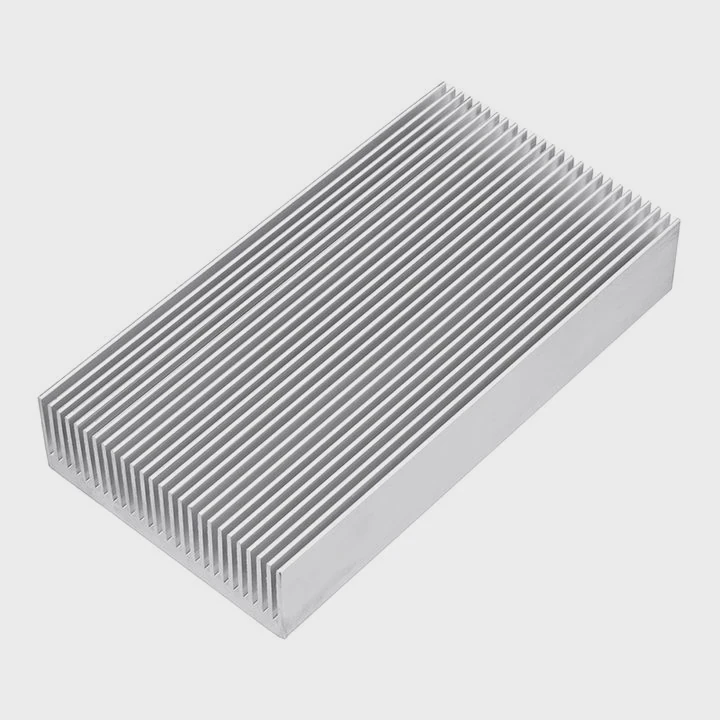
Pricing tiers change for different surface finishes due to labor, chemical use, and quality control:
Cost Impact of Surface Treatments
| Treatment Type | Cost Increase | Lead Time Impact | Notes |
|---|---|---|---|
| Clear anodizing | +15% | +2–3 days | Most common, stable pricing |
| Black anodizing | +20% | +3–5 days | Color control requires QC |
| Hard anodizing | +25–30% | +7 days | Used in industrial scenarios |
| Powder coating | +20–25% | +3–5 days | Depends on texture and thickness |
In many cases, custom colors (e.g., champagne gold, matte blue) need small-batch processing or special chemical mixes. This often pushes your order into a separate production window.
High-gloss or brushed finishes also need mechanical polishing before anodizing. This step can add labor time, increase scrap rate, and bump cost higher.
Can lead times vary based on anodizing or CNC needs?
Some buyers assume once extrusion is ready, the rest moves fast. But secondary processes like CNC or anodizing often determine actual delivery.
Yes, lead times can vary by 5–15 working days based on CNC depth and surface finish complexity.
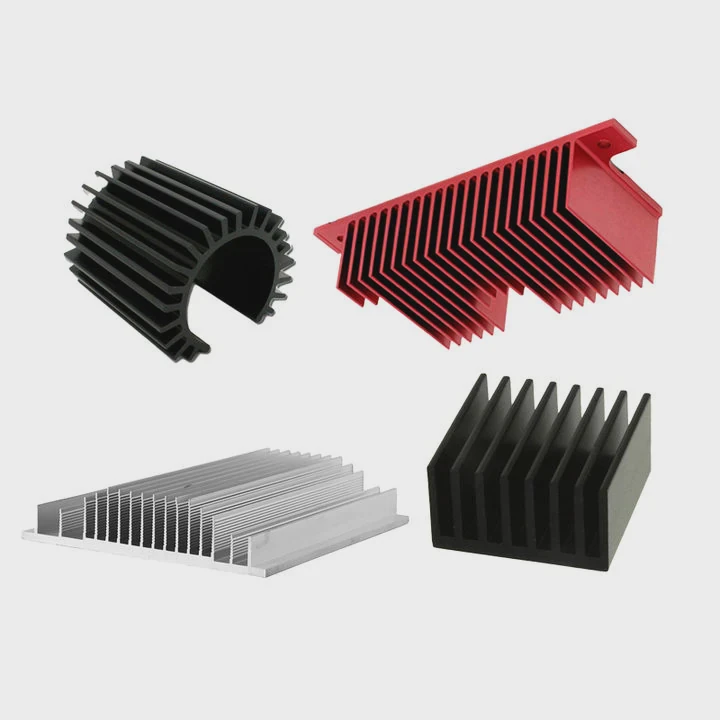
Factors That Affect Lead Time:
- Post-processing queue: Many extrusion plants outsource CNC and anodizing. If the third-party workshop is backlogged, timelines stretch fast.
- CNC complexity: Simple cuts take 1–2 days. Multi-surface milling or high-tolerance threading can take 5–7 days.
- Surface prep: Parts must be cleaned, deburred, and sometimes sandblasted before anodizing. This can add 1–2 days.
- Batch size vs. equipment: Large orders might be split into cycles if CNC centers or anodizing baths have limited capacity.
Typical Timeline Estimations
| Process | Average Time Needed | Notes |
|---|---|---|
| Extrusion only | 7–10 working days | After die trial and profile approval |
| Extrusion + CNC | 12–18 working days | Depends on complexity and accuracy |
| Extrusion + anodizing | 12–15 working days | More if color or matte finish required |
| Full set (CNC + finish) | 18–25 working days | Add buffer for polishing or QC |
If you need shorter cycles, communicate clearly about which steps matter most. Some vendors can parallel CNC and anodizing for simpler geometries, which can save 3–5 days.
Are bulk orders eligible for shorter production cycles?
Some buyers believe bigger orders always take longer. But bulk orders can often benefit from streamlined scheduling or better priority.
Yes, bulk orders above 2 tons may qualify for shorter lead times due to production batch optimization and tooling efficiency.
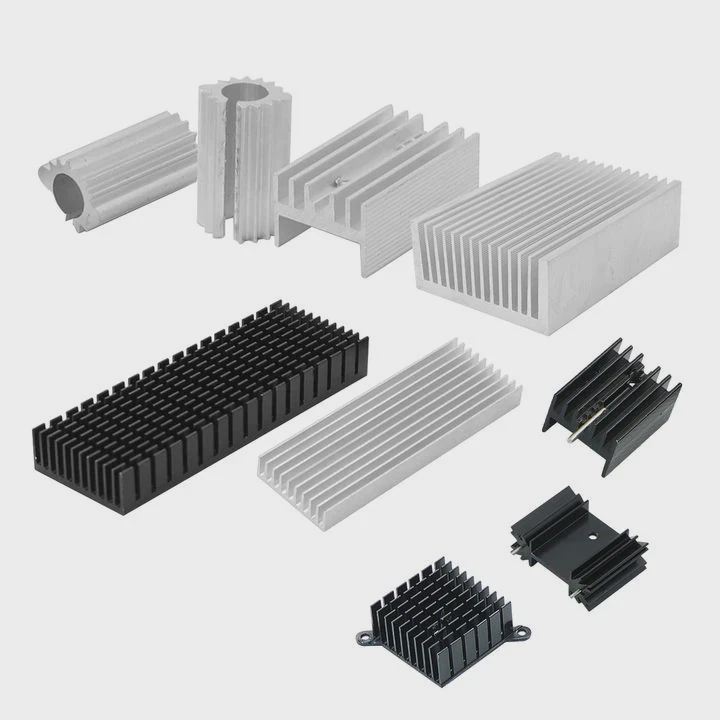
Larger orders give suppliers more flexibility in how they allocate time and material. Here’s why bulk sometimes means faster:
Efficiency Gains with Bulk Orders
- Dedicated die slots: Suppliers can reserve press time solely for your run.
- Batch anodizing: Large parts fill the bath more efficiently, reducing turnaround.
- Optimized CNC routing: Jigs and fixtures are reused across many parts, saving setup time.
- Lower scrap ratio: Large runs allow testing and calibration on early pieces, improving output rate later.
Minimum Quantity for Priority Lead Time
| Order Size (Extrusion Weight) | Priority Eligible? | Lead Time Estimate |
|---|---|---|
| Under 300kg | No | 20–25 working days |
| 300kg–1000kg | Partial | 15–20 days |
| 1000kg–2000kg | Yes | 12–15 days |
| 2000kg+ | Strong Yes | 10–12 days |
When negotiating with suppliers, emphasize your bulk plan and ask about reserved scheduling windows. You might also gain from better unit pricing and free packaging upgrades.
Conclusion
Understanding how MOQ, surface finishing, and CNC demands influence pricing and delivery helps you plan smarter and negotiate with confidence. Bulk buying, when timed right, can even shorten your timeline.