Typical Aluminum Heat sink delivery time export packaging options?
- Yongxing
- 04 Feb ,2026
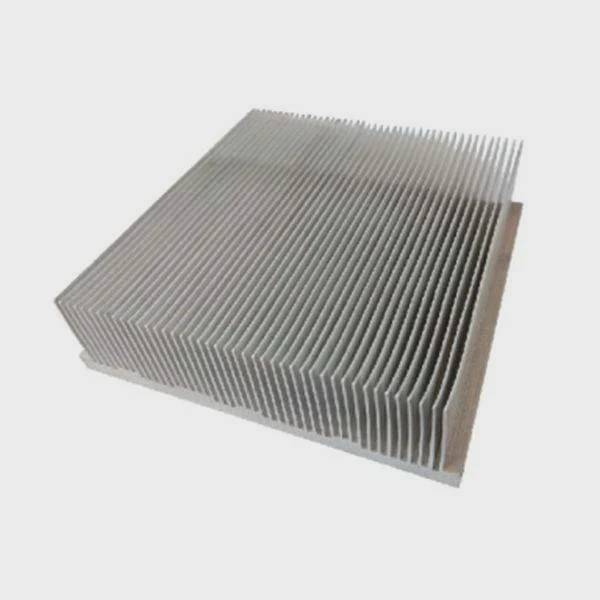
When clients need custom heat sinks, the first question is often: how soon can we get them? Long wait times and shipping risks create real worries.
Aluminum heat sinks usually take 2–6 weeks from production to delivery, depending on design complexity, volume, and shipping method.
To keep your project on track and your parts safe, it’s important to understand the full production and logistics timeline. Let’s break it down and see what packaging options are best suited for each step.
What is the usual production-to-delivery timeline?
Clients often feel anxious not knowing when their parts will arrive. Complex designs or missed steps in scheduling can cause long delays.
A typical timeline for aluminum heat sinks ranges from 2 to 6 weeks, including production, inspection, and export logistics.
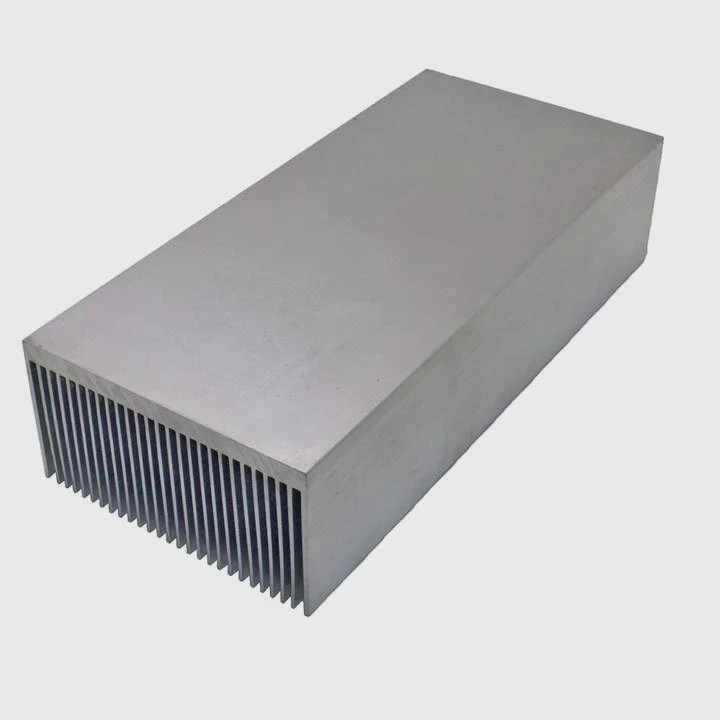
Every step in the process affects the timeline. Here’s how it usually looks:
Production Process Breakdown
| Stage | Estimated Duration |
|---|---|
| Raw Material Preparation | 2–3 days |
| CNC Machining | 3–7 days (per batch) |
| Surface Treatment | 2–5 days |
| Inspection & Testing | 1–2 days |
| Packaging | 1 day |
| Customs & Export | 2–5 days |
| International Shipping | 5–21 days |
Delays may come from custom tooling, surface treatment bottlenecks, or logistics issues during export clearance.
Factors That Can Extend Timelines
- Custom Extrusion Dies: Add 7–10 extra days.
- Anodizing Queue: Busy periods may delay coating.
- Inspection Rework: Some batches need adjustments before passing QC.
- Shipping Method: Air freight is faster but more expensive; sea freight takes longer but saves cost.
Best Practices
- Finalize drawings early.
- Approve samples promptly.
- Confirm packaging and shipping terms before mass production.
- Use Incoterms like FOB or DDP to clarify responsibilities.
Clear planning and real-time updates can help avoid last-minute surprises.
How are heat sinks protected during global shipping?
Logistics can go wrong at any point. No one wants a pallet of precision-milled parts showing up scratched or bent.
Heat sinks are usually protected using anti-static film, foam separators, and sturdy cartons or crates with moisture resistance during global transport.
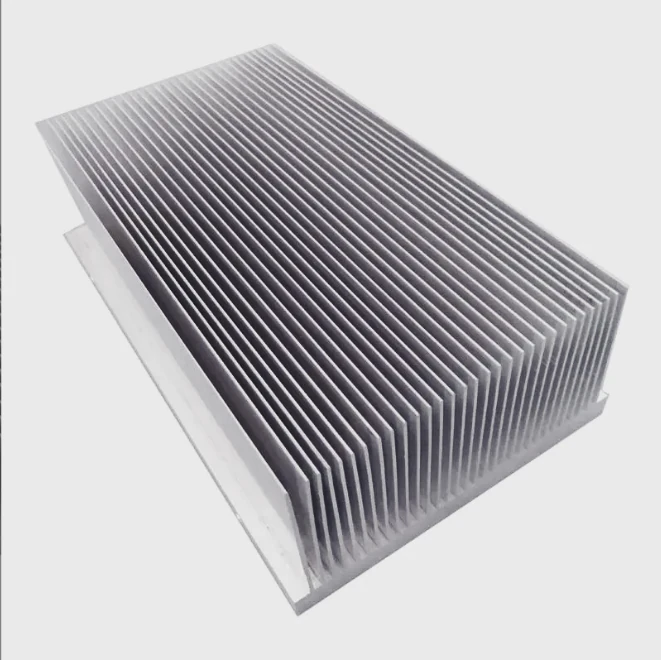
Damage during transport often happens due to friction, vibration, stacking pressure, or moisture exposure. Good packaging protects against all these.
Common Packaging Structure
| Layer | Function |
|---|---|
| PE Film Wrap | Scratch prevention, minor dustproof |
| EVA Foam or EPE Sheets | Shock absorption, impact resistance |
| Partitioned Carton | Isolates each heat sink from contact |
| Desiccant Packs | Reduces moisture damage risk |
| Outer Wooden Crate | Structural protection for bulk loads |
Why Crates Matter
For international shipments, especially LCL (less-than-container-load), crates prevent cargo from shifting and compressing during sea transit. They also help meet ISPM-15 standards when using solid wood.
Heat sinks with complex fins or lightweight arms are more prone to bending or warping. Crates keep them firmly in place and reduce rough handling.
Labeling & Documentation
Each carton or crate includes:
- Model & quantity labels
- Handling marks: “Fragile”, “Keep Dry”
- Packing list inside a pouch
- Customs documents (commercial invoice, certificate of origin)
Proper paperwork avoids customs delays and ensures smooth delivery at destination.
Which packaging prevents anodized surface damage?
Even a small scratch ruins the visual effect of anodizing. For customers in medical, automotive, or aerospace, surface defects are unacceptable.
To protect anodized finishes, use PE film wrapping, foam cushioning, and non-abrasive partitions inside the packaging.
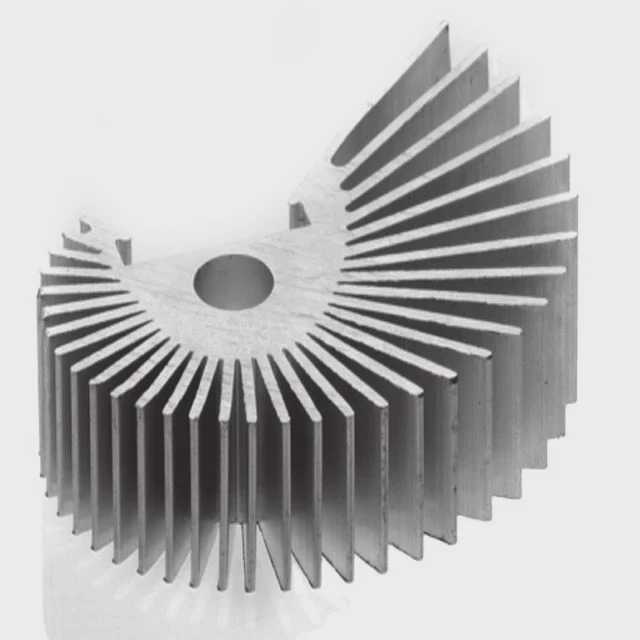
Anodizing creates a thin oxide layer on the surface. While it increases corrosion resistance, it’s also more prone to scuffing during handling.
Recommended Packaging Materials
| Material | Function |
|---|---|
| Soft PE Wrap | Direct surface protection |
| White EPE Foam | Anti-scratch and anti-static |
| Custom Molded Tray | Fixes irregular shapes in place |
| Cardboard Partitions | Prevents metal-to-metal contact |
| Silicone Desiccants | Avoids moisture spots/discoloration |
Case Example: Medical Equipment Heatsinks
One batch for a Japanese medical imaging client required mirror-finish anodized parts. We used:
- Double PE wrap
- EPE foam on all contact faces
- Honeycomb cardboard box
- Anti-shock corners
- Individual barcode stickers
All parts passed incoming inspection without surface damage after sea freight.
Handling Guidelines
Even the best packaging won’t help if handling is rough. So we always:
- Train packing staff on finish sensitivity
- Add visible handling signs
- Use pallet edge protectors and stretch wrap
- Avoid stacking more than 3 layers high
Good packaging is not just material — it’s also about the packing process and clear instructions.
Are there eco-friendly packaging options available?
Sustainability is no longer optional. Many clients want to reduce plastic and non-recyclable packaging.
Yes, eco-friendly packaging like paper foam, molded pulp trays, and recyclable honeycomb cardboard are available for aluminum heat sinks.
Environmental goals now influence packaging decisions in global trade. Europe and North America, especially, prefer recyclable and low-carbon materials.
Sustainable Packaging Materials
| Eco Option | Description |
|---|---|
| Molded Pulp Trays | Paper-based, biodegradable |
| Honeycomb Cardboard | High strength, recyclable |
| Kraft Paper Wrap | Replaces PE film, compostable |
| Paper Bubble Wrap | Shock resistance without plastic |
| Paper Tape | Fully recyclable, replaces BOPP tape |
Pros and Cons
| Material | Pros | Cons |
|---|---|---|
| Kraft Wrap | Eco-friendly, clean look | Less waterproof |
| Pulp Trays | Great fit for custom shapes | Higher cost for small runs |
| Honeycomb Board | Durable, strong | Bulky for compact shipments |
| Paper Foam | Lightweight, good for kits | Requires dry storage |
How to Transition
- Start with outer cartons and tape
- Replace PE film with kraft wrap for anodized parts
- Use molded trays for repeat items
- Ask customers for packaging preferences
Eco-packaging works best when coordinated with the customer and tested during trial shipments. Not every product fits every green material, but a gradual shift helps reduce waste.
Conclusion
Typical aluminum heat sink exports take 2–6 weeks, depending on production and shipping. Good packaging prevents damage, especially to anodized surfaces. Eco-friendly options are increasingly available and practical for global buyers.