Are Heat Sinks Available With Anodized Surface?
- Yongxing
- 25 May ,2026
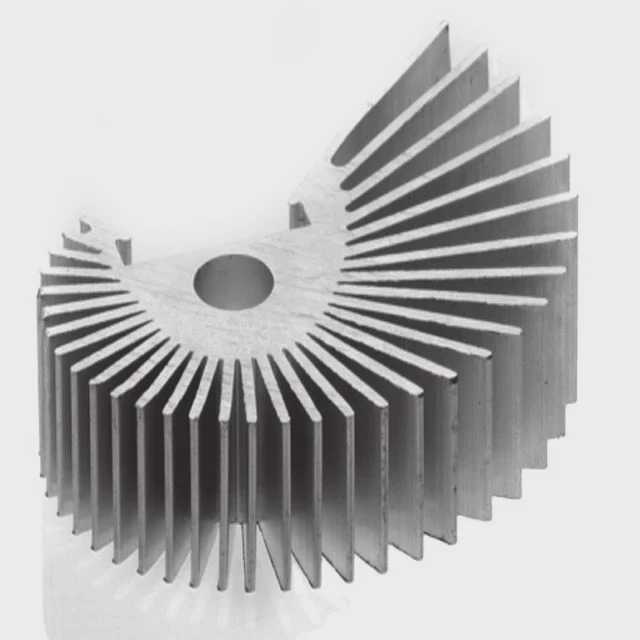
Many electronic devices fail because of heat, corrosion, or poor surface protection. Buyers often wonder if anodized heat sinks can solve these problems without hurting cooling performance.
Yes, many aluminum heat sinks are available with anodized surfaces. Anodizing improves corrosion resistance, surface hardness, appearance, and electrical insulation while still maintaining strong thermal performance for most applications.
Anodized heat sinks are now common in industries such as 5G communication, renewable energy, rail transit, medical systems, and industrial electronics. Many engineers choose anodizing not only for appearance, but also for long-term durability and environmental protection. Different anodizing colors and thicknesses can also meet branding and technical requirements. Understanding how anodizing works helps buyers select the right surface treatment for their thermal management systems.
What benefits does anodizing provide?
Bare aluminum surfaces can oxidize, scratch, or wear down over time. In harsh environments, this creates reliability concerns for thermal systems.
Anodizing provides corrosion resistance, improved surface hardness, electrical insulation, better appearance, and longer service life for aluminum heat sinks.
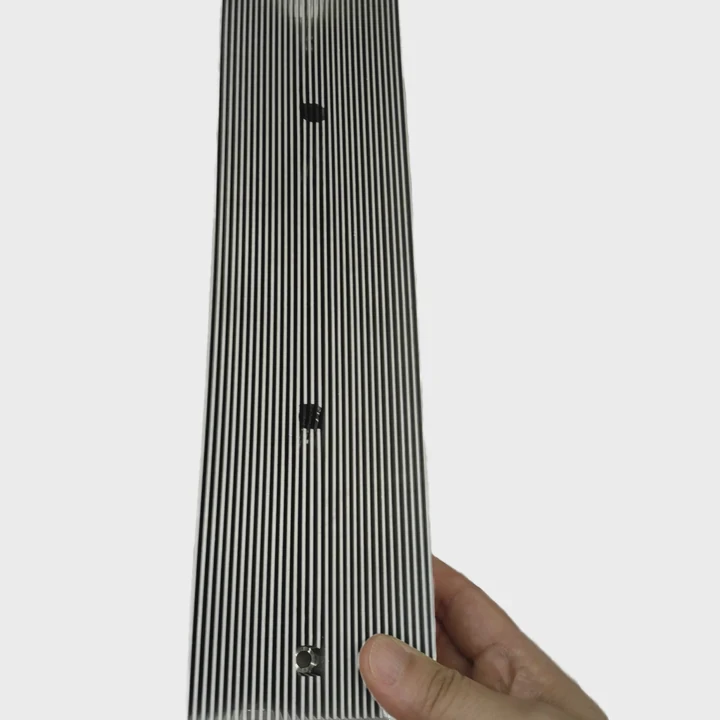
Anodizing is an electrochemical surface treatment process. It creates a controlled oxide layer on the aluminum surface. Unlike paint or coating, the anodized layer becomes part of the aluminum itself. This makes the surface stronger and more stable.
Corrosion Resistance Improves Significantly
Aluminum naturally forms a thin oxide layer when exposed to air. Still, this natural layer is often too weak for industrial environments.
Anodizing thickens this oxide layer and improves resistance against:
- Humidity
- Salt spray
- Industrial pollution
- Chemical exposure
- Outdoor weather
This becomes important in industries such as:
- Rail transit
- Marine electronics
- Renewable energy systems
- Outdoor telecom equipment
In one project involving outdoor communication cabinets, anodized aluminum heat sinks showed much better long-term surface stability than untreated aluminum after continuous humidity testing.
Surface Hardness Increases
Anodized surfaces are harder than raw aluminum.
This helps reduce:
- Surface scratches
- Handling damage
- Wear during assembly
- Friction damage
For industrial systems with frequent maintenance or transportation, stronger surface protection reduces cosmetic and structural damage.
Better Appearance and Consistency
Many buyers also choose anodizing for appearance.
The anodized layer creates a clean and professional surface finish. It also improves consistency across production batches.
Common anodized finishes include:
| Anodizing Type | Appearance |
|---|---|
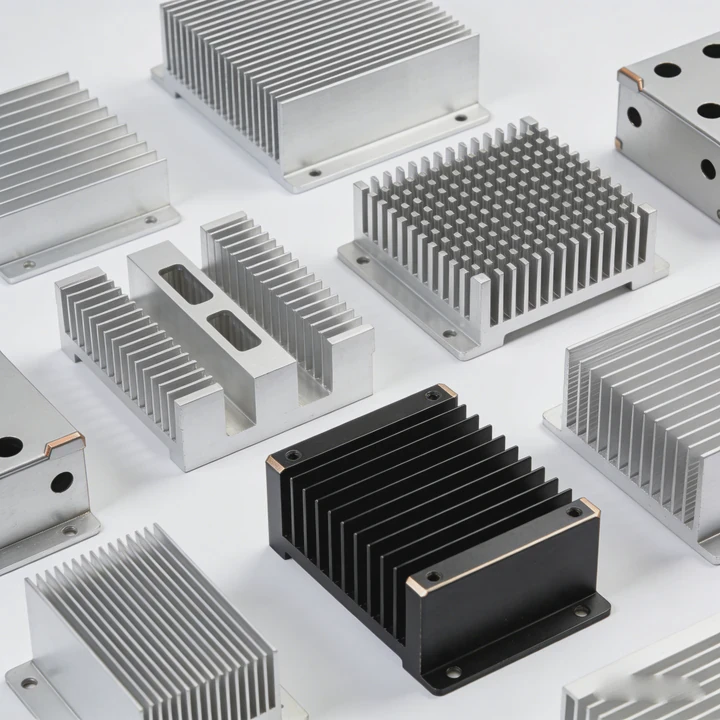
| Clear Anodizing | Natural silver |
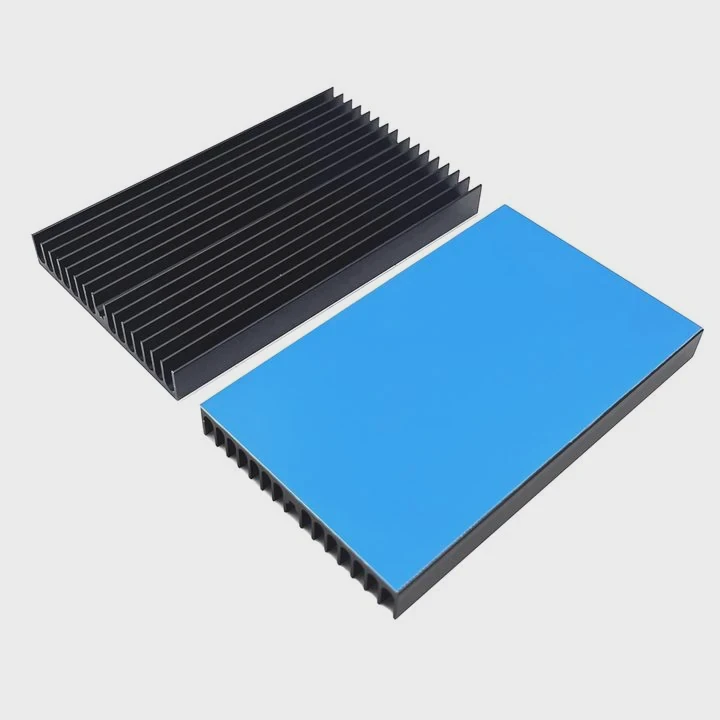
| Black Anodizing | Matte black |
| Blue Anodizing | Decorative blue |
| Red Anodizing | Industrial decorative |
| Gold Anodizing | Premium appearance |
Black anodized heat sinks are especially common in power electronics and LED lighting products.
Electrical Insulation Benefits
The anodized oxide layer has electrical insulation properties.
This can help:
- Reduce accidental electrical contact
- Improve safety
- Protect sensitive components
Still, designers must remember that anodized surfaces are not perfect replacements for dedicated insulation materials.
Improved Product Value
Anodized heat sinks often create a higher-end appearance. This matters in commercial equipment where visible product quality influences customer perception.
Products with anodized finishes often appear:
- Cleaner
- More modern
- More durable
- More professional
This is one reason why anodized heat sinks are widely used in premium industrial electronics and consumer equipment.
Different Industries Use Different Anodizing Standards
Not all anodizing processes are the same.
Some applications require:
- Thick hard anodizing
- Cosmetic anodizing
- RoHS-compliant treatment
- High-corrosion-resistance anodizing
The correct process depends on the thermal system environment and reliability target.
Does anodized coating improve durability?
Many buyers worry that aluminum heat sinks may wear out too quickly in difficult environments. Surface durability becomes a major concern for long-life equipment.
Yes, anodized coating greatly improves heat sink durability by increasing corrosion resistance, surface hardness, wear resistance, and environmental stability.
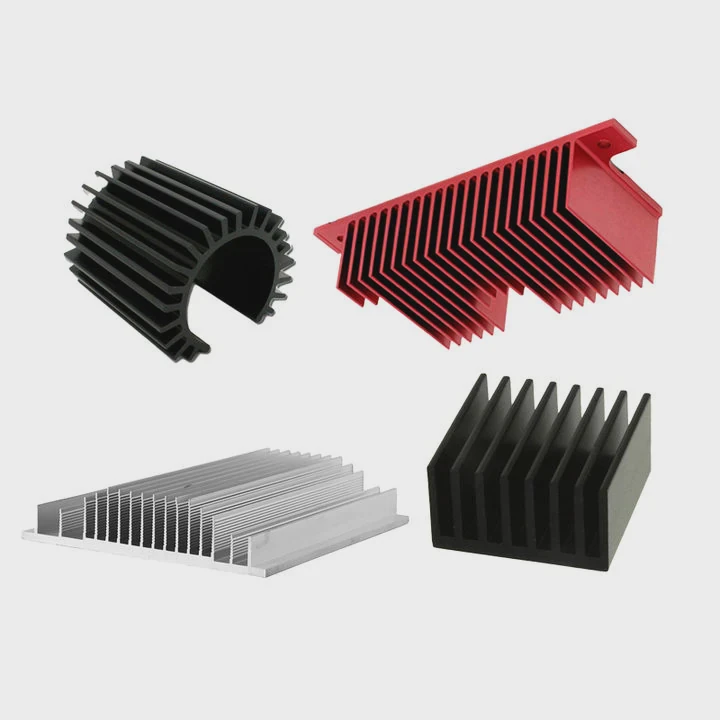
Durability matters in industries where equipment operates continuously for years. Heat sinks in outdoor telecom stations, railway systems, or energy storage equipment often face vibration, dust, humidity, and temperature cycling.
The Oxide Layer Protects the Base Metal
The anodized layer acts like a protective shield.
Unlike paint, anodizing does not simply sit on top of the surface. It becomes integrated with the aluminum structure. This reduces risks like:
- Peeling
- Chipping
- Cracking
- Surface separation
This is one reason anodized heat sinks maintain appearance longer than painted surfaces in industrial environments.
Hard Anodizing Offers Strong Protection
Hard anodizing creates a thicker and denser oxide layer.
This process improves:
- Abrasion resistance
- Surface hardness
- Chemical resistance
- Mechanical durability
Hard anodized heat sinks are often used in:
- Aerospace systems
- Military electronics
- Industrial automation
- Heavy-duty power equipment
Environmental Resistance Improves
Many electronic systems face harsh environmental conditions.
Anodized heat sinks resist:
| Environmental Factor | Benefit of Anodizing |
|---|---|
| Moisture | Reduced corrosion |
| Salt Exposure | Better oxidation resistance |
| UV Exposure | Stable appearance |
| Dust and Dirt | Easier cleaning |
| Temperature Cycling | Stable surface structure |
Outdoor energy storage systems especially benefit from anodized surfaces because they often operate in humid or polluted environments.
Surface Stability During Transportation
Large aluminum heat sinks can suffer scratches during packaging and shipping.
Anodized surfaces provide stronger protection against:
- Handling marks
- Packaging friction
- Tool contact
- Installation damage
This becomes important for exported thermal management products shipped internationally.
Durability Supports Long Product Life
Long-life industries demand stable performance for many years.
This includes:
- Rail transit systems
- Medical devices
- Renewable energy equipment
- Semiconductor manufacturing systems
A damaged or corroded heat sink can eventually affect thermal performance, structural stability, or customer trust.
Poor Anodizing Can Still Cause Problems
Not all anodizing quality is equal.
Low-quality anodizing may create issues such as:
- Uneven color
- Thin oxide layers
- Surface stains
- Poor adhesion
- Inconsistent thickness
That is why experienced manufacturers perform inspections like:
- Salt spray testing
- Thickness measurement
- Surface uniformity checks
- Adhesion testing
Manufacturing Control Matters
The durability of anodized heat sinks depends heavily on process control.
Important factors include:
- Electrolyte chemistry
- Current density
- Temperature control
- Surface cleaning
- Sealing quality
Reliable suppliers monitor these parameters carefully to maintain stable production quality.
Which heat sinks use colored anodizing?
Many modern products require both thermal performance and attractive appearance. Colored anodizing helps manufacturers combine function with visual design.
Colored anodizing is commonly used on aluminum heat sinks for consumer electronics, LED systems, industrial equipment, automotive electronics, and branded OEM products.
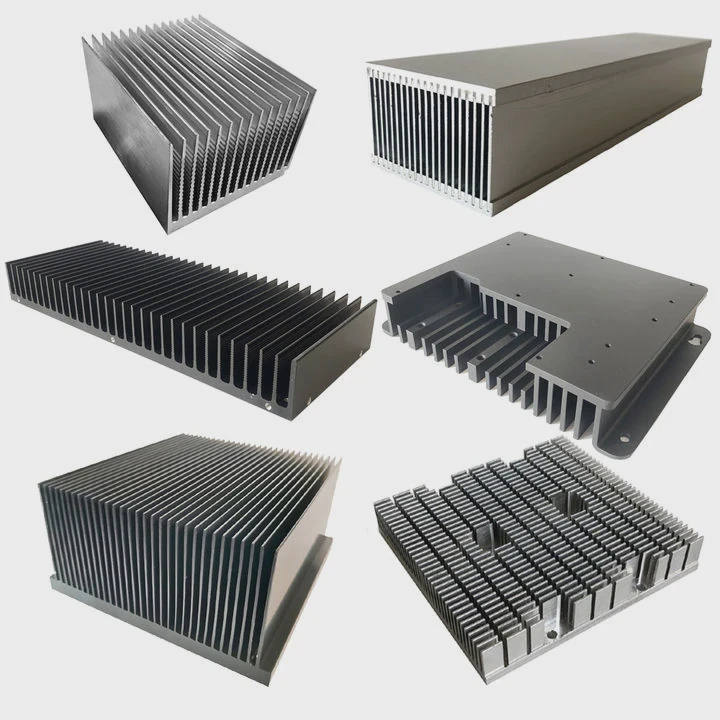
Colored anodizing allows manufacturers to add visual identity while maintaining the advantages of anodized aluminum surfaces.
Black Anodized Heat Sinks Are the Most Common
Black anodizing is widely used in thermal management systems.
This finish offers:
- Professional appearance
- Reduced visible scratches
- Improved radiation heat dissipation
- Better compatibility with industrial equipment
Black anodized heat sinks appear frequently in:
- Power supplies
- LED lighting
- Communication equipment
- AI servers
- Industrial controllers
Many engineers prefer black anodizing because it balances aesthetics and practical thermal performance.
Decorative Colors Are Used in Consumer Products
Some industries use colored anodizing mainly for branding and product differentiation.
Popular colors include:
- Blue
- Red
- Gold
- Purple
- Green
These finishes are common in:
- Gaming PCs
- Audio amplifiers
- Consumer electronics
- Automotive accessories
Color Consistency Is Important
OEM buyers often require stable color consistency across production batches.
This becomes challenging because anodizing color depends on:
- Aluminum alloy composition
- Surface preparation
- Oxide thickness
- Dye process
- Sealing method
Experienced manufacturers maintain strict process control to reduce visible color variation.
Some Industries Prefer Natural Aluminum Finish
Not all applications need decorative colors.
Industries such as:
- Medical equipment
- Aerospace
- Semiconductor manufacturing
often choose clear or natural anodizing for a cleaner and more technical appearance.
Colored Anodizing Does Not Mean Paint
Some buyers confuse anodizing with painting.
The difference is important.
| Surface Method | Surface Structure |
|---|---|
| Paint | External coating |
| Powder Coating | Surface layer |
| Anodizing | Integrated oxide layer |
Anodizing maintains the metallic texture of aluminum while adding color inside the oxide layer.
Color Selection Can Support Branding
Many OEM customers select anodized colors based on product identity.
For example:
- Black for industrial systems
- Blue for telecom equipment
- Red for gaming products
- Gold for premium electronics
This creates stronger product recognition in competitive markets.
Thermal Applications Still Require Engineering Focus
Appearance should not become the only priority.
Thermal engineers still evaluate:
- Heat dissipation
- Airflow design
- Fin geometry
- Material thickness
- Contact flatness
The surface finish is only one part of the total thermal solution.
Are thermal properties affected by anodizing?
Some buyers worry that anodizing may reduce heat transfer efficiency. This becomes a common question during thermal system design.
Anodizing slightly affects thermal properties, but in most heat sink applications, the impact is small and does not significantly reduce overall cooling performance.
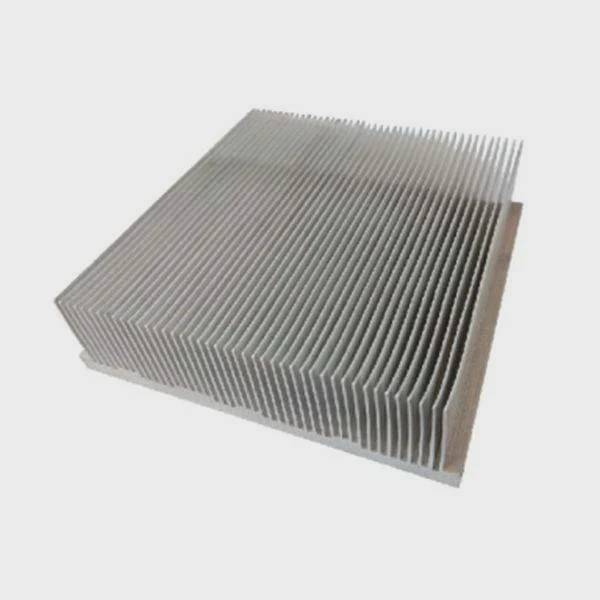
The relationship between anodizing and thermal performance depends on several factors, including heat transfer method, anodizing thickness, and operating environment.
The Oxide Layer Has Lower Thermal Conductivity
Aluminum itself has very high thermal conductivity.
The anodized oxide layer has lower conductivity than raw aluminum. Technically, this adds a small thermal barrier.
Still, the anodized layer is extremely thin in most applications.
Typical anodizing thickness ranges from:
- 5 to 25 microns for standard anodizing
- 25 to 100 microns for hard anodizing
Because the layer remains thin, the overall thermal impact is usually minimal.
Radiation Heat Transfer Can Improve
Black anodized surfaces often improve thermal radiation efficiency.
This matters in systems where:
- Natural convection dominates
- Airflow is limited
- Surface radiation contributes significantly
Black surfaces generally radiate heat better than shiny metallic surfaces.
Conduction and Radiation Must Be Balanced
Thermal performance involves several mechanisms.
These include:
| Heat Transfer Method | Influence of Anodizing |
|---|---|
| Thermal Conduction | Slight reduction |
| Thermal Radiation | Possible improvement |
| Convection Cooling | Minimal impact |
| Contact Resistance | Depends on interface quality |
In many practical applications, airflow and heat sink geometry influence performance far more than anodizing thickness.
Thermal Interface Areas Need Attention
Engineers often avoid anodizing on direct mounting surfaces.
This is because the oxide layer can increase contact resistance between:
- Heat sink base
- Power module
- CPU surface
- Thermal interface material
Many manufacturers machine or mask critical contact areas before anodizing.
Hard Anodizing Has Greater Thermal Impact
Hard anodized layers are thicker.
This can create slightly larger thermal resistance compared to cosmetic anodizing.
Still, many industrial systems accept this tradeoff because durability becomes more important than maximizing thermal conductivity.
Real Thermal Performance Depends on Total Design
Heat sink performance depends on many variables together.
For example:
- Fin spacing
- Air velocity
- Material selection
- Surface flatness
- Mounting pressure
- Heat pipe integration
In real projects, optimizing airflow often creates larger thermal gains than removing anodizing.
Thermal Testing Is Still Necessary
Engineering teams should verify actual performance through testing.
Reliable suppliers often provide:
- Thermal simulation
- Wind tunnel testing
- Thermal resistance reports
- Infrared temperature analysis
This helps buyers validate whether anodized heat sinks meet system requirements before mass production.
Conclusion
Anodized heat sinks provide strong benefits in durability, corrosion resistance, appearance, and long-term reliability. While anodizing slightly changes thermal properties, properly designed anodized heat sinks still deliver excellent cooling performance across many demanding industrial and electronic applications.