Are heat sinks suitable for heat exchange systems?
- Yongxing
- 25 May ,2026
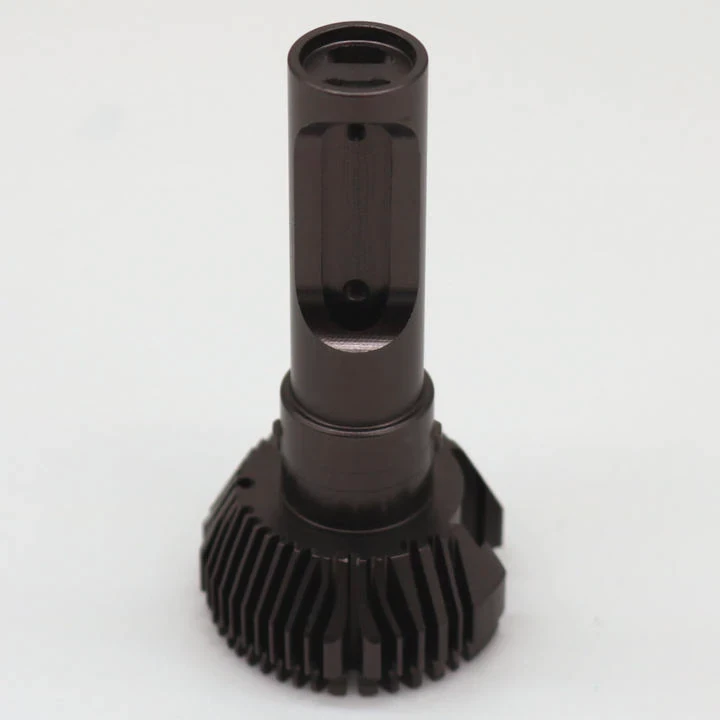
Heat rises fast. If a system cannot move it away, parts slow down, fail early, or need costly repairs.
Yes, heat sinks can be suitable for heat exchange systems when the design needs simple, stable, and low-maintenance heat transfer. They work best when matched with the right airflow, surface area, material, and thermal path.
A heat sink is not a full heat exchanger in every case. But it can become a key part of one. In many real projects, the best result comes from using heat sinks with air, liquid, or system-level cooling parts.
Which heat exchangers use passive cooling?
Passive cooling sounds simple, but many systems fail because the heat path is too weak. A poor design lets heat stay near the source.
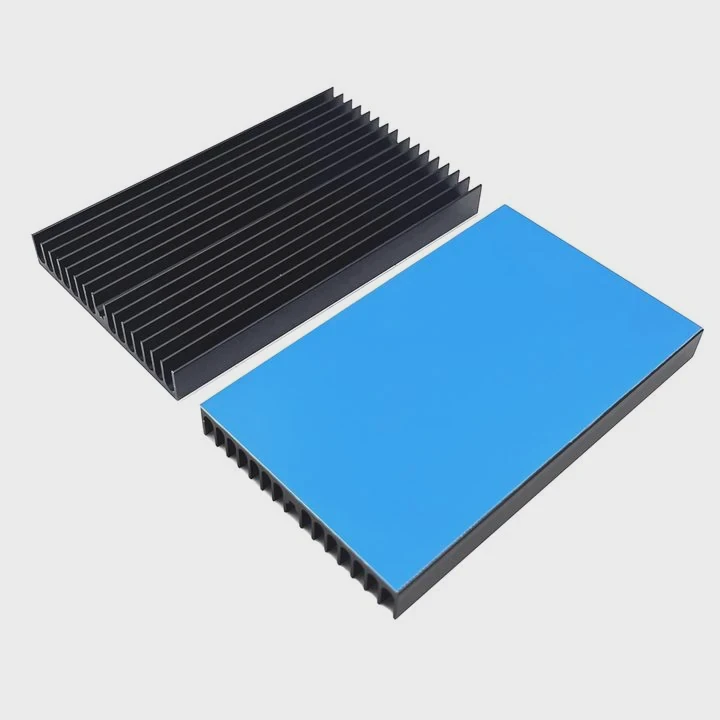
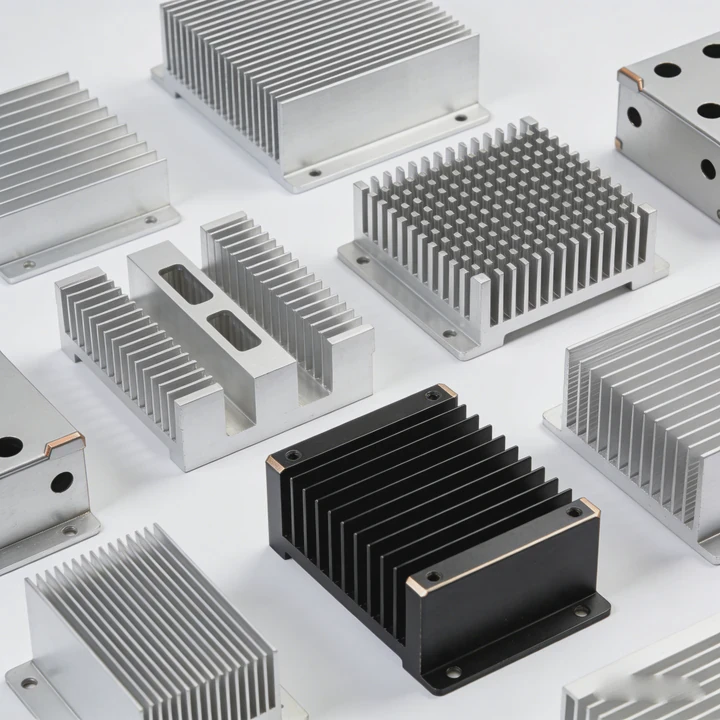
Passive cooling heat exchangers include natural convection heat sinks, finned enclosures, plate-fin units, chimney-style cooling structures, and radiator-like systems that do not rely on powered fans or pumps.
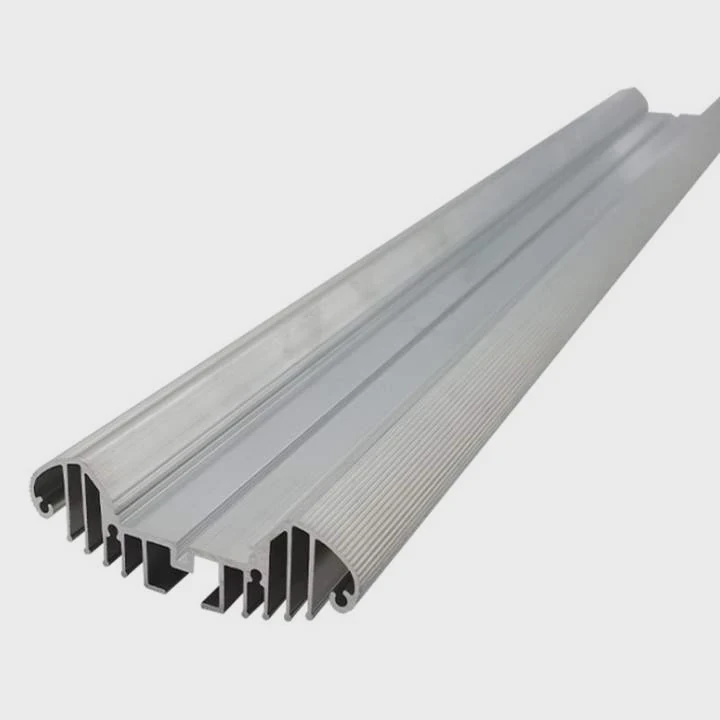
Passive cooling works when heat can move from a hot part to a cooler area without active force. In my project work, this often starts with one direct question: where does the heat go after it leaves the component? If the answer is unclear, the passive system will not be stable. A heat sink can help because it gives heat more surface area. More surface area gives air more contact points. That helps heat leave the metal surface faster.
Common passive cooling structures
| Passive cooling type | How it works | Common use |
|---|---|---|
| Natural convection heat sink | Air rises through fins without a fan | Power modules, control boxes |
| Finned enclosure | The housing itself becomes the heat sink | Outdoor electronics, telecom boxes |
| Plate-fin structure | Thin fins spread heat into air | Compact power devices |
| Chimney-style heat sink | Vertical channels guide warm air upward | Rail, industrial cabinets |
| Heat pipe plus fins | Heat pipe moves heat to a fin area | High heat density electronics |
The main limit is temperature difference. Passive cooling needs a clear gap between the hot surface and the surrounding air. If the air is already hot, the heat sink has less room to work. This is why passive heat exchangers need careful fin spacing, fin height, and mounting direction. Vertical fins often work better for natural convection because warm air can rise more easily.
When passive cooling makes sense
Passive cooling is useful when noise, dust, power use, and maintenance must stay low. It is also useful in sealed equipment. A fan may look like a simple fix, but it can pull dust into the system. It can also fail. A passive heat sink has no moving parts, so it can give a longer service life. Still, it needs enough space. A small heat sink cannot remove large heat loads by magic. The design must match the heat load, the allowed surface temperature, and the real working environment.
Can fin design improve heat exchanger performance?
Many people blame the material first, but fin shape often creates the real bottleneck. Bad fins can waste good aluminum or copper.
Yes, fin design can improve heat exchanger performance by increasing surface area, guiding airflow, reducing thermal resistance, and improving contact between the cooling medium and the metal surface.
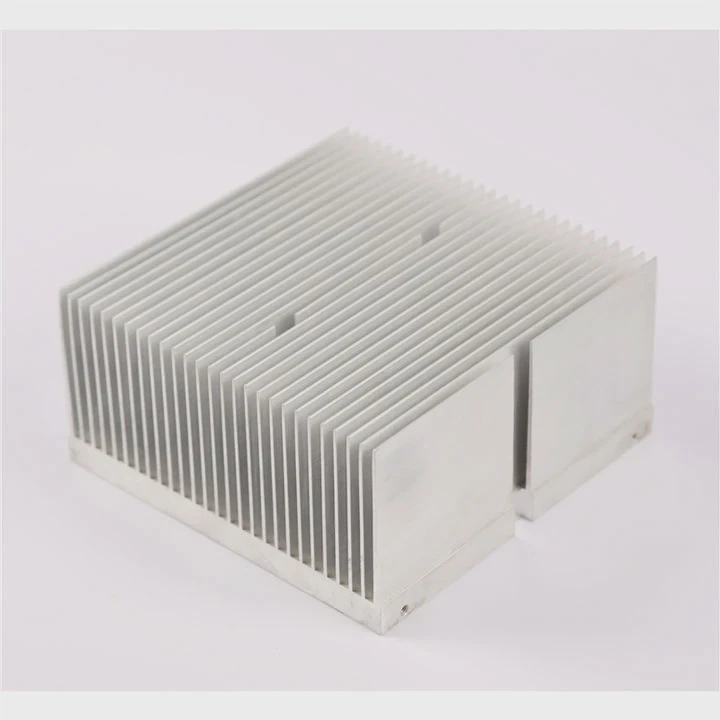
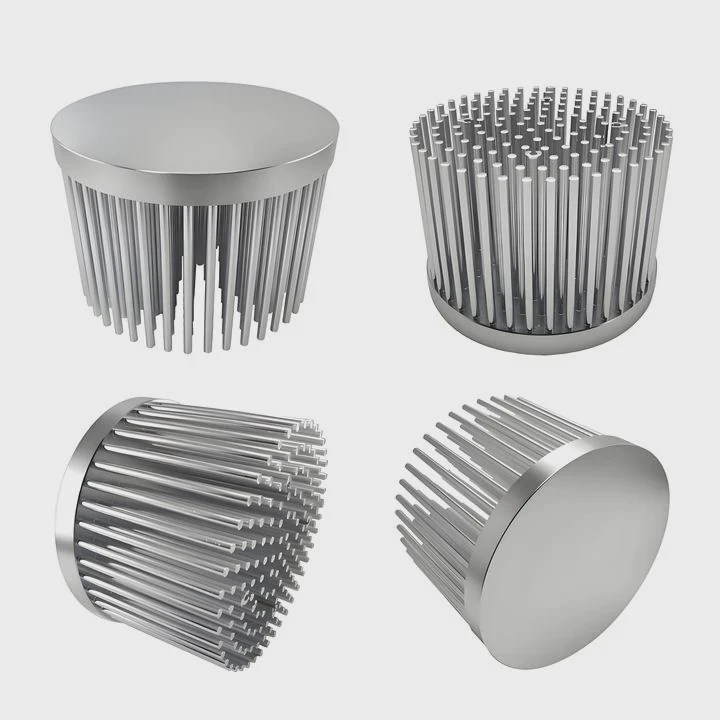
Fin design is one of the most practical ways to improve a heat sink inside a heat exchange system. The goal is not just to add more fins. The goal is to help heat move out with less resistance. A dense fin pack may look powerful, but it can block airflow. When air cannot move through the channels, the extra fins do not help much. In natural convection, this problem is more serious because the airflow is weak. In forced air systems, dense fins can work better, but the fan must overcome the pressure drop.
Main fin design factors
| Fin factor | What it changes | Design risk |
|---|---|---|
| Fin height | Adds surface area | Too tall may bend or add weight |
| Fin thickness | Improves heat spreading | Too thick reduces air space |
| Fin spacing | Controls airflow | Too narrow blocks air |
| Fin shape | Guides air movement | Complex shapes may raise cost |
| Base thickness | Spreads heat before fins | Too thick adds thermal mass |
A good fin design starts with the heat source. A small hot chip needs strong spreading at the base. A wide heat source may need less spreading but more surface area. This is why the same heat sink shape cannot solve every heat exchanger problem. The base, fins, and airflow must be designed as one system.
Why fin spacing matters
Fin spacing is often the detail that separates a stable design from a weak one. For passive cooling, wider spacing helps warm air rise. For forced air cooling, tighter spacing may increase area, but the airflow must be strong enough. If the fan is small, tight fins can create pressure loss. Then the air slows down, and the heat sink performs worse than expected.
In real design reviews, I like to compare three values before changing fin geometry: heat load, airflow path, and allowed pressure drop. These three values show whether the fins should be taller, wider, thinner, or fewer. A heat sink is not only a metal part. It is a path for heat and air. When that path is clean, performance improves.
Do industrial HVAC systems integrate heat sinks?
Industrial HVAC systems often handle heavy heat loads. If the thermal path is weak, the system uses more power and becomes harder to control.
Yes, some industrial HVAC systems integrate heat sinks in power electronics, control modules, drive units, inverters, sensors, and compact heat recovery or air handling sections.
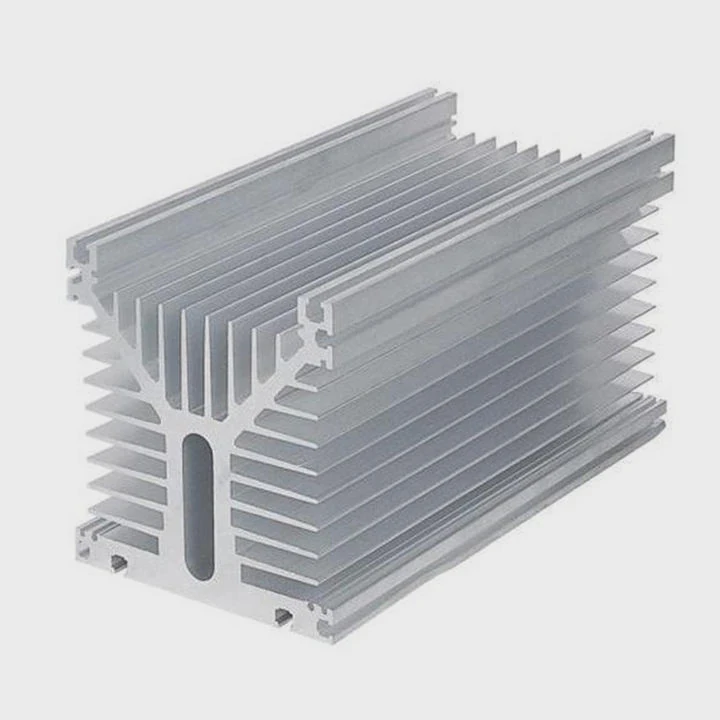
Industrial HVAC is not only about ducts, coils, and compressors. Modern HVAC systems also include power electronics, control boards, motor drives, and smart sensors. These parts create heat. If the heat stays inside a sealed cabinet or control box, the HVAC system may lose reliability. A heat sink can protect these parts by moving heat away from the source and into air, a cabinet wall, or a larger cooling structure.
Where heat sinks appear in HVAC systems
Heat sinks are common near variable frequency drives, power supplies, rectifiers, inverters, and motor control units. These parts switch high current. That creates heat in a small area. A compact heat sink helps spread the heat and lower the part temperature. In some systems, the heat sink sits inside the cabinet. In others, it is mounted through the wall so heat can leave the sealed space.
This matters because industrial HVAC systems often work in dusty, hot, or humid places. Opening the enclosure for direct airflow may not be a good choice. A heat sink allows the designer to keep sensitive parts protected while still moving heat out. This can reduce fan use, lower dust entry, and improve service life.
Heat sinks and heat exchangers working together
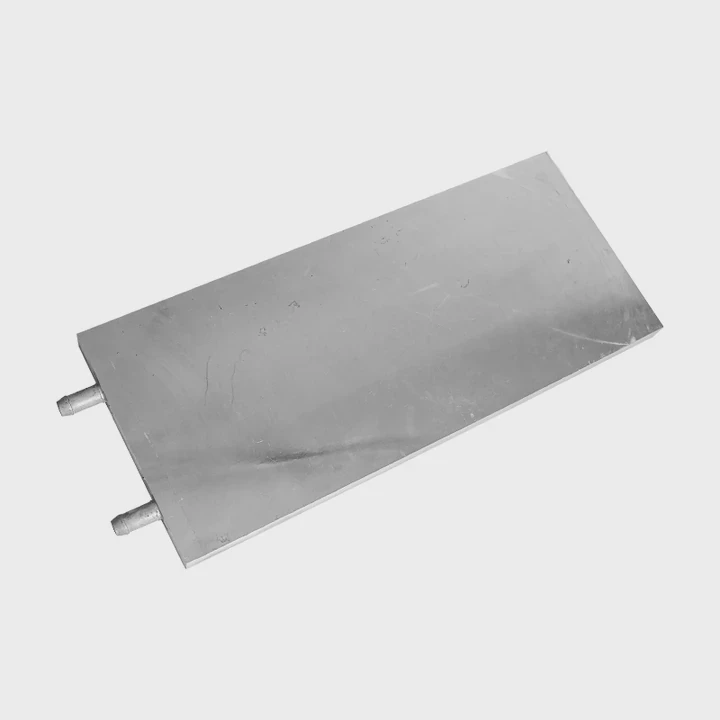
A heat sink can also support a larger heat exchanger. For example, a liquid cold plate may remove heat from a drive module, while fins release that heat to air in another section. In this case, the heat sink is part of a full thermal chain. The chain may include thermal interface material, metal base plates, liquid channels, fins, and airflow.
The main point is simple. HVAC performance is not only measured by room cooling. It is also measured by system stability. If power parts run cooler, controls work better, alarms drop, and maintenance becomes easier. So heat sinks can be a small part with a large system effect.
What efficiency gains are expected from heat sinks?
Efficiency loss often hides inside heat. A hot device may still work, but it may waste energy and age faster.
Expected efficiency gains from heat sinks depend on the system, but well-designed heat sinks can reduce thermal resistance, lower operating temperature, improve component life, and reduce the need for active cooling power.
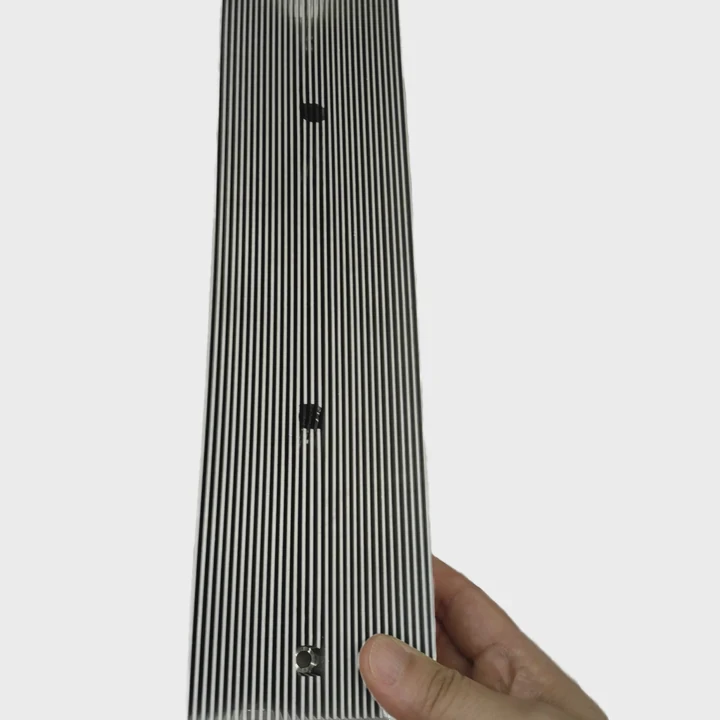
A heat sink does not create cold air. It makes heat transfer easier. This means efficiency gains come from lower thermal resistance and better temperature control. When a component runs cooler, it often works with less stress. In power electronics, lower temperature can reduce failure risk. In HVAC control systems, stable temperature can improve control accuracy and reduce shutdowns. In sealed equipment, a good heat sink can also reduce the need for fans.
What “efficiency gain” really means
Efficiency gain can mean several things. It can mean lower energy use. It can mean longer life. It can mean fewer failures. It can also mean a smaller system size. A heat sink may allow a designer to use a smaller fan, slower fan speed, or less complex cooling path. These gains are not always shown as one simple percentage. They depend on the heat load, air temperature, airflow, material, mounting pressure, and surface finish.
A realistic design process should not promise a fixed gain before testing. Instead, it should compare thermal resistance before and after the heat sink change. It should also check the junction temperature, surface temperature, and cooling power. If the heat sink lowers temperature enough, the system may run at a safer point. That is a true gain.
Practical expectations
In many projects, the biggest gain comes from matching the heat sink to the full system. A larger heat sink alone may not help if the contact surface is poor. A high-grade material may not help if the airflow is blocked. A perfect simulation may not help if the mounting pressure changes in production.
This is why I usually treat heat sink efficiency as a system result, not a part result. The best heat sink is not always the biggest one. It is the one that gives the required temperature with the least weight, cost, space, and energy use. That balance is what makes heat sinks suitable for heat exchange systems.
Conclusion
Heat sinks are suitable for many heat exchange systems when they are designed as part of the full thermal path. The right material, fins, airflow, and mounting method can improve cooling, stability, and service life.